

Fantasy literature is brimming with creativity, presenting readers with a myriad of magical abilities.
These abilities stretch the imagination and define the worlds in which they exist.
From awe-inspiring spells to mysterious artifacts, magic often serves as the heartbeat of fantasy stories.
Below is a detailed look at ten common types of magic in fantasy fiction.
Each type of magic brings its own unique flavour to the genre.
Elemental Magic
Elemental magic grants users the ability to control and manipulate the natural elements: fire, water, earth, and air.
Practitioners can summon raging flames to fend off foes or create towering waves to protect a city.
Some mages use their power to shape mountains or generate storms.
Elemental magic is versatile, serving both offensive and defensive purposes.
Certain fantasy worlds expand this magic to include lesser-known elements like lightning, ice, or metal.
Necromancy
Necromancy is the ability to command the dead or commune with spirits.
Necromancers might reanimate skeletons to serve as an army or seek wisdom from long-deceased sages.
This type of magic is often shrouded in mystery and fear.
While frequently portrayed as sinister, necromancy isn’t always malevolent.
Some necromancers use their abilities to lay restless spirits to peace.
Its association with death and the afterlife makes necromancy one of the most morally ambiguous forms of magic.
Illusion Magic
Illusion magic allows its users to create visual, auditory, and tactile deceptions.
It excels in stealth and subterfuge, often used to mislead enemies or influence allies.
Practitioners can turn invisible, mimic voices, or conjure false landscapes.
A skilled illusionist might convince a foe they’re trapped in a labyrinth or impersonate someone else entirely.
Despite its lack of direct physical power, illusion magic can alter the course of battles or entire stories.
Healing Magic
Healing magic grants the ability to mend physical wounds, cure diseases, and soothe mental anguish.
It is often associated with benevolent healers and clerics.
Healers may regenerate lost limbs or reverse the effects of poison.
In darker stories, healing magic might come at a cost, such as draining the life force of the healer or another source.
This magic embodies hope and renewal but may carry hidden risks.
Time Magic
Time magic grants its users control over the flow of time, allowing them to halt or reverse its passage.
Practitioners might freeze an enemy mid-strike or relive pivotal moments in their lives.
Time magic can also grant glimpses into the future, providing strategic advantages.
This type of magic is often reserved for ancient and enigmatic figures.
Its use is fraught with risks, exploring themes of destiny and consequence.
Divine Magic
Divine magic is bestowed by gods or celestial beings.
It is closely tied to faith and morality, often wielded by paladins, priests, or chosen champions.
Divine magic manifests as holy fire, blessings that bolster allies, or protective wards against dark forces.
It is often used to perform miracles or smite evil.
This magic typically requires devotion and is subject to the will of the divine entity granting it.
Blood Magic
Blood magic draws its strength from the life essence of the practitioner or others.
It often demands a heavy toll, such as pain, sacrifice, or death.
Blood mages might use their power to enhance abilities, summon creatures, or perform forbidden rituals.
This type of magic is associated with darkness and danger but can also have protective or healing applications.
Blood magic’s reliance on sacrifice makes it one of the most controversial forms of magic.
Nature Magic
Nature magic connects its user to the living world, enabling communication with plants and animals.
Druids and forest mages use their powers to regrow forests or summon vines to entangle foes.
This magic can also control weather patterns, calming storms or summoning rains.
Nature magic often aligns with themes of balance and harmony.
Its users strive to preserve the natural world and its delicate ecosystems.
Summoning Magic
Summoning magic involves calling forth creatures, spirits, or constructs to serve the summoner.
These summoned entities can range from benevolent elemental beings to fearsome demons.
Summoners often form bonds with their creatures, offering protection or guidance in exchange for loyalty.
Reckless summoning can lead to disastrous consequences if the entity summoned cannot be controlled.
This magic often highlights themes of power, responsibility, and the unknown.
Shape-shifting Magic
Shape-shifting magic allows its users to alter their physical form, transforming into animals or mythical creatures.
Werewolves, druids, and sorcerers often embody this power.
Shape-shifters might use this magic to adapt to challenges, escape danger, or gain new abilities.
They might acquire the strength of a bear, the speed of a hawk, or the stealth of a cat.
This type of magic often explores themes of identity, balance, and transformation.
Fantasy literature thrives on its imaginative portrayal of magic.
These magical systems shape the conflicts, triumphs, and journeys of unforgettable stories.
Whether steeped in tradition or entirely unique, magic remains a cornerstone of the genre.
Out now: The Fall of Wolfsbane
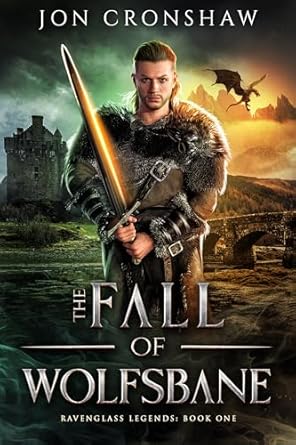
When the Ostreich Empire shatters his world and enslaves his people, Ragnar Wolfsbane vows to fight back.
Thrust into a dangerous game of imperial intrigue, Ragnar must learn to navigate a world of forbidden magic and hidden agendas.
But as the true power of ravenglass emerges, Ragnar’s choices could lead to salvation or ruin for those he holds dear.
Immerse yourself in a vivid fantasy realm where the lines between hero and villain blur.
Will Ragnar rise to become the leader his clan needs, or will the Empire’s machinations crush his resolve?
Find out in The Fall of Wolfsbane, a character-driven high fantasy novel.

5 thoughts on “The Fascinating World of Fantasy Magic: The 10 Types You Need to Know”