Beyond Dragons: The Unique Role of Wyverns in The Ravenglass Throne

Discover how The Ravenglass Throne redefines wyverns, making them essential to military, political, and magical structures. Unlike dragons, these creatures form deep bonds with riders, shaping the kingdom’s fate in ways that go beyond traditional fantasy tropes.

While dragons dominate much of fantasy literature, the wyverns of The Ravenglass Throne offer a distinct and compelling alternative.

These are not the typically solitary, often antagonistic dragons of traditional fantasy.

Instead, they are integral to a complex military and social structure, bound to their riders through a sophisticated magical network.

The Ravenglass Bond: A True Partnership

What sets these wyverns apart is their deep integration into the kingdom’s fabric.

Unlike dragons, often portrayed as ancient, independent beings who might deign to work with humans, these wyverns exist in a symbiotic relationship with their riders.

The ravenglass bond network creates a psychic connection that goes beyond mere telepathy.

It is a merging of purpose and identity that shapes both the rider and the mount.

Physical Characteristics and Practical Design

The physical attributes of these wyverns also distinguish them from traditional dragons.

While they share the general body plan of winged reptiles, their scale colours are more naturalistic, ranging from Berthold’s midnight black to Velten’s silver and Gisela’s gold.

They are designed for practical military use, rather than being overwhelming behemoths barely contained by human will.

This makes them more like actual military mounts than forces of nature.

Wyverns with Personality and Agency

These wyverns possess distinct personalities that complement their riders while maintaining their own agency.

Berthold’s tactical mindset pairs seamlessly with Irmin’s martial nature.

Gisela’s scholarly curiosity matches Adelinde’s intellectual pursuits.

Yet they are not simply reflections of their riders—they provide counterpoints, offering balance to human impulses.

Aerial Combat and Military Strategy

The military applications of wyverns in The Ravenglass Throne feel remarkably well thought out.

The aerial combat sequences demonstrate careful consideration of how such creatures would function in warfare.

Formations and tactics make strategic sense, integrating wyverns into military operations beyond simply unleashing fire at convenient moments.

The Ravenglass Network: A Source of Strength and Weakness

The ravenglass bond network adds another layer of depth, making these wyverns essential to the kingdom’s power structure in a way rarely seen with dragons.

The corruption of these bonds presents not just a military threat but an existential one, undermining the very foundation of society.

This elevates the wyverns beyond their role as mounts, making them essential participants in the kingdom’s stability.

Witz: The Royal Wyvern and Symbol of Authority

The wyverns also represent different aspects of power and governance.

Witz, as the royal wyvern, embodies both tradition and change.

He serves as an advisor and witness to multiple generations of rulers.

His role differs from the conventional “wise dragon” trope, focusing on practical governance rather than abstract wisdom.

Magic, Politics, and the Limits of Power

The relationship between wyverns and the ravenglass network creates unique magical and political dynamics.

Unlike dragons, who often wield innate magical abilities, these wyverns derive their power from their connection to a larger system.

This makes them vulnerable in ways dragons typically are not, allowing for more complex storytelling around themes of unity and interdependence.

Wyverns as an Everyday Presence

Even in daily life, these wyverns serve a different role than dragons in traditional fantasy.

Dragons are often portrayed as rare and semi-mythical, existing on the fringes of human society.

These wyverns, however, are woven into the fabric of the kingdom.

They perform military patrols, deliver messages, and take part in ceremonial functions.

Their presence is practical and necessary rather than simply awe-inspiring.

Corruption and the Fragility of Bonds

The corruption of wyverns in The Ravenglass Throne highlights a fresh take on familiar themes.

The idea of corrupted dragons is not new, but here, it is handled with nuance.

The corruption of the ravenglass bonds affects both wyvern and rider, reinforcing their interconnected nature.

This is not about powerful creatures turning evil—it is about the perversion of fundamental relationships.

A Masterclass in Fantasy Worldbuilding

For worldbuilding enthusiasts, the wyverns of The Ravenglass Throne serve as an excellent example of how to craft magical creatures that feel both fantastic and grounded.

They retain the awe-inspiring qualities of dragons while fulfilling specific and practical functions in society.

Their integration into military, political, and social structures makes them feel essential rather than ornamental.

Thematic Depth and Storytelling Potential

This approach to wyverns enriches the story’s themes of unity, trust, and interdependence.

It also creates unique opportunities for conflict and resolution.

It serves as a reminder that the most interesting fantasy creatures are not always the most powerful.

Instead, they are the ones most meaningfully connected to the structures that define their world.

Unlock Exclusive Content and Early Access with Jon Cronshaw’s Ream Community

Embark on a thrilling journey through Jon Cronshaw’s immersive speculative fiction universe. Discover character-driven tales, exclusive content, and a passionate community of readers.

Hey there, fellow adventurers!

I’m Jon Cronshaw, a storyteller who crafts tales that blend the grit and darkness of reality with the wonder and excitement of speculative fiction.

From epic fantasy adventures to post-apocalyptic struggles, I create character-driven stories that explore the depths of the human experience.

Immerse yourself in stories that don’t shy away from the harsh realities of life, while also celebrating the power of hope, friendship, and perseverance.

By joining my Ream channel, you’ll embark on a journey through rich, immersive worlds filled with flawed heroes, complex relationships, and heart-pounding action.

You’ll get:

🔥 Early Access: Be among the first to experience my latest works, diving into new adventures before anyone else.

📚 Consistent Updates: You’ll receive at least one story update per week, though it will most likely end up being more. I’m committed to delivering a steady stream of content to keep you engaged and entertained.

🌟 Exclusive Content: Unlock access to stories and behind-the-scenes insights that are only available to my subscribers. It’s your key to a deeper understanding of the worlds and characters I create.

💬 Community Engagement: Connect with a vibrant community of fellow readers who share your passion for character-driven stories. Discuss your favorite moments, speculate about upcoming twists, and dive deep into the themes that resonate with you.

When you join my channel, you’re not just gaining access to a collection of stories—you’re becoming part of a community that celebrates the power of storytelling.

So, if you’re ready to embark on a journey of self-discovery and adventure, hit that subscribe button and join me on a voyage through the realms of speculative fiction.

Together, we’ll explore the light and the dark, the grit and the wonder, and everything in between.

Let the adventure begin!

Jon

P.S. Not ready to subscribe just yet? No worries! You can follow my channel for free and gain access to a selection of stories. It’s a great way to get a taste of the adventures that await.

Behind Every Hero: Notable Sidekicks in Epic Fantasy

Explore fantasy literature’s unsung heroes—the steadfast sidekicks. From hobbits to wolves, they shape narratives with loyalty, humour, and courage.

Sidekicks & Sundry: Memorable Aides-de-Camp in Fantasy Literature

Fantasy literature, with its entrancing realms and bewitching narratives, has forever been the refuge for those who crave a bit of magical escapism.

But let’s take a moment to tip our proverbial hats to the unsung heroes of these tales—the trusty sidekicks.

They may not always bask in the limelight, but we’d be hard-pressed to imagine our heroes traversing treacherous terrains or vanquishing dastardly villains without them.

Samwise Gamgee (The Lord of the Rings by J.R.R. Tolkien)

We’d be as forgetful as a goldfish to not mention our dear old Sam. This hobbit doesn’t just carry Frodo’s luggage, but on occasion, Frodo himself.

Who needs a GPS when you’ve got Samwise?

Armed with his unyielding loyalty, pot of potatoes (boil ‘em, mash ‘em, stick ‘em in a stew), and the odd heroic monologue, Samwise truly encapsulates the spirit of a fantasy sidekick.

Nighteyes (Farseer Trilogy by Robin Hobb)

Who wouldn’t want a wolf as a sidekick? Nighteyes, with his ancient wisdom and candid observations, steals the show in Robin Hobb’s Farseer Trilogy.

While Fitz might be the royal bastard with assassin skills, it’s Nighteyes who provides the emotional support, humour, and even philosophy.

Fancy a good telepathic chat? Look no further.

Jean Tannen (Gentleman Bastard Sequence by Scott Lynch)

Every con artist needs a reliable partner, and Jean Tannen fits the bill perfectly for Locke Lamora.

Jean isn’t just your token big guy with an axe but a scholar, strategist, and a dab hand at intricate swearing.

He’s the meticulous planner to Locke’s hasty schemes.

His loyalty is as unwavering as his love for fine brandy.

Without Jean, Locke would be as lost as a pirate in a desert.

Bitterblue (Graceling Realm Series by Kristin Cashore)

Introduced as a minor character in ‘Graceling,’ Bitterblue blooms into a steadfast sidekick in ‘Fire’ before seizing the main stage in her titular book.

She might be a queen, but her relentless quest for truth and justice, combined with her pragmatic approach, make her a superb sidekick.

Also, she manages to retain her royal dignity while dealing with mystical nonsense, which is quite a feat, isn’t it?

Tia (Aru Shah Series by Roshani Chokshi)

Tia, the pigeon who’s really a vahana (vehicle of a deity), adds a dash of plucky charm and sass to the Aru Shah Series.

Sure, Aru Shah’s reincarnation as a Pandava is pretty cool, but who can overlook a pigeon who can transmogrify into a flashy car and dispense sage advice, all while looking impeccably stylish?

Asha (The Priory of the Orange Tree by Samantha Shannon)

An epic fantasy by Samantha Shannon, ‘The Priory of the Orange Tree’ introduces us to Asha, a dragon slayer of repute and a steadfast ally.

 Asha provides an invigorating contrast to the courtly intrigues with her bluntness, courage, and a healthy dose of dragon-related badassery.

Wayne (Mistborn Series: Alloy of Law by Brandon Sanderson)

Wayne, an expert shapeshifter and quick-witted con artist, adds a dash of levity to the intense world of Brandon Sanderson’s Mistborn series.

 Armed with an impressive array of accents, a love for hats, and a bizarre sense of humour, Wayne serves as the perfect foil to the more serious Waxillium.

They’re the dynamic duo of the rough-and-tumble world of the Roughs.

Loial (The Wheel of Time Series by Robert Jordan)

Loial, the Ogier scholar from Robert Jordan’s sprawling ‘Wheel of Time’ series, is as endearing as sidekicks come.

This giant, book-loving, somewhat naïve character offers a softer and often humorous contrast to the tumultuous world around him.

Despite his peaceful nature, Loial is stalwart in his loyalty, proving time and again that there’s more to this gentle giant than meets the eye.

Gurton (The Axe and the Throne by M. D. Ireman)

‘Gruff yet tender-hearted’ could be the motto of Gurton, the loyal sidekick from M. D. Ireman’s ‘The Axe and the Throne.’

With his masterful skills in tracking and survival, Gurton is more than just a supporting player.

His unyielding loyalty and unexpected depths keep the readers engaged and rooting for him.

Sophronia (The Inheritance Trilogy by N.K. Jemisin)

Sophronia, a godling in a child’s form in N.K. Jemisin’s ‘The Inheritance Trilogy’ provides comic relief, poignant moments, and powerful insight.

While she might appear as a playful child, her wisdom and ability to see through deception add layers to her character, making her an unforgettable sidekick.

Finn (The Thief Who Pulled On Trouble’s Braids by Michael McClung)

In Michael McClung’s Amra Thetys series, Finn is the steadfast companion of the titular thief, Amra.

A wizard with a mysterious past, Finn brings a balanced mix of wisdom and levity to the adventure-filled narrative.

His faithfulness to Amra, despite her criminal lifestyle, adds a touching depth to his character.

Minalan’s Familiars (Spellmonger Series by Terry Mancour)

The Spellmonger series introduces us to an unconventional sort of sidekick—a group of magical familiars who assist Minalan the Spellmonger.

These familiars, including a feisty fay, a resourceful raven, and a motherly hawk, each contribute their unique magic and perspective, making Minalan’s adventures a magical delight.

Kestrel (Kings or Pawns by J.J. Sherwood)

Kestrel, a cheeky yet highly skilled thief from the Steps of Power series, serves as an engaging counterpoint to the seriousness of the royal intrigue surrounding him.

His unorthodox methods and quick wit bring a refreshing touch of humour to the narrative, making him a memorable sidekick in this epic tale.

Snickers (Legends of Dimmingwood series by C. Greenwood)

In C. Greenwood’s ‘Legends of Dimmingwood’ series, Snickers might be a squirrel, but he’s a loyal friend and companion to the series’ protagonist, Ilan.

Don’t underestimate this furry little chap—his keen senses and quick reactions often help Ilan out of sticky situations.

 Just goes to show, you don’t need to be big to make a big impact.

Bayaz (The First Law Trilogy by Joe Abercrombie)

Bayaz, the First of the Magi in Joe Abercrombie’s ‘The First Law’ Trilogy, may seem like a typical wise old wizard at first glance.

However, his mysterious past, hidden motives, and a decidedly manipulative streak add layers of complexity to his character.

He serves as a guiding light and occasional puppet master to the trilogy’s protagonists, ensuring that the narrative is anything but dull.

Falcio’s Greatcoats (The Greatcoats series by Sebastien de Castell)

Falcio’s companions, Kest and Brasti, in Sebastien de Castell’s ‘The Greatcoats’ series, form a trio that is truly greater than the sum of its parts.

They provide much-needed camaraderie, banter, and support for their leader, Falcio, making their adventures a delightful ride.

Their unwavering loyalty to each other and their shared cause makes them more than sidekicks—they are brothers in arms.

Kip’s Squad (Lightbringer Series by Brent Weeks)

In Brent Weeks’ ‘Lightbringer’ series, Kip’s squad of talented misfits serves as an engaging ensemble of sidekicks.

From the wise-cracking Gunner to the brave and resolute Teia, each member brings unique strengths to the table.

The dynamics within this diverse group are humorous, heartwarming, and at times, heart-wrenching, making them an unforgettable part of Kip’s journey.

Bronn (A Song of Ice and Fire by George R. R. Martin)

Let’s turn to George R. R. Martin’s sprawling saga, ‘A Song of Ice and Fire.’

Bronn, the sellsword who becomes an unlikely sidekick to Tyrion Lannister, is a fan favourite.

His pragmatism, dry humour, and surprising loyalty to Tyrion provide a refreshing contrast to the intrigue-laden world of Westeros.

And who can forget his notable mantra, “I’ll stand for the dwarf?”

Iorek Byrnison (His Dark Materials by Philip Pullman)

In Philip Pullman’s ‘His Dark Materials’, Lyra’s journey wouldn’t be quite the same without the mighty Iorek Byrnison.

The Panserbjørne (armoured bear) adds muscle and an unusual wisdom to Lyra’s quest.

Also, he’s a giant talking bear who can make and mend armour, so he’s ticking quite a few boxes on the cool sidekick checklist.

Tasslehoff Burrfoot (Dragonlance Series by Margaret Weis and Tracy Hickman)

The Dragonlance series introduces us to Tasslehoff Burrfoot, a kender (a race akin to hobbits) whose curiosity and kleptomania often lead to humorous and unexpected situations.

Tasslehoff’s sense of adventure and knack for getting out of sticky situations make him a sidekick to remember.

He’s the kind of fellow who’d ‘borrow’ your keys, wallet, and possibly your socks, but you’d still want him around for his unwavering optimism and courage.

Calcifer (Howl’s Moving Castle by Diana Wynne Jones)

In Diana Wynne Jones’ ‘Howl’s Moving Castle’, the fire demon Calcifer plays a key role as a sidekick.

Calcifer powers the titular castle and aids the young protagonist, Sophie, in her quest to break her curse.

With his sarcastic humour and hints of a deeper, more complex past, Calcifer lights up the narrative—and not just because he’s a literal flame.

Jimmy the Hand (The Riftwar Saga by Raymond E. Feist)

From Raymond E. Feist’s ‘Riftwar Saga’, we have the charming and resourceful Jimmy the Hand.

This master thief may start as a minor character, but his courage, quick-thinking, and knack for getting in and out of trouble make him an unforgettable sidekick.

Whether he’s navigating the dangerous alleys of Krondor or the intrigues of court, Jimmy proves time and again that a clever mind can be as potent as any sword.

The Luggage (Discworld Series by Terry Pratchett)

Finally, where would a list of sidekicks be without The Luggage from Terry Pratchett’s brilliant Discworld series?

This sentient, multi-legged travel case made of Sapient Pearwood has been a loyal and, shall we say, ‘forceful’ companion to Rincewind the inept wizard.

Unflinchingly loyal, literally eating up foes, and offering an infinite amount of storage, The Luggage redefines the term ‘travel buddy.’

Each of these sidekicks, in their unique ways, enhances the epic narratives they are part of, providing support, camaraderie, humour, and occasionally, a reality check for our heroes. They may not be the ones wearing the crown or sitting on the throne, but their role in shaping the story is just as important, if not more so.

Who are your favourites? Share yours in the comments.

Epic Fantasy vs. High Fantasy: What’s the Difference?

Explore the distinction between epic fantasy and high fantasy in this captivating blog post. Discover the allure of otherworldly realms, sweeping narratives, and extraordinary adventures.

Have you ever found yourself in the midst of a squabble at your local book club, arguing whether a certain tale belongs in the realm of high fantasy or epic fantasy?
Well, worry not, because by the end of this post, you’ll wield the power of knowledge like a mighty sword, or a mighty axe, or whatever else happens to be to hand, ready to cut through any confusion.

High Fantasy: Not Just a Tale of Towers and Tea

High fantasy, contrary to popular belief, isn’t just a genre where characters sit atop towering castles, sipping tea and discussing the metaphysical nature of dragonfire. No, it’s something much more profound, and dare I say, magical.
High fantasy, is all about otherworldliness.
It whisks you away from your mundane sofa (which reminds me, mine could probably do with a good dusting) and transports you into a world brimming with magic, mythical creatures and realms beyond our own.
Be it elves with an uncanny addiction to moonlight or unicorns who’ve developed a penchant for politics, high fantasy has it all.
The governing rule here is simple—the story must take place in a world entirely separate from our own, a place where reality checks its coat at the door.
So, if you’re reading a story where Earth is but a footnote, and magic is as commonplace as a boiled egg for breakfast, you’re knee-deep in the waters of high fantasy.

Epic Fantasy: A Grand Adventure, Minus the Bus Fare

Now, let’s turn our spyglass towards epic fantasy.
Just as the name suggests, epic fantasy is all about scale and grandeur.
It’s the literary equivalent of a seven-course banquet, replete with drama, sweeping narratives, and characters as complex as my Aunt Mabel’s knitting patterns.
Epic fantasy is all about the journey.
It’s about ordinary characters, like you and me (minus the love for fantasy, perhaps), who are thrust into extraordinary circumstances.
They must overcome Herculean challenges, defeat dastardly villains, and often, save the world whilst they’re at it.
So, if you’re reading a tale that spans generations, features a cast large enough to populate a small island, and includes a quest that makes your weekend DIY project seem trifling, then congratulations! You’ve boarded the epic fantasy express.

High Fantasy vs. Epic Fantasy: The Showdown

But wait, I hear you cry, can’t a story be both high and epic fantasy?
Indeed, the two are not mutually exclusive.
A tale can whisk us away to a fantastical world (high fantasy) and regale us with a grand, sweeping narrative (epic fantasy).
In fact, many of the most beloved fantasy books do just that.
However, not all high fantasy is epic, and not all epic fantasy is high.
A story about an elf prince living in a magical world, dealing with the daily trials of royal life (including, of course, the notorious moonlight addiction), would be high fantasy, but not particularly epic.
On the flip side, an earthbound tale about a postman’s grand adventure to deliver a mysterious package, fraught with peril and intrigue, could be quite epic, but not at all high fantasy.

So, there you have it, the difference between high fantasy and epic fantasy, as clear as a crystal ball (well, a well-polished one at least).
Whether you prefer your fantasy high, epic, or a splendid mix of the two, remember: the best part of fantasy is its ability to transport us, to captivate us, and to remind us of the magic hidden within our own world.
After all, isn’t that the reason we read fantasy in the first place?

21 Ways You Know You’re a Fantasy Reader

Dive into the unique world of fantasy readers! Discover tell-tale signs you’re part of this tribe, from debating magical creatures to sporting fantasy-inspired tattoos.

Fantasy readers are a unique breed. We’re the ones who’ve wandered through the enchanted forests of Middle-earth, battled dragons in Westeros, and tracked down spell tomes in the Unseen University.

We’ve dreamed of soaring on the backs of dragons, casting spells with a flick of a wand, and fighting evil with our trusty swords.

And it’s fair to say we’ve also picked up some quirks along the way that set us apart from the non-fantasy readers of the world.

So, if you’re wondering whether you’re one of us, here are some tell-tale signs that you might be a true fantasy reader.

1. You know you’re a fantasy reader when you’ve debated the merits of various magical creatures over a pint of ale.

2. You know you’re a fantasy reader when you’ve tried to open a door with a magic spell instead of a key.

3. You know you’re a fantasy reader when you’re more excited about a book’s map than its table of contents.

4. You know you’re a fantasy reader when you’ve contemplated the logistics of having a hobbit-sized home.

5. You know you’re a fantasy reader when you’ve had to explain what “Tolkien-esque” means to someone who’s never read a fantasy novel.

6. You know you’re a fantasy reader when you’ve felt personally betrayed by a fictional character’s death.

7. You know you’re a fantasy reader when you’ve caught yourself muttering spells under your breath when faced with a particularly difficult task.

8. You know you’re a fantasy reader when you’ve tried to solve a real-life problem by asking “What would Gandalf do?”

9. You know you’re a fantasy reader when you’ve rolled your eyes at a non-fantasy reader who said “It’s just a book, it’s not real.”

10. You know you’re a fantasy reader when you’ve imagined yourself as a powerful wizard or witch casting spells in a crowded room.

11. You know you’re a fantasy reader when you’ve tried to learn a fictional language, like Elvish or Dothraki.

13. You know you’re a fantasy reader when you’ve considered getting a tattoo inspired by your favourite fantasy book or series.

15. You know you’re a fantasy reader when you’ve felt a sense of camaraderie with other fantasy readers, even if you’ve never met them.

16. You know you’re a fantasy reader when you’ve contemplated whether you could actually survive in a world with dragons, magic, and other fantastical creatures.

17. You know you’re a fantasy reader when you’ve used obscure fantasy references in casual conversation, only to be met with blank stares.

18. You know you’re a fantasy reader when you’ve wished that you could attend a ball at the High Court of Faerie, even though you know it probably wouldn’t end well.

19. You know you’re a fantasy reader when you’ve named your pets after fantasy characters or creatures.

20. You know you’re a fantasy reader when you’ve dressed up as your favourite fantasy character for Halloween and had to explain your costume to everyone who asked.

21. You know you’re a fantasy reader when you’ve cried over the ending of a book or series, and had to take a break from reading for at least a week.

Want a free Ravenglass Universe starter library? You can get the novel Birth of Assassins, and the novellas Blades of Wolfsbane and The Fool when you join the VIP newsletter.

The Fascinating World of Fantasy Magic: The 10 Types You Need to Know

Discover the fascinating world of fantasy magic and explore the 10 types you need to know. From elemental and necromancy to healing and time magic, delve into the enchanting realm of spells, creatures, and extraordinary abilities.

Fantasy literature is brimming with creativity, presenting readers with a myriad of magical abilities.

These abilities stretch the imagination and define the worlds in which they exist.

From awe-inspiring spells to mysterious artifacts, magic often serves as the heartbeat of fantasy stories.

Below is a detailed look at ten common types of magic in fantasy fiction.

Each type of magic brings its own unique flavour to the genre.


Elemental Magic

Elemental magic grants users the ability to control and manipulate the natural elements: fire, water, earth, and air.

Practitioners can summon raging flames to fend off foes or create towering waves to protect a city.

Some mages use their power to shape mountains or generate storms.

Elemental magic is versatile, serving both offensive and defensive purposes.

Certain fantasy worlds expand this magic to include lesser-known elements like lightning, ice, or metal.


Necromancy

Necromancy is the ability to command the dead or commune with spirits.

Necromancers might reanimate skeletons to serve as an army or seek wisdom from long-deceased sages.

This type of magic is often shrouded in mystery and fear.

While frequently portrayed as sinister, necromancy isn’t always malevolent.

Some necromancers use their abilities to lay restless spirits to peace.

Its association with death and the afterlife makes necromancy one of the most morally ambiguous forms of magic.


Illusion Magic

Illusion magic allows its users to create visual, auditory, and tactile deceptions.

It excels in stealth and subterfuge, often used to mislead enemies or influence allies.

Practitioners can turn invisible, mimic voices, or conjure false landscapes.

A skilled illusionist might convince a foe they’re trapped in a labyrinth or impersonate someone else entirely.

Despite its lack of direct physical power, illusion magic can alter the course of battles or entire stories.


Healing Magic

Healing magic grants the ability to mend physical wounds, cure diseases, and soothe mental anguish.

It is often associated with benevolent healers and clerics.

Healers may regenerate lost limbs or reverse the effects of poison.

In darker stories, healing magic might come at a cost, such as draining the life force of the healer or another source.

This magic embodies hope and renewal but may carry hidden risks.


Time Magic

Time magic grants its users control over the flow of time, allowing them to halt or reverse its passage.

Practitioners might freeze an enemy mid-strike or relive pivotal moments in their lives.

Time magic can also grant glimpses into the future, providing strategic advantages.

This type of magic is often reserved for ancient and enigmatic figures.

Its use is fraught with risks, exploring themes of destiny and consequence.


Divine Magic

Divine magic is bestowed by gods or celestial beings.

It is closely tied to faith and morality, often wielded by paladins, priests, or chosen champions.

Divine magic manifests as holy fire, blessings that bolster allies, or protective wards against dark forces.

It is often used to perform miracles or smite evil.

This magic typically requires devotion and is subject to the will of the divine entity granting it.


Blood Magic

Blood magic draws its strength from the life essence of the practitioner or others.

It often demands a heavy toll, such as pain, sacrifice, or death.

Blood mages might use their power to enhance abilities, summon creatures, or perform forbidden rituals.

This type of magic is associated with darkness and danger but can also have protective or healing applications.

Blood magic’s reliance on sacrifice makes it one of the most controversial forms of magic.


Nature Magic

Nature magic connects its user to the living world, enabling communication with plants and animals.

Druids and forest mages use their powers to regrow forests or summon vines to entangle foes.

This magic can also control weather patterns, calming storms or summoning rains.

Nature magic often aligns with themes of balance and harmony.

Its users strive to preserve the natural world and its delicate ecosystems.


Summoning Magic

Summoning magic involves calling forth creatures, spirits, or constructs to serve the summoner.

These summoned entities can range from benevolent elemental beings to fearsome demons.

Summoners often form bonds with their creatures, offering protection or guidance in exchange for loyalty.

Reckless summoning can lead to disastrous consequences if the entity summoned cannot be controlled.

This magic often highlights themes of power, responsibility, and the unknown.


Shape-shifting Magic

Shape-shifting magic allows its users to alter their physical form, transforming into animals or mythical creatures.

Werewolves, druids, and sorcerers often embody this power.

Shape-shifters might use this magic to adapt to challenges, escape danger, or gain new abilities.

They might acquire the strength of a bear, the speed of a hawk, or the stealth of a cat.

This type of magic often explores themes of identity, balance, and transformation.


Fantasy literature thrives on its imaginative portrayal of magic.

These magical systems shape the conflicts, triumphs, and journeys of unforgettable stories.

Whether steeped in tradition or entirely unique, magic remains a cornerstone of the genre.


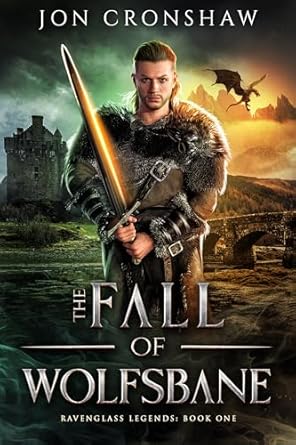
Out now: The Fall of Wolfsbane

When the Ostreich Empire shatters his world and enslaves his people, Ragnar Wolfsbane vows to fight back.

Thrust into a dangerous game of imperial intrigue, Ragnar must learn to navigate a world of forbidden magic and hidden agendas.

But as the true power of ravenglass emerges, Ragnar’s choices could lead to salvation or ruin for those he holds dear.

Immerse yourself in a vivid fantasy realm where the lines between hero and villain blur.

Will Ragnar rise to become the leader his clan needs, or will the Empire’s machinations crush his resolve?

Find out in The Fall of Wolfsbane, a character-driven high fantasy novel.