Claim your free copy of Shattered Kingdom, a YA epic fantasy filled with political intrigue, wyverns, and betrayal. Three sisters. One murdered king. A kingdom on the brink. Download now and start your adventure!
The kingdom stands on the edge of ruin. The king is dead, and his daughters must fight to uncover the truth before everything crumbles.
If you love epic fantasy filled with political intrigue, deadly secrets, and wyvern-riding princesses, then you won’t want to miss Shattered Kingdom—the first part of The Ravenglass Throne saga. And the best part? You can start the adventure for free today!
Three Sisters. One Murdered King. A World on the Brink.
Irmin, the warrior. Adelinde, the scholar. Elana, the diplomat.
Each sister has her role to play in the kingdom, but when their father is assassinated before he can name an heir, their world is thrown into chaos.
Loyalties shift, enemies plot, and an ancient conspiracy threatens not only their throne but the very magic that binds their civilization together.
As the bonds between riders and wyverns begin to fracture, the sisters must uncover the truth before it’s too late.
But in a court where treachery lurks behind every smile, even family can’t always be trusted…
Why You Should Download Shattered Kingdom
🐉 Epic worldbuilding – Immerse yourself in a richly detailed kingdom where magic, wyverns, and politics collide.
🔥 Powerful sisterhood – Three princesses must rely on each other… but can they?
🏰 Deadly intrigue – Who can be trusted when the fate of the throne is at stake?
✨ Wyverns, magic, and betrayal – Because every great fantasy needs them!
If you love books like Throne of Glass, The Priory of the Orange Tree, or The Inheritance Trilogy, then Shattered Kingdom is your next must-read.
Get Your Free Copy Today
Start your journey into The Ravenglass Throne by downloading Shattered Kingdom for free when you sign up for my newsletter.
You’ll get exclusive updates, behind-the-scenes insights, and early access to future releases.
on’t miss out on the beginning of this epic tale—download Shattered Kingdom today and step into a world where magic, ambition, and sisterhood collide.
Explore the vast world of fantasy subgenres, from epic and urban fantasy to lesser-known realms like mythpunk and silkpunk. Discover the magic, mystery, and diversity of each subgenre in our comprehensive guide.
In th e sprawling, boundless universe of literature, the fantasy genre stands as a bastion of the unbridled imagination, a realm where dragons soar, magic reigns, and the impossible becomes the everyday.
But within this fantastical cosmos lies an intricate tapestry of subgenres, each a unique world unto itself, teeming with its own brand of wonder and darkness.
This post is your lantern in the murky depths of fantasy’s myriad realms, an introduction to the bewildering spectrum of subgenres that await the intrepid reader.
A Spectrum as Vast as Imagination Itself
Fantasy, in its essence, is a genre unconfined by the mundane laws of our reality.
It’s where the constraints of the possible are gleefully tossed aside in favour of the extraordinary.
Yet, within this boundless expanse, a plethora of subgenres have blossomed, each offering a distinct flavour of escapism.
From the epic tales of heroism and villainy that span entire galaxies, to the subtle magic that lurks in the shadows of our own world, fantasy’s spectrum is as diverse as it is captivating.
Embarking on a Literary Quest
Navigating the labyrinth of fantasy subgenres can be akin to a quest of its own – fraught with uncertainty but brimming with the potential for discovery.
Perhaps you’re drawn to the noble struggles and rich world-building of epic fantasy, or maybe the gritty, morally grey landscapes of grimdark beckon you.
Do the enigmatic twists of magical realism intrigue you, or are you entranced by the fusion of the fantastical with the everyday in urban fantasy?
Each subgenre is a new realm to explore, a new adventure to undertake.
More than Just Entertainment
As we embark on this journey together, remember that fantasy is more than mere escapism.
It is a mirror held up to our own world, reflecting our fears, desires, and the unspoken depths of our psyche.
These subgenres, with their myriad tropes and themes, offer us a kaleidoscope through which to view our own reality, each hue as revealing as it is entertaining.
A Guide for the Curious and the Avid
So, whether you are a seasoned traveller in the realms of fantasy or a curious newcomer seeking a path to begin your journey, this series is your guide.
We will delve into the heart of each subgenre, exploring their quintessence and their quirks, and along the way, recommend tomes that exemplify the best (and sometimes the most bizarre) they have to offer.
Prepare yourself for a journey of discovery, where dragons may be more than scaled beasts, and a magic wand can be more than a stick.
In each post, we will unlock the secrets of a different subgenre, helping you find the one – or several – that resonate most deeply with you.
Academy Fantasy is set in a world where education and learning are central, often within a magical school or university.
These narratives focus on young characters who are students of magic or other supernatural elements.
The stories typically explore themes of friendship, rivalry, and the journey of mastering magical skills, set against the backdrop of an academic institution with its own mysteries and traditions.
Book Recommendation: “The Magicians” by Lev Grossman is a notable example of Academy Fantasy.
The novel follows Quentin Coldwater, a high school student who discovers and attends a secret college of magic in New York, delving into the darker and more realistic aspects of magic in an academic setting.
This beloved tale follows the journey of Bilbo Baggins, a reluctant hobbit adventurer, who embarks on a quest to help a group of dwarves reclaim their homeland from the fearsome dragon Smaug, encountering various challenges and wonders along the way.
Afro-Fantasy, also known as African Fantasy, encompasses fantasy narratives that are deeply rooted in African culture and traditions.
This subgenre often incorporates African folklore, mythology, and spiritual beliefs into its storytelling, creating a rich and diverse fantastical world.
Afro-Fantasy provides a wide-ranging exploration of the continent’s cultural heritage, from the deserts of the North to the forests of the Central and the savannas of the South.
Book Recommendation: “Children of Blood and Bone” by Tomi Adeyemi is an acclaimed Afro-Fantasy novel.
Set in the fictional land of Orïsha, it draws on Yoruba mythology to tell a story of oppression, resistance, and the struggle to reclaim magic in a world that has lost it.
While on the surface, it’s a children’s adventure in a magical land, the series is rich with Christian allegory, moral lessons, and reflections on good and evil.
In Alternative History Fantasy, the threads of our real-world history are intricately woven with elements of the fantastical.
This subgenre asks “what if” and explores a world where historical events have taken a different path due to magical or supernatural interventions.
It’s a playground for the imagination, blending the familiar with the enchanting, often leaving us to wonder about the endless possibilities of ‘what could have been’.
Book Recommendation: “Jonathan Strange & Mr Norrell” by Susanna Clarke is a stellar example.
Set in 19th-century England during the Napoleonic Wars, it imagines a world where magic once existed and has returned with two remarkable magicians.
Clarke masterfully blends historical accuracy with a rich, magical lore.
Arthurian Fantasy takes us back to the age of chivalry, where knights, wizards, and the legendary King Arthur reign supreme.
This subgenre is steeped in myth and legend, often reimagining or expanding upon the tales of Camelot, the Holy Grail, and the Knights of the Round Table.
It’s a place where magic is real, honour is the highest currency, and the line between history and legend is wonderfully blurred.
Book Recommendation:“The Once and Future King” by T.H. White offers a brilliant reimagining of the Arthurian legends.
It’s a novel that combines humour, tragedy, and a deep understanding of human nature, all set in the enchanting world of Camelot.
Bangsian Fantasy is a subgenre that focuses on the afterlife, often featuring historical or fictional characters interacting in the realms beyond death.
Named after John Kendrick Bangs, who wrote stories set in Hades, these narratives explore the concept of an afterlife, blending elements of fantasy with philosophical, humorous, or satirical undertones.
Bangsian Fantasy allows for creative freedom in reimagining the afterlife and often includes thought-provoking discussions about life, death, and morality.
Book Recommendation: “The Divine Comedy” by Dante Alighieri, particularly “Inferno,” can be considered an early form of Bangsian Fantasy.
This epic poem takes the reader on a journey through the realms of the afterlife, guided by the ancient poet Virgil, encountering various historical and mythological figures along the way.
Children’s Fantasy is a genre specifically tailored for young children and often includes elements of whimsy, wonder, and magic.
These stories are typically characterized by their simplicity, imaginative settings, and moral lessons.
The narratives are often straightforward, focusing on good versus evil, and are crafted to be accessible and engaging to younger readers, sparking their imagination and often teaching valuable life lessons.
Book Recommendation:“The Tale of Despereaux” by Kate DiCamillo is a charming example of Children’s Fantasy.
It tells the story of a brave little mouse, Despereaux, on a quest to rescue a princess, weaving a tale of bravery, forgiveness, and the power of storytelling.
Choose Your Own Adventure is a subgenre where the reader gets to make decisions that affect the story’s outcome.
These books are written in a second-person point of view, presenting various choices that lead to different paths and endings.
The genre allows readers to become active participants in the narrative, experiencing a unique and personalized adventure each time they read the book.
Book Recommendation: “House of Danger” by R.A. Montgomery is a notable Choose Your Own Adventure book.
It presents a thrilling and mysterious adventure where the reader, playing the role of a detective, navigates through a maze of choices to solve a case.
Comedic Fantasy is characterized by the infusion of humor into a fantasy setting.
These stories often parody classic fantasy tropes or take a more lighthearted, whimsical approach to the genre.
The humour can range from subtle and witty to slapstick and absurd, providing a refreshing contrast to more serious fantasy narratives.
This subgenre is perfect for readers looking for both escapism and a good laugh.
Book Recommendation:“Discworld” series by Terry Pratchett is a brilliant example of Comedic Fantasy.
With its satirical take on fantasy clichés and a quirky, yet deeply philosophical take on life and society, Pratchett’s work is both hilarious and thought-provoking.
Coming-of-Age Fantasy focuses on the growth and development of the protagonist, usually from youth to adulthood.
These narratives are marked by their exploration of themes like self-discovery, the loss of innocence, and the grappling with newfound responsibilities.
It’s a subgenre that resonates deeply, as it mirrors our own journey through the complexities of growing up, albeit in more fantastical settings.
It follows a young boy’s journey from a mundane life into a world of magic, unfolding his destiny along with the trials and tribulations of growing up.
Cosy Fantasy, also known as gentle fantasy, is characterized by its warm, comforting tone, set in worlds where kindness and community prevail.
These stories offer an escape to a more peaceful and heartwarming reality, often featuring quaint villages, magical creatures, and a sense of harmony with nature.
Cosy Fantasy focuses on the joys of simple living, relationships, and the beauty of everyday magic.
Book Recommendation: “The House in the Cerulean Sea” by T.J. Klune fits well into Cosy Fantasy.
This novel tells the story of Linus Baker, a caseworker who oversees the well-being of children in government-run orphanages for magical youth, and his life-changing journey to a mysterious island, filled with warmth, acceptance, and enchanting characters.
Dark Fantasy merges elements of horror and fantasy, creating a world where the atmosphere is as important as the narrative.
It’s characterized by a sense of foreboding, with settings often filled with darkness, decay, and a sense of dread.
In these stories, magic is not just a wondrous force; it’s often tinged with horror.
The lines between good and evil are blurred, giving rise to antiheroes and morally complex characters.
Dark Fantasy is for those who relish the combination of the macabre with the fantastical.
Book Recommendation:“The Witcher” series by Andrzej Sapkowski offers a perfect foray into Dark Fantasy.
Following the story of Geralt of Rivia, a monster hunter in a morally ambiguous world, it combines elements of Slavic mythology, dark magic, and gritty realism.
Detective Fantasy is a subgenre where the plot revolves around a mystery or investigation within a fantasy setting.
These stories blend the intrigue and puzzle-solving aspects of detective fiction with magical and supernatural elements.
The protagonists are often detectives or investigators who use their wits, and sometimes magical abilities, to solve complex cases, uncover secrets, and bring justice in worlds where magic is a part of everyday life.
Book Recommendation: “Rivers of London” by Ben Aaronovitch is a standout work in Detective Fantasy.
The novel introduces Peter Grant, a police constable and apprentice wizard, who investigates supernatural crimes in modern London, skillfully blending police procedural elements with magic and folklore.
Dieselpunk is characterized by its setting in an alternate history, typically inspired by the interwar period, where diesel technology has advanced in unexpected ways.
This genre combines the aesthetics of the 1920s to 1940s with retrofuturistic innovations, creating a world of noirish charm and industrial innovation.
Dieselpunk narratives often explore themes of exploration, rebellion, and conflict, set against a backdrop of jazz, wartime aesthetics, and technological advancements powered by diesel.
Book Recommendation:“Leviathan” by Scott Westerfeld is an excellent foray into Dieselpunk.
Set in an alternate World War I era, it features a blend of fabricated beasts and mechanical walkers, capturing the essence of Dieselpunk with a gripping tale of war and innovation.
Dragon Fantasy is a subgenre where dragons are not just peripheral creatures but central to the story.
These tales often explore the bonds between dragons and humans, the ancient wisdom and primal ferocity of these mythical beasts, and their impact on the worlds they inhabit.
Whether revered, feared, or misunderstood, dragons in these stories are far more than mere monsters; they are complex beings with their own histories, cultures, and roles in the fate of the world.
Book Recommendation: “Eragon” by Christopher Paolini is a notable example.
It tells the story of a young boy and his dragon, exploring themes of destiny, power, and the bond between dragon and rider in a richly detailed fantasy world.
Dying Earth Fantasy is set in worlds facing imminent demise or decay, whether through the exhaustion of resources, the dying of the sun, or other cataclysmic events.
These narratives often carry an elegiac tone, exploring themes of decline, the end of civilizations, and the resilience (or desperation) of those facing the twilight of their worlds.
It’s a subgenre that combines the wonder of fantasy with poignant reflections on mortality and the impermanence of all things.
Book Recommendation:“The Dying Earth” by Jack Vance, which gave the subgenre its name, is a classic choice.
Set in a far future where the sun is dimming, it combines rich language, imaginative landscapes, and a sense of melancholic beauty.
Dystopian Fantasy is a subgenre that combines elements of fantasy with dystopian themes, exploring grim futures where society has often descended into chaos or tyranny.
These narratives typically involve oppressive governments, environmental catastrophes, or other societal breakdowns.
Dystopian Fantasy not only provides thrilling and often dark adventures but also serves as a commentary on current social, political, or ethical issues.
Book Recommendation: “The Handmaid’s Tale” by Margaret Atwood is a seminal work in Dystopian Fantasy.
Set in a totalitarian theocracy where women are subjugated and stripped of their rights, the novel explores themes of power, resistance, and the human spirit in the face of oppression.
Eldritch Fantasy incorporates elements of cosmic horror into fantasy settings, focusing on the unknown and the unimaginable.
This subgenre often explores themes of forbidden knowledge, otherworldly beings, and the insignificance of humanity in the face of incomprehensible cosmic forces.
Eldritch Fantasy evokes a sense of dread and awe, delving into the mysteries that lie beyond the edges of reality.
Book Recommendation: “The Ballad of Black Tom” by Victor LaValle is a notable work in Eldritch Fantasy.
This novella reimagines H.P. Lovecraft’s story “The Horror at Red Hook” from a new perspective, blending elements of cosmic horror with the social realities of 1920s New York, delivering a tale that is both a critique and a tribute to Lovecraft‘s legacy.
Epic Fantasy is perhaps one of the most expansive and immersive subgenres of fantasy.
Characterized by its large scale and grandeur, it typically involves complex world-building, extensive lore, and a cast of characters whose actions have far-reaching consequences.
These narratives often revolve around monumental struggles between good and evil, featuring epic battles, intricate politics, and a depth of historical and cultural detail that creates a rich, believable world.
Book Recommendation: “A Song of Ice and Fire” series by George R.R. Martin, also cited as an example of Grimdark Fantasy, is equally a testament to Epic Fantasy.
With its complex characters, intricate plotlines, and a vast world of warring kingdoms, it epitomizes the grand scale and depth that define this subgenre.
Erotic Fantasy blends the elements of fantasy – magical worlds, mythical creatures, heroic quests – with eroticism and romance.
This subgenre doesn’t shy away from explicit content, instead using it to explore complex themes of desire, power, and the human (or sometimes non-human) experience of love and lust.
It’s a realm where the fantastical becomes sensual, and the sensual, fantastical.
Book Recommendation: “Kushiel’s Dart” by Jacqueline Carey is an excellent foray into this subgenre.
It’s a tale set in a richly detailed world inspired by medieval Europe, weaving political intrigue, mythology, and eroticism in a story of a courtesan spy with a divine gift.
Fables are a classic form of storytelling that use animals, mythical creatures, or inanimate objects as characters to convey moral lessons.
These stories are typically short and straightforward, often ending with a clear moral or ethical lesson.
Fables have been a part of human culture for centuries, crossing cultural boundaries and passing down wisdom through generations.
Book Recommendation: “Aesop’s Fables” is a collection of fables traditionally attributed to Aesop, a slave and storyteller believed to have lived in ancient Greece.
These tales, including classics like “The Tortoise and the Hare” and “The Boy Who Cried Wolf,” are renowned for their simplicity, wit, and profound moral messages.
Fantasy of Manners, often set in a meticulously detailed society, focuses on intricate social hierarchies, etiquette, and witty dialogue.
This subgenre blends elements of fantasy with the social exploration typical of historical and comedy of manners literature.
It emphasizes interpersonal conflicts and romantic intrigues over magical battles or quests, often using its fantastical settings to satirize real-world social structures.
Book Recommendation: “Gormenghast” series by Mervyn Peake is a quintessential example of Fantasy of Manners.
Set in the sprawling, decaying castle of Gormenghast, the series delves into the lives of its eccentric inhabitants, with a focus on the complex social rituals and power struggles within its walls, all portrayed in a richly imaginative and fantastical setting.
Flintlock Fantasy takes us to a world reminiscent of the 17th and 18th centuries, where magic mingles with the smoke of muskets and the clang of swords.
This subgenre combines the historical elements of the Age of Enlightenment with fantasy, resulting in stories filled with complex political intrigues, epic battles, and a distinct sense of grit and realism.
Flintlock Fantasy is for those who enjoy the fusion of historical accuracy, military strategy, and the unexplained mysteries of magic.
Book Recommendation: “The Powder Mage Trilogy” by Brian McClellan is an exemplary series in this subgenre.
It masterfully blends the elements of gunpowder and sorcery, setting up an intriguing world of revolution, war, and gods.
GameLit is a subgenre where the narrative either takes place in a game or the characters are aware they are in a game-like world.
These stories blend traditional fantasy elements with the mechanics and structure of video games, such as level progression, quests, and stats.
It’s a genre that appeals to both gamers and fantasy readers alike, offering a unique blend of storytelling and gaming logic.
Book Recommendation: “Ready Player One” by Ernest Cline is a prime example of GameLit.
Set in a dystopian future where humanity escapes to a virtual reality game, it combines 1980s pop culture references with a thrilling adventure inside the digital world.
Gaslamp Fantasy transports readers to a Victorian or Regency setting where magic and the supernatural are part of the social fabric.
This subgenre is characterized by its historical setting, often featuring gaslit streets, horse-drawn carriages, and strict social mores, all intertwined with elements of magic and fantasy.
It’s a world where the elegance of the past meets the enchantment of the magical, creating a tapestry of intrigue and romance.
Book Recommendation:“Soulless” by Gail Carriger is a delightful foray into Gaslamp Fantasy.
Set in an alternate Victorian England where vampires and werewolves are part of society, it combines wit, romance, and a touch of supernatural mystery.
Grimbright Fantasy is a subgenre where the setting and overall tone are optimistic or noble, similar to Noblebright Fantasy, but the narratives often include darker elements or themes.
In these stories, heroic characters face significant challenges and moral dilemmas in a world that, while fundamentally good or just, is marred by darker forces or events.
The endings of these tales can be tragic or bittersweet, emphasizing the cost of heroism and the complexities of fighting for a just cause in an imperfect world.
Book Recommendation: “The Lions of Al-Rassan” by Guy Gavriel Kay is a fine example of Grimbright Fantasy.
Set in a world inspired by medieval Spain, it tells the story of characters from conflicting cultures finding common ground, set against a backdrop of war and religious conflict, with a focus on heroism and sacrifice.
Grimdark Fantasy is characterized by its dark, gritty, and morally ambiguous tone.
In these narratives, the line between good and evil is not just blurred – it’s often non-existent.
Protagonists in Grimdark Fantasy are typically deeply flawed, and their journeys are marked by violence, complex moral dilemmas, and a general sense of bleakness.
It’s a subgenre that offers a more cynical, unvarnished view of a fantasy world, where happy endings are rare, and the cost of power is often devastating.
Book Recommendation: “The Prince of Nothing” series by R. Scott Bakker is a compelling choice for readers seeking a deep and intricate fantasy experience.
The series is characterized by its complex characters, sophisticated plot, and a dark, brooding atmosphere.
Gothic Fantasy combines elements of fantasy with the moody, atmospheric settings and themes typical of the Gothic genre.
This subgenre often explores dark romanticism, horror, and the supernatural, set against a backdrop of castles, monasteries, and other Gothic settings.
Themes of isolation, madness, and the grotesque are common, often intertwined with a sense of foreboding and the uncanny.
Book Recommendation: “Dracula” by Bram Stoker is a seminal work in Gothic Fantasy.
Set in Transylvania and Victorian England, it epitomizes the Gothic tradition with its dark, eerie atmosphere and themes of forbidden knowledge and otherworldly powers.
Hard Fantasy is a subgenre where the focus is on the internal consistency and logic of the fantasy world.
Similar to Hard Science Fiction, which emphasizes scientific accuracy, Hard Fantasy ensures that all fantastical elements follow a set of defined, logical rules.
This genre appeals to readers who appreciate detailed world-building, well-developed magical systems, and stories where the fantastical elements are as rigorously thought out as they are imaginative.
Book Recommendation: “The Stormlight Archive” series by Brandon Sanderson exemplifies Hard Fantasy.
The series is renowned for its intricate world-building, complex magic systems that follow specific rules, and the depth of its lore and history.
Heroic Fantasy, often synonymous with Sword and Sorcery, centres around the exploits of protagonists, typically warriors or magicians, who embark on quests filled with danger and heroism.
Characterized by its focus on personal battles rather than world-altering events, this subgenre is replete with action, adventure, and a clear demarcation of good versus evil.
It’s a celebration of individual valour and the triumph of the human (or otherwise) spirit against daunting odds.
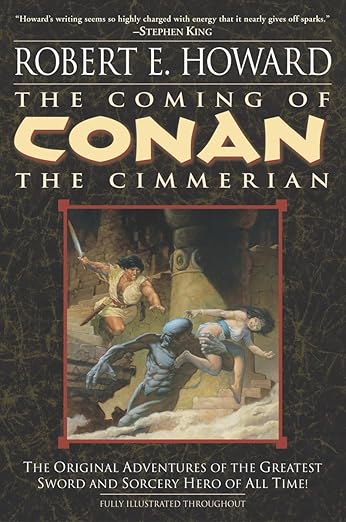
Book Recommendation: “Conan the Barbarian” by Robert E. Howard is a classic example.
Conan’s tales, set in a mythical past, are full of savage battles, eldritch magic, and a relentless fight against formidable foes.
High Fantasy, often synonymous with Epic Fantasy, is set in an entirely fictional world, distinct from our own, filled with its own races, languages, and histories.
These narratives often involve epic quests, battles between good and evil, and a struggle over a singular, world-altering event or series of events.
High Fantasy is known for its intricate world-building, elaborate lore, and the grand scale of its storylines.
Book Recommendation: “The Lord of the Rings” by J.R.R. Tolkien is the quintessential High Fantasy. Set in the mythical world of Middle-earth,
it tells the story of the quest to destroy the One Ring, delving into themes of heroism, sacrifice, and the fight against darkness.
Historical Fantasy blurs the line between the real and the imagined, weaving magic and the supernatural into the fabric of historical events and settings.
This subgenre takes us on a journey through the annals of time, but with an enchanting twist – history as we know it is infused with fantastical elements, mythical creatures, and magical occurrences.
It’s a perfect blend for those who love the richness of history and the allure of fantasy.
Book Recommendation:“Babel” by R. F. Kuang is an exceptional historical fantasy novel for those who appreciate a blend of academic intrigue and magical elements.
Set in the early 19th century, the story unfolds at Oxford University’s fictional Babel Institute, a centre of translation and linguistic scholarship that harbours a dark secret.
“Babel” is particularly recommended for readers who enjoy thought-provoking fantasy with strong ties to real historical events and themes.
Explore the captivating world of underdogs in fantasy literature, where unlikely heroes from Frodo Baggins to Vin take center stage.
Discover how these relatable characters, with their struggles and triumphs, add depth and resonance to fantasy tales, making them more engaging and inspiring for readers.
Hopepunk is characterized by its focus on optimism, kindness, and the fight for positive change.
It stands in contrast to grimdark fantasy, celebrating characters who combat cynicism and despair through acts of compassion, bravery, and resilience.
Hopepunk stories emphasize the power of hope and community as tools to resist and overcome a harsh and oppressive world.
Book Recommendation: “Good Omens” by Neil Gaiman and Terry Pratchett is an excellent representation of Hopepunk.
This novel, blending humor and fantasy, tells the story of an angel and a demon teaming up to prevent the apocalypse.
It’s a tale that combines wit, unlikely friendships, and a heartwarming message about the power of human nature to avert disaster, even when the odds seem insurmountable.
Indian Fantasy, while not widely known by a specific name, encompasses fantasy narratives inspired by the diverse myths, legends, and cultural stories of India.
This subgenre often includes elements from Hindu epics, Indian folklore, and historical settings, blending them with magical and fantastical aspects.
Indian Fantasy is rich with diverse characters, intricate plotlines, and themes deeply rooted in Indian philosophy and spirituality.
Book Recommendation: “The Devourers” by Indra Das is a standout Indian Fantasy novel.
It weaves together Indian folklore and history with a compelling narrative about werewolves, shape-shifters, and a journey that spans centuries.
Sekai, a subgenre originating from Japanese literature and media, revolves around a character being transported, reborn, or trapped in an alternate world or parallel universe.
This world often differs significantly from the character’s original reality, often featuring fantasy or sci-fi elements.
The narrative typically focuses on the protagonist’s adaptation to and exploration of the new world, overcoming challenges, and often fulfilling a particular destiny or quest.
Book Recommendation: “Sword Art Online” by Reki Kawahara is a well-known example of Isekai.
It follows the story of players trapped in a virtual MMORPG (Massively Multiplayer Online Role-Playing Game), blending elements of fantasy, adventure, and technology, as they struggle to survive and escape the game.
Legend/Myth Fantasy takes inspiration from the rich tapestry of global myths, legends, and folklore.
This subgenre reinterprets and reimagines these ancient stories, often giving them new life or a fresh perspective.
Whether it’s through retelling these tales in modern settings or reworking them into new narratives, Legend/Myth Fantasy bridges the gap between the ancient and the contemporary, bringing timeless themes and archetypes into new contexts.
Book Recommendation: “American Gods” by Neil Gaiman is an excellent example.
It brings together deities and mythological beings from various cultures into the modern-day United States, exploring themes of belief, cultural identity, and change.
LGBTQ+ Fantasy is a subgenre that features characters and stories that represent the LGBTQ+ community.
These narratives often explore themes of identity, acceptance, and love, set against the backdrop of fantastical worlds.
By including diverse sexual orientations and gender identities, LGBTQ+ Fantasy offers a more inclusive perspective, reflecting the richness of human experience in the realm of fantasy storytelling.
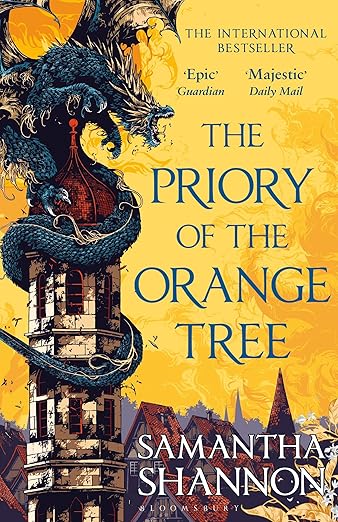
Book Recommendation: “The Priory of the Orange Tree” by Samantha Shannon is an exemplary LGBTQ+ Fantasy novel.
It presents a world rich with dragons, lore, and intrigue, and features a diverse cast of characters, including strong LGBTQ+ representation, interwoven in a tale of conflict, alliance, and romance.
LitRPG (Literary Role Playing Game) is a subgenre where the narrative structure and progression follow the mechanics of a role-playing game (RPG).
These stories often feature characters who are aware they are in a game or a game-like world, complete with leveling up, skill acquisition, and other RPG elements.
The genre appeals to readers who enjoy the intersection of gaming and storytelling, offering a detailed exploration of characters’ progression and the gaming world’s mechanics.
Book Recommendation: “The Land: Founding” by Aleron Kong is a notable LitRPG novel.
It follows the story of a man transported into a fantastical game world, where he must learn to survive and thrive according to the game’s rules, balancing action and character development with the intricacies of RPG elements.
Lost World Fantasy involves the discovery of unknown and hidden civilizations or worlds, often in unexplored regions like jungles, islands, or underground.
These narratives tap into the allure of exploration and the unknown, featuring elements such as ancient societies, exotic creatures, and forgotten lands.
Lost World stories often combine adventure, mystery, and sometimes speculative elements, exploring the consequences and moral dilemmas of encountering these hidden realms.
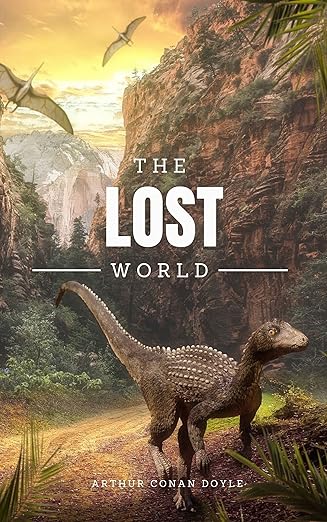
Book Recommendation: “The Lost World” by Sir Arthur Conan Doyle is a seminal work in this genre.
It tells the story of an expedition to a plateau in the Amazon basin where prehistoric animals still exist, exploring themes of adventure, discovery, and the clash between modern world and ancient realms.
Low Fantasy is characterized by its setting in a realistic world, similar to our own, but with the inclusion of magical or supernatural elements.
Unlike High Fantasy, where the story takes place in a completely different world, Low Fantasy weaves its fantastical aspects into familiar, everyday settings.
This genre often explores the impact of the supernatural on ordinary life and typically features more grounded, relatable characters and scenarios.
Book Recommendation: “Pan’s Labyrinth” by Guillermo del Toro and Cornelia Funke, based on the film, is an excellent example of Low Fantasy.
Set in post-Civil War Spain, it tells the story of a young girl who encounters a mysterious labyrinth and a faun who sets her on a fantastical quest, blurring the lines between reality and fantasy.
Magical Realism is a subgenre where magic is woven into the fabric of the real world, presenting a universe that is almost like our own but with an underlying layer of the extraordinary.
Unlike traditional fantasy, Magical Realism often doesn’t involve grand battles between good and evil or epic quests.
Instead, it focuses on everyday experiences and relationships, with elements of magic serving to highlight the surreal and extraordinary aspects of ordinary life.
Book Recommendation: “One Hundred Years of Solitude” by Gabriel García Márquez, previously mentioned, remains a defining work of Magical Realism.
It tells the multi-generational story of the Buendía family in the fictitious town of Macondo, blending the real with the fantastic in a narrative that reflects the political and cultural realities of Latin America.
The Magical Girl subgenre, originating from Japanese media, revolves around characters, typically young girls or teenagers, who possess magical abilities.
These stories often focus on themes of personal growth, friendship, and the battle against evil forces.
The protagonists typically undergo magical transformations to unlock their powers, often while balancing the challenges of their everyday lives.
The genre is known for its positive messages, vibrant storytelling, and the empowerment of its heroines.
Book Recommendation: “Cardcaptor Sakura” by CLAMP is a classic example of the Magical Girl genre.
The manga and its adaptations follow the story of Sakura Kinomoto, a young girl who discovers magical powers and embarks on a quest to retrieve a set of magical cards she accidentally scatters around the world.
Medieval Fantasy draws inspiration from medieval history and is often set in a world similar to our own Middle Ages.
This subgenre features elements such as knights, castles, feudal systems, and often a blend of historical accuracy with fantastical elements like magic and mythical creatures.
It’s a genre that captivates those who are fascinated by the medieval era and its romanticized notions of chivalry and adventure.
Book Recommendation: “The Name of the Wind” by Patrick Rothfuss, earlier mentioned under Epic Fantasy, also embodies elements of Medieval Fantasy.
It’s set in a richly detailed world reminiscent of the Middle Ages, complete with a unique magic system, bards, and ancient lore.
Meta-Modern Fantasy is a relatively new subgenre that blends elements from various literary genres and often includes a self-reflective or metafictional approach.
These narratives might combine fantasy with science fiction, historical fiction, or other genres, creating a multi-layered story that reflects on its own nature.
Meta-Modern Fantasy often explores themes of reality versus illusion and the nature of storytelling itself.
Book Recommendation: “The City We Became” by N.K. Jemisin is an example of Meta-Modern Fantasy.
The novel, which blends urban fantasy and elements of metafiction, explores the idea of a living, sentient New York City, personified by five individuals, challenging conventional fantasy narratives.
Middle-Grade Fantasy is aimed at children aged around 8 to 12 years and often revolves around themes of adventure, friendship, and self-discovery.
These stories feature protagonists who are similar in age to the target audience, allowing readers to identify with their journeys.
The narratives in Middle-Grade Fantasy are more complex than in Children’s Fantasy, often exploring conflicts and challenges that mirror the experiences of tweens as they navigate their own path towards adolescence.
Book Recommendation: “Percy Jackson & The Olympians” series by Rick Riordan is an excellent Middle-Grade Fantasy.
It centers on Percy Jackson, a young demigod, and his adventures in a world where Greek mythology intersects with the modern day, combining action, humor, and themes relevant to middle-grade readers.
Military Fantasy is a subgenre where the focus is on military life, strategy, and warfare within a fantasy setting.
These stories often feature detailed depictions of battles, military cultures, and the experiences of soldiers, interwoven with elements of magic and fantastical races.
It appeals to readers who are intrigued by the tactical and strategic aspects of warfare in a world where the rules of combat are expanded by the presence of magic and mythical beings.
Book Recommendation: “The Black Company” series by Glen Cook is a seminal work in Military Fantasy.
It tells the story of an elite mercenary unit in a gritty, morally complex world, combining the harsh realities of war with dark and compelling magic.
Mythpunk refers to a subgenre that takes traditional myths, folklore, and fairy tales and gives them a new, often subversive twist.
These stories reimagine the familiar narratives, infusing them with modern themes, unconventional storytelling methods, and a punk ethos.
Mythpunk challenges the traditional norms and roles found in ancient myths, offering fresh, sometimes radical perspectives on the stories we thought we knew.
Book Recommendation: “Deathless” by Catherynne M. Valente is an embodiment of Mythpunk.
The novel reinterprets the Russian folktale of Koschei the Deathless, blending it with historical events like the Russian Revolution and World War II, creating a rich, lyrical, and evocative narrative.
Native American Fantasy incorporates elements of Native American myths, legends, and folklore into fantasy narratives.
This genre often explores themes central to Native American cultures, such as a deep connection to the land, spirituality, and the impact of colonialism.
These stories can offer a blend of historical and contemporary settings, presenting a unique perspective on Native American life and mythology.
Book Recommendation: “Trail of Lightning” by Rebecca Roanhorse is a notable example of Native American Fantasy.
The novel is set in a post-apocalyptic world that draws heavily on Navajo mythology, featuring a monster-slaying protagonist navigating a landscape filled with gods and mythological beings.
Nautical Fantasy is a subgenre that combines elements of fantasy with maritime adventures.
These tales are set on the high seas and often feature sailors, pirates, sea monsters, and enchanted islands.
Magic and the supernatural are intertwined with the exploration and adventure of seafaring life.
It’s a genre that captivates with its blend of oceanic lore, swashbuckling action, and fantastical elements, appealing to those who long for tales of the deep and the mysteries it holds.
Book Recommendation: “Liveship Traders” trilogy by Robin Hobb is an excellent example of Nautical Fantasy.
Set in a richly detailed world of trading ships and pirate seas, it tells the story of sentient ships, sea serpents, and complex characters, weaving a tale of magic, commerce, and maritime adventure.
New Weird is a subgenre that blends elements of fantasy, horror, and science fiction to create stories that defy conventional genre boundaries.
Characterized by surreal worlds, bizarre creatures, and complex narratives, New Weird pushes the limits of imagination, often challenging the reader’s perceptions of reality.
It’s a genre for those who revel in the unconventional and seek narratives that are unafraid to explore the strange and the uncanny.
Book Recommendation: “Perdido Street Station” by China Miéville is a prime example of New Weird.
Set in the sprawling, chaotic city of New Crobuzon, it weaves a tale rich with strange beings, arcane sciences, and a pervasive sense of wonder and horror.
Noblebright Fantasy is characterized by its focus on the themes of hope, courage, and the inherent goodness of people.
In these stories, characters strive to do the right thing and make a positive difference in their world.
It’s a counterpoint to Grimdark Fantasy, emphasizing optimism and the possibility of positive change.
Noblebright Fantasy appeals to readers who are looking for uplifting stories where heroes fight against the odds for a cause greater than themselves.
Book Recommendation: “The Deed of Paksenarrion” by Elizabeth Moon is a notable Noblebright Fantasy.
Following the journey of Paksenarrion, a sheepfarmer’s daughter who dreams of being a hero, it’s a tale of honor, bravery, and the struggle for goodness in a world of conflict and danger.
Nobledark Fantasy is a subgenre characterized by its dark, often grim settings, where characters are deeply flawed yet follow a strong moral compass.
In these stories, the world may be bleak or corrupt, but the protagonists strive to uphold their principles and make positive changes, despite the odds and their personal struggles.
It’s a genre that delves into the complexities of morality and integrity in a world that often seems devoid of both.
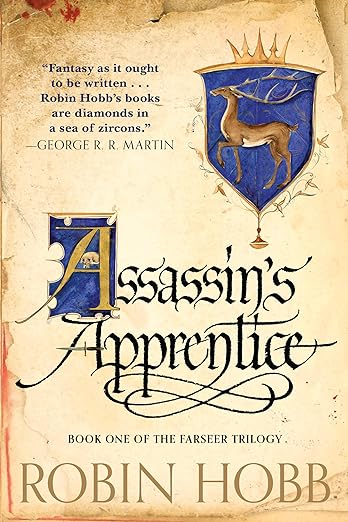
Book Recommendation: The “Farseer Trilogy” by Robin Hobb, as mentioned, is a quintessential example of Nobledark Fantasy.
Following the life of FitzChivalry Farseer, a royal bastard and assassin in a kingdom fraught with intrigue and danger, the series explores themes of loyalty, sacrifice, and the weight of a moral code in a harsh world.
Noir Fantasy is a subgenre that blends the gritty, morally ambiguous characteristics of noir fiction with elements of fantasy.
These stories typically feature hard-boiled detectives, shadowy urban settings, and complex plots involving crime and mystery.
The narratives are often characterized by their cynical tone, morally grey characters, and a focus on the darker aspects of society, all set within a fantastical world.
It follows Vlad Taltos, a human assassin in a world dominated by the Dragaeran Empire, combining elements of crime, espionage, and magic in a setting that blends classic noir with high fantasy.
Norse Fantasy is a subgenre that draws heavily from Norse mythology, Viking history, and Scandinavian folklore.
These stories often feature gods, giants, and legendary heroes, set against the backdrop of the rugged Nordic landscape.
Themes commonly explored in Norse Fantasy include fate, heroism, and the struggle against the supernatural, often intertwined with the gritty and adventurous spirit of Viking culture.
Book Recommendation: “The Hammer and the Cross” series by Harry Harrison and John Holm is an excellent example of Norse Fantasy.
The novels combine historical elements of the Viking era with Norse mythology, creating a richly detailed and immersive world.
Paranormal Fantasy blends elements of the fantastical with the modern world, featuring supernatural beings such as vampires, werewolves, witches, and ghosts.
Set in contemporary settings, these narratives often explore the interaction between the supernatural and the mundane, bringing an element of the uncanny into everyday life.
It’s a genre that captivates those intrigued by the idea of hidden worlds and unexplained phenomena existing alongside the familiar.
Book Recommendation: “The Dresden Files” by Jim Butcher is an excellent entry into Paranormal Fantasy.
Centering on Harry Dresden, a wizard and private investigator in modern-day Chicago, the series weaves together mystery, magic, and the supernatural in an urban setting.
Paranormal Romance is a subgenre where romance is central to the plot and is intertwined with elements of the paranormal or supernatural.
These narratives often feature relationships between humans and supernatural beings like vampires, werewolves, witches, or ghosts.
The stories explore themes of forbidden love, the complexities of relationships between different beings, and the challenges of love in a world where the supernatural is real.
Book Recommendation: “Twilight” series by Stephenie Meyer is a well-known example of Paranormal Romance.
It explores the romantic relationship between a human teenager and a vampire, delving into themes of love, desire, and the supernatural.
Political Fantasy focuses on the drama and intrigue of political power within a fantasy setting.
These stories are driven by the machinations, alliances, betrayals, and strategic maneuverings of individuals or factions vying for power.
Rather than centering on physical battles or quests, Political Fantasy delves into the psychological and tactical aspects of governance and power struggles, often against a backdrop of a richly built fantasy world.
Book Recommendation: “The Goblin Emperor” by Katherine Addison offers an intriguing foray into Political Fantasy.
The novel tells the story of Maia, a half-goblin, half-elf who unexpectedly ascends to the throne of an elven kingdom.
It’s a tale of court intrigue, diplomacy, and the complexities of ruling in a world filled with prejudice, plots, and power struggles.
Portal Fantasy is a subgenre where characters travel from the real world to a fantastical realm, often through a magical doorway or portal.
These narratives typically focus on the protagonist’s journey and adaptation to the new world, which is filled with wonder, danger, and often, a quest or mission.
It’s a genre that captivates with the allure of discovery and the contrast between the familiar and the fantastical.
Book Recommendation: “The Lion, the Witch and the Wardrobe” by C.S. Lewis is a classic example of Portal Fantasy.
It follows the Pevensie siblings as they step through a wardrobe into the magical land of Narnia, embarking on a journey filled with wonder and adventure.
Post-Apocalyptic Fantasy is set in a world that has suffered a catastrophic event, often with magical or supernatural causes.
This subgenre explores themes of survival, the rebuilding of society, and the human spirit’s resilience in the aftermath of a world-altering calamity.
It combines the ruins of a collapsed civilization with fantastical elements, creating a backdrop for stories of endurance, hope, and rebirth.
Book Recommendation: “The Fifth Season” by N.K. Jemisin, part of the “Broken Earth” trilogy, exemplifies this subgenre.
It portrays a world frequently ravaged by cataclysmic events, where certain individuals wield the power to control geological forces, weaving together themes of apocalypse, magic, and societal upheaval.
Progression Fantasy is a subgenre where the main focus is on the protagonist’s growth in power and skill over time.
These stories often include detailed systems for magic or power, with characters progressively unlocking new abilities or levels of strength.
The narrative satisfaction comes from following the character’s journey from relative weakness to significant power, often through training, learning, or overcoming challenges.
Book Recommendation: “Cradle” series by Will Wight is a notable example of Progression Fantasy.
The series follows the story of Lindon, a young man from a low-powered clan, as he embarks on a journey to become more powerful, featuring a well-defined system of progression and magical martial arts.
Pulp Fantasy harks back to the style of the pulp magazines of the early 20th century.
These stories are characterized by their fast pace, sensationalist action, and vivid, sometimes lurid, storytelling.
Pulp Fantasy often features exotic locations, daring heroes, and over-the-top villains.
It’s a genre for those who revel in action-packed adventures and fantastical escapades that prioritize entertainment and escapism.
Book Recommendation: “Conan the Barbarian” by Robert E. Howard is a quintessential Pulp Fantasy.
Conan’s adventures, set in the mythical Hyborian Age, are replete with sword fights, sorcery, and thrilling exploits, embodying the spirit of pulp fiction.
Quest Fantasy is a subgenre centered around a central quest or mission.
These stories typically involve a hero or group of heroes embarking on a journey to achieve a specific goal, whether it’s to retrieve a magical object, save a kingdom, or defeat a formidable villain.
Along the way, they face various challenges and obstacles, both external and internal.
Quest Fantasy is characterized by its narrative structure and the development of its characters through their adventures.
It narrates the journey of Bilbo Baggins, a reluctant hero who joins a group of dwarves on a quest to reclaim their homeland from the dragon Smaug, encountering numerous challenges and transformative experiences along the way.
Roguish Fantasy centers around characters who are typically on the fringes of society, such as thieves, assassins, or con artists.
These protagonists are often antiheroes or morally grey characters, using their wits, charm, and skills to navigate a world that is not black-and-white in terms of morality.
The stories in this subgenre are filled with intrigue, heists, and clever deceptions, appealing to those who enjoy a more nuanced take on the traditional hero’s journey.
Book Recommendation: “The Lies of Locke Lamora” by Scott Lynch is an exemplary work in Roguish Fantasy.
It tells the story of Locke Lamora, a master thief, and his band of con artists, weaving a tale of high-stakes heists, complex characters, and a richly imagined world.
Romantic Fantasy is a subgenre where romance plays a significant, yet not central, role within a broader fantasy narrative.
In these stories, the romantic subplot is woven into the fabric of the main plot, enriching the overall story without overshadowing the fantasy elements.
Characters may experience love and relationships, but these elements complement the larger themes and adventures of the fantasy world.
Book Recommendation: “Uprooted” by Naomi Novik is an excellent example of Romantic Fantasy.
Set in a world inspired by Eastern European folklore, it tells the story of a young woman who becomes entangled with a mysterious wizard and a malevolent forest, with a beautifully developed romantic subplot enhancing the tale.
Silkpunk is a subgenre that blends elements of Asian culture and history with advanced technology and futuristic concepts, similar to how Steampunk combines Victorian-era aesthetics with steam-powered technology.
Silkpunk stories are often set in fantastical versions of ancient China or other parts of Asia, featuring intricate, silk-inspired designs, advanced engineering, and a deep integration of Asian philosophy and art.
This genre presents a unique fusion of the ancient and the futuristic, showcasing a world where traditional Eastern aesthetics meet cutting-edge innovation.
Book Recommendation: “The Grace of Kings” by Ken Liu is a prime example of Silkpunk.
The novel weaves a tapestry of rebellion, intrigue, and epic battles in a setting inspired by historical Asia, complete with inventive technologies and mythical creatures.
Slipstream blurs the boundaries between genres, often merging elements of fantasy, science fiction, and literary fiction.
Characterized by its surreal and dream-like qualities, Slipstream challenges readers’ perceptions of reality and fiction.
It typically eschews conventional narrative structures, instead focusing on the mood and emotional resonance of the story.
Book Recommendation: “Kafka on the Shore” by Haruki Murakami is a notable example of Slipstream.
The novel intertwines the seemingly ordinary with the bizarre and metaphysical, weaving a tale that defies easy categorization and immerses readers in a surreal experience.
Science Fantasy is a subgenre that blends elements of science fiction, particularly space exploration and futuristic technology, with traditional fantasy themes and motifs.
These narratives often take place in outer space or on other planets, featuring advanced technologies alongside magic, mythical beings, and ancient prophecies.
It’s a genre that appeals to those who dream of a universe where the boundaries between science and magic blur.
Book Recommendation: “Star Wars” novels, set in the iconic “Star Wars” universe, are classic examples of Science Fantasy.
They combine elements of space opera with mystical forces like the Force, intergalactic politics, and epic battles between good and evil.
Science fiction, often abbreviated as sci-fi, explores imaginative concepts primarily influenced by scientific discoveries, space exploration, time travel, parallel universes, and futuristic technology.
This genre often questions the potential consequences of scientific and other innovations, and has been called a “literature of ideas.”
Sci-fi typically deals with imaginative and futuristic concepts, such as advanced science and technology, space exploration, time travel, parallel universes, and extraterrestrial life.
Science fiction opens the mind to the endless possibilities of the future, challenging our understanding of science, ethics, and the universe.
Book Recommendation: “I, Robot” by Isaac Asimov is a seminal work in the science fiction genre.
The book, a collection of interconnected short stories, delves into the complexities and ethics of artificial intelligence and robotics.
Asimov’s introduction of the Three Laws of Robotics and his exploration of their implications make “I, Robot” a thought-provoking and foundational text for sci-fi enthusiasts.
Steampunk is characterized by its setting in an alternate history, typically the Victorian era or a similarly industrialized period, where steam-powered technology reigns supreme.
This subgenre incorporates elements of fantasy within a retrofuturistic world, featuring airships, steam engines, and clockwork devices, often combined with magic and adventure.
Steampunk captures the imagination with its unique aesthetic, blending historical settings with imaginative technology and fantastical elements.
Book Recommendation: “The Watchmaker of Filigree Street” by Natasha Pulley offers a compelling foray into the steampunk genre.
Set in Victorian London, the story revolves around a mysterious watchmaker who possesses extraordinary talents. The narrative intertwines elegant clockwork inventions with a thrilling plot, creating an enchanting vision of a steampunk-infused world.
Superhero Fantasy is a subgenre where characters with superhuman abilities or powers are the primary focus.
These narratives often explore themes of heroism, responsibility, and identity, set against a backdrop of both realistic and fantastical elements.
Superhero stories can range from light-hearted and action-packed to dark and introspective, offering a wide array of tales about what it means to wield great power.
Book Recommendation: “Steelheart” by Brandon Sanderson is a novel that delves into Superhero Fantasy.
In a world where people with superpowers, known as Epics, have taken over, it follows a group of ordinary humans seeking to fight back, exploring themes of power, corruption, and heroism.
Sword and Sandal Fantasy, often associated with historical or mythical settings such as ancient Rome, Greece, or Egypt, focuses on epic tales of heroes, gods, and mythical creatures.
This genre is characterized by its emphasis on heroic adventures, battles, and a romanticized portrayal of the ancient world.
Sword and Sandal narratives often involve quests, legendary battles, and the interplay of human characters with gods or mythical beings.
Book Recommendation: “The Song of Achilles” by Madeline Miller is a standout in this genre.
Reimagining the story of Achilles and the Trojan War, the novel combines the elements of ancient myths with a powerful narrative of love, war, and destiny.
Sword and Sorcery is a subgenre that focuses on action-packed, fast-paced stories featuring a combination of sword-wielding heroes and arcane magic.
These narratives often revolve around personal quests, battles against dark sorcerers or monsters, and the exploration of mysterious, often ancient, worlds.
The emphasis is on thrilling adventure and the protagonist’s physical and magical prowess, rather than complex political intrigue or elaborate world-building.
Book Recommendation: The “Conan the Barbarian” series by Robert E. Howard, also mentioned under Pulp Fantasy, is a classic example of Sword and Sorcery.
These tales, set in the fictional Hyborian Age, follow the adventures of Conan, a warrior who faces formidable foes and supernatural threats with his strength and wit.
Sword and Soul is a subgenre of fantasy that is heavily inspired by African cultures, history, and mythology.
It often features epic tales of warriors, magic, and adventure set in landscapes reminiscent of various African regions.
These narratives combine elements of traditional African storytelling with classic fantasy themes, often highlighting heroic quests, battles, and the exploration of complex societies and spiritual worlds.
Book Recommendation: “Imaro” by Charles R. Saunders is a pioneering work in the Sword and Soul genre.
The series follows the adventures of Imaro, a warrior born into a fictional version of ancient Africa, blending elements of African history and mythology with sword and sorcery.
Technofantasy is a subgenre where elements of advanced technology and traditional fantasy coexist.
Unlike Science Fiction, where the fantastical elements are often explained through science, Technofantasy embraces the coexistence of technology and magic as integral parts of the world-building.
This genre explores how magic and technology interact, complement, and conflict with each other, often leading to unique and imaginative societies.
Book Recommendation: “The City & The City” by China Miéville is a fine example of Technofantasy.
Though primarily known as a weird fiction novel, it incorporates elements of Technofantasy through its setting in two overlapping cities with distinct cultures and technologies, exploring themes of perception, coexistence, and the unseen boundaries within society.
Urban Fantasy is set in contemporary, often urban, settings and integrates magical and supernatural elements into the real world.
These narratives typically involve characters who discover or interact with a hidden magical world or beings within a modern cityscape.
The genre often explores themes of coexistence and conflict between the magical and mundane worlds.
Book Recommendation: “Neverwhere” by Neil Gaiman is a standout in Urban Fantasy.
Set in a hidden, fantastical London beneath the streets of the real city, it tells the story of Richard Mayhew, who finds himself entangled in this mysterious and dangerous underworld after helping a wounded girl.
Visionary Fantasy is characterized by its emphasis on spiritual, mystical, or inner experiences.
These narratives often have a dreamlike quality and focus on the characters’ inner journeys or transformations rather than external adventures.
The genre explores themes of consciousness, transcendence, and the exploration of mystical or otherworldly realms that challenge the characters’ perceptions of reality.
Book Recommendation: “Little, Big” by John Crowley is an excellent representation of Visionary Fantasy.
The novel weaves a multigenerational tale that blurs the lines between the real and the fantastical, exploring themes of love, family, and the unseen magic that lies just beyond ordinary perception.
Weird Fiction is a subgenre that blends elements of horror, fantasy, and science fiction to create stories that are characterized by their surreal, unsettling, and often unexplainable nature.
This genre defies conventional genre boundaries, creating a sense of the bizarre and the uncanny.
Weird Fiction often explores themes of existential dread, the supernatural, and the incomprehensible, pushing the limits of the reader’s imagination and perception of reality.
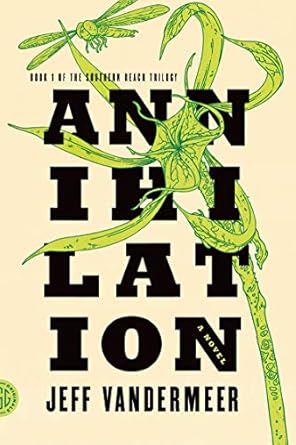
Book Recommendation: “Annihilation” by Jeff VanderMeer, part of the Southern Reach Trilogy, is a compelling example of Weird Fiction.
Set in a mysterious, uninhabited area known as Area X, the novel follows a team of scientists exploring the region, only to encounter inexplicable phenomena that challenge their understanding of nature and reality.
Weird West is a subgenre that combines elements of the Western genre with fantasy, horror, or science fiction.
Set in the American frontier, these stories reimagine the Wild West with supernatural occurrences, fantastical creatures, or otherworldly technology.
The genre blends the ruggedness of Western settings with the imaginative possibilities of fantasy, creating a unique backdrop for tales of adventure and mystery.
Book Recommendation: “The Dark Tower” series by Stephen King is a notable example of Weird West.
Blending elements of fantasy, horror, and Western, it follows the gunslinger Roland Deschain as he travels through a world that is a strange reflection of our own, on a quest to reach the mysterious Dark Tower.
Wuxia, a genre originating from Chinese literature, focuses on the adventures of martial artists in ancient China.
These stories are characterized by their emphasis on martial arts, honor, and chivalrous quests.
The protagonists, often skilled warriors with a strong sense of justice, embark on adventures that involve fighting injustice, protecting the innocent, and achieving personal enlightenment.
Book Recommendation: “The Condor Heroes” series by Jin Yong (Louis Cha) is a classic in the Wuxia genre.
Set in ancient China, it tells the story of martial artists who navigate a world of heroic deeds, love, and conflict, demonstrating extraordinary martial arts skills and upholding the chivalric code.
Xianxia, a subgenre rooted in Chinese folklore and Taoist and Buddhist mythology, revolves around characters seeking immortality and spiritual enlightenment, often through the practice of martial arts and magic.
These narratives typically feature a fantastical version of ancient China, filled with mythical creatures, powerful cultivators, and ancient secrets.
The genre is known for its emphasis on personal growth, moral choices, and the pursuit of ultimate power or enlightenment.
Book Recommendation: “The Coiling Dragon Saga” by I Eat Tomatoes (a pen name for Chinese author Li Hu) is a popular Xianxia novel.
It tells the story of Linley Baruch, a young boy who embarks on a journey to become a powerful Dragonblood Warrior and uncover the secrets of his family’s legacy in a world filled with magic and ancient clans.
Young Adult Fantasy is targeted towards teenagers and deals with themes that are relevant to adolescents, such as identity, romance, and the transition to adulthood.
These narratives often feature more complex plotlines and character development compared to Middle-Grade Fantasy, with protagonists facing challenges that test their morals, beliefs, and resilience.
YA Fantasy frequently explores darker or more mature themes, resonating with the challenges and experiences of teenage life.
Book Recommendation: “The Hunger Games” series by Suzanne Collins is a standout in YA Fantasy.
Set in a dystopian future, it follows the journey of Katniss Everdeen, a young woman who participates in a televised death match, exploring themes of survival, tyranny, and personal integrity.
As we conclude our enchanting exploration through the myriad realms of fantasy subgenres, it’s clear that the world of fantasy literature is as vast and varied as the imaginations that fuel it.
From the dark and mysterious corners of Grimdark and Paranormal Fantasy to the noble and luminous landscapes of Noblebright and High Fantasy, we’ve traversed a universe where magic knows no bounds, and adventure lies around every corner.
We’ve delved into the intricate tapestries of Epic and Political Fantasy, where grand narratives unfold, and the fate of worlds hang in the balance.
We’ve journeyed through the personal and poignant pathways of Coming-of-Age and YA Fantasy, exploring the turbulent waters of adolescence and self-discovery.
Our adventure took us across the high seas of Nautical Fantasy, through the surreal dreamscape of Visionary Fantasy, and into the modern-day enchantments of Urban and Contemporary Fantasy.
Each subgenre, from the action-packed escapades of Sword and Sorcery and Adventure Fantasy to the thought-provoking narratives of Literary and Allegorical Fantasy, has opened doors to new worlds.
We’ve seen the blending of genres in Slipstream, the transcending of reality in Magical Realism, and the fusion of the historical with the fantastical in Alternative History Fantasy.
But our journey doesn’t end here.
The world of fantasy is ever-evolving, with new stories and imaginative worlds constantly emerging from the depths of creative minds.
We invite you, dear readers, to continue this exploration.
Dive into the genres that piqued your interest, discover new authors, and embark on new adventures.
Share Your Favourites
Now, it’s over to you! We encourage you to share your thoughts, your favourite fantasy subgenres, and book recommendations in the comments below.
Which subgenre resonates with you the most? Are there any titles that have captivated you, whisked you away to distant lands, or introduced you to unforgettable characters? Your insights and preferences are invaluable in helping fellow readers discover their next fantasy escape.
Whether you’re a lifelong fan of fantasy or a newcomer to the genre, there’s always a new adventure waiting, a new realm to explore.
So, grab your sword, spellbook, or space helmet, and delve into the boundless worlds of fantasy.
The stories are endless, and each page turn is a doorway to a new adventure. Happy reading!
Comment below with your favourite fantasy subgenres and book recommendations, and let’s keep the magic of fantasy alive in our shared love for storytelling!
Embark on a Viking-inspired fantasy adventure in “The Long Night,” a tale of courage, loyalty, and thrilling action for young adults.
🏹 Embark on a thrilling journey with “The Long Night,” a gripping fantasy short story that combines action, suspense, and a touch of humour. Perfect for young adults and adults alike, this tale will immerse you in a Viking-inspired fantasy world where courage and loyalty are tested.
📖 Story Overview: “The Long Night” follows the adventures of Ragnar and Kest, young warriors-in-training, as they face their rite of passage – the daunting “Long Night” hunting ritual. Their journey takes an unexpected turn with the return of Sven, an exiled boy, who brings with him secrets and plots that threaten their village.
⚔️ Key Themes:
Courage in Adversity: Witness Ragnar and Kest’s bravery as they navigate the challenges of the Long Night and confront unexpected dangers. Loyalty and Betrayal: Explore the complex dynamics of friendship and trust, especially when Sven’s true intentions are revealed. Rite of Passage: Follow the protagonists’ transformation from trainees to warriors in this coming-of-age saga. Action-Packed Battles: Experience heart-pounding action as the village warriors defend against a treacherous raid. Redemption and Honour: Delve into themes of redemption as Ragnar and Kest prove their worth, not just as hunters but as protectors of their people. 🌌 Setting: Get lost in a beautifully crafted Viking-inspired fantasy world, where myths come to life, and ancient rituals define the path to adulthood.
🎬 Why Watch?
For Fantasy Lovers: If you’re a fan of epic fantasy fiction, “The Long Night” offers an exciting and fresh take on the genre. Character-Driven Plot: Engage with well-developed characters whose personal journeys and decisions drive the story forward. Perfect Blend: The story masterfully combines serious, epic tones with moments of light-hearted humour, providing a well-rounded narrative experience. 📌 Join Us: Dive into “The Long Night” and join Ragnar and Kest on their unforgettable adventure. Whether you’re a long-time fantasy enthusiast or new to the genre, this story promises to captivate and inspire.
🔔 Don’t forget to subscribe for more fantasy stories, character analyses, and discussions about the world of fantasy literature. Share your thoughts on the story in the comments below!
Dive into the realm of fantasy literature with these top blogs, offering reviews, news, and insights on beloved authors and emerging tales. Dive deeper now!
Fantasy fiction has exploded in popularity in recent years, with epic tales of magic, monsters and mythical worlds capturing the imagination of readers across the world.
If you can’t get enough of authors like N.K. Jemisin, Robin Hobb, and George R.R. Martin, you’ll want to check out these top fantasy blogs for your regular dose of news, reviews, and commentary from the world of fantasy literature.
Run by the British Fantasy Society, this blog features reviews of new fantasy book releases by British authors and posts from their annual FantasyCon event. It’s a great way to discover new British fantasy writers and series to add to your reading list.
One of the most popular fantasy blogs online, Fantasy Faction features in-depth discussions of all aspects of fantasy, from analyses of magic systems in different novels to debates about tropes and trends in the genre. They also post regular author interviews.
Book lover Kristen runs this blog sharing her passion for fantasy books old and new. She posts thoughtful, in-depth reviews and has a “My Favorite Bit” series highlighting fun excerpts from fantasy novels.
British blogger Adam Whitehead reviews an impressively wide range of fantasy books and shares news about upcoming releases. He also covers fantasy computer games and TV/film adaptations of popular fantasy series.
UK blogger Susan clarifies that she’s “a speculative fiction junkie, not a drug addict!” She writes reviews focused on the young adult fantasy genre but also covers adult and children’s fantasy books, short stories and more.
So check out these top sites to discover your next great fantasy read and connect with fellow fantasy fans online. Just beware of getting sucked into magical digital rabbit holes when you meant to be doing work.
Explore fantasy literature’s unsung heroes—the steadfast sidekicks. From hobbits to wolves, they shape narratives with loyalty, humour, and courage.
Sidekicks & Sundry: Memorable Aides-de-Camp in Fantasy Literature
Fantasy literature, with its entrancing realms and bewitching narratives, has forever been the refuge for those who crave a bit of magical escapism.
But let’s take a moment to tip our proverbial hats to the unsung heroes of these tales—the trusty sidekicks.
They may not always bask in the limelight, but we’d be hard-pressed to imagine our heroes traversing treacherous terrains or vanquishing dastardly villains without them.
Samwise Gamgee (The Lord of the Rings by J.R.R. Tolkien)
We’d be as forgetful as a goldfish to not mention our dear old Sam. This hobbit doesn’t just carry Frodo’s luggage, but on occasion, Frodo himself.
Who needs a GPS when you’ve got Samwise?
Armed with his unyielding loyalty, pot of potatoes (boil ‘em, mash ‘em, stick ‘em in a stew), and the odd heroic monologue, Samwise truly encapsulates the spirit of a fantasy sidekick.
Nighteyes (Farseer Trilogy by Robin Hobb)
Who wouldn’t want a wolf as a sidekick? Nighteyes, with his ancient wisdom and candid observations, steals the show in Robin Hobb’s Farseer Trilogy.
While Fitz might be the royal bastard with assassin skills, it’s Nighteyes who provides the emotional support, humour, and even philosophy.
Fancy a good telepathic chat? Look no further.
Jean Tannen (Gentleman Bastard Sequence by Scott Lynch)
Every con artist needs a reliable partner, and Jean Tannen fits the bill perfectly for Locke Lamora.
Jean isn’t just your token big guy with an axe but a scholar, strategist, and a dab hand at intricate swearing.
He’s the meticulous planner to Locke’s hasty schemes.
His loyalty is as unwavering as his love for fine brandy.
Without Jean, Locke would be as lost as a pirate in a desert.
Bitterblue (Graceling Realm Series by Kristin Cashore)
Introduced as a minor character in ‘Graceling,’ Bitterblue blooms into a steadfast sidekick in ‘Fire’ before seizing the main stage in her titular book.
She might be a queen, but her relentless quest for truth and justice, combined with her pragmatic approach, make her a superb sidekick.
Also, she manages to retain her royal dignity while dealing with mystical nonsense, which is quite a feat, isn’t it?
Tia (Aru Shah Series by Roshani Chokshi)
Tia, the pigeon who’s really a vahana (vehicle of a deity), adds a dash of plucky charm and sass to the Aru Shah Series.
Sure, Aru Shah’s reincarnation as a Pandava is pretty cool, but who can overlook a pigeon who can transmogrify into a flashy car and dispense sage advice, all while looking impeccably stylish?
Asha (The Priory of the Orange Tree by Samantha Shannon)
An epic fantasy by Samantha Shannon, ‘The Priory of the Orange Tree’ introduces us to Asha, a dragon slayer of repute and a steadfast ally.
Asha provides an invigorating contrast to the courtly intrigues with her bluntness, courage, and a healthy dose of dragon-related badassery.
Wayne (Mistborn Series: Alloy of Law by Brandon Sanderson)
Wayne, an expert shapeshifter and quick-witted con artist, adds a dash of levity to the intense world of Brandon Sanderson’s Mistborn series.
Armed with an impressive array of accents, a love for hats, and a bizarre sense of humour, Wayne serves as the perfect foil to the more serious Waxillium.
They’re the dynamic duo of the rough-and-tumble world of the Roughs.
Loial (The Wheel of Time Series by Robert Jordan)
Loial, the Ogier scholar from Robert Jordan’s sprawling ‘Wheel of Time’ series, is as endearing as sidekicks come.
This giant, book-loving, somewhat naïve character offers a softer and often humorous contrast to the tumultuous world around him.
Despite his peaceful nature, Loial is stalwart in his loyalty, proving time and again that there’s more to this gentle giant than meets the eye.
Gurton (The Axe and the Throne by M. D. Ireman)
‘Gruff yet tender-hearted’ could be the motto of Gurton, the loyal sidekick from M. D. Ireman’s ‘The Axe and the Throne.’
With his masterful skills in tracking and survival, Gurton is more than just a supporting player.
His unyielding loyalty and unexpected depths keep the readers engaged and rooting for him.
Sophronia (The Inheritance Trilogy by N.K. Jemisin)
Sophronia, a godling in a child’s form in N.K. Jemisin’s ‘The Inheritance Trilogy’ provides comic relief, poignant moments, and powerful insight.
While she might appear as a playful child, her wisdom and ability to see through deception add layers to her character, making her an unforgettable sidekick.
Finn (The Thief Who Pulled On Trouble’s Braids by Michael McClung)
In Michael McClung’s Amra Thetys series, Finn is the steadfast companion of the titular thief, Amra.
A wizard with a mysterious past, Finn brings a balanced mix of wisdom and levity to the adventure-filled narrative.
His faithfulness to Amra, despite her criminal lifestyle, adds a touching depth to his character.
Minalan’s Familiars (Spellmonger Series by Terry Mancour)
The Spellmonger series introduces us to an unconventional sort of sidekick—a group of magical familiars who assist Minalan the Spellmonger.
These familiars, including a feisty fay, a resourceful raven, and a motherly hawk, each contribute their unique magic and perspective, making Minalan’s adventures a magical delight.
Kestrel (Kings or Pawns by J.J. Sherwood)
Kestrel, a cheeky yet highly skilled thief from the Steps of Power series, serves as an engaging counterpoint to the seriousness of the royal intrigue surrounding him.
His unorthodox methods and quick wit bring a refreshing touch of humour to the narrative, making him a memorable sidekick in this epic tale.
Snickers (Legends of Dimmingwood series by C. Greenwood)
In C. Greenwood’s ‘Legends of Dimmingwood’ series, Snickers might be a squirrel, but he’s a loyal friend and companion to the series’ protagonist, Ilan.
Don’t underestimate this furry little chap—his keen senses and quick reactions often help Ilan out of sticky situations.
Just goes to show, you don’t need to be big to make a big impact.
Bayaz (The First Law Trilogy by Joe Abercrombie)
Bayaz, the First of the Magi in Joe Abercrombie’s ‘The First Law’ Trilogy, may seem like a typical wise old wizard at first glance.
However, his mysterious past, hidden motives, and a decidedly manipulative streak add layers of complexity to his character.
He serves as a guiding light and occasional puppet master to the trilogy’s protagonists, ensuring that the narrative is anything but dull.
Falcio’s Greatcoats (The Greatcoats series by Sebastien de Castell)
Falcio’s companions, Kest and Brasti, in Sebastien de Castell’s ‘The Greatcoats’ series, form a trio that is truly greater than the sum of its parts.
They provide much-needed camaraderie, banter, and support for their leader, Falcio, making their adventures a delightful ride.
Their unwavering loyalty to each other and their shared cause makes them more than sidekicks—they are brothers in arms.
Kip’s Squad (Lightbringer Series by Brent Weeks)
In Brent Weeks’ ‘Lightbringer’ series, Kip’s squad of talented misfits serves as an engaging ensemble of sidekicks.
From the wise-cracking Gunner to the brave and resolute Teia, each member brings unique strengths to the table.
The dynamics within this diverse group are humorous, heartwarming, and at times, heart-wrenching, making them an unforgettable part of Kip’s journey.
Bronn (A Song of Ice and Fire by George R. R. Martin)
Let’s turn to George R. R. Martin’s sprawling saga, ‘A Song of Ice and Fire.’
Bronn, the sellsword who becomes an unlikely sidekick to Tyrion Lannister, is a fan favourite.
His pragmatism, dry humour, and surprising loyalty to Tyrion provide a refreshing contrast to the intrigue-laden world of Westeros.
And who can forget his notable mantra, “I’ll stand for the dwarf?”
Iorek Byrnison (His Dark Materials by Philip Pullman)
In Philip Pullman’s ‘His Dark Materials’, Lyra’s journey wouldn’t be quite the same without the mighty Iorek Byrnison.
The Panserbjørne (armoured bear) adds muscle and an unusual wisdom to Lyra’s quest.
Also, he’s a giant talking bear who can make and mend armour, so he’s ticking quite a few boxes on the cool sidekick checklist.
Tasslehoff Burrfoot (Dragonlance Series by Margaret Weis and Tracy Hickman)
The Dragonlance series introduces us to Tasslehoff Burrfoot, a kender (a race akin to hobbits) whose curiosity and kleptomania often lead to humorous and unexpected situations.
Tasslehoff’s sense of adventure and knack for getting out of sticky situations make him a sidekick to remember.
He’s the kind of fellow who’d ‘borrow’ your keys, wallet, and possibly your socks, but you’d still want him around for his unwavering optimism and courage.
Calcifer (Howl’s Moving Castle by Diana Wynne Jones)
In Diana Wynne Jones’ ‘Howl’s Moving Castle’, the fire demon Calcifer plays a key role as a sidekick.
Calcifer powers the titular castle and aids the young protagonist, Sophie, in her quest to break her curse.
With his sarcastic humour and hints of a deeper, more complex past, Calcifer lights up the narrative—and not just because he’s a literal flame.
Jimmy the Hand (The Riftwar Saga by Raymond E. Feist)
From Raymond E. Feist’s ‘Riftwar Saga’, we have the charming and resourceful Jimmy the Hand.
This master thief may start as a minor character, but his courage, quick-thinking, and knack for getting in and out of trouble make him an unforgettable sidekick.
Whether he’s navigating the dangerous alleys of Krondor or the intrigues of court, Jimmy proves time and again that a clever mind can be as potent as any sword.
The Luggage (Discworld Series by Terry Pratchett)
Finally, where would a list of sidekicks be without The Luggage from Terry Pratchett’s brilliant Discworld series?
This sentient, multi-legged travel case made of Sapient Pearwood has been a loyal and, shall we say, ‘forceful’ companion to Rincewind the inept wizard.
Unflinchingly loyal, literally eating up foes, and offering an infinite amount of storage, The Luggage redefines the term ‘travel buddy.’
Each of these sidekicks, in their unique ways, enhances the epic narratives they are part of, providing support, camaraderie, humour, and occasionally, a reality check for our heroes. They may not be the ones wearing the crown or sitting on the throne, but their role in shaping the story is just as important, if not more so.
Who are your favourites? Share yours in the comments.
The ancient titan stood in silence, facing the Braun Sea, its shadow etched against the passing glow of Nebel Hafen’s lighthouse. Heinrich Graf strode towards the statue, his head craned back as he gazed up at the steel limbs and clockwork joints. Tiny alchemical lanterns lined the path towards the titan, curving in a gentle swoop across the Meerand Gardens. Heinrich glanced to the side as clouds eddied across the moon.
Heinrich stood before the ravenglass plinth as a hand-sized black wyvern landed on top of the titan’s foot and stretched out its wings. “Waage,” Heinrich said. “Where have you been?”
The wyvern surveyed her surroundings, black eyes glimmering against the lanterns. “Lord Graf, forgive me,” she said, turning to him. “Do you have what I asked for?”
“Are you sure this will work?”
Waage hopped down to the plinth, folding in her wings. “I am confident, my lord.”
Heinrich leaned back, his gaze shifting towards the titan’s mechanical head, its stern brow fixed. “Are you sure we can control this thing?”
“The archives were very specific.”
Stepping back, Heinrich reached into his overcoat and carefully removed two balls of cloth.
“Well, unravel them, then,” Waage snapped.
Heinrich’s eyes narrowed as he unwrapped the cloths, revealing a pair of black orbs. “They’re lighter than they look,” he said, offering them to Waage.
“They are pure ravenglass?” she asked, examining the orbs.
“I…They drink in the light.” He gestured to one of them. “Look how it seems to glow with black.”
The edges of Waage’s lips curled back in what might have been a smile. “Excellent.” She grasped the orb in her mouth, threw her head back, and swallowed.
“What are you doing?”
Waage made for the second orb, but Heinrich snatched it away, bringing it to his chest.
“Answer me, wyvern.”
“I need to carry the orbs, my lord,” she said, dipping her head. A shudder spread across her spine as she coughed up the orb, letting it roll along the ground, sending with it a trail a black saliva. “If we are to do this—”
“Yes, yes,” Heinrich growled, waving a hand. “It’s just…” He shook his head. “We have spent so long—”
“You can trust me, my lord. I want to see you rise to power just as much as you do.”
Heinrich stared down at Waage’s slumped body, her wings spread out from her sides in a submissive gesture. “Of course.” He raised his chin. “Forgive my trepidation. Please, continue.”
Waage bolted forward, her jaws snapping closed over the first orb. Swallowing, she looked up expectantly.
With a slight nod, Heinrich let the second orb roll from his palm and into the wyvern’s mouth. She swallowed, eyes twinkling as she stretched out her wings, black and leathery, flapping them until she rose from the ground, disappearing into the darkness.
“Good luck,” Heinrich muttered. He paced and squinted up at the titan’s head. Waage’s shadow passed as the lighthouse’s alchemical glow flickered by. He rubbed his beard, hands trembling. “Gods be damned.”
After several moments, Waage returned, landing on the titan’s foot.
“Well?” Heinrich asked.
“I placed the orbs.”
“And?”
“My lord, they are ravenglass.”
Heinrich frowned. “Do not talk in riddles, wyvern.”
Waage bowed, flattening her wings. “Ravenglass requires the blood of its creator.”
“How am I supposed to do that?”
“My lord, I require your blood.” Waage looked up with one eye open, her wings still flat.
Heinrich let out an incredulous snort.
“My lord, it is—”
“Wyvern, do not deceive me,” he snapped, raising a hand. “Return the orbs and I will let the blood myself, and then you can return them to their place.”
“Please understand, once enchanted, the orbs will be hotter than a thousand fires. I will not be able to carry them.”
Heinrich held her gaze for a long moment then sighed. “Do it.” Holding out his wrist, he squeezed his eyes shut, clenching his jaw as Waage drove her teeth into his flesh, swallowing his blood, lapping around the wound. “How much do you need?”
Waage did not respond, but kept drinking.
Groaning, Heinrich flicked his wrist and brought his arm up to his mouth, blood streaming from the tiny puncture wound.
With slow steps, Waage unfurled her wings and rose into the darkness.
Heinrich watched, the blood-flow slowing around his wound. He staggered back as the titan’s eyes glowed dull red.
Waage landed on his right shoulder, her claws sharp but delicate. They stared up as the titan’s gears started to turn.
Unable to sleep, Anna Halter gazed across the Braun Sea as the second sun emerged, red and dreamlike. She leaned on her folded arms, idly stroking the mane of a carved unicorn figurine, her fingernails tracing the etched lines that suggested hair. The light from her father’s lighthouse swept across the coastline, the palace shimmering white and green, the giant standing sentry, the harbour’s taverns and shops, the moored ships, and the chain stretching across the bay.
She followed the sweep of the light again, her gaze lingering on the giant. Blinking, she leaned forward, mouth falling open. The giant’s eyes glowed bright yellow. She blinked again, rubbing her eyes.
Pulling the window open, she shivered against the chill breeze, staring at the giant. She waved and the giant’s arm waved back.
Slamming the window shut, she ducked beneath the sill with her back against the wall, as deep, shuddering breaths erupted from her body. She closed her eyes, shaking her head, and peeped back over the ledge.
The giant’s eyes still burned bright and brilliant. She waved her hand again, her arms and legs tingling when the giant moved.
She dropped down to the floor and bit her bottom lip. Grabbing her unicorn, she got up and ran over to the door, taking the spiral stairs up a level, and banged on her father’s door. “Father,” she called, reaching up and rattling the door’s handle. “Wake up.”
Restless grunts came from the other side of the door.
The lock clicked and her father leaned out, led by the spluttering light of a tallow candle, its smoke smelling of cooked pork. “Anna,” he sighed. “Why do you never sleep, child?”
Anna looked down at her unicorn then up at her father, his blond moustache drooping past his lips. “The giant waved at me.”
He shook his head. “Anna, please. Go to sleep.”
“It’s true. It waved at me.”
Looking behind him, he crouched to one knee and reached out to stroke her hair. “I know things have been difficult since your mother died.”
She pulled her unicorn close to her chest. “It’s real.”
He raised a finger, pressing it against her lips. “Shh,” he said. “It was a dream, or it was in your mind.”
Anna looked down at her unicorn and shook her head. “I can show you.”
Yawning, her father ambled back into his chamber and shifted the drapes away from the window. “The first sun is rising soon,” he sighed. “Show me what you must.”
With tiny footsteps, Anna walked to the window, standing on her tiptoes as she pointed towards the giant. “Look. You can see its eyes glow.”
He leaned over her, gazing through the glass for a short moment before turning back inside. “It is but a trick of the light. Perhaps a reflection of the second sun, or the light of the lighthouse.”
“But it waved, father. Look.” She waved her hand, grinning as the giant returned her gesture. “See?” She turned to her father arranging his day clothes on the bed.
“Anna,” he sighed. “Please get ready for the day. I will make us breakfast.”
“But, father—”
“But, nothing,” he snapped.
Anna flinched, staggering back as she pulled her unicorn close, tears welling in her eyes.
“I’m sorry,” he said, his voice softening. He crossed the room and kissed the top of her head.
Heinrich paced before the plinth, rubbing the back of his neck, squinting up at the titan’s glowing eyes. He turned to Waage, a deep line creasing his brow. “I had no part in that.”
Waage swooped in rising circles around the titan before diving towards Heinrich, squawking.
Staggering backwards, Heinrich flapped his hands wildly. “What are you doing?”
“It extended its arm thrice—do not lie to me.” Waage hovered in the air a few feet above him, her wings beating down, slow, bat-like.
The wyvern pecked at his hair. “I warn you. Do not lie to me, my lord. I have your blood in my bones. I can control you if you are lying.”
“Treacherous wyvern,” Heinrich spat. “Why did I trust you?” A quivering passed over his body as the wyvern tugged at his mind, bending his will, twisting his thoughts. “What…are…you…?”
“You are linked and you lie.”
“There is no link,” Heinrich said, shrinking back. He stumbled on an alchemical lantern, the tiny ball shattering into smoke. “I have no control over that thing.” He fell to the ground, head smacking against stone.
Waage looked up at the titan and stopped. “You are not linked. I misjudged you. Forgive me, my lord.” She tilted her head. “But there is a link to someone.”
Eyes widening, Heinrich shifted away from the wyvern, his arms out in front of him. “I promise you, there is no link.”
“Look,” she said, pointing a scaled wing towards the lighthouse.
Heinrich followed her gaze, shaking his head. “I see nothing.”
“Of course,” the wyvern mused. “You do not perceive enchantment as I.” She hopped down to Heinrich’s side, flattening her wings against the ground, her head held low. “The thread extends towards the lighthouse.”
“Do not speak in riddles, wyvern. Say your words.”
“My lord, I feel the titan has latched onto another host, like a duckling latching to the first thing it perceives.”
“But a lighthouse? How can that be? How can a lighthouse exert control? It has no will.”
Waage raised her head and met Heinrich’s gaze. “We must seek the keeper of the lighthouse.”
Anna ran her finger along the unicorn’s mane in an absent motion. She stared at nothing as her father stood over the cooking pot, stirring porridge, flames dancing around its base, sending flickering shadows along the stone walls. Pans hung around him and a sack of turnips sagged half-open at his feet. “Things will get easier, Anna,” he said, looking back at her, his feet shuffling. “These past months have been difficult—for both of us. I am sorry that I haven’t been as close to you as I should.”
“You have the lighthouse, father.” She looked to the window as the first sun soaked the Braun Sea in its yellow glow, its light filling the sky, washing out the second sun’s gloomy brown.
He raised a wooden spoon to his mouth, tasting the porridge.
Anna moved over to the window, gazing across the sea towards the giant, its eyes still fiery, even against the first sun’s burgeoning light. A warmth pushed against the top of her head, pressing down like a hand. It sunk into her, filling her, spreading through her—a tingling, electric sensation passing across her skin, stiffening the tiny hairs on her neck.
Her father’s words came out as an echo, distant.
For a moment, she looked down at a tiny cowering man. A wyvern flapped around her and pecked at her eyes. She stepped forward, her head turning with a slow metallic screech.
She jerked back, tumbling to the floor.
“Anna,” her father said, standing over her. “Anna?”
“Father…I…” She glanced at the window.
He took her by the hand and led her back to her wooden stool, smoothed by time. “This is why you should sleep more,” he said, shaking his head. “Here.” He handed her a clay cup of watered-down ale.
“I…I’m…” She rubbed her head.
“You do not have to eat now. Perhaps you should return to bed. Close your drapes. I will keep the porridge warm and stirred.”
Anna rose to her feet and let out a deep breath. “Yes, father.” She walked over to the door, avoiding the window.
“Your toy,” he said, gesturing to the unicorn.
“Thank you.” She took it and shouldered her way through the doors and up the spiral stairs. With a sigh, she stumbled into her bed chamber.
She dragged a leather shoulder bag from between her bed and side table and tipped its contents onto her blankets.
Turning, she glanced over to the window. A twitching sensation travelled along her arms and legs, running up her spine, the pressing, tingling warmth settling around her forehead. She shook her head as if freeing herself from a spider’s web, and reached for her tabard and leggings, pulling them on before stuffing her unicorn into the bag.
The giant called to her.
Breathing heavily, Anna ran down the stairs, bolting through the door before her father noticed.
A gust of wind from the east struck her, blowing hair across her face. She ran along the cliff’s path, winding down towards the harbour, thick clumps of grass making way for barnacle-coated rocks, their sides slick with seaweed. Foamy waves brushed against the sea wall as tall ships rocked in time with the tides.
Reaching the harbour, she skipped over an iron mooring, ducking past the shopkeepers and innkeepers opening their shutters for the day, and avoided the sailors staggering out of brothels.
The warmth around her head increased, surrounding her with a low, insistent hum. She saw herself from across the harbour, a tiny red-headed girl running through the crowds.
“There,” Waage snapped as the titan’s foot rose and fell, crashing to the ground, freeing itself from the plinth. “It is moving.”
Wide-eyed, on his back, and frozen in place, Heinrich stared up at the titan, his elbows poking into the soil. “I can see it moves,” he managed through gritted teeth.
“Not the titan,” she said, gesturing with her nose towards the harbour. “The enchantment. It moves.” Waage beat her wings, rising into the air.
“What do you see?” Heinrich asked, wobbling to his feet, dirt cascading from his overcoat.
“People are coming. Hundreds of them.”
“Gods be damned. We should leave before questions are asked.”
Waage swooped down, landing on Heinrich’s shoulder. “My lord,” she whispered as the first few men and women entered the gardens, their eyes cast up in wonderment. “Being here will only increase your status in the eyes of Nebel Hafen’s citizens.”
“And what of Count Schultz?”
The wyvern stretched out her wings, raising her chin. “What of him? Only last night—” Waage’s words stopped abruptly.
“Well?”
The titan’s head turned and the crowd gasped. Waage rose into the air, circling above Heinrich. “I see the source of the link.”
Heinrich’s fists clenched. “Show me.”
“You see that little girl with the red hair?”
Anna’s focus drifted from the giant to the flickering wings of a black-scaled wyvern. She tilted her head as the creature stared at her with its deep black eyes, its wings holding it in midair like a marionette.
“The statue has come to life,” a thin man with bright green eyes said, smiling at her. “Let it rise and protect our shores from the Ostreich invaders.”
Reaching into her bag with trembling hands, Anna retrieved her unicorn, holding it close as she made her way through the crowd. She looked between the giant and the wyvern, her teeth biting into her bottom lip, breaking through the skin. The taste of blood filled her mouth.
“What is she carrying?” Heinrich asked, watching the girl as she approached the titan.
“It is inert,” Waage said.
“I will take it.”
“You would take a child’s toy in front of all these people?”
Heinrich tugged at his beard. “I am at an end, wyvern.”
“Perhaps we could take her to your manor, imprison her, and force her to command the titan to your will.”
“You vile, wicked creature.” Heinrich raised a hand to the wyvern. “Wait,” he said, hand dropping. “Take her blood. Control her with your enchantment.”
The wyvern landed on Heinrich’s shoulder, and brushed against his ear. “I can do that. She already has blood at her mouth.”
Anna stopped at the giant’s feet, placing a hand on the front of its big toe. “Hello,” she whispered as floods of warmth washed over her body.
With creaking joints, the giant leaned forward. The crowd jerked back. Some people ran away, while others stared, petrified.
Anna dropped her hand as the black-winged wyvern darted towards her, diving through the air, its wings swept back. She swung the unicorn, missing the wyvern as it tried to land on her head. Brushing it away, she cowered behind the giant’s foot.
She covered her ears, cringing at the wyvern’s squawks and screeches. The creature spiralled into the air and flew at Anna again. This time she crouched low, thrusting the unicorn around her in broad circles, missing the wyvern as it dodged and weaved her attempted strikes. “Leave me alone,” she cried. “Please.”
The sound of tearing metal echoed around her as the giant pivoted on its feet, swung a fist, and connected with the wyvern.
Anna cringed as the wyvern shot across the gardens, rolling into a crumpled, trembling heap in the dirt.
When the hand rested in front of her, she climbed onto its palm, hugging the little finger as the giant lifted her from the ground, raising her to its right shoulder.
Her breath caught in her throat when she looked down at the tiny faces staring up at her as a gust of wind tussled her hair and blew across her skin. She gazed across the rooftops, mouth agape, eyes lingering on her lighthouse across the harbour.
The giant stepped to the right and into the sea, waves crashing against its knees. Anna gripped the giant’s neck as it swayed with each step, seagulls circling around them as the lighthouse grew closer. She held her breath, trembling as she swept her eyes across the bay, taking in the boats and buildings, the shimmering stones of the palace, the crowds gathered on the lawn of Meerand Gardens watching in awe, a smile reaching her eyes. She threw her head back, loosening her grip. “This is glorious,” she cried.
Heinrich moved through the crowd, Waage perched on his shoulder. “Where am I going? This is not my will.”
“Your will is my will, my lord.”
“No, wyvern. You said—” His arms flailed uselessly as he stumbled onto the harbour wall, legs moving without consent, shins and toes stubbing against carts and walls.
“Enough,” Waage snapped. “I have a plan, but I am weakened.”
Sailors regarded him with confused expressions as he moved in fits and starts, feet jerking with each step. A woman selling shellfish jumped backwards, dodging his erratic movements. “Where are you leading me?” he groaned.
“To the lighthouse. That girl is the keeper’s daughter. We must use that knowledge to our advantage.”
Heinrich lurched forward as if being yanked by a rope, toes stubbing against the emerging rocks. “Wyvern, give me my will.”
“We must take that girl.”
“I will come voluntarily,” Heinrich pleaded. “You are hurting my feet and legs, and my shins are bruised and bloody.” He staggered forward, rolling to the ground as the wyvern released the enchantment. “Gahh! You wicked, deceitful creature. I should—” His words stopped, his mouth slamming tight. He mumbled inaudible curses as he clawed at his mouth, trying to pry it open.
“Voluntarily?” the wyvern asked, voice tinged with irony. “You must promise me that you will not try to hurt me.”
Heinrich nodded then gasped as his mouth unsealed. “Vile creature,” he spat.
“Keep your words. We have work to do.” She gestured to the titan striding across the bay, the waves crashing up to its waist. “It appears the girl is taking the titan home. I would like us to be there to greet them.”
Heinrich rose to his feet and brushed his overcoat down. “Why did I let you talk me into this?”
The wyvern marched ahead on spindly legs, following the curve of the rocks towards the lighthouse.
When they arrived, Heinrich rapped on the door with a fist, watching the titan’s approach.
“Yes?” A man with a drooping blond moustache leaned from the door.
“Let us inside. I must speak with you as a matter of urgency.”
The man glanced towards the wyvern and back to Heinrich, a frown knitting his brow. “I am very busy. We have nothing to discuss.”
“Do you know who I am?” Heinrich spat.
“Why, of course. Lord…I’m sorry. You’re the count’s nephew.”
“I am Lord Heinrich Graf.” He raised his chin. “And you are?”
“I am Karl Halter, keeper of the Nebel Hafen lighthouse.”
“You have a daughter?”
Karl’s eyes narrowed. “What is this about?”
“Your daughter has taken something that belongs to me, something very important.” Heinrich cleared his throat.
“My daughter is in her chamber.” Karl brushed his fingers along his moustache, shifting his gaze down to the wyvern. “I’m sorry. I must wish you a good day.”
Heinrich wedged his boot between the door and its frame when Karl tried to close it.
“What is the meaning of this?”
“I am Lord Heinrich Graf—”
“And you have no domain over this lighthouse.” Karl held Heinrich’s gaze, his face growing red. “What is it you believe my daughter has taken?”
“That,” Waage said, pointing to the titan with an outstretched wing.
Anna clung tight as the giant stepped from the sea and onto the rocks, its feet dripping with water and seaweed. Circling gulls called out with desperate squawks.
“There,” she said, pointing to the lighthouse. “You must meet my father.”
The giant followed the path to the lighthouse and Anna froze. “It’s that man,” she said. “And his wyvern.”
Creaking, the giant’s hand rose to its shoulder and waited as Anna clambered on. She laid low, spreading out on all fours as the giant crouched, lowering her to the ground. “Father,” she called, running towards him. “I have a new friend.” She came to an abrupt halt at the sight of the man with the wyvern, breath catching in her chest.
Heinrich grabbed Karl’s throat and thrust him head-first onto the ground.
“What—” Karl gasped.
Placing a boot on Karl’s back, Heinrich folded his arms and smiled at the girl’s approach. “Little girl, we meet again. I trust you remember my wyvern?”
“What are you doing to my father?”
“Anna, run,” Karl called.
“You had no right to take our titan,” the wyvern said. “We slaved over research and sourcing ravenglass, only for you to steal it from us like some common thief.”
Anna glanced behind her and cradled her unicorn. “It chose me. I did nothing.”
Waage hopped onto Karl’s back and frowned at Anna. “Perhaps you need—”
“Waage, Waage,” Heinrich said, his voice softening. “The girl wasn’t to know of our plans.” He turned to Anna. “Were you, Anna?”
“The giant saw me and talked to my mind.”
Heinrich smiled. “You see? All this can be resolved.”
“What do you want?”
“I want to command the titan.”
“I don’t know how it works.”
“You brought it here. All I ask is that you control it on my behalf and…” His voice trailed off and he shrugged. “I suppose I won’t kill your father.”
Anna stared up at Heinrich, wide-eyed. “What should I ask of the giant?”
A broad grin spreads across Heinrich’s face like oil on velvet. “My dear, it is very simple. I need the giant to retrieve Count Schultz from his palace and drop him into the sea, beyond the chains.”
A sharp breath caught in Anna’s throat. “But he will surely drown.”
“Indeed. But I must rule.”
“Anna, don’t,” Karl managed before Heinrich booted him in the side.
“What will it be? Help me or watch as I disembowel your father?”
Anna turned and walked to the giant’s feet, placing a hand against the warm metal.
“Do not agree to this man’s requests,” her father called through gritted teeth. “He is not to be trusted.”
“Father, please. I…I cannot be alone.”
“Where is your mother?” the lord asked. “Perhaps we could speak to her too.”
Anna’s bottom lip trembled. “She has passed on. All I have is my father.” She blinked away a tear.
A mirthless smile curled across the lord’s lips. “You see, Anna? Listen to what your heart is telling you. You do not want to see your father die. How could you live with yourself when you knew you could prevent it? Do you know what happens to orphans?”
A long silence hung in the air before she spoke. “I will assist you,” she said, finally. “But you must release my father.”
“I am a man of my word. If you help me, you will be lavished with gifts and you and your father will want for nought.”
She swallowed and dipped her head. “I agree.”
“Anna, what are you doing?” her father groaned.
Crouching at his side, she placed a hand on his shoulder. “I don’t want you to die.”
“There, there,” the lord said. “See? That wasn’t so hard.”
The giant bent to one knee and rested the back of a hand on the ground. “You should climb on,” Anna suggested, rising to her feet. “It will take you across the bay to the palace.”
The lord glanced at the wyvern. “I’m not so sure—”
“I did it,” Anna said, interrupting. “It was…it was amazing.”
“You’re not afraid are you, my lord?” the wyvern said.
The lord pursed his lips and raised his chin. “I have no fear. This is the day I go down in history.” He clambered onto the giant’s hand and gestured to the wyvern. “Are you coming?”
Anna’s father sat up, rubbing his jaw. “Anna, what are you thinking?”
“I’m doing as the lord asked. I didn’t want to see you hurt, father.”
The wyvern swept its gaze across the sea and waddled with the lord towards the giant’s hand.
“Command this titan,” the lord said. “Take me to the palace.”
Anna licked her lips, pulling her unicorn towards her, knuckles turning pale. She reached out for her father’s hand, watching as the giant lifted the lord to its shoulder. Her father got to his feet, standing at her side, staring at the giant, shaking his head.
The warmth filled her mind and she saw herself through the giant’s eyes.
“This is really quite high up,” Heinrich said, clinging to the titan’s neck. He called out a curse as the titan turned and stepped into the sea. “Gods be damned. We are going to fall.”
“Just hold on,” Waage said. “We will be at the palace before you know it.”
Heinrich let out a deep breath. “It really is high. Very, very high.”
The titan waded through the water, the waves sloshing against its knees.
“This swaying is making me feel woozy.”
“I hope she adjusts the course, we seem to be veering away from the palace.”
“I’m sorry I lied to you, father.”
“You know to tell me if you plan to leave the lighthouse. I thought you were still home.”
“My thoughts were not quite my own.” She glanced up at him and smiled. “You are safe now.”
He tugged at his moustache. “I’m afraid this is only the beginning. Lord Graf is a man who craves power above everything. With that monstrosity at his command and that wyvern whispering in his ear…” He shook his head. “I fear for our future.”
Waves crashed against the titan’s shoulders, sending jets of foam across Heinrich’s feet. “Turn, you foul thing. You’re going the wrong way.”
Waage swung her head around and gestured to shore. “We should make for the harbour.”
“We are too far away. We will both drown.”
Waage stretched out her wings, testing them. “I can glide.” She leaped from Heinrich’s shoulder, catching an updraft and shooting into the air.
“You cursed, retched thing. Come back.” Heinrich scrambled onto the titan’s mouth, clambering up its face as the water rose around him.
He climbed to the top of its head, sobbing as the waves washed over his legs and arms and chest, throwing him beneath the surface and deep beneath the sea.
Waage shuddered when the enchantment between herself and Heinrich snapped. “Cursed imbecile,” she muttered.
Turning in a slow loop, she scanned across the Braun Sea, bubbles marking the titan’s descent.
The End
Join the VIP newsletter
To keep up-to-date with all the latest news in the Ravenglass universe, and to receive free stories set in the word, subscribe to the VIP newsletter today. Visit: subscribepage.com/ravenglass.