Dive into the enchanting world of “Jonathan Strange & Mr Norrell,” where Susanna Clarke seamlessly blends historical Regency Britain with a rich tapestry of magic. Discover how this novel redefines fantasy with its unique mix of history, folklore, and subtle enchantments, captivating readers with its depth and innovation.
In the landscape of fantasy literature, often dominated by tales of distant lands and ancient times, Susanna Clarke’s “Jonathan Strange & Mr Norrell” arrived like a well-mannered gentleman at a barbarians’ banquet.
Set in an alternative 19th-century England where magic is as rare as a sunny day in November, Clarke’s novel reintroduced the fantastical into the drawing rooms and battlefields of Regency Britain with a subtlety and wit as sharp as a cut from a gentleman’s rapier.
A Not-So-Simple Tale of Two Magicians
The novel, a tome hefty enough to stop a door or crush a small goblin, revolves around two contrasting magicians: the cautious and studious Mr Norrell, and the adventurous and impulsive Jonathan Strange.
Their partnership, rivalry, and eventual conflict is less about flashy wand-waving and more about the nuances of power, influence, and the cost of knowledge.
In essence, it’s less a fireworks display and more a slowly burning fuse with an uncertain end.
Magic in the Real World: A New Kind of Spell
Clarke’s vision of magic is as intricate as lacework on a Victorian gown.
It’s a blend of folklore, history, and a painstakingly crafted magical system that makes the reader believe, just for a moment, that the fae might actually be lurking in the English hedgerows.
This integration of magic into a recognisable historical setting was a breath of fresh air – or, more accurately, a breath of musty, book-lined air from an old library.
The Footnotes: Where History Meets Myth
A unique feature of “Jonathan Strange & Mr Norrell” is its footnotes, an academic’s dream, providing a depth and richness to the world that most fantasy novels achieve through less scholarly means.
These footnotes add layers to the story, creating a history that feels as real as any textbook, but considerably more entertaining – unless one finds the Corn Laws particularly gripping.
Influence on Modern Fantasy: A Quiet Revolution
The impact of “Jonathan Strange & Mr Norrell” on modern fantasy has been as profound as it has been subtle.
Clarke’s novel showed that fantasy need not be set in an imaginary land far, far away; it could be nestled in our own history, hiding in the shadows of what we thought we knew.
It inspired a new wave of historical fantasy novels, stories that weave magic into the fabric of real history, inviting readers to look twice at the world around them.
A Lasting Enchantment
Jonathan Strange & Mr Norrell remains a landmark in fantasy literature, a novel that reminded us of the magic lurking in the corners of our own world.
It’s a story that weaves a spell over the reader, as intricate and compelling as the enchantments within its pages.
In the world of fantasy, Clarke’s novel stands as a testament to the power of subtlety and the allure of a well-spun yarn, proving that sometimes the most powerful magic is found not in the thunderous roar of a dragon, but in the whisper of an old book’s pages turning.
Explore the vast world of fantasy subgenres, from epic and urban fantasy to lesser-known realms like mythpunk and silkpunk. Discover the magic, mystery, and diversity of each subgenre in our comprehensive guide.
In th e sprawling, boundless universe of literature, the fantasy genre stands as a bastion of the unbridled imagination, a realm where dragons soar, magic reigns, and the impossible becomes the everyday.
But within this fantastical cosmos lies an intricate tapestry of subgenres, each a unique world unto itself, teeming with its own brand of wonder and darkness.
This post is your lantern in the murky depths of fantasy’s myriad realms, an introduction to the bewildering spectrum of subgenres that await the intrepid reader.
A Spectrum as Vast as Imagination Itself
Fantasy, in its essence, is a genre unconfined by the mundane laws of our reality.
It’s where the constraints of the possible are gleefully tossed aside in favour of the extraordinary.
Yet, within this boundless expanse, a plethora of subgenres have blossomed, each offering a distinct flavour of escapism.
From the epic tales of heroism and villainy that span entire galaxies, to the subtle magic that lurks in the shadows of our own world, fantasy’s spectrum is as diverse as it is captivating.
Embarking on a Literary Quest
Navigating the labyrinth of fantasy subgenres can be akin to a quest of its own – fraught with uncertainty but brimming with the potential for discovery.
Perhaps you’re drawn to the noble struggles and rich world-building of epic fantasy, or maybe the gritty, morally grey landscapes of grimdark beckon you.
Do the enigmatic twists of magical realism intrigue you, or are you entranced by the fusion of the fantastical with the everyday in urban fantasy?
Each subgenre is a new realm to explore, a new adventure to undertake.
More than Just Entertainment
As we embark on this journey together, remember that fantasy is more than mere escapism.
It is a mirror held up to our own world, reflecting our fears, desires, and the unspoken depths of our psyche.
These subgenres, with their myriad tropes and themes, offer us a kaleidoscope through which to view our own reality, each hue as revealing as it is entertaining.
A Guide for the Curious and the Avid
So, whether you are a seasoned traveller in the realms of fantasy or a curious newcomer seeking a path to begin your journey, this series is your guide.
We will delve into the heart of each subgenre, exploring their quintessence and their quirks, and along the way, recommend tomes that exemplify the best (and sometimes the most bizarre) they have to offer.
Prepare yourself for a journey of discovery, where dragons may be more than scaled beasts, and a magic wand can be more than a stick.
In each post, we will unlock the secrets of a different subgenre, helping you find the one – or several – that resonate most deeply with you.
Academy Fantasy is set in a world where education and learning are central, often within a magical school or university.
These narratives focus on young characters who are students of magic or other supernatural elements.
The stories typically explore themes of friendship, rivalry, and the journey of mastering magical skills, set against the backdrop of an academic institution with its own mysteries and traditions.
Book Recommendation: “The Magicians” by Lev Grossman is a notable example of Academy Fantasy.
The novel follows Quentin Coldwater, a high school student who discovers and attends a secret college of magic in New York, delving into the darker and more realistic aspects of magic in an academic setting.
This beloved tale follows the journey of Bilbo Baggins, a reluctant hobbit adventurer, who embarks on a quest to help a group of dwarves reclaim their homeland from the fearsome dragon Smaug, encountering various challenges and wonders along the way.
Afro-Fantasy, also known as African Fantasy, encompasses fantasy narratives that are deeply rooted in African culture and traditions.
This subgenre often incorporates African folklore, mythology, and spiritual beliefs into its storytelling, creating a rich and diverse fantastical world.
Afro-Fantasy provides a wide-ranging exploration of the continent’s cultural heritage, from the deserts of the North to the forests of the Central and the savannas of the South.
Book Recommendation: “Children of Blood and Bone” by Tomi Adeyemi is an acclaimed Afro-Fantasy novel.
Set in the fictional land of Orïsha, it draws on Yoruba mythology to tell a story of oppression, resistance, and the struggle to reclaim magic in a world that has lost it.
While on the surface, it’s a children’s adventure in a magical land, the series is rich with Christian allegory, moral lessons, and reflections on good and evil.
In Alternative History Fantasy, the threads of our real-world history are intricately woven with elements of the fantastical.
This subgenre asks “what if” and explores a world where historical events have taken a different path due to magical or supernatural interventions.
It’s a playground for the imagination, blending the familiar with the enchanting, often leaving us to wonder about the endless possibilities of ‘what could have been’.
Book Recommendation: “Jonathan Strange & Mr Norrell” by Susanna Clarke is a stellar example.
Set in 19th-century England during the Napoleonic Wars, it imagines a world where magic once existed and has returned with two remarkable magicians.
Clarke masterfully blends historical accuracy with a rich, magical lore.
Arthurian Fantasy takes us back to the age of chivalry, where knights, wizards, and the legendary King Arthur reign supreme.
This subgenre is steeped in myth and legend, often reimagining or expanding upon the tales of Camelot, the Holy Grail, and the Knights of the Round Table.
It’s a place where magic is real, honour is the highest currency, and the line between history and legend is wonderfully blurred.
Book Recommendation:“The Once and Future King” by T.H. White offers a brilliant reimagining of the Arthurian legends.
It’s a novel that combines humour, tragedy, and a deep understanding of human nature, all set in the enchanting world of Camelot.
Bangsian Fantasy is a subgenre that focuses on the afterlife, often featuring historical or fictional characters interacting in the realms beyond death.
Named after John Kendrick Bangs, who wrote stories set in Hades, these narratives explore the concept of an afterlife, blending elements of fantasy with philosophical, humorous, or satirical undertones.
Bangsian Fantasy allows for creative freedom in reimagining the afterlife and often includes thought-provoking discussions about life, death, and morality.
Book Recommendation: “The Divine Comedy” by Dante Alighieri, particularly “Inferno,” can be considered an early form of Bangsian Fantasy.
This epic poem takes the reader on a journey through the realms of the afterlife, guided by the ancient poet Virgil, encountering various historical and mythological figures along the way.
Children’s Fantasy is a genre specifically tailored for young children and often includes elements of whimsy, wonder, and magic.
These stories are typically characterized by their simplicity, imaginative settings, and moral lessons.
The narratives are often straightforward, focusing on good versus evil, and are crafted to be accessible and engaging to younger readers, sparking their imagination and often teaching valuable life lessons.
Book Recommendation:“The Tale of Despereaux” by Kate DiCamillo is a charming example of Children’s Fantasy.
It tells the story of a brave little mouse, Despereaux, on a quest to rescue a princess, weaving a tale of bravery, forgiveness, and the power of storytelling.
Choose Your Own Adventure is a subgenre where the reader gets to make decisions that affect the story’s outcome.
These books are written in a second-person point of view, presenting various choices that lead to different paths and endings.
The genre allows readers to become active participants in the narrative, experiencing a unique and personalized adventure each time they read the book.
Book Recommendation: “House of Danger” by R.A. Montgomery is a notable Choose Your Own Adventure book.
It presents a thrilling and mysterious adventure where the reader, playing the role of a detective, navigates through a maze of choices to solve a case.
Comedic Fantasy is characterized by the infusion of humor into a fantasy setting.
These stories often parody classic fantasy tropes or take a more lighthearted, whimsical approach to the genre.
The humour can range from subtle and witty to slapstick and absurd, providing a refreshing contrast to more serious fantasy narratives.
This subgenre is perfect for readers looking for both escapism and a good laugh.
Book Recommendation:“Discworld” series by Terry Pratchett is a brilliant example of Comedic Fantasy.
With its satirical take on fantasy clichés and a quirky, yet deeply philosophical take on life and society, Pratchett’s work is both hilarious and thought-provoking.
Coming-of-Age Fantasy focuses on the growth and development of the protagonist, usually from youth to adulthood.
These narratives are marked by their exploration of themes like self-discovery, the loss of innocence, and the grappling with newfound responsibilities.
It’s a subgenre that resonates deeply, as it mirrors our own journey through the complexities of growing up, albeit in more fantastical settings.
It follows a young boy’s journey from a mundane life into a world of magic, unfolding his destiny along with the trials and tribulations of growing up.
Cosy Fantasy, also known as gentle fantasy, is characterized by its warm, comforting tone, set in worlds where kindness and community prevail.
These stories offer an escape to a more peaceful and heartwarming reality, often featuring quaint villages, magical creatures, and a sense of harmony with nature.
Cosy Fantasy focuses on the joys of simple living, relationships, and the beauty of everyday magic.
Book Recommendation: “The House in the Cerulean Sea” by T.J. Klune fits well into Cosy Fantasy.
This novel tells the story of Linus Baker, a caseworker who oversees the well-being of children in government-run orphanages for magical youth, and his life-changing journey to a mysterious island, filled with warmth, acceptance, and enchanting characters.
Dark Fantasy merges elements of horror and fantasy, creating a world where the atmosphere is as important as the narrative.
It’s characterized by a sense of foreboding, with settings often filled with darkness, decay, and a sense of dread.
In these stories, magic is not just a wondrous force; it’s often tinged with horror.
The lines between good and evil are blurred, giving rise to antiheroes and morally complex characters.
Dark Fantasy is for those who relish the combination of the macabre with the fantastical.
Book Recommendation:“The Witcher” series by Andrzej Sapkowski offers a perfect foray into Dark Fantasy.
Following the story of Geralt of Rivia, a monster hunter in a morally ambiguous world, it combines elements of Slavic mythology, dark magic, and gritty realism.
Detective Fantasy is a subgenre where the plot revolves around a mystery or investigation within a fantasy setting.
These stories blend the intrigue and puzzle-solving aspects of detective fiction with magical and supernatural elements.
The protagonists are often detectives or investigators who use their wits, and sometimes magical abilities, to solve complex cases, uncover secrets, and bring justice in worlds where magic is a part of everyday life.
Book Recommendation: “Rivers of London” by Ben Aaronovitch is a standout work in Detective Fantasy.
The novel introduces Peter Grant, a police constable and apprentice wizard, who investigates supernatural crimes in modern London, skillfully blending police procedural elements with magic and folklore.
Dieselpunk is characterized by its setting in an alternate history, typically inspired by the interwar period, where diesel technology has advanced in unexpected ways.
This genre combines the aesthetics of the 1920s to 1940s with retrofuturistic innovations, creating a world of noirish charm and industrial innovation.
Dieselpunk narratives often explore themes of exploration, rebellion, and conflict, set against a backdrop of jazz, wartime aesthetics, and technological advancements powered by diesel.
Book Recommendation:“Leviathan” by Scott Westerfeld is an excellent foray into Dieselpunk.
Set in an alternate World War I era, it features a blend of fabricated beasts and mechanical walkers, capturing the essence of Dieselpunk with a gripping tale of war and innovation.
Dragon Fantasy is a subgenre where dragons are not just peripheral creatures but central to the story.
These tales often explore the bonds between dragons and humans, the ancient wisdom and primal ferocity of these mythical beasts, and their impact on the worlds they inhabit.
Whether revered, feared, or misunderstood, dragons in these stories are far more than mere monsters; they are complex beings with their own histories, cultures, and roles in the fate of the world.
Book Recommendation: “Eragon” by Christopher Paolini is a notable example.
It tells the story of a young boy and his dragon, exploring themes of destiny, power, and the bond between dragon and rider in a richly detailed fantasy world.
Dying Earth Fantasy is set in worlds facing imminent demise or decay, whether through the exhaustion of resources, the dying of the sun, or other cataclysmic events.
These narratives often carry an elegiac tone, exploring themes of decline, the end of civilizations, and the resilience (or desperation) of those facing the twilight of their worlds.
It’s a subgenre that combines the wonder of fantasy with poignant reflections on mortality and the impermanence of all things.
Book Recommendation:“The Dying Earth” by Jack Vance, which gave the subgenre its name, is a classic choice.
Set in a far future where the sun is dimming, it combines rich language, imaginative landscapes, and a sense of melancholic beauty.
Dystopian Fantasy is a subgenre that combines elements of fantasy with dystopian themes, exploring grim futures where society has often descended into chaos or tyranny.
These narratives typically involve oppressive governments, environmental catastrophes, or other societal breakdowns.
Dystopian Fantasy not only provides thrilling and often dark adventures but also serves as a commentary on current social, political, or ethical issues.
Book Recommendation: “The Handmaid’s Tale” by Margaret Atwood is a seminal work in Dystopian Fantasy.
Set in a totalitarian theocracy where women are subjugated and stripped of their rights, the novel explores themes of power, resistance, and the human spirit in the face of oppression.
Eldritch Fantasy incorporates elements of cosmic horror into fantasy settings, focusing on the unknown and the unimaginable.
This subgenre often explores themes of forbidden knowledge, otherworldly beings, and the insignificance of humanity in the face of incomprehensible cosmic forces.
Eldritch Fantasy evokes a sense of dread and awe, delving into the mysteries that lie beyond the edges of reality.
Book Recommendation: “The Ballad of Black Tom” by Victor LaValle is a notable work in Eldritch Fantasy.
This novella reimagines H.P. Lovecraft’s story “The Horror at Red Hook” from a new perspective, blending elements of cosmic horror with the social realities of 1920s New York, delivering a tale that is both a critique and a tribute to Lovecraft‘s legacy.
Epic Fantasy is perhaps one of the most expansive and immersive subgenres of fantasy.
Characterized by its large scale and grandeur, it typically involves complex world-building, extensive lore, and a cast of characters whose actions have far-reaching consequences.
These narratives often revolve around monumental struggles between good and evil, featuring epic battles, intricate politics, and a depth of historical and cultural detail that creates a rich, believable world.
Book Recommendation: “A Song of Ice and Fire” series by George R.R. Martin, also cited as an example of Grimdark Fantasy, is equally a testament to Epic Fantasy.
With its complex characters, intricate plotlines, and a vast world of warring kingdoms, it epitomizes the grand scale and depth that define this subgenre.
Erotic Fantasy blends the elements of fantasy – magical worlds, mythical creatures, heroic quests – with eroticism and romance.
This subgenre doesn’t shy away from explicit content, instead using it to explore complex themes of desire, power, and the human (or sometimes non-human) experience of love and lust.
It’s a realm where the fantastical becomes sensual, and the sensual, fantastical.
Book Recommendation: “Kushiel’s Dart” by Jacqueline Carey is an excellent foray into this subgenre.
It’s a tale set in a richly detailed world inspired by medieval Europe, weaving political intrigue, mythology, and eroticism in a story of a courtesan spy with a divine gift.
Fables are a classic form of storytelling that use animals, mythical creatures, or inanimate objects as characters to convey moral lessons.
These stories are typically short and straightforward, often ending with a clear moral or ethical lesson.
Fables have been a part of human culture for centuries, crossing cultural boundaries and passing down wisdom through generations.
Book Recommendation: “Aesop’s Fables” is a collection of fables traditionally attributed to Aesop, a slave and storyteller believed to have lived in ancient Greece.
These tales, including classics like “The Tortoise and the Hare” and “The Boy Who Cried Wolf,” are renowned for their simplicity, wit, and profound moral messages.
Fantasy of Manners, often set in a meticulously detailed society, focuses on intricate social hierarchies, etiquette, and witty dialogue.
This subgenre blends elements of fantasy with the social exploration typical of historical and comedy of manners literature.
It emphasizes interpersonal conflicts and romantic intrigues over magical battles or quests, often using its fantastical settings to satirize real-world social structures.
Book Recommendation: “Gormenghast” series by Mervyn Peake is a quintessential example of Fantasy of Manners.
Set in the sprawling, decaying castle of Gormenghast, the series delves into the lives of its eccentric inhabitants, with a focus on the complex social rituals and power struggles within its walls, all portrayed in a richly imaginative and fantastical setting.
Flintlock Fantasy takes us to a world reminiscent of the 17th and 18th centuries, where magic mingles with the smoke of muskets and the clang of swords.
This subgenre combines the historical elements of the Age of Enlightenment with fantasy, resulting in stories filled with complex political intrigues, epic battles, and a distinct sense of grit and realism.
Flintlock Fantasy is for those who enjoy the fusion of historical accuracy, military strategy, and the unexplained mysteries of magic.
Book Recommendation: “The Powder Mage Trilogy” by Brian McClellan is an exemplary series in this subgenre.
It masterfully blends the elements of gunpowder and sorcery, setting up an intriguing world of revolution, war, and gods.
GameLit is a subgenre where the narrative either takes place in a game or the characters are aware they are in a game-like world.
These stories blend traditional fantasy elements with the mechanics and structure of video games, such as level progression, quests, and stats.
It’s a genre that appeals to both gamers and fantasy readers alike, offering a unique blend of storytelling and gaming logic.
Book Recommendation: “Ready Player One” by Ernest Cline is a prime example of GameLit.
Set in a dystopian future where humanity escapes to a virtual reality game, it combines 1980s pop culture references with a thrilling adventure inside the digital world.
Gaslamp Fantasy transports readers to a Victorian or Regency setting where magic and the supernatural are part of the social fabric.
This subgenre is characterized by its historical setting, often featuring gaslit streets, horse-drawn carriages, and strict social mores, all intertwined with elements of magic and fantasy.
It’s a world where the elegance of the past meets the enchantment of the magical, creating a tapestry of intrigue and romance.
Book Recommendation:“Soulless” by Gail Carriger is a delightful foray into Gaslamp Fantasy.
Set in an alternate Victorian England where vampires and werewolves are part of society, it combines wit, romance, and a touch of supernatural mystery.
Grimbright Fantasy is a subgenre where the setting and overall tone are optimistic or noble, similar to Noblebright Fantasy, but the narratives often include darker elements or themes.
In these stories, heroic characters face significant challenges and moral dilemmas in a world that, while fundamentally good or just, is marred by darker forces or events.
The endings of these tales can be tragic or bittersweet, emphasizing the cost of heroism and the complexities of fighting for a just cause in an imperfect world.
Book Recommendation: “The Lions of Al-Rassan” by Guy Gavriel Kay is a fine example of Grimbright Fantasy.
Set in a world inspired by medieval Spain, it tells the story of characters from conflicting cultures finding common ground, set against a backdrop of war and religious conflict, with a focus on heroism and sacrifice.
Grimdark Fantasy is characterized by its dark, gritty, and morally ambiguous tone.
In these narratives, the line between good and evil is not just blurred – it’s often non-existent.
Protagonists in Grimdark Fantasy are typically deeply flawed, and their journeys are marked by violence, complex moral dilemmas, and a general sense of bleakness.
It’s a subgenre that offers a more cynical, unvarnished view of a fantasy world, where happy endings are rare, and the cost of power is often devastating.
Book Recommendation: “The Prince of Nothing” series by R. Scott Bakker is a compelling choice for readers seeking a deep and intricate fantasy experience.
The series is characterized by its complex characters, sophisticated plot, and a dark, brooding atmosphere.
Gothic Fantasy combines elements of fantasy with the moody, atmospheric settings and themes typical of the Gothic genre.
This subgenre often explores dark romanticism, horror, and the supernatural, set against a backdrop of castles, monasteries, and other Gothic settings.
Themes of isolation, madness, and the grotesque are common, often intertwined with a sense of foreboding and the uncanny.
Book Recommendation: “Dracula” by Bram Stoker is a seminal work in Gothic Fantasy.
Set in Transylvania and Victorian England, it epitomizes the Gothic tradition with its dark, eerie atmosphere and themes of forbidden knowledge and otherworldly powers.
Hard Fantasy is a subgenre where the focus is on the internal consistency and logic of the fantasy world.
Similar to Hard Science Fiction, which emphasizes scientific accuracy, Hard Fantasy ensures that all fantastical elements follow a set of defined, logical rules.
This genre appeals to readers who appreciate detailed world-building, well-developed magical systems, and stories where the fantastical elements are as rigorously thought out as they are imaginative.
Book Recommendation: “The Stormlight Archive” series by Brandon Sanderson exemplifies Hard Fantasy.
The series is renowned for its intricate world-building, complex magic systems that follow specific rules, and the depth of its lore and history.
Heroic Fantasy, often synonymous with Sword and Sorcery, centres around the exploits of protagonists, typically warriors or magicians, who embark on quests filled with danger and heroism.
Characterized by its focus on personal battles rather than world-altering events, this subgenre is replete with action, adventure, and a clear demarcation of good versus evil.
It’s a celebration of individual valour and the triumph of the human (or otherwise) spirit against daunting odds.
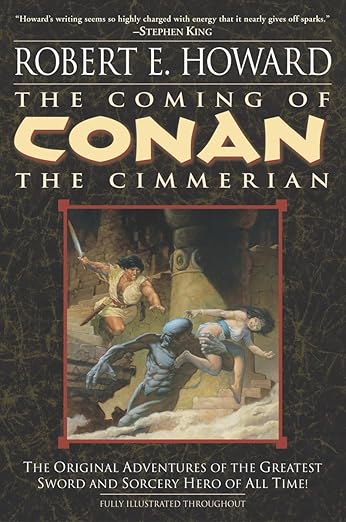
Book Recommendation: “Conan the Barbarian” by Robert E. Howard is a classic example.
Conan’s tales, set in a mythical past, are full of savage battles, eldritch magic, and a relentless fight against formidable foes.
High Fantasy, often synonymous with Epic Fantasy, is set in an entirely fictional world, distinct from our own, filled with its own races, languages, and histories.
These narratives often involve epic quests, battles between good and evil, and a struggle over a singular, world-altering event or series of events.
High Fantasy is known for its intricate world-building, elaborate lore, and the grand scale of its storylines.
Book Recommendation: “The Lord of the Rings” by J.R.R. Tolkien is the quintessential High Fantasy. Set in the mythical world of Middle-earth,
it tells the story of the quest to destroy the One Ring, delving into themes of heroism, sacrifice, and the fight against darkness.
Historical Fantasy blurs the line between the real and the imagined, weaving magic and the supernatural into the fabric of historical events and settings.
This subgenre takes us on a journey through the annals of time, but with an enchanting twist – history as we know it is infused with fantastical elements, mythical creatures, and magical occurrences.
It’s a perfect blend for those who love the richness of history and the allure of fantasy.
Book Recommendation:“Babel” by R. F. Kuang is an exceptional historical fantasy novel for those who appreciate a blend of academic intrigue and magical elements.
Set in the early 19th century, the story unfolds at Oxford University’s fictional Babel Institute, a centre of translation and linguistic scholarship that harbours a dark secret.
“Babel” is particularly recommended for readers who enjoy thought-provoking fantasy with strong ties to real historical events and themes.
Explore the captivating world of underdogs in fantasy literature, where unlikely heroes from Frodo Baggins to Vin take center stage.
Discover how these relatable characters, with their struggles and triumphs, add depth and resonance to fantasy tales, making them more engaging and inspiring for readers.
Hopepunk is characterized by its focus on optimism, kindness, and the fight for positive change.
It stands in contrast to grimdark fantasy, celebrating characters who combat cynicism and despair through acts of compassion, bravery, and resilience.
Hopepunk stories emphasize the power of hope and community as tools to resist and overcome a harsh and oppressive world.
Book Recommendation: “Good Omens” by Neil Gaiman and Terry Pratchett is an excellent representation of Hopepunk.
This novel, blending humor and fantasy, tells the story of an angel and a demon teaming up to prevent the apocalypse.
It’s a tale that combines wit, unlikely friendships, and a heartwarming message about the power of human nature to avert disaster, even when the odds seem insurmountable.
Indian Fantasy, while not widely known by a specific name, encompasses fantasy narratives inspired by the diverse myths, legends, and cultural stories of India.
This subgenre often includes elements from Hindu epics, Indian folklore, and historical settings, blending them with magical and fantastical aspects.
Indian Fantasy is rich with diverse characters, intricate plotlines, and themes deeply rooted in Indian philosophy and spirituality.
Book Recommendation: “The Devourers” by Indra Das is a standout Indian Fantasy novel.
It weaves together Indian folklore and history with a compelling narrative about werewolves, shape-shifters, and a journey that spans centuries.
Sekai, a subgenre originating from Japanese literature and media, revolves around a character being transported, reborn, or trapped in an alternate world or parallel universe.
This world often differs significantly from the character’s original reality, often featuring fantasy or sci-fi elements.
The narrative typically focuses on the protagonist’s adaptation to and exploration of the new world, overcoming challenges, and often fulfilling a particular destiny or quest.
Book Recommendation: “Sword Art Online” by Reki Kawahara is a well-known example of Isekai.
It follows the story of players trapped in a virtual MMORPG (Massively Multiplayer Online Role-Playing Game), blending elements of fantasy, adventure, and technology, as they struggle to survive and escape the game.
Legend/Myth Fantasy takes inspiration from the rich tapestry of global myths, legends, and folklore.
This subgenre reinterprets and reimagines these ancient stories, often giving them new life or a fresh perspective.
Whether it’s through retelling these tales in modern settings or reworking them into new narratives, Legend/Myth Fantasy bridges the gap between the ancient and the contemporary, bringing timeless themes and archetypes into new contexts.
Book Recommendation: “American Gods” by Neil Gaiman is an excellent example.
It brings together deities and mythological beings from various cultures into the modern-day United States, exploring themes of belief, cultural identity, and change.
LGBTQ+ Fantasy is a subgenre that features characters and stories that represent the LGBTQ+ community.
These narratives often explore themes of identity, acceptance, and love, set against the backdrop of fantastical worlds.
By including diverse sexual orientations and gender identities, LGBTQ+ Fantasy offers a more inclusive perspective, reflecting the richness of human experience in the realm of fantasy storytelling.
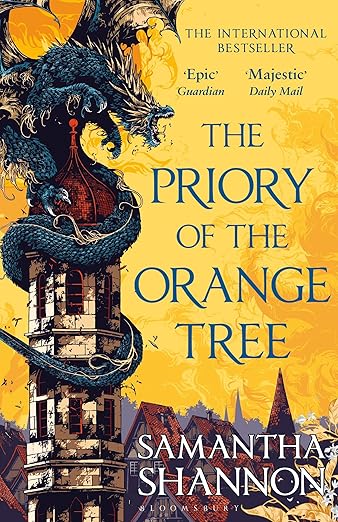
Book Recommendation: “The Priory of the Orange Tree” by Samantha Shannon is an exemplary LGBTQ+ Fantasy novel.
It presents a world rich with dragons, lore, and intrigue, and features a diverse cast of characters, including strong LGBTQ+ representation, interwoven in a tale of conflict, alliance, and romance.
LitRPG (Literary Role Playing Game) is a subgenre where the narrative structure and progression follow the mechanics of a role-playing game (RPG).
These stories often feature characters who are aware they are in a game or a game-like world, complete with leveling up, skill acquisition, and other RPG elements.
The genre appeals to readers who enjoy the intersection of gaming and storytelling, offering a detailed exploration of characters’ progression and the gaming world’s mechanics.
Book Recommendation: “The Land: Founding” by Aleron Kong is a notable LitRPG novel.
It follows the story of a man transported into a fantastical game world, where he must learn to survive and thrive according to the game’s rules, balancing action and character development with the intricacies of RPG elements.
Lost World Fantasy involves the discovery of unknown and hidden civilizations or worlds, often in unexplored regions like jungles, islands, or underground.
These narratives tap into the allure of exploration and the unknown, featuring elements such as ancient societies, exotic creatures, and forgotten lands.
Lost World stories often combine adventure, mystery, and sometimes speculative elements, exploring the consequences and moral dilemmas of encountering these hidden realms.
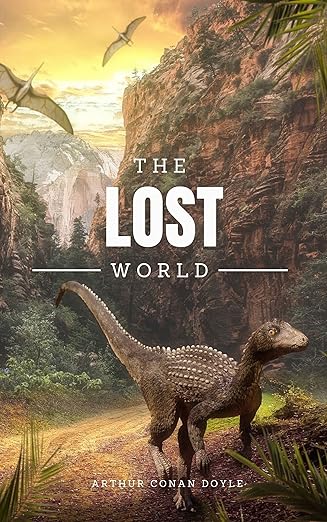
Book Recommendation: “The Lost World” by Sir Arthur Conan Doyle is a seminal work in this genre.
It tells the story of an expedition to a plateau in the Amazon basin where prehistoric animals still exist, exploring themes of adventure, discovery, and the clash between modern world and ancient realms.
Low Fantasy is characterized by its setting in a realistic world, similar to our own, but with the inclusion of magical or supernatural elements.
Unlike High Fantasy, where the story takes place in a completely different world, Low Fantasy weaves its fantastical aspects into familiar, everyday settings.
This genre often explores the impact of the supernatural on ordinary life and typically features more grounded, relatable characters and scenarios.
Book Recommendation: “Pan’s Labyrinth” by Guillermo del Toro and Cornelia Funke, based on the film, is an excellent example of Low Fantasy.
Set in post-Civil War Spain, it tells the story of a young girl who encounters a mysterious labyrinth and a faun who sets her on a fantastical quest, blurring the lines between reality and fantasy.
Magical Realism is a subgenre where magic is woven into the fabric of the real world, presenting a universe that is almost like our own but with an underlying layer of the extraordinary.
Unlike traditional fantasy, Magical Realism often doesn’t involve grand battles between good and evil or epic quests.
Instead, it focuses on everyday experiences and relationships, with elements of magic serving to highlight the surreal and extraordinary aspects of ordinary life.
Book Recommendation: “One Hundred Years of Solitude” by Gabriel García Márquez, previously mentioned, remains a defining work of Magical Realism.
It tells the multi-generational story of the Buendía family in the fictitious town of Macondo, blending the real with the fantastic in a narrative that reflects the political and cultural realities of Latin America.
The Magical Girl subgenre, originating from Japanese media, revolves around characters, typically young girls or teenagers, who possess magical abilities.
These stories often focus on themes of personal growth, friendship, and the battle against evil forces.
The protagonists typically undergo magical transformations to unlock their powers, often while balancing the challenges of their everyday lives.
The genre is known for its positive messages, vibrant storytelling, and the empowerment of its heroines.
Book Recommendation: “Cardcaptor Sakura” by CLAMP is a classic example of the Magical Girl genre.
The manga and its adaptations follow the story of Sakura Kinomoto, a young girl who discovers magical powers and embarks on a quest to retrieve a set of magical cards she accidentally scatters around the world.
Medieval Fantasy draws inspiration from medieval history and is often set in a world similar to our own Middle Ages.
This subgenre features elements such as knights, castles, feudal systems, and often a blend of historical accuracy with fantastical elements like magic and mythical creatures.
It’s a genre that captivates those who are fascinated by the medieval era and its romanticized notions of chivalry and adventure.
Book Recommendation: “The Name of the Wind” by Patrick Rothfuss, earlier mentioned under Epic Fantasy, also embodies elements of Medieval Fantasy.
It’s set in a richly detailed world reminiscent of the Middle Ages, complete with a unique magic system, bards, and ancient lore.
Meta-Modern Fantasy is a relatively new subgenre that blends elements from various literary genres and often includes a self-reflective or metafictional approach.
These narratives might combine fantasy with science fiction, historical fiction, or other genres, creating a multi-layered story that reflects on its own nature.
Meta-Modern Fantasy often explores themes of reality versus illusion and the nature of storytelling itself.
Book Recommendation: “The City We Became” by N.K. Jemisin is an example of Meta-Modern Fantasy.
The novel, which blends urban fantasy and elements of metafiction, explores the idea of a living, sentient New York City, personified by five individuals, challenging conventional fantasy narratives.
Middle-Grade Fantasy is aimed at children aged around 8 to 12 years and often revolves around themes of adventure, friendship, and self-discovery.
These stories feature protagonists who are similar in age to the target audience, allowing readers to identify with their journeys.
The narratives in Middle-Grade Fantasy are more complex than in Children’s Fantasy, often exploring conflicts and challenges that mirror the experiences of tweens as they navigate their own path towards adolescence.
Book Recommendation: “Percy Jackson & The Olympians” series by Rick Riordan is an excellent Middle-Grade Fantasy.
It centers on Percy Jackson, a young demigod, and his adventures in a world where Greek mythology intersects with the modern day, combining action, humor, and themes relevant to middle-grade readers.
Military Fantasy is a subgenre where the focus is on military life, strategy, and warfare within a fantasy setting.
These stories often feature detailed depictions of battles, military cultures, and the experiences of soldiers, interwoven with elements of magic and fantastical races.
It appeals to readers who are intrigued by the tactical and strategic aspects of warfare in a world where the rules of combat are expanded by the presence of magic and mythical beings.
Book Recommendation: “The Black Company” series by Glen Cook is a seminal work in Military Fantasy.
It tells the story of an elite mercenary unit in a gritty, morally complex world, combining the harsh realities of war with dark and compelling magic.
Mythpunk refers to a subgenre that takes traditional myths, folklore, and fairy tales and gives them a new, often subversive twist.
These stories reimagine the familiar narratives, infusing them with modern themes, unconventional storytelling methods, and a punk ethos.
Mythpunk challenges the traditional norms and roles found in ancient myths, offering fresh, sometimes radical perspectives on the stories we thought we knew.
Book Recommendation: “Deathless” by Catherynne M. Valente is an embodiment of Mythpunk.
The novel reinterprets the Russian folktale of Koschei the Deathless, blending it with historical events like the Russian Revolution and World War II, creating a rich, lyrical, and evocative narrative.
Native American Fantasy incorporates elements of Native American myths, legends, and folklore into fantasy narratives.
This genre often explores themes central to Native American cultures, such as a deep connection to the land, spirituality, and the impact of colonialism.
These stories can offer a blend of historical and contemporary settings, presenting a unique perspective on Native American life and mythology.
Book Recommendation: “Trail of Lightning” by Rebecca Roanhorse is a notable example of Native American Fantasy.
The novel is set in a post-apocalyptic world that draws heavily on Navajo mythology, featuring a monster-slaying protagonist navigating a landscape filled with gods and mythological beings.
Nautical Fantasy is a subgenre that combines elements of fantasy with maritime adventures.
These tales are set on the high seas and often feature sailors, pirates, sea monsters, and enchanted islands.
Magic and the supernatural are intertwined with the exploration and adventure of seafaring life.
It’s a genre that captivates with its blend of oceanic lore, swashbuckling action, and fantastical elements, appealing to those who long for tales of the deep and the mysteries it holds.
Book Recommendation: “Liveship Traders” trilogy by Robin Hobb is an excellent example of Nautical Fantasy.
Set in a richly detailed world of trading ships and pirate seas, it tells the story of sentient ships, sea serpents, and complex characters, weaving a tale of magic, commerce, and maritime adventure.
New Weird is a subgenre that blends elements of fantasy, horror, and science fiction to create stories that defy conventional genre boundaries.
Characterized by surreal worlds, bizarre creatures, and complex narratives, New Weird pushes the limits of imagination, often challenging the reader’s perceptions of reality.
It’s a genre for those who revel in the unconventional and seek narratives that are unafraid to explore the strange and the uncanny.
Book Recommendation: “Perdido Street Station” by China Miéville is a prime example of New Weird.
Set in the sprawling, chaotic city of New Crobuzon, it weaves a tale rich with strange beings, arcane sciences, and a pervasive sense of wonder and horror.
Noblebright Fantasy is characterized by its focus on the themes of hope, courage, and the inherent goodness of people.
In these stories, characters strive to do the right thing and make a positive difference in their world.
It’s a counterpoint to Grimdark Fantasy, emphasizing optimism and the possibility of positive change.
Noblebright Fantasy appeals to readers who are looking for uplifting stories where heroes fight against the odds for a cause greater than themselves.
Book Recommendation: “The Deed of Paksenarrion” by Elizabeth Moon is a notable Noblebright Fantasy.
Following the journey of Paksenarrion, a sheepfarmer’s daughter who dreams of being a hero, it’s a tale of honor, bravery, and the struggle for goodness in a world of conflict and danger.
Nobledark Fantasy is a subgenre characterized by its dark, often grim settings, where characters are deeply flawed yet follow a strong moral compass.
In these stories, the world may be bleak or corrupt, but the protagonists strive to uphold their principles and make positive changes, despite the odds and their personal struggles.
It’s a genre that delves into the complexities of morality and integrity in a world that often seems devoid of both.
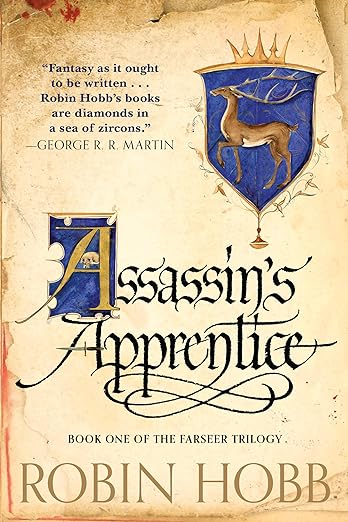
Book Recommendation: The “Farseer Trilogy” by Robin Hobb, as mentioned, is a quintessential example of Nobledark Fantasy.
Following the life of FitzChivalry Farseer, a royal bastard and assassin in a kingdom fraught with intrigue and danger, the series explores themes of loyalty, sacrifice, and the weight of a moral code in a harsh world.
Noir Fantasy is a subgenre that blends the gritty, morally ambiguous characteristics of noir fiction with elements of fantasy.
These stories typically feature hard-boiled detectives, shadowy urban settings, and complex plots involving crime and mystery.
The narratives are often characterized by their cynical tone, morally grey characters, and a focus on the darker aspects of society, all set within a fantastical world.
It follows Vlad Taltos, a human assassin in a world dominated by the Dragaeran Empire, combining elements of crime, espionage, and magic in a setting that blends classic noir with high fantasy.
Norse Fantasy is a subgenre that draws heavily from Norse mythology, Viking history, and Scandinavian folklore.
These stories often feature gods, giants, and legendary heroes, set against the backdrop of the rugged Nordic landscape.
Themes commonly explored in Norse Fantasy include fate, heroism, and the struggle against the supernatural, often intertwined with the gritty and adventurous spirit of Viking culture.
Book Recommendation: “The Hammer and the Cross” series by Harry Harrison and John Holm is an excellent example of Norse Fantasy.
The novels combine historical elements of the Viking era with Norse mythology, creating a richly detailed and immersive world.
Paranormal Fantasy blends elements of the fantastical with the modern world, featuring supernatural beings such as vampires, werewolves, witches, and ghosts.
Set in contemporary settings, these narratives often explore the interaction between the supernatural and the mundane, bringing an element of the uncanny into everyday life.
It’s a genre that captivates those intrigued by the idea of hidden worlds and unexplained phenomena existing alongside the familiar.
Book Recommendation: “The Dresden Files” by Jim Butcher is an excellent entry into Paranormal Fantasy.
Centering on Harry Dresden, a wizard and private investigator in modern-day Chicago, the series weaves together mystery, magic, and the supernatural in an urban setting.
Paranormal Romance is a subgenre where romance is central to the plot and is intertwined with elements of the paranormal or supernatural.
These narratives often feature relationships between humans and supernatural beings like vampires, werewolves, witches, or ghosts.
The stories explore themes of forbidden love, the complexities of relationships between different beings, and the challenges of love in a world where the supernatural is real.
Book Recommendation: “Twilight” series by Stephenie Meyer is a well-known example of Paranormal Romance.
It explores the romantic relationship between a human teenager and a vampire, delving into themes of love, desire, and the supernatural.
Political Fantasy focuses on the drama and intrigue of political power within a fantasy setting.
These stories are driven by the machinations, alliances, betrayals, and strategic maneuverings of individuals or factions vying for power.
Rather than centering on physical battles or quests, Political Fantasy delves into the psychological and tactical aspects of governance and power struggles, often against a backdrop of a richly built fantasy world.
Book Recommendation: “The Goblin Emperor” by Katherine Addison offers an intriguing foray into Political Fantasy.
The novel tells the story of Maia, a half-goblin, half-elf who unexpectedly ascends to the throne of an elven kingdom.
It’s a tale of court intrigue, diplomacy, and the complexities of ruling in a world filled with prejudice, plots, and power struggles.
Portal Fantasy is a subgenre where characters travel from the real world to a fantastical realm, often through a magical doorway or portal.
These narratives typically focus on the protagonist’s journey and adaptation to the new world, which is filled with wonder, danger, and often, a quest or mission.
It’s a genre that captivates with the allure of discovery and the contrast between the familiar and the fantastical.
Book Recommendation: “The Lion, the Witch and the Wardrobe” by C.S. Lewis is a classic example of Portal Fantasy.
It follows the Pevensie siblings as they step through a wardrobe into the magical land of Narnia, embarking on a journey filled with wonder and adventure.
Post-Apocalyptic Fantasy is set in a world that has suffered a catastrophic event, often with magical or supernatural causes.
This subgenre explores themes of survival, the rebuilding of society, and the human spirit’s resilience in the aftermath of a world-altering calamity.
It combines the ruins of a collapsed civilization with fantastical elements, creating a backdrop for stories of endurance, hope, and rebirth.
Book Recommendation: “The Fifth Season” by N.K. Jemisin, part of the “Broken Earth” trilogy, exemplifies this subgenre.
It portrays a world frequently ravaged by cataclysmic events, where certain individuals wield the power to control geological forces, weaving together themes of apocalypse, magic, and societal upheaval.
Progression Fantasy is a subgenre where the main focus is on the protagonist’s growth in power and skill over time.
These stories often include detailed systems for magic or power, with characters progressively unlocking new abilities or levels of strength.
The narrative satisfaction comes from following the character’s journey from relative weakness to significant power, often through training, learning, or overcoming challenges.
Book Recommendation: “Cradle” series by Will Wight is a notable example of Progression Fantasy.
The series follows the story of Lindon, a young man from a low-powered clan, as he embarks on a journey to become more powerful, featuring a well-defined system of progression and magical martial arts.
Pulp Fantasy harks back to the style of the pulp magazines of the early 20th century.
These stories are characterized by their fast pace, sensationalist action, and vivid, sometimes lurid, storytelling.
Pulp Fantasy often features exotic locations, daring heroes, and over-the-top villains.
It’s a genre for those who revel in action-packed adventures and fantastical escapades that prioritize entertainment and escapism.
Book Recommendation: “Conan the Barbarian” by Robert E. Howard is a quintessential Pulp Fantasy.
Conan’s adventures, set in the mythical Hyborian Age, are replete with sword fights, sorcery, and thrilling exploits, embodying the spirit of pulp fiction.
Quest Fantasy is a subgenre centered around a central quest or mission.
These stories typically involve a hero or group of heroes embarking on a journey to achieve a specific goal, whether it’s to retrieve a magical object, save a kingdom, or defeat a formidable villain.
Along the way, they face various challenges and obstacles, both external and internal.
Quest Fantasy is characterized by its narrative structure and the development of its characters through their adventures.
It narrates the journey of Bilbo Baggins, a reluctant hero who joins a group of dwarves on a quest to reclaim their homeland from the dragon Smaug, encountering numerous challenges and transformative experiences along the way.
Roguish Fantasy centers around characters who are typically on the fringes of society, such as thieves, assassins, or con artists.
These protagonists are often antiheroes or morally grey characters, using their wits, charm, and skills to navigate a world that is not black-and-white in terms of morality.
The stories in this subgenre are filled with intrigue, heists, and clever deceptions, appealing to those who enjoy a more nuanced take on the traditional hero’s journey.
Book Recommendation: “The Lies of Locke Lamora” by Scott Lynch is an exemplary work in Roguish Fantasy.
It tells the story of Locke Lamora, a master thief, and his band of con artists, weaving a tale of high-stakes heists, complex characters, and a richly imagined world.
Romantic Fantasy is a subgenre where romance plays a significant, yet not central, role within a broader fantasy narrative.
In these stories, the romantic subplot is woven into the fabric of the main plot, enriching the overall story without overshadowing the fantasy elements.
Characters may experience love and relationships, but these elements complement the larger themes and adventures of the fantasy world.
Book Recommendation: “Uprooted” by Naomi Novik is an excellent example of Romantic Fantasy.
Set in a world inspired by Eastern European folklore, it tells the story of a young woman who becomes entangled with a mysterious wizard and a malevolent forest, with a beautifully developed romantic subplot enhancing the tale.
Silkpunk is a subgenre that blends elements of Asian culture and history with advanced technology and futuristic concepts, similar to how Steampunk combines Victorian-era aesthetics with steam-powered technology.
Silkpunk stories are often set in fantastical versions of ancient China or other parts of Asia, featuring intricate, silk-inspired designs, advanced engineering, and a deep integration of Asian philosophy and art.
This genre presents a unique fusion of the ancient and the futuristic, showcasing a world where traditional Eastern aesthetics meet cutting-edge innovation.
Book Recommendation: “The Grace of Kings” by Ken Liu is a prime example of Silkpunk.
The novel weaves a tapestry of rebellion, intrigue, and epic battles in a setting inspired by historical Asia, complete with inventive technologies and mythical creatures.
Slipstream blurs the boundaries between genres, often merging elements of fantasy, science fiction, and literary fiction.
Characterized by its surreal and dream-like qualities, Slipstream challenges readers’ perceptions of reality and fiction.
It typically eschews conventional narrative structures, instead focusing on the mood and emotional resonance of the story.
Book Recommendation: “Kafka on the Shore” by Haruki Murakami is a notable example of Slipstream.
The novel intertwines the seemingly ordinary with the bizarre and metaphysical, weaving a tale that defies easy categorization and immerses readers in a surreal experience.
Science Fantasy is a subgenre that blends elements of science fiction, particularly space exploration and futuristic technology, with traditional fantasy themes and motifs.
These narratives often take place in outer space or on other planets, featuring advanced technologies alongside magic, mythical beings, and ancient prophecies.
It’s a genre that appeals to those who dream of a universe where the boundaries between science and magic blur.
Book Recommendation: “Star Wars” novels, set in the iconic “Star Wars” universe, are classic examples of Science Fantasy.
They combine elements of space opera with mystical forces like the Force, intergalactic politics, and epic battles between good and evil.
Science fiction, often abbreviated as sci-fi, explores imaginative concepts primarily influenced by scientific discoveries, space exploration, time travel, parallel universes, and futuristic technology.
This genre often questions the potential consequences of scientific and other innovations, and has been called a “literature of ideas.”
Sci-fi typically deals with imaginative and futuristic concepts, such as advanced science and technology, space exploration, time travel, parallel universes, and extraterrestrial life.
Science fiction opens the mind to the endless possibilities of the future, challenging our understanding of science, ethics, and the universe.
Book Recommendation: “I, Robot” by Isaac Asimov is a seminal work in the science fiction genre.
The book, a collection of interconnected short stories, delves into the complexities and ethics of artificial intelligence and robotics.
Asimov’s introduction of the Three Laws of Robotics and his exploration of their implications make “I, Robot” a thought-provoking and foundational text for sci-fi enthusiasts.
Steampunk is characterized by its setting in an alternate history, typically the Victorian era or a similarly industrialized period, where steam-powered technology reigns supreme.
This subgenre incorporates elements of fantasy within a retrofuturistic world, featuring airships, steam engines, and clockwork devices, often combined with magic and adventure.
Steampunk captures the imagination with its unique aesthetic, blending historical settings with imaginative technology and fantastical elements.
Book Recommendation: “The Watchmaker of Filigree Street” by Natasha Pulley offers a compelling foray into the steampunk genre.
Set in Victorian London, the story revolves around a mysterious watchmaker who possesses extraordinary talents. The narrative intertwines elegant clockwork inventions with a thrilling plot, creating an enchanting vision of a steampunk-infused world.
Superhero Fantasy is a subgenre where characters with superhuman abilities or powers are the primary focus.
These narratives often explore themes of heroism, responsibility, and identity, set against a backdrop of both realistic and fantastical elements.
Superhero stories can range from light-hearted and action-packed to dark and introspective, offering a wide array of tales about what it means to wield great power.
Book Recommendation: “Steelheart” by Brandon Sanderson is a novel that delves into Superhero Fantasy.
In a world where people with superpowers, known as Epics, have taken over, it follows a group of ordinary humans seeking to fight back, exploring themes of power, corruption, and heroism.
Sword and Sandal Fantasy, often associated with historical or mythical settings such as ancient Rome, Greece, or Egypt, focuses on epic tales of heroes, gods, and mythical creatures.
This genre is characterized by its emphasis on heroic adventures, battles, and a romanticized portrayal of the ancient world.
Sword and Sandal narratives often involve quests, legendary battles, and the interplay of human characters with gods or mythical beings.
Book Recommendation: “The Song of Achilles” by Madeline Miller is a standout in this genre.
Reimagining the story of Achilles and the Trojan War, the novel combines the elements of ancient myths with a powerful narrative of love, war, and destiny.
Sword and Sorcery is a subgenre that focuses on action-packed, fast-paced stories featuring a combination of sword-wielding heroes and arcane magic.
These narratives often revolve around personal quests, battles against dark sorcerers or monsters, and the exploration of mysterious, often ancient, worlds.
The emphasis is on thrilling adventure and the protagonist’s physical and magical prowess, rather than complex political intrigue or elaborate world-building.
Book Recommendation: The “Conan the Barbarian” series by Robert E. Howard, also mentioned under Pulp Fantasy, is a classic example of Sword and Sorcery.
These tales, set in the fictional Hyborian Age, follow the adventures of Conan, a warrior who faces formidable foes and supernatural threats with his strength and wit.
Sword and Soul is a subgenre of fantasy that is heavily inspired by African cultures, history, and mythology.
It often features epic tales of warriors, magic, and adventure set in landscapes reminiscent of various African regions.
These narratives combine elements of traditional African storytelling with classic fantasy themes, often highlighting heroic quests, battles, and the exploration of complex societies and spiritual worlds.
Book Recommendation: “Imaro” by Charles R. Saunders is a pioneering work in the Sword and Soul genre.
The series follows the adventures of Imaro, a warrior born into a fictional version of ancient Africa, blending elements of African history and mythology with sword and sorcery.
Technofantasy is a subgenre where elements of advanced technology and traditional fantasy coexist.
Unlike Science Fiction, where the fantastical elements are often explained through science, Technofantasy embraces the coexistence of technology and magic as integral parts of the world-building.
This genre explores how magic and technology interact, complement, and conflict with each other, often leading to unique and imaginative societies.
Book Recommendation: “The City & The City” by China Miéville is a fine example of Technofantasy.
Though primarily known as a weird fiction novel, it incorporates elements of Technofantasy through its setting in two overlapping cities with distinct cultures and technologies, exploring themes of perception, coexistence, and the unseen boundaries within society.
Urban Fantasy is set in contemporary, often urban, settings and integrates magical and supernatural elements into the real world.
These narratives typically involve characters who discover or interact with a hidden magical world or beings within a modern cityscape.
The genre often explores themes of coexistence and conflict between the magical and mundane worlds.
Book Recommendation: “Neverwhere” by Neil Gaiman is a standout in Urban Fantasy.
Set in a hidden, fantastical London beneath the streets of the real city, it tells the story of Richard Mayhew, who finds himself entangled in this mysterious and dangerous underworld after helping a wounded girl.
Visionary Fantasy is characterized by its emphasis on spiritual, mystical, or inner experiences.
These narratives often have a dreamlike quality and focus on the characters’ inner journeys or transformations rather than external adventures.
The genre explores themes of consciousness, transcendence, and the exploration of mystical or otherworldly realms that challenge the characters’ perceptions of reality.
Book Recommendation: “Little, Big” by John Crowley is an excellent representation of Visionary Fantasy.
The novel weaves a multigenerational tale that blurs the lines between the real and the fantastical, exploring themes of love, family, and the unseen magic that lies just beyond ordinary perception.
Weird Fiction is a subgenre that blends elements of horror, fantasy, and science fiction to create stories that are characterized by their surreal, unsettling, and often unexplainable nature.
This genre defies conventional genre boundaries, creating a sense of the bizarre and the uncanny.
Weird Fiction often explores themes of existential dread, the supernatural, and the incomprehensible, pushing the limits of the reader’s imagination and perception of reality.
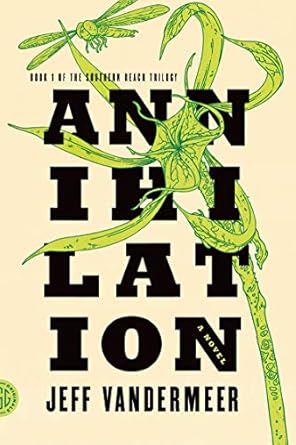
Book Recommendation: “Annihilation” by Jeff VanderMeer, part of the Southern Reach Trilogy, is a compelling example of Weird Fiction.
Set in a mysterious, uninhabited area known as Area X, the novel follows a team of scientists exploring the region, only to encounter inexplicable phenomena that challenge their understanding of nature and reality.
Weird West is a subgenre that combines elements of the Western genre with fantasy, horror, or science fiction.
Set in the American frontier, these stories reimagine the Wild West with supernatural occurrences, fantastical creatures, or otherworldly technology.
The genre blends the ruggedness of Western settings with the imaginative possibilities of fantasy, creating a unique backdrop for tales of adventure and mystery.
Book Recommendation: “The Dark Tower” series by Stephen King is a notable example of Weird West.
Blending elements of fantasy, horror, and Western, it follows the gunslinger Roland Deschain as he travels through a world that is a strange reflection of our own, on a quest to reach the mysterious Dark Tower.
Wuxia, a genre originating from Chinese literature, focuses on the adventures of martial artists in ancient China.
These stories are characterized by their emphasis on martial arts, honor, and chivalrous quests.
The protagonists, often skilled warriors with a strong sense of justice, embark on adventures that involve fighting injustice, protecting the innocent, and achieving personal enlightenment.
Book Recommendation: “The Condor Heroes” series by Jin Yong (Louis Cha) is a classic in the Wuxia genre.
Set in ancient China, it tells the story of martial artists who navigate a world of heroic deeds, love, and conflict, demonstrating extraordinary martial arts skills and upholding the chivalric code.
Xianxia, a subgenre rooted in Chinese folklore and Taoist and Buddhist mythology, revolves around characters seeking immortality and spiritual enlightenment, often through the practice of martial arts and magic.
These narratives typically feature a fantastical version of ancient China, filled with mythical creatures, powerful cultivators, and ancient secrets.
The genre is known for its emphasis on personal growth, moral choices, and the pursuit of ultimate power or enlightenment.
Book Recommendation: “The Coiling Dragon Saga” by I Eat Tomatoes (a pen name for Chinese author Li Hu) is a popular Xianxia novel.
It tells the story of Linley Baruch, a young boy who embarks on a journey to become a powerful Dragonblood Warrior and uncover the secrets of his family’s legacy in a world filled with magic and ancient clans.
Young Adult Fantasy is targeted towards teenagers and deals with themes that are relevant to adolescents, such as identity, romance, and the transition to adulthood.
These narratives often feature more complex plotlines and character development compared to Middle-Grade Fantasy, with protagonists facing challenges that test their morals, beliefs, and resilience.
YA Fantasy frequently explores darker or more mature themes, resonating with the challenges and experiences of teenage life.
Book Recommendation: “The Hunger Games” series by Suzanne Collins is a standout in YA Fantasy.
Set in a dystopian future, it follows the journey of Katniss Everdeen, a young woman who participates in a televised death match, exploring themes of survival, tyranny, and personal integrity.
As we conclude our enchanting exploration through the myriad realms of fantasy subgenres, it’s clear that the world of fantasy literature is as vast and varied as the imaginations that fuel it.
From the dark and mysterious corners of Grimdark and Paranormal Fantasy to the noble and luminous landscapes of Noblebright and High Fantasy, we’ve traversed a universe where magic knows no bounds, and adventure lies around every corner.
We’ve delved into the intricate tapestries of Epic and Political Fantasy, where grand narratives unfold, and the fate of worlds hang in the balance.
We’ve journeyed through the personal and poignant pathways of Coming-of-Age and YA Fantasy, exploring the turbulent waters of adolescence and self-discovery.
Our adventure took us across the high seas of Nautical Fantasy, through the surreal dreamscape of Visionary Fantasy, and into the modern-day enchantments of Urban and Contemporary Fantasy.
Each subgenre, from the action-packed escapades of Sword and Sorcery and Adventure Fantasy to the thought-provoking narratives of Literary and Allegorical Fantasy, has opened doors to new worlds.
We’ve seen the blending of genres in Slipstream, the transcending of reality in Magical Realism, and the fusion of the historical with the fantastical in Alternative History Fantasy.
But our journey doesn’t end here.
The world of fantasy is ever-evolving, with new stories and imaginative worlds constantly emerging from the depths of creative minds.
We invite you, dear readers, to continue this exploration.
Dive into the genres that piqued your interest, discover new authors, and embark on new adventures.
Share Your Favourites
Now, it’s over to you! We encourage you to share your thoughts, your favourite fantasy subgenres, and book recommendations in the comments below.
Which subgenre resonates with you the most? Are there any titles that have captivated you, whisked you away to distant lands, or introduced you to unforgettable characters? Your insights and preferences are invaluable in helping fellow readers discover their next fantasy escape.
Whether you’re a lifelong fan of fantasy or a newcomer to the genre, there’s always a new adventure waiting, a new realm to explore.
So, grab your sword, spellbook, or space helmet, and delve into the boundless worlds of fantasy.
The stories are endless, and each page turn is a doorway to a new adventure. Happy reading!
Comment below with your favourite fantasy subgenres and book recommendations, and let’s keep the magic of fantasy alive in our shared love for storytelling!
Dive into Sebastian de Castell’s ‘Greatcoats’ series, a thrilling blend of swashbuckling adventure, humor, and heart. Explore how this character-driven saga redefines fantasy, merging action with moral complexity.
In the grand realm of fantasy literature, Sebastian de Castell‘s “Greatcoats” series strides in with the swagger of a duelist and the charm of a bard.
This series, with its blend of action, humour, and heart, has not just carved its name in the genre but has done so with a flourish of a rapier and a tip of the hat.
Let’s don our cloaks and delve into the world of the Greatcoats, and explore how they’ve left their mark in the halls of fantasy.
A Tale Well Told: The Greatcoats in a Nutshell
For those who’ve yet to join Falcio, Kest, and Brasti on their adventures, the “Greatcoats” series is set in a world reminiscent of Renaissance Europe, rife with political intrigue, dueling, and a fair dose of magic.
The titular Greatcoats are itinerant magistrates, once revered, now disbanded and disgraced, striving to uphold justice in a corrupt world.
De Castell’s series has reinvigorated the swashbuckling adventure in fantasy.
In an age where dark and gritty narratives have become the norm, the Greatcoats harken back to the classic tales of Dumas, infusing the genre with a sense of adventure and chivalry that’s as refreshing as it is exciting.
It’s a reminder that fantasy can be fun and light-hearted, even while tackling themes of honour, betrayal, and moral ambiguity.
De Castell crafts characters that are not just participants in the story but its very lifeblood. They’re flawed, funny, and profoundly human, making their journeys not just thrilling escapades but emotional odysseys.
This focus on character development has influenced modern fantasy to lean towards more nuanced, character-focused storytelling.
Another significant aspect of the “Greatcoats” series is its exploration of moral complexity.
In a world riddled with corruption and competing ideals, the Greatcoats’ quest for justice is fraught with ethical dilemmas and hard choices.
This grey morality has become increasingly prevalent in fantasy, urging readers and writers to consider the complexities of right and wrong in a world where the lines are often blurred.
A New Direction for Fantasy
The “Greatcoats” series has not just entertained; it’s influenced the trajectory of modern fantasy.
Its blend of action, wit, and moral exploration has shown that fantasy can be both exhilarating and thought-provoking.
The series has paved the way for more stories that combine the thrill of adventure with deep, character-driven narratives.
“Greatcoats” series is a dazzling display of storytelling, a blend of action, humour, and heart that has left an indelible mark on the fantasy genre.
It’s a celebration of the swashbuckling spirit, a reminder that fantasy can be both fun and profound, and a testament to the enduring power of stories that speak to the human condition.
In the world of fantasy, where dragons roam and magic abounds, the Greatcoats stand tall – not just as defenders of justice, but as icons of a genre forever enriched by their tale.
Explore the captivating world of magic systems in fantasy literature. Understand their importance, varieties, evolution, and examples from renowned authors like Tolkien, Le Guin, and Sanderson.
Today, we’re going on a trip to the fantastical realm of magic systems in fantasy, the invisible scaffolding supporting the marvellous spectacles in our beloved enchanting tales.
As ubiquitous as a unicorn in a fairy tale, these systems are the heart and soul of many a fantastical narrative.
What is a Magic System?
A magic system is the set of rules that governs the use of magic in a fantasy world.
Yes, that’s right, even magic—seemingly the epitome of unregulated whimsy—has rules.
Magic systems dictate who can use magic, what they can and cannot do with it, and what consequences follow when they twirl their wand, click their ruby slippers, or utter cryptic phrases (which, for some reason, are often in Latin).
Why are Magic Systems Necessary?
You might ask, “Why bother with all these rules? Isn’t magic meant to be, well, magical?”
Magic systems are not an elaborate scheme to sap the fun out of wizards’ lives.
On the contrary, they give structure and believability to a world.
Imagine watching a Quidditch match where players can score a million points with a wave of their wand.
That would make for a rather short and dull game, wouldn’t it?
Simply put, restrictions breed creativity and tension.
They allow for plot twists, character growth, and most importantly, they keep us, the readers, at the edge of our seats.
After all, where would be the excitement if our hero could simply wave away every dragon, riddling sphinx, or marauding orc army with the flick of a wrist?
The Magical Spectrum: From Mystical to Scientific
Magic systems come in all shapes and sizes, from those shrouded in the mists of mystery to those laid out like a physics textbook.
On the one end of the spectrum, we have Mystical Magic Systems.
These are the systems that maintain an aura of mystery and capriciousness.
They function more like an art than a science, relying heavily on intuition, emotions, or the whims of magical entities.
Rules? Pah! These systems scoff at rules. They are as unpredictable as a box of kittens, and just as likely to change direction without notice.
At the other end, we have Scientific Magic Systems.
These systems have detailed rules and clear limitations.
They’re logical, predictable, and follow consistent principles, much like the laws of physics (well, if physics included spells and potions, of course).
They can make magic feel as commonplace as making a cup of tea, but when done right, they give a sense of realism to the fantastical.
They are to magic what an Ikea manual is to flat-pack furniture— demystifying, useful, but sometimes downright baffling.
Of course, most magic systems fall somewhere in between these two extremes.
They maintain an air of enigma while also keeping a tight leash on magical escapades.
The magic may be mysterious, but its application and limitations are usually well-defined.
In the end, the choice of magic system depends on what serves the story best.
Some tales benefit from the ethereal nature of a mystical system, while others require the rigour of a scientific system.
Just like a good cuppa, it’s all about personal taste and the right blend.
The Evolution of Magic Systems
Magic systems in fantasy literature have evolved from the grand, ambiguous power of the likes of Gandalf to the intricately detailed and logical systems seen in novels like Brandon Sanderson’s “Mistborn” series.
Tolkien’s Influence
In the beginning, there was Tolkien. Now, don’t get me wrong. I’m not implying that J.R.R. was the first to pen fantasy. But let’s face it, his influence on the genre is as immeasurable as the length of a hobbit’s second breakfast.
In “The Lord of the Rings,” magic is as elusive as a straight answer from a politician.
It’s more about a sense of wonder, a mystical force that surrounds wizards, elves, and enchanted objects.
Gandalf, our favourite wizard (sorry, Rincewind), seldom explains his power, and we wouldn’t have it any other way.
Le Guin’s True Names
Then, we have our good friend Ursula K. Le Guin, who introduced us to the wizard Ged in “A Wizard of Earthsea.”
Le Guin’s magic is based on the “True Names” of things.
It’s a bit like having a secret nickname for your toaster that, once uttered, can make it dance the cha-cha.
It’s a more systematic approach than Tolkien’s, yet it still retains a certain enigmatic quality.
Pratchett’s Colourful Chaos
Terry Pratchett took us in a completely different direction in his “Discworld” series.
In this flat world carried on the back of four elephants standing on a giant turtle (yes, you read that correctly), magic is a common and chaotic force, rather like trying to herd cats during a full moon.
Pratchett’s wizards spend more time trying to avoid magic, for fear of the unpredictable effects.
It’s like dealing with a highly caffeinated toddler—you never know what will happen, but it’s certain to be loud and potentially destructive.
The Wheel Turns
Now, let’s take a leap across the pond to our American friends. Robert Jordan’s “Wheel of Time” series presents us with a distinct magic system with a strong gender divide.
Women channel the ‘One Power’ far more safely than men, who risk madness and death.
It’s a bit like asking your partner to control the TV remote—sometimes it’s safer to just do it yourself.
Magic as Science
In more recent times, Brandon Sanderson has become the darling of logical magic systems.
His novels, particularly those in the “Mistborn” series, present magic as a science, with clear rules and limitations.
Sanderson’s “Allomancy” involves ingesting and “burning” different types of metal to gain specific powers.
It’s like a high-stakes version of choosing your breakfast cereal—each one gives you a different kind of boost.
The evolution of magic systems mirror our own changing understanding of the world.
As our knowledge has grown, so too has the complexity and logic of the magic in our favourite novels.
Yet, the sense of wonder remains.
After all, as Arthur C. Clarke said, “Any sufficiently advanced technology is indistinguishable from magic.”
Recommended Reads
Below you’ll find some books with unique magic systems from a range of fantasy sub-genres.
Whether you’re a fan of epic fantasy, or prefer your stories with vampires and werewolves, this list has something for you.
“Mistborn” by Brandon Sanderson
Starting us off, we have Brandon Sanderson’s “Mistborn” series. In this world, magic comes from ingesting bits of metal, a practice known as Allomancy. Better yet, if you can stomach a mix of various metals, you become a Mistborn, capable of wielding extraordinary power. If that’s not a unique take on “You are what you eat,” I don’t know what is.
“The Fifth Season” by N.K. Jemisin
Next, we find ourselves in the world of “The Fifth Season” by N.K. Jemisin. Here, magic is a force of nature, quite literally! The magic system, orogeny, allows certain individuals to manipulate thermal, kinetic, and related forms of energy to prevent and cause earthquakes. It’s like being a living, breathing weather app with the added bonus of earthquake alerts.
“Jonathan Strange & Mr Norrell” by Susanna Clarke
Susanna Clarke’s “Jonathan Strange & Mr Norrell” brings us a magic deeply rooted in British history and folklore, with a library’s worth of fictitious books about magic. It’s a beautifully intricate system where magic is more about knowledge, study, and the ability to argue with a straight face that the colour of your socks affects the potency of your spells.
“The Poppy War” by R.F. Kuang
With R.F. Kuang’s “The Poppy War,” we delve into a magic system inspired by Chinese history and myth. Shamanism allows individuals to access the power of gods, but it comes with a price. It’s a bit like renting your mind to a deity with questionable intentions. Remember to always read the terms and conditions before signing on the dotted line.
“A Darker Shade of Magic” by V.E. Schwab
In V.E. Schwab’s “A Darker Shade of Magic”, we find not one, but four Londons, each with a different relationship to magic. The catch? Only the rare Antari can travel between them. It’s like having a magical Oyster card with unlimited travel. Just mind the gap between Red London and White London!
“The Black Tides of Heaven” by JY Yang
JY Yang’s “The Black Tides of Heaven” presents us with the Tensorate series, where magic, or the Slack, is manipulated through a complex system of elemental sigils. It’s a world where gender fluidity is the norm and the magic system is about as simple as quantum physics.
“Storm Front” by Jim Butcher
If you prefer your magic with a side of detective work, Jim Butcher’s “Dresden Files” series, starting with “Storm Front,” is your cup of tea. Here, wizard Harry Dresden solves magical crimes in Chicago. Magic is as everyday as a cuppa, but with more fireballs. Just remember, don’t tick off the faeries!
“Who Fears Death” by Nnedi Okorafor
Nnedi Okorafor’s “Who Fears Death” gives us a post-apocalyptic Africa where magic is a deeply personal and transformative power. It’s a harrowing but captivating journey. Warning: this book may cause an existential crisis and a sudden urge to explore your own magical abilities.
“The Name of the Wind” by Patrick Rothfuss
In “The Name of the Wind”, Patrick Rothfuss gives us Sympathy, a magic system steeped in scientific principles. It’s the kind of magic system that would make Newton proud, if he wasn’t too busy being miffed about that apple.
“Assassin’s Apprentice” by Robin Hobb
Journeying into the realm of Robin Hobb’s Farseer trilogy, we find the Wit, a deeply intimate and often stigmatised form of magic. It grants the user a telepathic link with animals, lending an altogether different perspective on the phrase ‘walkies’. It’s like being Dr. Dolittle, but with more political intrigue and fewer dancing pushmi-pullyus. Just remember, while talking to your dog about the state of the kingdom, don’t forget his regular scratch behind the ears.
Explore the evolution of epic fantasy from Tolkien’s foundational works to today’s expansive sagas, tracing key authors, series, tropes, and innovations that have shaped the growth of the beloved fantasy genre.
Today, we’ll embark on a journey through the annals of epic fantasy, traversing the vast landscapes of imagination. From the legendary works of J.R.R. Tolkien to the sweeping sagas of Brandon Sanderson, we shall explore the evolution of this beloved genre. So, grab your walking stick, saddle your trusty steed, and let us begin the adventure.
Standing on Tolkien’s shoulders
In the beginning, there was Tolkien. And Tolkien said, “Let there be Middle-earth!” And lo, Middle-earth was born, replete with hobbits, elves, dwarves, and a fearsome Dark Lord. Tolkien’s monumental work, The Lord of the Rings, set the stage for all the epic fantasy that would follow. It was a tale of heroic deeds, grand quests, and a world so rich in detail, you’d think he’d been there himself. But Tolkien’s mastery of world-building and language was not without its consequences. For many years, the epic fantasy genre languished in his mighty shadow, with countless would-be wordsmiths attempting to recreate the magic of Middle-earth. Some reached for the stars, while others, fell rather short of the mark. But a new generation of authors emerged, each bringing their own unique flavour to the table.
The Wardrobe Opens with C.S. Lewis’ The Chronicles of Narnia
In the wake of Middle-earth’s creation by J.R.R. Tolkien, another towering figure in fantasy literature offered readers an invitation to a different kind of epic journey. C.S. Lewis, a close friend and contemporary of Tolkien, crafted a world of magic and adventure accessible through an ordinary wardrobe in his iconic series, The Chronicles of Narnia. While Tolkien endeavoured to craft an detailed, adult-oriented mythology, Lewis’ Narnia aimed to capture the imaginations of children. The Chronicles of Narnia, beginning with “The Lion, the Witch, and the Wardrobe,” introduced readers to a realm where animals talk, witches reign, and battles between good and evil are fought. One of the distinguishing elements of Lewis’ series is the blend of Christian allegory with elements of Greek, Roman, and Norse mythologies, as well as traditional British and Irish fairy tales. Aslan, the lion, is a figure of nobility and sacrifice, whose story arc draws heavily on Christian narratives, while other characters and plot elements borrow from a wide array of mythologies. This synthesis creates a world that is both familiar and fantastical, allowing for complex moral and philosophical explorations within an accessible, adventure-filled narrative. The Chronicles of Narnia demonstrated that epic fantasy could be made accessible and enjoyable to younger readers while still engaging with complex themes and moral questions.
Envisioning the Far Future with Jack Vance’s The Dying Earth
Stretching the temporal dimensions of epic fantasy to their limits, Jack Vance’s The Dying Earth presents a richly detailed world set so far in the future that it teeters on the brink of entropy.
First published in 1950, this collection of loosely connected stories takes place in a time when the sun is nearing the end of its lifespan, casting a perpetual twilight upon an Earth populated by strange creatures and remnants of advanced, forgotten civilisations.
The Dying Earth features vivid world-building, characterised by a mix of fantasy and science fiction elements.
Vance’s far-future Earth is both a playground of advanced technology and a cradle of arcane magics, blurring the line between the two.
His prose is marked by a distinctive, ornate style that lends a sense of antiquity and melancholic beauty to the tales.
Inventive and filled with eccentric characters, Vance’s series was among the first to combine elements of science fiction and fantasy in a single narrative.
Its dystopian portrayal of a dying world and advanced society in decline introduced darker, more complex themes to the genre.
The series also stands out for its influence on magic systems in fantasy literature, with its concept of ‘memorised spells’ having been adapted by several subsequent works and role-playing games.
Jack Vance’s The Dying Earth represents an important milestone in the evolution of epic fantasy.
By envisioning a world so far removed from our present or historical past, Vance expanded the genre’s temporal boundaries and demonstrated the potential of blending speculative genres to create rich, unique worlds.
His influence can be felt in countless later works that blend magic and science, and in those that take place in far-flung futures.
Discovering The Wizard of Earthsea
Published in the late 1960s, Le Guin’s Earthsea Cycle was groundbreaking, blending elements of high fantasy, coming-of-age narrative, and philosophical exploration. Set in the archipelago of Earthsea, the story follows Ged, a young boy with innate magical talent. Le Guin’s Earthsea diverges from many fantasy realms by not focusing on grand battles and quests, but rather the inward journey of its protagonist. Ged’s struggles with his own pride and fear provide a powerful exploration of self-discovery and personal growth. Le Guin’s approach to magic is also worth noting. In Earthsea, magic is based on the idea of balance and understanding the true nature of things, primarily through their ‘true names’. This concept added a layer of depth and spirituality to the genre, reinforcing the idea that power comes with responsibility and often, personal cost. The Wizard of Earthsea’s focus on personal growth and introspection, along with its nuanced treatment of magic, were key milestones in the evolution of epic fantasy. Le Guin’s contribution showed that the genre was capable of tackling deep philosophical ideas and themes of personal identity, sowing seeds that would come to fruition in the works of future generations of fantasy authors.
Navigating Frank Herbert’s Dune
Frank Herbert’s Dune, while often categorised as science fiction, has had a profound influence on the epic fantasy genre. Its detailed world-building, complex political machinations, and exploration of ecology and religion have resonated deeply within the realms of fantasy literature. Dune unfolds on the desert planet Arrakis, the sole source of the universe’s most precious substance, the spice melange. The tale follows young Paul Atreides, who navigates a deadly web of political intrigue and warfare as he comes to terms with his destiny. Dune’s depth of world-building is striking. Herbert creates a universe rich in politics, religion, and ecology, detailing the interactions between various factions vying for control over the spice. This vastness and depth of world-building has become a hallmark of many epic fantasy narratives. Furthermore, the narrative delves into philosophy and the human condition, exploring themes of power, religion, and ecological stewardship. This blending of speculative fiction with complex thematic exploration is a facet that Dune shares with epic fantasy. Dune’s enduring legacy lies in its intricate narrative structure and the depths of its thematic exploration, which have become staples in the epic fantasy genre. It is a benchmark in speculative fiction, illustrating the genre’s potential for depth and complexity. Dune’s influence in the realm of epic fantasy is undeniable, with its contributions helping to shape the genre into its current form.
Soaring with Anne McCaffrey’s Dragonflight
Anne McCaffrey’s Dragonflight, the first book in the Dragonriders of Pern series, is a groundbreaking work that blurs the lines between science fiction and fantasy, making a lasting impact on the landscape of epic fantasy. Dragonflight introduces readers to the world of Pern, a colonised planet where the inhabitants have bio-engineered dragons to combat an alien spore, called Thread, that periodically rains down from the sky. McCaffrey’s world is one where traditional fantasy elements, such as dragons and telepathy, meld with science fiction concepts, including space travel and genetic manipulation. The narrative centres around Lessa, a young woman who forms a psychic bond with the dragon queen Ramoth, becoming a key player in Pern’s survival against the Thread. McCaffrey’s use of a strong, complex female protagonist, a rarity in the genre at the time of the book’s publication, has had a lasting impact on epic fantasy, paving the way for increased gender diversity in the genre. Dragonflight’s blend of science fiction and fantasy elements marked a departure from traditional epic fantasy tropes, expanding the genre’s boundaries. McCaffrey’s distinctive fusion of genres, combined with her focus on character-driven narrative, opened new avenues for thematic and narrative exploration within epic fantasy.
Unsheathing The Sword of Shannara
Making its debut in the mid-1970s, The Sword of Shannara by Terry Brooks played a pivotal role in the evolution of epic fantasy. It stands as one of the first successful high fantasy novels published after the monumental works of Tolkien, proving to the publishing world that readers were eager for more epic fantasy tales. Set in the Four Lands, a post-apocalyptic world brimming with magic, Brooks’ saga follows the half-elf Shea Ohmsford in his quest to wield the powerful Sword of Shannara against the malevolent Warlock Lord. The world of Shannara showcases a richly diverse cast of races including dwarves, gnomes, and trolls, as well as a unique magical system. While Brooks’ saga has drawn criticism for its perceived similarities to Tolkien’s work, it nevertheless helped to lay the foundation for modern epic fantasy. His storytelling, filled with grand quests, magical artifacts, and diverse characters, helped establish key tropes of the genre. The Sword of Shannara’s widespread popularity played a significant role in demonstrating the commercial viability of epic fantasy. This not only helped spawn a decades-long series of Shannara books but also paved the way for other epic fantasy authors.
Shattering Realities with Roger Zelazny’s Chronicles of Amber
In the 1970s, epic fantasy was given another twist, courtesy of Roger Zelazny’s Chronicles of Amber. Zelazny’s work blurred the boundaries between fantasy and science fiction, weaving a tale of intra-dimensional politics and metaphysical exploration that was as philosophical as it was thrilling. The Chronicles of Amber centre on Corwin, a member of the royal family of Amber, the one true world of which all others, including our Earth, are but mere shadows. The concept of infinite parallel worlds, each a variation of Amber, offered an innovative take on world-building. Rather than crafting a single, detailed setting, Zelazny created a multiverse teeming with possibilities. Zelazny’s Amber series features a sophisticated narrative, characterised by non-linear storytelling, unreliable narrators, and an elegant, allusive prose style that draws heavily from mythology and poetry. His work, while replete with action and intrigue, also delves into philosophical and metaphysical themes, pushing the boundaries of what was traditionally expected from fantasy literature. The Chronicles of Amber’s integration of fantasy, science fiction, and philosophical musings represented a significant shift in the genre, opening the door for later works that would further blur genre boundaries and deepen the thematic complexity of fantasy literature.
Embracing Complexity with Stephen Donaldson’s Thomas Covenant Series
In a daring departure from traditional heroics of epic fantasy, Stephen Donaldson introduced a profoundly flawed protagonist in his Chronicles of Thomas Covenant, the Unbeliever series. Launched in 1977 with “Lord Foul’s Bane,” the series was revolutionary, as it grappled with complex psychological and ethical dilemmas through its eponymous character, Thomas Covenant. Covenant is an antihero who is thrust into a magical realm known as The Land while suffering from a severe crisis of disbelief, exacerbated by his real-world diagnosis of leprosy. The series is marked by Covenant’s struggle to accept the reality of The Land, whilst grappling with his sense of morality and the burden of power. Donaldson’s works are recognised for their exploration of the human condition, introspection, and the moral implications of power. They are characterised by their dense, literary style and philosophical underpinnings, offering a stark contrast to the straightforward heroism often found in the genre. The series demonstrated that epic fantasy could delve deep into complex emotional and psychological landscapes. By focusing on an antihero, Donaldson underscored that fantasy characters could be deeply flawed and conflicted, opening the door for more nuanced character development in the genre. The series challenged the notion of escapism often associated with fantasy literature, instead confronting readers with harsh realities and moral complexities. This move toward greater complexity and realism has significantly influenced subsequent authors, making the series a landmark in the evolution of epic fantasy.
Exploring Interdimensional Conflict
Adding a new dimension to epic fantasy, literally and figuratively, Raymond E. Feist’s Riftwar Saga begins with “Magician,” a novel that ushered readers into the twin worlds of Midkemia and Kelewan. The saga, beginning in the early 1980s, brought a fresh take to the genre, blending traditional fantasy elements with ideas borrowed from science fiction, such as interdimensional travel and alien cultures. Feist’s narrative focuses on an epic conflict, known as the Riftwar, between the inhabitants of Midkemia and Kelewan, brought on by a rift in space-time. Over the course of the saga, readers are treated to intricate plotlines and a vast cast of characters, encompassing everything from humble apprentices to powerful sorcerers, from human thieves to alien invaders. Feist’s work stands out for its fusion of epic and personal narratives. While the Riftwar provides a backdrop of grandeur and spectacle, the saga’s heart lies in its focus on characters’ growth and relationships, lending a personal dimension to the interdimensional conflict. Feist’s Riftwar Saga offered a unique blend of elements, taking the best of epic fantasy—grand scale, intricate world-building, a large cast of characters—and blending it with the alien worlds and interdimensional concepts more common in science fiction. This cross-genre pollination, combined with the series’ emphasis on character development, played a substantial role in shaping the direction of modern epic fantasy.
Dungeons & Dragons
While our journey has primarily focused on literary works, it would be remiss not to acknowledge the influence of the iconic tabletop role-playing game, Dungeons & Dragons (D&D), on the evolution of epic fantasy. Devised by Gary Gygax and Dave Arneson, D&D broke new ground in the world of gaming and storytelling, inviting players to step into the shoes of adventurers in a multitude of fantastical settings. It established a framework of rules, races, classes, and magic systems that has since become synonymous with fantasy role-playing games. The game encourages collaborative storytelling, as players navigate through adventures, or ‘campaigns,’ guided by a Dungeon Master. This approach blends elements of improvisational theatre, narrative storytelling, and strategic gameplay into a singular experience. In this way, D&D mirrors the richness of epic fantasy literature, offering characters, plots, and worlds that can be as complex and captivating as any novel. D&D has not only inspired numerous fantasy authors but has also led to its own successful line of novels, such as the Dragonlance and Forgotten Realms series (more on those in a moment). The game’s influence extends beyond the realm of literature and gaming, impacting broader pop culture and reinforcing the enduring appeal of the fantasy genre. Dungeons & Dragons’ influence on the evolution of epic fantasy cannot be overstated. It has influenced countless authors, and spawned its own rich literary tradition, solidifying its place in the annals of epic fantasy.
Rolling the Dice with Dragonlance
The Dragonlance series, initiated by Margaret Weis and Tracy Hickman, holds a unique place in the evolution of epic fantasy. Born out of Dungeons & Dragons game sessions, the series merged the realms of tabletop gaming and fantasy literature, introducing a new level of collaborative storytelling and character development to the genre. Set in the world of Krynn, the Dragonlance series brought the high-stakes adventure and camaraderie of role-playing games to the page. The initial Chronicles Trilogy starts with “Dragons of Autumn Twilight,” launching readers into a tale of friendship, treachery, and epic battles, populated with a diverse cast of characters, each with their own distinctive traits and arcs. Dragonlance’s world-building is characterised by a blend of classic fantasy elements with original creations, such as the different types of dragons, the orders of knighthood, and the various races inhabiting Krynn. The pantheon of gods and the magic system in Dragonlance are also tied closely to the Dungeons & Dragons mechanics, creating a familiar landscape for fans of the game while extending the narrative possibilities. The series’ emphasis on character relationships and development, its exploration of moral themes, and the infusion of humour and camaraderie set it apart. The characters of Dragonlance, from the heroic Tanis Half-Elven to the enigmatic Raistlin Majere, resonate with readers, often because of their flaws and inner conflicts rather than their heroic deeds. The Dragonlance series, with its roots in Dungeons & Dragons, not only transformed the epic fantasy landscape but also highlighted the potential for role-playing games to inspire engaging and complex narratives.
Into the Depths with Forgotten Realms
Another cornerstone in the realm of fantasy literature rooted in the fertile ground of Dungeons & Dragons is the Forgotten Realms series. This franchise, with dozens of authors contributing over the years, has expanded into a vast literary universe that showcases the storytelling possibilities of shared-world settings. The most iconic subset of the Forgotten Realms series is R.A. Salvatore’s books featuring the drow, or dark elf, Drizzt Do’Urden. Drizzt, with his moral complexity, deep sense of honour, and struggle against his people’s cruel reputation, quickly captured readers’ imaginations, making him one of the most beloved characters in all of epic fantasy. Set within the sprawling world of Faerûn, the Forgotten Realms stories encompass a broad range of settings and characters. The vastness of this shared world allows authors to delve into a myriad of stories, from high-stakes epic quests to smaller, more personal narratives, all against a richly imagined backdrop. The Forgotten Realms series, particularly through iconic characters like Drizzt Do’Urden, underscores the genre’s ability to delve into the internal conflicts of individuals as much as external epic quests, offering a nuanced perspective on heroism and morality within the larger context of a shared universe.
Unraveling the Pawn of Prophecy
Continuing the trend of epic fantasy in the 1980s, David Eddings’ The Belgariad series, beginning with Pawn of Prophecy, brought a refreshing character-centric approach to the genre. Eddings constructed a richly detailed world filled with diverse cultures, a pantheon of gods, and prophecies that entwine fate and free will. The Pawn of Prophecy introduces us to Garion, an unassuming farm boy, who is catapulted into an epic quest to fulfill a grand prophecy. Eddings’ focus on character development and interactions, particularly in the banter among Garion’s traveling companions, set a new standard for character dynamics within the genre. Eddings’ approach to magic is also notable. In his world, sorcery is rooted in the Will and the Word, where a person’s will, when voiced, can influence the world. This concept adds an intellectual aspect to his magic system, tying it closely with the characters’ emotional states and mental discipline. The Belgariad series, with its blend of rich world-building, engaging characters, and thought-provoking prophecies, has made a lasting impact on epic fantasy, with several modern author citing at as the series that made them want to write their own epic fantasy. David Eddings demonstrated that at the heart of epic fantasy can be deeply human stories, where the characters and their relationships can be as compelling as the grandest of quests.
Unfolding Gene Wolfe’s The Book of the New Sun
Gene Wolfe’s The Book of the New Sun, a four-volume science fantasy epic, marks a significant departure from conventional epic fantasy narratives. Its fusion of science fiction and fantasy, coupled with a complex, layered narrative, has profoundly influenced the genre. The series is set in a far future Earth, now referred to as Urth, a dying world governed by a decaying society that has forgotten its technologically advanced past. The narrative is presented as a memoir of Severian, a journeyman torturer who is exiled for the crime of showing mercy. Wolfe’s work challenges the conventions of the genre, not just through its setting and narrative structure, but also through its complex use of language and its exploration of philosophical and theological themes. The narrative is rife with allusions, allegory, and symbolism, which add multiple layers of meaning, making each rereading a new experience. The Book of the New Sun also stands out for its unreliable narrator, Severian, whose flawed recollections add another layer of complexity to the narrative. This technique has influenced many contemporary fantasy authors, showcasing the narrative potential that lies in the unreliable perspective. The Book of the New Sun is a landmark in the evolution of epic fantasy, broadening the genre’s thematic and narrative horizons.
Entering The Dark Tower: The Gunslinger
When you think of Stephen King, the genre that first comes to mind is likely horror, not epic fantasy. Yet with The Dark Tower series, starting with The Gunslinger, King successfully merges these genres, producing a unique blend of epic fantasy, horror, western, and science fiction elements that defies easy categorization. The series follows the journey of Roland Deschain, the last Gunslinger, in his relentless pursuit of the enigmatic Man in Black and the quest for the Dark Tower. The Dark Tower itself, the nexus of all universes, is a compelling symbol of the intersection between order, chaos, and the protagonist’s obsession. King’s complex narrative blends the mundane with the fantastical, intertwining parallel worlds, multiple timelines, and a medley of characters each uniquely flawed yet endearing. The inclusion of elements from his other novels lends an additional layer of complexity to the series, effectively turning it into a meta-textual journey through King’s literary universe. With The Gunslinger, King successfully integrated elements of American Westerns—the lone gunslinger, the arid desert, the pursuit of a formidable enemy—into the epic fantasy genre, presenting readers with a unique take on the hero’s journey. The Dark Tower series demonstrates the flexibility of epic fantasy, highlighting its potential to borrow from and blend with other genres, further expanding its imaginative boundaries.
The Colourful Chaos of Discworld
Meanwhile, Terry Pratchett was busy turning the epic fantasy genre on its head with his satirical and whimsical Discworld series. Set on a flat world balanced on the backs of four elephants riding a gigantic turtle swimming through space, Discworld is a testament to the limitless bounds of the genre. Pratchett’s work played with tropes and clichés, using humour, satire, and wit to present deep philosophical and social commentaries. The diversity of his characters, from sentient luggage to witches and city watchmen, created a universe as colourful and chaotic as our own. By not taking itself too seriously, Discworld opened up a new path for the genre, one that allowed for laughter and profundity in equal measure. Pratchett’s contribution demonstrated that epic fantasy could be light-hearted yet thoughtful, pushing the boundaries of the genre in unexpected and delightful ways.
Returning to Roots with Tad Williams’ Memory, Sorrow, and Thorn Trilogy
As epic fantasy continued to evolve, Tad Williams’ Memory, Sorrow, and Thorn trilogy returned to the genre’s roots while simultaneously pushing it towards new horizons. Launched with “The Dragonbone Chair,” the trilogy is lauded for its revival of traditional fantasy motifs, skillfully reimagined within a complex narrative and thematic framework. Set in the realm of Osten Ard, Williams’ series explores the fallout of a historic war between humans and the immortal Sithi. The trilogy centres around Simon, a young kitchen boy, who is catapulted into an epic quest replete with magic swords, ancient prophecies, and warring factions. While Memory, Sorrow, and Thorn employs traditional epic fantasy tropes, Williams breathes new life into these conventions. His characters are complex and well-drawn, with Simon’s journey from kitchen boy to hero unfolding in a realistic and compelling manner. Williams also delves into the complexities of power, history, and memory, infusing the series with a depth that transcends typical fantasy narratives. Perhaps the most lasting impact of Memory, Sorrow, and Thorn, however, has been its influence on subsequent fantasy authors. George R.R. Martin, in particular, has cited the trilogy as an inspiration for his A Song of Ice and Fire series, praising Williams for showing that epic fantasy could offer both the wonder of the imaginary and the dissection of human nature.
Spinning Robert Jordan’s Wheel of Time
Robert Jordan’s Wheel of Time series is a cornerstone in the landscape of epic fantasy, known for its enormous scope and intricate detail. Comprising 14 books, it is a sprawling saga set in a world that might be a far-future Earth, reshaping the genre with its depth and complexity. The series explores the cyclical nature of time through its protagonist, Rand al’Thor, the reincarnation of a powerful figure destined to fight the Dark One. Jordan’s work stands out for its enormous cast of characters, each contributing to the elaborate tapestry of a world teetering on the brink of chaos. The magic system in the Wheel of Time, based on the male-female duality of the True Source, is a masterful blend of eastern philosophy and western mysticism. This gender-based magic system contributes to the series’ exploration of gender dynamics, lending an interesting dimension to the narrative. Jordan’s world-building is astonishingly detailed. His societies are steeply stratified and feature distinct cultures, languages, and histories, making the world feel incredibly real and lived-in. He also masterfully interweaves political maneuvering, large-scale battles, and deeply personal character arcs, creating a rich, textured narrative. It is a testament to the genre’s capacity for grandeur and depth.
Exploring Historical Reflections
Known for his meticulous and evocative historical fantasy, Guy Gavriel Kay took a poetic leap with “A Song for Arbonne”. Published in 1992, the novel is set in a world inspired by the rich culture and turbulent history of the medieval Occitan region, now modern-day southern France. “A Song for Arbonne” offers readers a world of courtly love, bitter rivalries, and intricate political machinations, a backdrop against which Kay explores themes of love, honour, and the brutal cost of war. His characters, from the honour-bound Blaise to the fiercely independent troubadour, Lisseut, are drawn with a level of depth and complexity that elevates them beyond mere reflections of their historical counterparts. Kay’s approach to historical fantasy is unique in the way he infuses his world-building with a strong sense of real-world history. While he reimagines historical events and cultures, he does so with such finesse and depth of understanding that the resulting world feels as vibrant and real as any true historical setting. “A Song for Arbonne” is a prime example of how historical fiction and epic fantasy can meld together, creating a subgenre that offers the best of both worlds. The novel stands as a testament to Kay’s skill as a storyteller, demonstrating the potential of epic fantasy to delve deep into human history and experience. This work has undeniably influenced future authors who weave historical tapestries into their fantastical worlds.
Braving Westeros
A Song of Ice and Fire by George R.R. Martin has indisputably reshaped the landscape of epic fantasy. Set in the continents of Westeros and Essos, the series is best known for its intricate character webs, political intrigue, and a disregard for protecting its key characters. The narrative, told from multiple points of view, explores the power struggles among noble houses vying for the Iron Throne. This multi-perspective storytelling gives readers a comprehensive look into the complex, often morally ambiguous world Martin has created. His characters, whether heroes or villains, are deeply flawed and multifaceted, challenging the traditional binaries of good and evil found in many epic fantasies. Martin’s world-building is meticulous. From the harsh winters of the North to the sprawling desert lands of Dorne, every setting is imbued with a distinctive culture, politics, and history. The series’ nuanced exploration of power, war, and societal structures sets it apart, making it a pioneer in ‘grimdark’ fantasy. However, Martin’s most significant contribution is arguably his willingness to subvert reader expectations by killing off key characters. This disregard for narrative safety adds a level of unpredictability, creating a palpable sense of danger and tension throughout the series.
Through the Eyes of the Farseer
Following this period of increasingly expansive and intricate world-building, a new chapter in the evolution of epic fantasy was heralded by the arrival of Robin Hobb and her Farseer Trilogy. Hobb took a different approach, bringing the reader down from the soaring heights of cosmic struggle and grandeur to focus on a single character’s perspective—FitzChivalry Farseer, a royal bastard trained as an assassin. Hobb’s mastery of character development and emotional depth added a new dimension to the genre. Her world-building, while no less rich or detailed, was presented more subtly, woven into the very fabric of Fitz’s life and experiences. She also introduced a unique magic system, where abilities range from animal telepathy (the Wit) to empathetic manipulation (the Skill). She showed that epic fantasy need not be all about grand conflicts and large casts, but can also be deeply personal and emotional, delivering epic scope through the lens of a single character’s experience.
Unveiling the Malazan Enigma
In the evolution of epic fantasy, Steven Erikson’s formidable Malazan Book of the Fallen series stands out. Erikson plunged readers into the deep end of a labyrinthine world, mirroring the complexity of real-life archaeology and anthropology. Spanning continents, timeframes, and dimensions, Erikson’s ten-volume epic navigates through a vast sea of races, ancient history, a uniquely intricate magic system called ‘Warrens’, and an array of gods who meddle in mortal affairs. But the grandeur of the Malazan world does not overshadow its exploration of philosophical and human themes. Erikson digs deep into topics like compassion, mortality, and the cyclic nature of history, using the Malazan universe as his canvas. His approach to storytelling, a jigsaw of perspectives and non-linear narratives, offers a multifaceted exploration of these themes. The Malazan Book of the Fallen, with its dense complexity and intellectual depth, stretched the boundaries of epic fantasy. It proved that the genre can engage the intellect while providing entertainment, and redefined expectations for world-building and narrative depth.
Exploring Parallel Worlds in Philip Pullman’s His Dark Materials
Philip Pullman’s His Dark Materials trilogy, beginning with “Northern Lights,” introduced a level of philosophical and theological depth to epic fantasy that was groundbreaking at the time of its publication. Set across parallel universes, including one resembling our own, the series follows Lyra Belacqua and Will Parry as they navigate complex universes teeming with witches, armoured bears, and daemons—external representations of a person’s inner self. What sets His Dark Materials apart is its ambitious tackling of profound philosophical and theological questions. The series deftly explores themes of free will, the nature of consciousness, and the criticism of organised religion. This thematic richness, combined with Pullman’s brilliant storytelling, brings an intellectual heft to the genre. Pullman’s creation of daemons—external manifestations of a person’s soul in the form of animal companions—is a unique contribution to epic fantasy, providing a strikingly original mechanism to explore characters’ inner lives. Furthermore, the series’ protagonist, Lyra, is a complex and engaging female character whose narrative is not defined by a romantic storyline, a relative rarity in the genre. Pullman’s focus on a strong, independent young female lead has had a lasting impact on epic fantasy, paving the way for more such empowering characters.
Flying High with Eragon
Christopher Paolini’s Eragon, the inaugural novel in the Inheritance Cycle, brought a youthful perspective to the epic fantasy genre. Written when Paolini was just a teenager, the series resonated with a younger audience, carving out a place for adolescent voices in the realm of epic fantasy. Set in the world of Alagaësia, Eragon follows the journey of its titular character, a young farm boy, whose life takes an adventurous turn when he discovers a mysterious blue stone that turns out to be a dragon egg. The story combines classic elements of epic fantasy, such as dragons, magic, and a grand quest, with a coming-of-age narrative that speaks directly to younger readers. The world-building in Eragon is expansive and immersive, featuring a host of races, languages, and cultures. Despite its traditional epic fantasy backdrop, the series manages to deliver a fresh take by focusing on the protagonist’s personal growth and the moral complexities he grapples with as he navigates his journey. Perhaps the most significant contribution of Eragon to the evolution of epic fantasy lies in its appeal to a younger audience. Paolini’s series helped to bridge the gap between children’s fantasy and adult epic fantasy, thereby expanding the readership of the genre.
Uncovering The Lies of Locke Lamora
, the first book in the Gentleman Bastard series, is a high-octane adventure that blends elements of epic fantasy with crime caper. This novel shines a light on the seedier side of fantasy, providing a refreshing contrast to stories of royal lineage and world-saving quests. The narrative introduces Locke Lamora, an orphan turned con artist leading a band of thieves known as the ‘Gentleman Bastards.’ In the city-state of Camorr, a place with Venetian-like canals and Elderglass towers, they execute elaborate scams targeting the city’s rich nobility. Lynch’s world-building is rich and immersive, portraying Camorr as a city teeming with political intrigue, gang warfare, and ancient secrets. The magic, while not as prevalent as in other fantasy novels, lurks in the background, adding an air of mystery and menace. What truly sets this novel apart is its focus on clever, high-stakes cons, and the deep camaraderie among the ‘Gentleman Bastards.’ Lynch presents an intriguing and gritty look at the lives of thieves, highlighting their ingenuity and resilience in a world filled with danger.
Unraveling Patrick Rothfuss’s Kingkiller Chronicles
Patrick Rothfuss’s Kingkiller Chronicles, beginning with “The Name of the Wind,” signify a distinctive approach to epic fantasy, combining traditional tropes with a deep dive into the psyche of its protagonist, Kvothe. The series unravels as a first-person narrative, with an older Kvothe recounting his life story to the Chronicler over three days. This framework lends a uniquely introspective slant to the narrative, delving into the character’s motivations, feelings, and innermost thoughts in a manner seldom seen in epic fantasy. Rothfuss’s world-building is both comprehensive and captivating, encompassing a magic system rooted in scientific principles, an array of diverse cultures, and a richly detailed history. The inclusion of songs, poems, and stories within the larger narrative creates a deeply immersive world, harking back to the oral tradition of storytelling. However, the series distinguishes itself through its focus on the personal journey of Kvothe. While most epic fantasies revolve around large-scale events and their implications, the Kingkiller Chronicles zeroes in on Kvothe’s life, from his days as a troupe performer to his time at the University stud/headying magic. This character-driven narrative creates a powerful sense of intimacy, making Kvothe’s triumphs and tribulations profoundly relatable.
Stepping into The Way of Shadows
Brent Weeks’ The Way of Shadows, the first installment in the Night Angel trilogy, is an exhilarating foray into the dark underbelly of a world where assassins, or “wetboys,” wield magic. The novel features a high-stakes tale of survival and transformation, delving into themes of power, sacrifice, and the moral complexities of vengeance. The protagonist, Azoth, is a guild rat, struggling for survival in the slums, who apprentices himself to Durzo Blint, the realm’s most feared assassin. His transformation into Kylar Stern, a professional killer, challenges the narrative conventions of the hero’s journey, exploring the harsh realities and moral ambiguities that come with his profession. Weeks’ world-building is striking in its grit and complexity, with a magical system that is both mystical and cruel. The magic, termed Talent, is intertwined with the profession of wetboys, who employ it not just for killing, but also for stealth, healing, and even immortality. The Way of Shadows blends elements of epic fantasy with a dark, almost noir-like atmosphere, resulting in a distinctly grim and captivating narrative. Its focus on a morally gray protagonist, intricate magic system, and the exploration of sacrifice and survival broadens the horizons of epic fantasy. Weeks’ series signifies the genre’s capacity for darkness and introspection, and the continuing exploration of its ethical boundaries.
Reframing Morality with Joe Abercrombie’s First Law Trilogy
Entering the scene in the mid-2000s, Joe Abercrombie’s First Law Trilogy cast a gritty, grey-tinted lens on the epic fantasy genre. Known for its grim realism, moral ambiguity, and raw characterisation, Abercrombie’s series marked a significant departure from the genre’s traditional ‘good versus evil’ narrative. The series, beginning with “The Blade Itself,” introduces us to a range of deeply flawed, complex characters, from a barbarian warrior to a crippled torturer. Abercrombie’s world is not one of clear-cut heroes and villains but a murky realm where characters wrestle with their own vices, prejudices, and questionable morality. Abercrombie’s works stand out for their harsh realism and biting wit. He handles violence with unflinching honesty, emphasising its brutality and consequences. His knack for subverting tropes and expectations has made the First Law Trilogy a standard-bearer for the ‘grimdark’ subgenre of fantasy.
Facing the Darkness with Peter V. Brett’s Demon Cycle
In a world where nightfall brings fear and the ever-present threat of demonic attack, Peter V. Brett’s Demon Cycle unfolds. Starting with “The Warded Man” in 2008, the series melds the traditional fantasy premise of good versus evil with a nuanced examination of human nature and societal dynamics. Brett’s world is one besieged by demons, known as corelings, rising from the earth’s core each night. The only defence against these creatures are the protective wards, ancient symbols of power, which the inhabitants of this world use to shield their homes. This daily fight for survival creates a tense and relentless atmosphere that permeates the entire series. Central to the Demon Cycle’s narrative is the journey of its characters, from fearful survivors to heroes. However, Brett adds depth by highlighting the societal changes and conflicts that emerge as these characters wield their newfound power, raising questions about leadership, responsibility, and the cost of survival. The Demon Cycle is a significant contribution to the epic fantasy genre for its fusion of traditional fantasy tropes with intense survival drama and sociopolitical commentary. The series demonstrates how the boundaries of epic fantasy can be expanded without sacrificing its core themes of heroism and conflict.
Exploring A Darker Shade of Magic
V.E. Schwab’s A Darker Shade of Magic, the inaugural book in the Shades of Magic series, is an exhilarating dive into parallel Londons, each with its own distinct relationship with magic. Schwab’s novel masterfully blends elements of epic fantasy, parallel universes, and adventure, adding a splash of vibrant colour to the genre. The story revolves around Kell, an Antari magician who can travel between four different Londons—Red, Grey, White, and the forbidden Black London. Each of these worlds is strikingly unique, varying in their level of magical saturation and societal structures, and is brought to life through Schwab’s immersive world-building. Schwab introduces a compelling magic system, where magic is seen not just as a tool but as a living entity with its own will. The relationship between the characters and magic is intrinsically tied to the world they inhabit, forming a crucial part of the narrative’s tension and intrigue. Also noteworthy is Delilah Bard, a cunning thief from Grey London, who aspires to be a pirate. Schwab deftly subverts the damsel-in-distress trope with Delilah, who is driven by her ambition and thirst for adventure. A Darker Shade of Magic is an excellent representation of the innovative potential in epic fantasy and showcases the vast, multi-dimensional landscape that epic fantasy literature has evolved to inhabit.
Diving into Six of Crows
Leigh Bardugo’s Six of Crows, the first in a duology, blends the thrilling heist elements of crime fiction with the immersive world-building of epic fantasy, creating a unique narrative that broadens the genre’s scope. Set in the gritty, bustling city of Ketterdam, a hub for international trade and criminal activity, the story revolves around Kaz Brekker and his crew of skilled outcasts. These misfits are tasked with a near-impossible heist: breaking into the impenetrable Ice Court to retrieve a prisoner with invaluable knowledge. Bardugo’s world-building is rich and intricate, extending the Grishaverse established in her earlier trilogy. She uses the heist as a narrative device to explore the socio-economic dynamics, racial disparities, and political machinations in this morally grey world. The novel stands out for its well-drawn ensemble cast, each with a complex backstory and personal motivations that drive the narrative. They bring diversity to the genre, not just in terms of their varied backgrounds, but also through the exploration of themes such as trauma, addiction, and identity. Six of Crows is a testament to the genre’s ability to evolve beyond conventional fantasy tropes and settings. Bardugo skillfully intertwines elements of crime and epic fantasy, crafting a narrative centered around a high-stakes heist while exploring themes of friendship, loyalty, and survival.
Sailing with The Grace of Kings
Ken Liu’s The Grace of Kings, the first in the Dandelion Dynasty series, signals a significant shift in the epic fantasy genre towards a more diverse and globally inspired narrative. Drawing on elements from Chinese history and mythology, Liu crafts an epic tale of rebellion, friendship, and the transformative power of stories. The story takes place in the islands of Dara, where two unlikely friends, the bandit Kuni Garu and the defiant nobleman Mata Zyndu, rise against the tyranny of the emperor. Their friendship, tested by the tumult of rebellion and their differing ideologies, forms the emotional core of the narrative. Liu’s world-building is elaborate and distinctly Eastern in flavour, a divergence from the predominantly Eurocentric settings in epic fantasy. He infuses the narrative with elements of Chinese philosophy, mythological creatures, and a unique system of airships and battle kites. Liu’s innovative blend of epic fantasy with elements of wuxia, silkpunk, and Chinese history exemplifies the potential for cultural diversity within the genre.
Unleashing The Fifth Season
Marking a shift in the tectonic plates of epic fantasy, N.K. Jemisin’s groundbreaking The Fifth Season redefined what the genre could encompass. Set in a dystopian world, The Stillness, plagued by catastrophic climate changes known as ‘Seasons’, Jemisin weaves a story of survival, oppression, and the power of the earth itself. Jemisin’s innovative narrative structure, employing second-person point of view and non-linear storytelling, challenged traditional storytelling conventions, lending a distinctive voice to the genre. She breathed life into her characters and magic system, where ‘orogenes’ can control seismic activity, adding new layers to the world-building palette of epic fantasy. Jemisin uses the plight of the orogenes to explore themes of systemic oppression and racism, embedding these discussions naturally within her world. Her nuanced treatment of these subjects is both challenging and thought-provoking, ensuring her work resonates beyond the realm of fiction. The Fifth Season, with its fusion of sociopolitical themes and inventive storytelling, solidified Jemisin’s place as a transformative force in epic fantasy.
Igniting the Powder Mage Revolution
Brian McClellan’s Powder Mage trilogy ignited a fresh spark in the world of epic fantasy with its innovative blend of traditional magic and historical elements, forming a genre sometimes referred to as ‘flintlock fantasy.’ McClellan constructs a unique world that resembles 18th-century Europe in the throes of revolutionary fervor, yet suffused with magic, where the smell of gunpowder is as familiar as the scent of blood. The story revolves around a diverse group of characters caught up in political upheaval and civil war, including the titular ‘Powder Mages.’ These are individuals who can manipulate gunpowder to explosive effect, and even ingest it to enhance their physical abilities. This inventive magic system, juxtaposed with the series’ more conventional ‘Privileged’ sorcerers, establishes a tense dynamic that reflects the broader class struggle within McClellan’s world. The Powder Mage series offers a distinctive twist on epic fantasy, merging elements of historical and military fiction with traditional fantasy tropes. McClellan’s emphasis on military strategy, political intrigue, and battlefield tactics, combined with his gritty, unvarnished portrayal of war, adds a layer of realism that grounds the fantastical elements of the story. Through the Powder Mage trilogy, McClellan demonstrates that epic fantasy can successfully incorporate and reimagine elements from other genres. His unique blend of magic, history, and politics not only expands the genre’s boundaries but also highlights the creative potential of epic fantasy, contributing to its ongoing evolution.
The Onset of The Poppy War
Navigating a fresh course in the sea of epic fantasy, R.F. Kuang’s The Poppy War offers a gripping, ruthless perspective on war and its costs. Drawing inspiration from the tumultuous history of 20th century China, including the Second Sino-Japanese War and the Opium Wars, Kuang masterfully interweaves real historical events with fantastical elements, offering a rich, immersive backdrop for her tale. The story follows Rin, a war orphan who escalates from obscurity to power through sheer determination and grit, but soon finds herself embroiled in the brutality of war and divine politics. Rin’s journey is not one of heroism in the traditional sense—instead, it’s a harrowing examination of the devastating effects of war and the corrosive influence of power. Kuang’s depiction of magic is tied intrinsically with gods and the price one must pay for their help. This links the fantastical with the horrific realities of war, and serves as a metaphor for the destructive power of weapons and the ethical dilemmas inherent in their use. The Poppy War is a stark departure from many of its epic fantasy contemporaries. Its unflinching portrayal of war’s horrors and its engagement with themes of colonialism, racism, and power dynamics present a challenging, thought-provoking narrative. Kuang’s work underscores the capacity of epic fantasy to grapple with grim historical realities and complex moral issues, further broadening the genre’s horizons.
The Unfolding of The Green Bone Saga
Fonda Lee’s Green Bone Saga, beginning with “Jade City”, offers a unique hybrid of epic fantasy and crime thriller, set in a world reminiscent of 20th-century Asia. Lee’s trilogy deftly mixes martial arts, organised crime, and magic into a narrative that challenges traditional definitions of epic fantasy. Centred on the island of Kekon, the story is grounded in the power of jade, a substance that bestows superhuman abilities upon its wearers. The societal and economic implications of jade form the heart of the narrative, with rival clans vying for control over its trade. Lee’s portrayal of jade as both a source of power and a potential curse mirrors the double-edged nature of wealth and ambition in real-world societies. Character dynamics in the Green Bone Saga are deeply entwined with family loyalty and clan politics. The protagonists, members of the Kaul family, must navigate treacherous political waters while dealing with their own interpersonal struggles and the moral complexities of their actions. With the Green Bone Saga, Lee effectively fuses elements of gangster drama with epic fantasy, creating a world that feels lived-in and authentic.
Exploring New Horizons with Black Leopard, Red Wolf
Marlon James’ Black Leopard, Red Wolf, the first installment in the Dark Star Trilogy, signifies a powerful emergence of Afrofuturism in the realm of epic fantasy. With a narrative that interweaves African history, mythology, and James’ potent imagination, the novel challenges conventional fantasy tropes and brings in a fresh, non-Western perspective. The novel’s protagonist is Tracker, a man with a keen sense of smell, who’s hired to find a missing boy. Accompanied by a diverse cast of characters including a shape-shifting man-leopard, he traverses ancient cities, dense forests, and treacherous kingdoms on his quest. James’ world-building is both immersive and expansive, drawing heavily from African folklore and mythology. This rich cultural tapestry gives rise to a fantastical realm filled with unforgettable creatures, mystical landscapes, and deeply entrenched power struggles. But it’s not just the African-inspired setting that distinguishes the novel. Black Leopard, Red Wolf is an exploration of truth and power, of love and loss, and the destructive and redemptive aspects of humanity. With Black Leopard, Red Wolf, Marlon James redefines the boundaries of epic fantasy, bringing in the richness and diversity of African culture. His complex narrative, combined with an innovative approach to storytelling, contributes significantly to the evolution of the genre, making it more inclusive and globally representative.
Riding the Indie Wave with Michael J. Sullivan’s Riyria Revelations
As the publishing landscape expanded and evolved, so too did the paths available to authors in the epic fantasy genre. One such trailblazer is Michael J. Sullivan, whose Riyria Revelations series emerged as a leading light in the independent publishing sector. Riyria Revelations, which begins with “Theft of Swords,” combines traditional epic fantasy tropes with a buddy-cop dynamic, as it follows the adventures of the skilled thief Royce Melborn and his mercenary partner Hadrian Blackwater. Sullivan’s journey to publication is particularly noteworthy. Initially rejected by corporate publishers, Sullivan decided to self-publish his work. His series quickly gained a devoted following for its unique blend of high fantasy, humour, and heartl, illustrating the possibilities for independent authors in the modern publishing landscape. The rise of self-publishing and independent authors like Sullivan has significantly broadened the epic fantasy genre. It allows for greater diversity in storytelling, as authors who might not fit the traditional publishing mold, or whose stories are deemed too risky or niche, can now reach their audience directly. This freedom has led to a flourishing of new voices and narratives, enriching the genre in countless ways. Sullivan’s Riyria Revelations not only demonstrates the compelling storytelling of indie authors, but it also serves as an important reminder of the evolving pathways to publication in the genre. Indie publishing continues to reshape the epic fantasy landscape, offering both authors and readers alike a wider array of narratives to explore and enjoy.
Allomancy and Highstorms: A New Giant Emerges
It’s fair to say we find ourselves in the age of Brandon Sanderson. A veritable powerhouse of the genre, Sanderson has crafted works of staggering scope and imagination. Sanderson’s Mistborn series is a key development in the epic fantasy genre, recognised for its innovative magic system, intricate plotting, and complex character development. The series, beginning with “The Final Empire,” is set in a world where the prophesied hero has failed, and a tyrant known as the Lord Ruler has established a reign of terror. Sanderson’s narrative turns the typical fantasy trope of the ‘chosen one’ on its head, offering a fresh perspective on the epic quest narrative. However, the series’ standout feature is Sanderson’s intricate magic system. Allomancy, the main magical system in Mistborn, is based on metals, where ‘Mistings’ can ingest and ‘burn’ a single type of metal to gain specific abilities, while ‘Mistborn’ can use all. This highly structured, almost scientific approach to magic has been influential in the genre, prompting other authors to rethink magic as a system with its own laws and limitations. His characters are multi-dimensional, each with their own flaws, strengths, and motivations. The narrative weaves multiple plot threads together, building towards an intricate, well-executed conclusion that pays off the series’ various narrative strands. Following the Mistborn series, Sanderson embarked on an even more ambitious project, The Stormlight Archive. Roshar is a world beset by fierce storms, and its flora and fauna have evolved to survive in these harsh conditions. This unique setting lends itself to some of the most original world-building in the genre. Sanderson creates complex societies, intricate political structures, and detailed histories that enrich the reader’s experience of Roshar. Sanderson introduces several magic systems in The Stormlight Archive, including Surgebinding and Shardbearing, each with their own distinct rules and limitations. This approach further showcases Sanderson’s ability to innovate within the epic fantasy genre, taking the idea of structured magic systems to new heights. The series also features a diverse ensemble of characters, each with their own narrative arc, contributing to a multi-layered, complex story. Characters grapple with issues of morality, duty, and identity, lending a depth and realism to the epic narrative. The Stormlight Archive, with its exceptional world-building, multiple magic systems, and complex character arcs, represents a high point in the evolution of epic fantasy. By weaving together these elements in a grand narrative, Sanderson demonstrates the genre’s potential to explore complex themes and ideas while captivating readers with rich, imaginative worlds. His Stormlight Archive series, still in progress, is emblematic of the ongoing evolution of epic fantasy. As the genre continues to grow and change, so too do the expectations of its readers. Gone are the days when a simple tale of good vs. evil could suffice; now, readers demand intricate plots, morally ambiguous characters, and worlds so vast and detailed, they could be charted by a cartographer.
Embracing the Future of Epic Fantasy
And, so, we have arrived at the present day, with epic fantasy more diverse and imaginative than ever before. From Tolkien’s foundational work to Sanderson’s groundbreaking sagas, the genre has grown by leaps and bounds, enchanting readers the world over. It is a testament to the power of human imagination and the enduring appeal of a good story. As we stand on the precipice of uncharted literary territory, one thing is certain—the future of epic fantasy is as bright and boundless as it has ever been. And so,let us raise our goblets in a toast to the tales that have come before, and to those yet to be told. Cheers!
In this dark academia fantasy, students at a university hold dangerous secrets that could unleash catastrophe, if rival factions don’t tear each other apart first.
The Soul Keepers by Lori Titus
Dark fantasy at its twisty, atmospheric best. A young woman must harness dangerous powers to unravel the mysteries of an ancient order of soul keepers.
Kingdom of Exiles by Maxym M. Martineau
A banished princess joins forces with a charismatic monster hunter, uncovering secrets and sparks along the way in this action-packed adventure.
The Paradox Hotel by Rob Hart A mind-bending science fantasy adventure in which a hotel’s janitor stumbles upon its many interdimensional secrets and paradoxes.
The Blood Tartan by Raymond St. Elmo
A Celtic clan chieftain embarks on a mystical odyssey, braving otherworldly fae and monstrous forces. Lush worldbuilding steeped in folklore.
The Mirror Season by Anna-Marie McLemore
Two teens come together amid trauma and mystery in this lyrical magical realist tale that blends fantasy with gritty contemporary themes.
The Price of Magic by Silvia Moreno-Garcia
Inspired by Aztec mythology, this intricate fantasy novel subverts expectations at every turn. The price of forbidden magic proves steep.
The Obsidian Tower by Melissa Caruso
An unusual setting of criminals conscripted to fight in a war between rival mages highlights Caruso’s fresh epic fantasy debut.
The Hourglass Throne by K.D. Edwards
Edwards continues the intimate yet ambitious Tarot Sequence series, focusing on personal relationships amid sweeping threats.
The Cursed Titans by Ricardo Victoria
Mexican mythology meets military fantasy as an Aztec peasant becomes an unlikely hero. Blends mythic quests with gritty action.
The Sea Between by Elizabeth Bear
Epic fantasy collides with bohemian urban fantasy in this wonderfully unique novel following a magician hiding from his dangerous past life.
Under the Pendulum Sun by Jeannette Ng
Mythical intrigue and faerie politics unfold in a richly imagined Victorian Gothic fantasy brimming with theological drama.
Storm Weaver by Elle Katharine White
Epic fantasy plus Jane Austen etiquette? White’s charming debut follows a young lady unwittingly caught up in magical intrigues. Witty and romantic.
The Book Eaters by Sunyi Dean
Creepy and fascinating dark fantasy about a mysterious ancient order who consume the magic within ancient books.
Lions and Traitors by J.E. Grace
Shakespearean intrigue takes a darkly fantastical twist as assassins and spies collide in this tense historical thriller.
The Compass Rose by Gail Dayton
High seas fantasy filled with swashbuckling adventures and the wonder of discovery in a world where Compass Roses control the winds.
All the Murmuring Bones by A.G. Slatter
Slatter spins a gothic tale of dark family secrets, lost souls, and witches in Victorian London. Spooky magic abounds.
The Oleander Sword by Tasha Suri
Suri’s follow-up to Realm of Ash continues the epic yet character-driven tale inspired by Indian mythology.
God of Gnomes by Demi Harper
Whimsical, bite-sized fantasy stories following a gnome prophet and his quirky magical companions. Perfect for light-hearted adventuring.
The Ivory Key by Akshaya Raman
Sisters divided by magic must unite to open mystical portals and save their homeland in this expansive Indian-inspired fantasy.
The Rise of the Red Hand by Olivia Chadha
A layered work of South Asian inspired gaslamp fantasy set during an uprising against colonial oppressors in 33rd century India.
The Resurrectionist by L. Jagi Lamplighter
Demons both literal and metaphorical haunt the pages of this philosophical urban fantasy.
What were your top reads of 2022? Let me know in the comments?