xplore how creativity transforms into a weapon in dark fantasy. From Forged in Blood by Jon Cronshaw, follow Soren’s journey from sculptor to assassin, where artistic precision and deadly intent blur the lines of morality.
What happens when an artist’s eye is turned to darker purposes?
In Forged in Blood, the second book in the Guild of Assassins trilogy, we follow Soren’s transformation from a sculptor’s apprentice to a professional killer.
His journey explores a fascinating theme in dark fantasy: how creative talents can be perverted into instruments of destruction.
The Artist’s Eye
Soren’s background as a sculptor doesn’t fade when he joins the Guild—it transforms.
His understanding of form, his attention to detail, and his appreciation for precision all make him a more effective assassin.
He approaches his targets as he once approached his sculptures, seeing the vulnerabilities, understanding where to apply pressure, and knowing exactly where to strike.
This perversion of artistic talent isn’t unique to Soren.
Consider Neil Gaiman’s Morpheus, who uses his creative powers to both inspire and torture.
Or think of Patrick Rothfuss’s Kvothe, whose musical gifts become weapons in their own right.
The Dark Side of Creation
What makes these transformations so compelling is how they challenge our assumptions about creativity.
We tend to think of artistic talent as inherently positive, a force for beauty and enlightenment.
Dark fantasy shows us how these same skills can serve darker purposes.
An eye for detail becomes crucial for surveillance.
Understanding of form transforms into knowledge of vulnerabilities.
Precision in art becomes precision in killing.
Creative problem-solving applies equally to infiltration and assassination.
The Craftsman’s Approach
In Forged in Blood, Soren applies his sculptor’s mindset to lockpicking, treating each lock as a puzzle to be solved, just as he once approached blocks of marble.
This mirrors how Brandon Sanderson’s Kelsier approaches Allomancy as an art form, showing how the methodical nature of craftsmanship can be applied to violence.
The Beauty in Darkness
Perhaps most disturbing is how these characters find beauty in their darker arts.
Just as Soren once saw potential in raw stone, he begins to see elegance in a perfectly executed assassination.
This reflects a broader theme in dark fantasy: how appreciation for craft can blur moral lines.
The Cost of Transformation
This transformation doesn’t come without cost.
As Soren’s artistic talents are turned to darker purposes, he loses something of his original creativity.
Like Joe Abercrombie’s Sand dan Glokta, whose torture techniques become a perverted art form, the ability to create beauty becomes corrupted by its application to violence.
Why It Resonates
These stories of transformed creativity resonate because they reflect real-world concerns about how talents can be misused.
They ask uncomfortable questions.
Does skill have inherent moral value?
Can art exist in destruction?
What happens when creativity serves darkness?
How does purpose change perception?
The Final Sculpture
By the end of Forged in Blood, Soren has become a different kind of artist.
His medium has changed from stone to shadow, his tools from chisel to dagger.
Yet he retains that fundamental drive to perfect his craft—only now, perfection means something far darker.
This isn’t just a story about corruption—it’s about transformation.
Like how Mary Shelley’s Frankenstein shows science perverted to horror, these narratives explore how creative gifts can be turned to unexpected purposes.
They remind us that talent itself is neutral; it’s purpose that defines its nature.
How have you seen creative talents transformed in other dark fantasy works?
What does it say about the nature of art and skill when they’re turned to darker purposes?
Share your thoughts in the comments below.
Experience the evolution of dark fantasy stories firsthand by joining my Patreon community.
Get early access to chapters, exclusive content, and behind-the-scenes insights into the creative process.
Watch as characters and plots transform from initial concept to final form, and join discussions about the craft of writing dark fantasy.
The Ravenglass Throne explores the tension between tradition and change, shaping its kingdom, politics, and magic. The ravenglass network symbolises the struggle between preserving the past and embracing the future, making this a central conflict in the story.
The tension between tradition and change emerges as one of the most compelling themes in The Ravenglass Throne.
This conflict plays out at every level, from personal relationships to kingdom-wide struggles.
It is not just a backdrop to the story but a driving force behind character development and plot progression.
Tradition as the Foundation of Power
The kingdom of Ostreich is built on deeply entrenched traditions.
The ravenglass network, the wyvern bonds, and the established political hierarchies form the foundation of its power.
These are not merely customs but the structures that hold the kingdom together.
The ravenglass core itself stands as a physical symbol of tradition, maintaining the bonds that have shaped Ostreich for generations.
The Challenge to Tradition
This long-standing order faces threats from multiple directions.
Baron Gerlach’s conspiracy represents a radical rejection of tradition.
He views the wyvern bonds not as connections but as chains, arguing that traditional power structures enforce stagnation rather than stability.
His rebellion raises a crucial question: does tradition protect the kingdom, or does it hinder its evolution?
The Three Sisters: Different Approaches to Change
The royal sisters embody different perspectives on this conflict.
Irmin, as a military commander, initially adheres rigidly to hierarchy and established methods.
Elana, in her diplomatic role, balances tradition and innovation as she navigates shifting alliances.
Adelinde, through her research, pushes the boundaries of conventional knowledge.
Their journey from division to unity suggests that the kingdom’s survival depends not on choosing between tradition and change, but on learning how to embrace both.
The Ravenglass Network as a Metaphor for Change
The ravenglass network itself reflects this struggle.
Its corruption represents both a literal and symbolic attack on tradition.
Yet overcoming this corruption requires a combination of ancient wisdom and new approaches.
The purification ritual succeeds precisely because it blends traditional geometric patterns with innovative applications of magic.
The Dual Nature of Tradition: Unity and Division
Tradition has the power to both unite and divide.
The royal bloodline’s historical role in maintaining the ravenglass network is both a responsibility and a vulnerability.
The noble houses’ rivalries, rooted in longstanding traditions, threaten the kingdom’s stability.
Yet these same traditions foster loyalty and provide a framework for order.
The story avoids simplistic narratives of “tradition bad, change good,” instead offering a more nuanced perspective.
Military Adaptation: Blending Old and New
The kingdom’s military structure reflects this same tension.
Irmin’s squadron relies on strict discipline, but tactical innovation becomes essential to counter new threats.
The corruption of wyvern bonds forces riders to reassess long-held assumptions about their relationships with their mounts.
Survival depends not on rejecting tradition, but on refining it to meet evolving challenges.
Political Structures: Stability vs. Stagnation
The political landscape of Ostreich further illustrates the interplay between tradition and change.
House Darius’s unwavering loyalty, rooted in tradition, is both a strength and a potential weakness.
The council’s traditional procedures sometimes slow decision-making in times of crisis.
Yet these same structures provide much-needed stability when chaos threatens to take hold.
The story suggests that neither blind adherence to tradition nor wholesale rejection of it is the answer.
The Evolution of Tradition
Perhaps most intriguingly, the story examines how tradition itself can change over time.
The ravenglass network, though presented as an ancient system, has evolved through generations.
The sisters’ discovery of lost knowledge suggests that some traditions may be relatively recent adaptations rather than unchanging laws.
This raises an important question: how much of what is considered tradition is actually just the latest iteration of change?
A Resolution That Embraces Both Sides
The resolution of the story does not depict a simple triumph of change over tradition.
Instead, it suggests that true strength comes from understanding which traditions are worth preserving while remaining open to necessary evolution.
The sisters succeed not by dismantling the kingdom’s traditional structures, but by learning how to enhance and adapt them.
A Thought-Provoking Exploration of Change
This nuanced treatment of tradition and change elevates The Ravenglass Throne beyond standard fantasy tropes.
It reflects the reality that all societies—magical or otherwise—must constantly negotiate between preserving valuable traditions and adapting to new circumstances.
By weaving this theme into multiple aspects of the story—magical, military, political, and personal—it adds depth to both worldbuilding and character development.
Why This Conflict Resonates with Readers
For readers, this central conflict creates compelling dramatic tension while raising thought-provoking questions about how societies handle change.
It suggests that the strongest systems are those that preserve core traditions while remaining flexible enough to evolve.
This lesson extends beyond the fantasy genre, making The Ravenglass Throne both entertaining and relevant.
Tradition and Change: A Lesson in Balance
The story ultimately argues that the real question is not whether to choose tradition or change.
Instead, it asks how to determine which traditions truly matter and how they can evolve without being lost.
This balanced approach to a classic theme ensures that The Ravenglass Throne is not only a gripping fantasy story but also a meaningful exploration of the forces that shape societies.
Discover why moral ambiguity in fantasy creates richer, more compelling stories. Explore themes of grey morality, complex characters, and power dynamics in the genre.
When I first discovered fantasy through works like The Hobbit and The Chronicles of Narnia, the moral lines were clearly drawn.
Good characters wore white (or at least earth tones), villains wore black, and you always knew who to root for.
As I’ve grown as both a reader and a writer, I’ve become increasingly drawn to stories that explore the murkier territories of morality.
In The Knight and the Rebel, I deliberately set out to create a story where both sides could be right—or wrong—depending on your perspective.
Ragnar believes he can reform the Empire from within, using his position and influence to protect his people.
Maja fights to tear that same Empire down, seeing it as an irredeemable force of oppression.
Both are acting out of love for their homeland and people, but their methods and beliefs put them in direct opposition.
Examples of Moral Complexity in Fantasy
This kind of moral complexity isn’t new to fantasy.
Joe Abercrombie’s First Law trilogy masterfully subverts traditional fantasy tropes by presenting characters who defy easy categorisation.
Take Sand dan Glokta—a torturer who commits horrible acts, yet remains oddly sympathetic due to his own suffering and sharp wit.
Or consider George R.R. Martin’s Jaime Lannister, who begins as a seemingly irredeemable villain but reveals layers of honour and complexity that force readers to question their initial judgments.
Why Moral Ambiguity Resonates
What makes these morally ambiguous stories so compelling?
I’d argue it’s because they better reflect the reality of human nature and historical conflict.
Real people rarely see themselves as villains.
The coloniser believes they’re spreading civilisation and progress.
The resistance fighter believes they’re defending their way of life.
Both can commit acts of terrible cruelty while believing they serve a greater good.
This is why I chose to show both sides of the conflict in The Knight and the Rebel.
Through Ragnar’s eyes, we see the Empire’s genuine belief in its civilising mission, its complex political mechanisms, and the real relationships and loyalties that bind it together.
Through Maja, we witness the brutal reality of occupation, the desperation of resistance, and the way violence can corrupt even the most noble cause.
Balancing Good and Evil in Storytelling
Some readers have asked why I didn’t make the Empire more overtly evil or the rebels more clearly heroic.
The answer is simple: that would have been a less honest story.
History teaches us that empires aren’t cartoonishly evil—they’re systems of power built on genuine beliefs about progress and civilisation, maintained by people who often sincerely believe in their mission.
Similarly, resistance movements, however justified their cause, can become twisted by violence and revenge.
The Role of Fantasy in Examining Morality
The beauty of fantasy is that it allows us to examine these complex moral questions in a removed context.
When we’re not caught up in the specifics of real-world conflicts, we can more easily analyse the underlying dynamics of power, resistance, and moral compromise.
This doesn’t mean there’s no place for more traditionally heroic fantasy—sometimes we need those stories of clear good triumphing over obvious evil.
But I believe the genre is enriched by works that dare to explore the grey areas, challenging readers to question their assumptions and sympathies.
Why Moral Ambiguity Matters
After all, isn’t that what great literature should do?
Make us think, make us question, and help us see the world in new ways?
In my view, moral ambiguity isn’t just a storytelling technique—it’s a tool for understanding the complexity of human nature and the difficult choices we all face.
What Do You Think?
Do you prefer your fantasy with clear heroes and villains, or do you appreciate stories that explore moral grey areas?
Explore how dark fantasy portrays lost innocence as a journey into maturity. Through characters like Soren in Guild of Assassins, these stories reveal the hard truths and compromises required to survive in harsh, unforgiving worlds.
The loss of innocence isn’t just a theme in dark fantasy.
It’s often the whole point.
These stories show us not just that innocence dies, but how it dies.
One compromise, one trauma, one impossible choice at a time.
Through characters forced to grow up too fast, we explore how harsh realities reshape those who face them.
Soren’s Journey in Guild of Assassins
My novel Guild of Assassins presents this transformation with brutal clarity through Soren’s journey.
He begins as a sculptor’s apprentice, someone who creates beauty from stone.
By the end, those same hands deal death instead of crafting art.
It’s a metamorphosis that feels inevitable precisely because each step away from innocence comes through understandable choices.
Becoming Conscious of One’s Own Darkness
What makes these stories resonate isn’t just the loss of innocence itself.
It’s watching characters become conscious of their own corruption.
When Soren masters Tamasin’s poisons or learns Elysia’s manipulation, he’s not just gaining skills.
He’s losing pieces of himself.
Like the best coming-of-age narratives in dark fantasy, it shows how awareness of one’s own darkness becomes part of growing up.
Training That Strips Away Innocence
The training sequences particularly highlight this evolution.
Each lesson strips away another layer of innocence while adding another capability.
Quillon teaches anatomy by making recruits dissect bodies, turning human beings into collections of vulnerabilities.
Varus breaks down resistance to violence through systematic brutality.
The physical training parallels psychological transformation.
Institutions That Shape Innocence Lost
But these stories recognise that lost innocence isn’t just about individual choices.
The guild itself represents how institutions systematically strip away innocence to create useful tools.
The masters don’t just teach skills; they reshape worldviews.
Like the best dark fantasy, it shows how systems are designed to break down and rebuild people.
Friendship Through the Loss of Innocence
The relationship between Soren and Alaric adds another layer to this theme.
Their friendship survives their loss of innocence, but it also enables it.
They help each other retain humanity while simultaneously supporting each other’s descent into darkness.
It’s a complex dynamic that shows how relationships evolve as innocence fades.
Gaining Darker Wisdom Through Lost Innocence
Perhaps most powerfully, these stories explore how lost innocence changes perception itself.
As Soren progresses through his training, he begins seeing the world differently.
People become targets.
Relationships become tactical advantages.
Violence becomes normal.
Like the best dark fantasy, it shows how losing innocence means gaining a darker kind of wisdom.
The Threshing as a Final Transformation
The Threshing sequence crystallises this theme.
It’s not just a test of survival but a final stripping away of innocence.
When Soren and Alaric face Kierak, they’re forced to become killers not just in theory but in practice.
Their transformation becomes complete through blood and necessity.
Gaining Wisdom Through Darkness
Yet these stories don’t present lost innocence as simple corruption.
There’s often a tragic wisdom gained through darkness.
When Soren finally confronts Kierak, his victory comes not just from physical capability but from understanding darker truths about survival and human nature.
Innocence is replaced by a harder kind of knowledge.
Growing Up Through Hard Truths
This reflects something true about growing up in any world.
Maturity often comes through losing comfortable illusions.
Dark fantasy just makes this process more explicit, more violent, more immediate.
Through characters like Soren, we explore how reality strips away innocence whether we’re ready or not.
Lost Innocence as a Survival Tool
The genre also recognises that lost innocence isn’t always tragic.
Sometimes it’s necessary for survival.
When Soren learns to kill, when he masters manipulation and deception, he’s gaining tools he needs to navigate his harsh reality.
Like the best dark fantasy, it shows how losing innocence can be a form of adaptation.
What Remains After Innocence is Lost
Perhaps most importantly, these stories explore what remains after innocence is lost.
Through Soren and Alaric’s enduring friendship, through small acts of loyalty in a brutal world, we see how some core of humanity can survive even as innocence dies.
These moments matter precisely because they’re chosen despite darkness, not in ignorance of it.
Why Stories of Lost Innocence Resonate
This is why stories of lost innocence in dark fantasy resonate so deeply.
They show us not just that growing up means losing illusions, but how that process shapes us.
Through characters like Soren, we explore how people adapt to harsh realities while struggling to retain something of themselves.
Your Thoughts on Lost Innocence in Dark Fantasy
How do you think dark fantasy’s treatment of lost innocence differs from other genres?
What stories have most powerfully explored this theme for you?
Explore how assassins in fantasy have evolved from silent killers to complex characters. From Guild of Assassins to Nevernight, modern fantasy now delves into the psychology, institutions, and moral challenges behind the assassin’s path.
Fantasy’s love affair with assassins has come a long way from silent killers lurking in shadows.
Modern fantasy has transformed the archetype from simple dealer of death into something far more complex.
It’s now a lens through which we examine mortality, morality, and the price of power.
Guild of Assassins: A Perfect Example of Evolution
My novel Guild of Assassins represents this evolution perfectly.
When Soren enters the guild, he encounters not just killers, but professionals practising a dark craft.
Each master embodies different aspects of the trade.
Varus demonstrates martial prowess, Tamasin teaches the poisoner’s art, Quillon embodies clinical precision, and Elysia masters manipulation.
Like the best modern assassin fantasy, it presents killing as a multifaceted discipline requiring both physical and psychological transformation.
Shifting Away from Traditional Fantasy Assassins
This marks a significant shift from traditional fantasy assassins, who often relied on almost supernatural stealth and combat abilities.
Think of Fritz Leiber’s Gray Mouser or early D&D representations – assassins as merely thieves with deadly skills.
Modern fantasy recognises that killing is as much about psychology as it is about physical capability.
The Lineage of the Assassin Archetype
The evolution becomes clear when we trace the lineage of assassin characters.
Early works like Raymond E. Feist’s Assassin’s Apprentice began exploring the psychological toll of killing.
Brent Weeks’ Night Angel trilogy expanded this by examining how institutions shape killers.
Jay Kristoff’s Nevernight delved deep into the culture and philosophy of assassination.
Each iteration added layers of complexity to the archetype.
Assassins: Made, Not Born
Guild of Assassins continues this trend by focusing on how killers are made rather than born.
Through Soren’s training, we see how ordinary people become extraordinary killers through systematic breaking and rebuilding.
Each lesson strips away another piece of humanity while adding another lethal capability.
It’s a transformation that feels horrifyingly plausible.
Killing as a Transformation of Perception
Modern assassin fantasy also recognises that killing isn’t just about the act itself.
When Soren learns from Tamasin about poisons or studies manipulation with Elysia, he’s not just gaining skills.
He’s entering a different way of seeing the world.
Like the best contemporary takes on assassins, the story shows how the craft reshapes perception itself.
Complex Assassin Institutions
This complexity extends to institutions.
Gone are the days of lone killers operating in shadows.
Modern fantasy presents assassins’ guilds as complex organisations with their own cultures, traditions, and moral codes.
The guild in Guild of Assassins feels real precisely because it has bureaucracy, politics, and internal conflicts alongside its deadly arts.
Training Beyond Physical Skills
The training sequences particularly highlight this evolution.
Earlier fantasy might have focused purely on physical skills – weapon mastery, stealth, poison craft.
Modern takes recognise that creating killers requires psychological conditioning.
The guild doesn’t just teach Soren how to kill; it teaches him to see killing as natural.
Evolving Relationships Among Assassins
Relationships between assassins have evolved too.
Where once they might have been depicted as lone wolves, modern fantasy explores how killers form bonds.
Soren and Alaric’s friendship, the complex dynamics between recruits, and the master-apprentice relationships all show how human connections persist even in inhuman professions.
Exploring Deeper Themes Beyond Technique
Perhaps most significantly, modern assassin fantasy has moved beyond simple questions of technique to explore deeper themes.
Through Soren’s journey, we examine how violence transforms its practitioners.
We see how institutions normalise atrocity and how survival demands moral compromise.
The assassination becomes a metaphor rather than a mere plot device.
The Threshing: A Crucible for Transformation
The Threshing sequence demonstrates this perfectly.
It’s not just a test of killing skill but a crucible that forces characters to confront what they’ve become.
Like the best modern assassin fantasy, it uses violence to illuminate character rather than simply advance plot.
Broader Changes in Fantasy Literature
This evolution reflects broader changes in fantasy literature.
As the genre has matured, it’s moved from simple adventure stories to complex examinations of human nature.
Assassins have evolved from plot devices into vehicles for exploring fundamental questions about mortality, morality, and the human capacity for transformation.
The Primal Appeal of Assassin Stories
Yet something primal still draws us to assassin stories.
Perhaps because they embody both power and price – the ability to reshape reality through death, but only at the cost of one’s humanity.
Modern fantasy simply makes this exchange more explicit, more psychological, more real.
Guild of Assassins and the Future of Assassin Tropes
Guild of Assassins shows where the trope might go next.
Deeper into institutions, deeper into psychology, deeper into the fundamental questions of what it means to kill professionally.
It suggests that assassin fantasy’s evolution isn’t complete but is continuing into ever more complex territory.
Your Thoughts
How do you think assassin tropes in fantasy have changed over time?
Discover why Disney’s ‘Moana’ is a hidden gem for fantasy enthusiasts. Dive into its rich mythology, compelling hero’s journey, and magical elements that resonate deeply with lovers of dragons, wizards, and epic quests.
In the vast ocean of fantasy cinema, where tales of adventure and magic crash upon us like relentless waves, there sails a film that has captured the hearts of fantasy aficionados.
Disney’s “Moana” isn’t just a pleasant watch; it’s a veritable treasure chest brimming with elements that resonate deeply with lovers of fantasy literature.
Let’s embark on a voyage to uncover why “Moana” is the perfect film for those who wallow in realms of dragons, wizards, and epic quests.
At its core, “Moana” is a bog-standard tale of adventure and self-discovery.
Moana’s escape from her island prison to the vast Pacific mirrors the quintessential hero’s journey so adored in fantasy literature.
She faces trials, encounters mentors, and battles her fears – a narrative arc that would leave Joseph Campbell patting himself on the back.
Mythology and Legend: Diving into Rich Cultural Lore
“Moana” plunges headfirst into Polynesian mythology, introducing viewers to a world steeped in legend and lore.
Fantasy readers, who often hanker for immersive worlds with well-developed backstories and mythos, will find a veritable buffet of cultural depth in the film’s portrayal of demigods, mystical islands, and the Ocean’s anthropomorphic antics.
The Power of Nature: More than Just a Setting
The Ocean in “Moana” is a character in its own right, guiding, challenging, and interacting with Moana throughout her escapades.
This depiction of nature as an active, sentient force echoes a common theme in fantasy literature, where the natural world often plays a crucial, if annoyingly meddlesome, role in the narrative.
A Tale of Magic and Wonder
From Maui’s shape-shifting party tricks to the heart of Te Fiti’s life-giving bauble, “Moana” is drenched in magical elements that are the lifeblood of fantasy storytelling.
The film’s effortless blend of magic and mythology provides a sense of wonder that fantasy readers chase in their literary pursuits, much like a cat chasing an eternally elusive laser dot.
An Unconventional Heroine
Moana is a refreshing twist on the fantasy heroine archetype.
She’s strong, determined, and driven by a sense of duty to her people and her inner nagging.
This portrayal aligns with the modern fantasy trend of featuring complex, empowered female protagonists who are more than just damsels in distress – though distress is always lurking just a plot twist away.
Overcoming the Impossible: Triumph Against All Odds
At its climax, “Moana” features a showdown with a seemingly indomitable adversary, a theme as old as fantasy itself.
The film’s portrayal of overcoming staggering odds through courage and resilience mirrors the epic battles and struggles omnipresent in fantasy literature, where the heroes prevail just in time for the credits to roll.
The Beauty of Storytelling: A Rich Narrative Tapestry
“Moana” is a testament to the power of storytelling, weaving a narrative that is both visually sumptuous and emotionally stirring.
The film’s meticulous attention to detail, from its animation to its music, captures the essence of what makes fantasy literature so captivating – the ability to tell a gripping tale that transports us to another world, albeit one pixel at a time.
Why ‘Moana’ Resonates with Fantasy Lovers
“Moana” is more than just an animated distraction; it’s a celebration of the elements that make fantasy literature so beloved.
Its rich mythology, vibrant world-building, and powerful storytelling make it a film that resonates with anyone who loves to escape reality and lose themselves in a fantastical realm.
So, dear fantasy readers, have you dared to set sail with “Moana” on her epic journey?
How do you see its parallels with your cherished fantasy tales?
Share your thoughts, and let’s continue to traverse the magical worlds that both cinema and literature have to offer – while keeping one eye on the exit, just in case.
Explore the role of history and memory in shaping fantasy worlds. Using the legacy of Meerand from “The Fall of Wolfsbane” as a guide, this post delves into how the past influences characters, drives conflict, and adds depth to fantasy narratives.
In fantasy literature, history isn’t just a backdrop—it’s a living, breathing entity that shapes characters, drives conflicts, and adds depth to imaginary worlds.
Today, we’ll explore how history and memory function in fantasy, using the legacy of Meerand from my Ravenglass Legends series as our guide.
The Weight of the Past
In “The Fall of Wolfsbane”, the history of Meerand isn’t just a collection of dry facts.
It’s a force that profoundly influences our protagonists, Ragnar and Maja Wolfsbane.
The fall of their homeland serves as both a personal tragedy and a catalyst for their individual journeys.
Ragnar’s memories of Meerand’s warrior culture shape his identity, even as he’s forced to adapt to life in the Ostreich Empire.
Meanwhile, Maja’s recollections of her homeland fuel her resistance against the Empire’s attempts to ‘civilise’ her.
In both cases, we see how personal and cultural memories can act as anchors in a changing world.
History as Conflict
The conquest of Meerand by the Ostreich Empire illustrates how history often serves as the root of conflict in fantasy worlds.
The clash between Meerand’s clan-based society and the Empire’s ‘civilising’ mission creates tension that drives much of the story.
This conflict isn’t just about territory.
It’s a battle between differing worldviews, each shaped by its own history.
The Empire sees itself as a force of progress, while the people of Meerand view it as a destroyer of tradition.
This dynamic mirrors real-world colonial conflicts, adding depth and relevance to our fantasy narrative.
The Unreliability of History
One fascinating aspect of using history in fantasy is the opportunity to explore how stories change over time.
In “The Fall of Wolfsbane”, we see how the Empire’s version of events differs from the memories of those from Meerand.
This discrepancy raises interesting questions.
Who gets to write history?
How do victors shape the narrative?
How do the conquered keep their stories alive?
By presenting multiple perspectives, we create a richer, more nuanced world that challenges readers to think critically about the nature of historical truth.
Cultural Memory and Identity
The legacy of Meerand isn’t just about past events—it’s a crucial part of our characters’ cultural identity.
Ragnar and Maja’s struggles to maintain their connection to their heritage while navigating a new world reflect the real-world challenges faced by displaced peoples.
Through their experiences, we explore how cultural memory can be both a source of strength and a burden.
It provides a sense of identity and belonging, but can also create barriers to adaptation and understanding.
Legends and Myths
In many fantasy worlds, including that of the Ravenglass Legends, historical events often take on mythic proportions.
The story of Meerand’s fall, the tales of past Wolfsbane chieftains, and the legends surrounding ravenglass all contribute to a rich tapestry of lore.
These in-world myths and legends serve multiple purposes.
They add depth to the world, provide motivation for characters, and often foreshadow future events.
They also allow us to explore how stories evolve over time, taking on new meanings for new generations.
History as World-Building
From a craft perspective, using history and memory is a powerful tool for world-building.
The legacy of Meerand helps to create a sense of depth and realism in our fantasy world.
It suggests a world that existed long before our story began and will continue long after it ends.
By referencing past events, hinting at ancient conflicts, and showing how different cultures interpret shared history, we create a world that feels lived-in and authentic.
This depth invites readers to immerse themselves fully in the story.
The Future Shaped by the Past
Finally, it’s worth noting how the legacy of Meerand doesn’t just inform the present in “The Fall of Wolfsbane”.
It also shapes the future.
Ragnar and Maja’s actions, driven by their memories and cultural heritage, have the potential to change the course of their world’s history.
This interplay between past, present, and future creates a dynamic narrative where history isn’t just a static backdrop, but an active force in the story.
The Power of Memory
The legacy of Meerand in “The Fall of Wolfsbane” demonstrates the power of history and memory in fantasy world-building.
It shapes characters, drives conflicts, adds depth to the world, and provides a rich foundation for storytelling.
By engaging with themes of history and memory, fantasy doesn’t just offer escapism.
It provides a lens through which we can explore complex ideas about identity, culture, and the stories we tell about ourselves.
How do you think the use of history and memory enhances fantasy storytelling?
Explore the contrasting worlds of Grimdark and Noble Bright in modern fantasy. Discover how these extreme genres, along with Nobledark and Grimbright, create complex, engaging stories where the lines between good and evil are constantly shifting.
In the vast landscape of modern fantasy, readers find themselves navigating between two rather extreme realms.
Grimdark and Noble Bright.
It’s a bit like choosing between spending a weekend in a haunted mansion or at a blissful monastery.
Both have their appeal, depending on your taste for misery or calm.
But what happens when you want a bit of both?
That’s where the delicate balance of modern fantasy comes in.
Where the lines blur, and things get interesting.
And by “interesting,” I mean positively bleak, yet with just a glimmer of hope.
Grimdark: Where Happiness Goes to Die
Grimdark is the literary equivalent of being handed a bouquet of roses only to realise the stems are covered in thorns.
And the roses?
They’re probably poisonous.
Here, the world is a grim place, the characters are darker than a moonless night, and the only thing lower than the protagonist’s moral compass is their life expectancy.
In a Grimdark setting, you don’t just survive; you endure.
And usually with a substantial amount of collateral damage.
But what is it that makes Grimdark so appealing?
Is it the promise of a story where absolutely no one is safe?
Or is it the joy of watching characters you’ve come to love spiral into madness, corruption, or worse—politics?
Perhaps it’s the satisfaction of seeing that, no matter how bad your day has been, at least you’re not caught in a never-ending cycle of betrayal, violence, and despair.
There’s a certain catharsis in that.
A grim reminder that things could always be worse—so much worse.
Noble Bright: Sunshine and Rainbows (But Don’t Forget the Sword)
On the opposite end of the spectrum, we have Noble Bright.
Here, the heroes are heroic, the villains are villainous, and the world is—dare I say it?—a decent place to live.
In this setting, good deeds are rewarded, evil is punished, and the characters have the kind of unwavering moral compasses that would make a saint blush.
It’s a world where you can rest easy knowing that everything will turn out fine.
And if it doesn’t, it’s because you’ve wandered into a different genre.
Noble Bright offers readers an escape to a world where hope is not just a distant dream, but a tangible reality.
It’s the kind of place where you can believe in happy endings, even if you’ve just seen the hero’s best friend impaled on a lance.
Because in Noble Bright, good ultimately prevails, no matter the odds.
And while that may sound a bit too saccharine for some, there’s something to be said for a world where the darkness never quite snuffs out the light.
Nobledark: The Tragic Hero’s Dilemma
Now, let’s talk about Nobledark, the lovechild of Grimdark and Noble Bright, and my personal favourite flavour of fantasy.
Nobledark is the sweet spot where flawed heroes—who are not entirely unlike your average tax accountant—struggle to hold onto their moral compass in a world that’s just waiting for them to fail.
Here, the world is brutal, harsh, and unforgiving.
But our heroes cling to their ideals like a sailor clings to a life raft in a storm.
They know the world is dark.
But that doesn’t stop them from trying to make it a little less so.
In a Nobledark setting, you won’t find your characters smiling much.
But when they do, it’s probably because they’ve done something incredibly brave, incredibly stupid, or both.
This is the fantasy of reluctant heroes, where doing the right thing often comes at a terrible cost.
And where the path to victory is paved with difficult choices and broken dreams.
But despite the overwhelming odds, these characters don’t give up.
They fight, they bleed, and they endure.
Not because they believe they’ll succeed, but because they believe it’s worth trying.
Grimbright: Utopia with a Dark Twist
And then there’s Grimbright, where the world itself is a utopia—clean streets, happy citizens, probably an excellent public transport system.
But the protagonist?
They’re the type who’d pickpocket a beggar and sell their grandmother’s wedding ring for a quick profit.
Grimbright is where you get all the shiny, perfect settings of Noble Bright.
But with a protagonist who’s about as trustworthy as a politician at election time.
The result is a deliciously twisted narrative where the anti-hero thrives in a world that doesn’t deserve them.
Or maybe they’re exactly what it deserves.
Grimbright subverts the traditional expectations of both utopian settings and anti-heroes.
It’s a world where everything looks perfect on the surface, but there’s always a dark undercurrent.
Often driven by the protagonist’s less-than-honourable intentions.
This genre appeals to those who like their fantasy with a side of cynicism.
Where the world may be bright, but the characters are anything but.
Finding the Balance
So, where does modern fantasy sit in all of this?
The truth is, the best stories often find a balance between these extremes.
Readers today are drawn to complexity, to worlds that aren’t entirely hopeless but aren’t sparkling with blind optimism either.
They want heroes who aren’t infallible.
But who try their damnedest to do what’s right, even when the right thing isn’t clear—or easy.
In a world that often feels like it’s teetering between chaos and calm, it’s no wonder that readers gravitate towards fantasy that reflects this delicate balance.
Nobledark, with its flawed heroes and brutal worlds, offers the perfect blend of hope and despair.
It’s a reminder that while the world may be a dark and terrible place, it’s the fight to make it better that truly matters.
And if you happen to take a few arrows to the knee along the way?
Well, at least you’re in good company.
Conclusion: Choose Your Poison
In the end, whether you prefer the bleak nihilism of Grimdark, the radiant hope of Noble Bright, or the grim determination of Nobledark, there’s a place for everyone in modern fantasy.
It’s a genre that thrives on diversity.
Where the lines between good and evil, light and dark, are constantly shifting.
So choose your poison wisely.
Or, better yet, sample a bit of everything.
After all, in the world of fantasy, it’s not about finding the light at the end of the tunnel.
It’s about enjoying the journey through the darkness, even if you stumble a few times along the way.
Dive into the shadowy realm of assassin fantasy, where morality blurs and danger lurks at every turn. Explore the main tropes, themes, and what makes this subgenre a captivating branch of fantasy literature.
Welcome to the dimly lit world of assassin fantasy, a genre where the heroes are as sharp as the knives they hide and moral ambiguities are as common as cloaks and daggers.
For those new to the concept, assassin fantasy delves into the tales of those who operate from the shadows, executing justice or vengeance (and sometimes both) for the right price—or the right cause.
Here, we’ll slice through the main tropes and themes that define this intriguing subgenre.
What is Assassin Fantasy?
Assassin fantasy is a subgenre of fantasy literature that revolves around the lives and lethal escapades of assassins.
Unlike traditional fantasy, where battles are fought in broad daylight with armies clashing over the fate of empires, assassin fantasy tends to focus on the individual, often delving into the darker, more personal conflicts that play out in the back alleys of bustling cities or the silent corridors of power.
Tropes and Themes of Asssassin Fantasy
The Moral Ambiguity of Killing for a Cause
One of the most deliciously complex tropes in assassin fantasy is the ever-present question of morality.
Assassins in these stories often grapple with the ethics of their profession, blurring the lines between right and wrong until they’re as indistinct as footprints in a busy marketplace.
It’s a world where the end often justifies the means, and the means are usually fatal.
The Lone Wolf with a Code
Many assassin characters are crafted in the mould of the lone wolf—a solitary figure who operates outside the law but adheres to a personal code.
This code is as crucial to their identity as their stealthy footwear.
They might kill for money or revenge, but there are always lines they won’t cross… usually.
Complex Mentor-Apprentice Relationships
In a world where trust is as rare as a truthful politician, the relationships between mentors and their apprentices are fraught with tension and fraught with betrayal.
These relationships are a core element of training sequences, where deadly skills are passed down and life lessons are learned in the most hazardous ways imaginable.
Intrigue and Political Machinations
Assassin fantasy novels often unfold against a backdrop of intricate political plots.
Assassins are not just weapons but also key players in games of power, where thrones are the prizes and the players are seldom innocent.
The cloak and dagger aren’t just tools of the trade; they’re metaphors for the subterfuge that runs rampant in the corridors of power.
A Dance with Death
At the heart of assassin fantasy is the ever-present dance with death.
Assassins flirt with their own mortality daily, and their survival depends as much on their skill with a blade as it does on their ability to navigate the perilous politics of their professions.
Their lives are a high-stakes game where a single slip could be fatal.
Why Dive Into Assassin Fantasy?
For those intrigued by the darker side of human nature, assassin fantasy offers a compelling blend of adrenaline and intrigue.
It’s a place where every shadow could hold a secret and every character has an agenda.
If you’re ready to explore the depths of human resolve and the heights of treachery, assassin fantasy might just be your next favourite read.
So, sharpen your blades—or your wits, which are safer—and prepare to delve into tales where the most dangerous thing is not the assassin lurking in the shadows, but the truths they uncover.
Welcome to the dark, intricate world of assassin fantasy, where survival is an art, and the brush strokes are often painted in blood.
Essential Assassin Fantasy Titles
As you embark on a shadowy journey through assassin fantasy, you’ll want to be well-armed with the best titles the genre has to offer.
Here’s a rundown of five essential books where the characters are as sharp as the blades they wield, and survival is the name of the game—if it were ever that simple.
The Way of Shadows by Brent Weeks
In The Way of Shadows, Brent Weeks takes us on a stroll through the city of Cenaria, a place where even the shadows seem to be plotting something nefarious.
This is the story of Azoth, a street urchin who apprentices himself to Durzo Blint, a master assassin whose curriculum vitae is as long as a life sentence.
This novel is an intensive masterclass in dark arts and darker ethics, perfect for those who like their morals as murky as a foggy night in Victorian London.
Jay Kristoff’s Nevernight is as subtle as a dagger to the ribs, and twice as sharp.
Here we meet Mia Corvere, who joins the deadliest flock of acolytes at the Red Church, a school where they teach you how to end lives just after morning chapel.
Mia’s quest for vengeance is fraught with literary booby traps and a shadowy companion that’s literally her own shadow.
Ideal for readers who enjoy their education sprinkled with a bit of murder.
Vlad Taltos by Steven Brust offers a unique blend of high fantasy with a dash of organized crime—think The Godfather with swords and sorcery.
Vlad, a low-ranking thug-turned-assassin, navigates the cutthroat world of Dragaeran society, where social climbers are likely to use actual climbers to dispose of rivals.
This series is a guide on how to manage your career prospects in a world where your next promotion might just come at the sharp end of a dagger.
Joe Abercrombie‘s The Blade Itself plunges us into the grim and gritty Union, where Logen Ninefingers, also known as “the Bloody-Nine,” proves that you can indeed lose a finger and gain a title.
This book isn’t strictly about assassins, but it has enough backstabbing and literal stabbing to qualify.
Abercrombie crafts a world where every alliance is a potential death sentence and the only thing cheaper than life is one’s dignity.
If you ever thought about mixing pirates with assassins and throwing in a magical curse for good measure, The Assassin’s Curse is your kind of tale.
Cassandra Rose Clarke introduces us to Ananna, a pirate princess on the run who inadvertently triggers a curse binding her to an assassin sent to kill her.
This book offers a swashbuckling escape with a duo who could kill each other at any moment but must work together to survive.
It’s like a magical version of couple’s therapy, but with more knives.
In Red Sister, Mark Lawrence proves that the deadliest assassins might just come from a convent.
Nona Grey’s journey from condemned prisoner to novice in the Convent of Sweet Mercy is littered with enough blood and betrayal to make a stone weep.
This is not your typical school; here, they teach you how to survive first and pray later.
The nuns are more likely to pass you a blade than a bible, making it the perfect school for those who like their education with a side of existential dread.
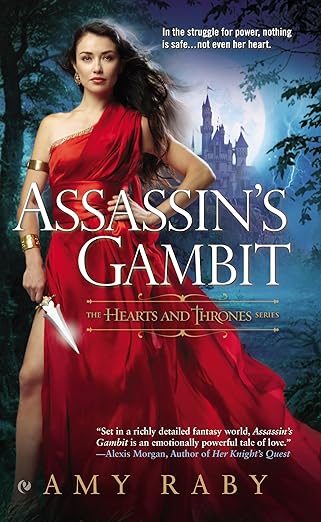
Assassin’s Gambit thrusts us into the heart of an empire where hearts are won with charm but empires are kept with daggers.
Vitala, an assassin and spy, targets the emperor but ends up entangled in a dangerous game of court intrigue and romance.
This novel blends the sharp precision of assassination with the unpredictability of love, proving that the heart can be as effective a target as the back.
Terry Pratchett’s The Hogfather brings his trademark wit to the fore, weaving a tale where the Discworld faces a crisis of mythical proportions that can only be solved by an assassin.
The Guild of Assassins is tasked with a contract on the Hogfather, Discworld’s version of Santa.
What follows is a hilariously twisted tale that questions the foundations of belief and holiday traditions, all while navigating the perils of professional killing.
Andy Peloquin’s Darkblade introduces us to the Hunter of Voramis, an assassin with a blade as cursed as his own soul.
Haunted by his past and feared by almost everyone, the Hunter is a master of death who battles not only his external enemies but also his inner demons.
This novel is an exploration of darkness, not just the kind that fills alleyways at night, but the kind that fills a man’s soul.
Set in a grim world reminiscent of the European Middle Ages, this novel follows Thomas Cale, who has been raised from childhood to be an assassin in the religious sanctuary known as the Sanctuary of the Redeemers.
Cale’s deadly skills are put to the test as he escapes the oppressive environment and faces a wider world rife with war and chaos.
Starting with A Dance of Cloaks, this series features Aaron Felhorn, who is trained from childhood to be the heir to his father’s criminal empire and a master assassin.
The series delves into themes of power, betrayal, and familial bonds, set against a backdrop of a city rife with corruption and violence.
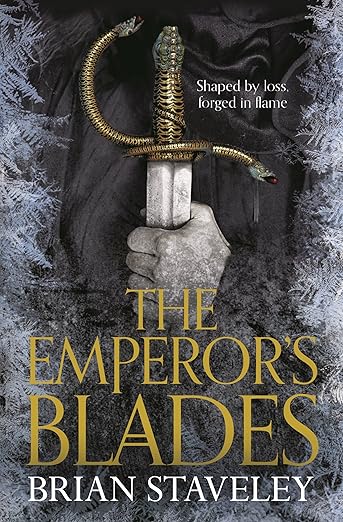
In this opening book of The Chronicle of the Unhewn Throne, the children of the Emperor each follow different paths—one as a monk, another as a soldier, and the third as a minister.
The novel skillfully weaves their stories together with elements of political intrigue, ancient magic, and assassins playing pivotal roles in the unfolding drama of an empire.
The first book in the Farseer Trilogy, Assassin’s Apprentice introduces readers to Fitz, the bastard son of a prince, who is secretly trained in the ways of a royal assassin.
Through Fitz’s eyes, readers explore a realm where loyalty, political intrigue, and dark magic intertwine, setting the stage for a deeply personal and epic-scale adventure.
Robin Hobb’s detailed world-building and complex character development make this a cornerstone of the genre.
Assassin fantasy provides a darkly mesmerizing escape into worlds where the sharp edge of a blade can alter destinies and where whispered secrets wield the power to topple kingdoms.
Each book in this genre offers a unique blend of intrigue, danger, and moral complexity, drawing readers into the shadows alongside characters who are both compelling and conflicted.
From the gritty streets of Cenaria in Brent Weeks’ The Way of Shadows to the holy halls of the Convent of Sweet Mercy in Mark Lawrence’s Red Sister, these stories explore the nuances of power, loyalty, and survival.
They invite us into the minds and hearts of those who operate on the fringes of society, bound by codes that blur the lines between right and wrong.
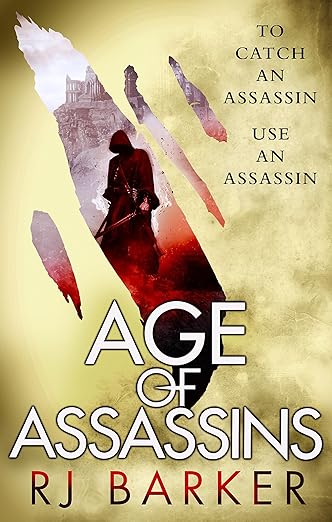
For readers looking to dive deeper into the shadowy world of assassin fantasy, Jon Cronshaw’s Guild of Assassins offers a thrilling journey into the life of Soren, an apprentice sculptor turned lethal assassin after the brutal murder of his father.
As Soren navigates the treacherous waters of the assassins’ guild, he is forced to confront not only external enemies but also the internal struggle between his quest for vengeance and his remaining shreds of conscience.
Guild of Assassins is a must-read for anyone fascinated by the complexities of a life pledged to secrecy and the pursuit of justice through unconventional means.
Whether you’re a seasoned aficionado of assassin fantasy or a newcomer to the genre, Cronshaw’s vivid storytelling and rich character development promise an engaging and thought-provoking experience.
So, if your reading list needs a dose of danger and a touch of moral ambiguity, pick up a copy of Guild of Assassins.
Let the adventure begin where the shadows deepen, and discover why assassin fantasy continues to captivate the hearts and minds of readers around the world.
Delve into the heart of nobledark fantasy, where victories are bittersweet and triumphs Pyrrhic, reflecting deep themes of morality and sacrifice.
When you delve into the realm of fantasy literature, you’ll find yourself amidst an array of genres, each with its distinct flavour.
But how do you know when you’ve stepped into the shadowy yet hopeful world of nobledark fantasy?
This sub-genre, a curious blend of grim realities and moral resilience, is marked by certain unmistakable tropes and themes.
Here are ten tropes you might find when reading a nobledark fantasy novel:
1. The Rogue Who Dreams of Redemption
One sure sign you’re reading nobledark fantasy is the presence of a rogue character yearning for redemption.
This isn’t your average dashing rogue, content with their morally grey lifestyle.
Instead, this character often grapples with their past misdeeds and seeks a path to make things right.
Whether it’s a smuggler turning over a new leaf or a spy looking to correct past wrongs, their journey towards redemption is fraught with challenges, reflecting the genre’s blend of darkness and hope.
2. The Loyal Thief with a Heart of Gold
The loyal thief, another classic nobledark character, is a paradox in themselves.
They may live outside the law, pilfering and sneaking around, but their loyalty and sense of justice shine through.
This character often steals not out of greed, but necessity, or for a cause they believe in.
Their moral compass, although unconventional, is unmistakably present, guiding them through the genre’s murky ethical landscape.
3. The Assassin with a Conscience
In nobledark fantasy, assassins aren’t cold-blooded killers but complex characters burdened with conscience.
They kill, yes, but each action weighs heavily on their soul.
This inner conflict – the struggle between their lethal profession and their moral inclinations—is a hallmark of the genre.
It’s about the assassin who pauses, who questions, and who seeks meaning in a profession mired in darkness.
4. The World Weary Warrior Fighting for a Lost Cause
A nobledark narrative often features a warrior who’s seen too much and yet continues to fight for what often seems like a lost cause.
This character has witnessed the horrors of their world, yet they hold onto a flicker of hope.
They fight not because they want to, but because they must, driven by a deep-seated belief in something greater than themselves.
5. The Corrupt World That Tests Morality
The setting of a nobledark fantasy is a character in its own right—a world that’s often corrupt and unforgiving, testing the characters’ morals at every turn.
It’s a world where the right choice is often the hardest one to make, where the line between good and evil is blurred and battered.
6. Bittersweet Victories and Pyrrhic Triumphs
Nobledark fantasy doesn’t shy away from the cost of heroism.
Victories, when they come, are often bittersweet, and triumphs can feel Pyrrhic.
Characters may achieve their goals, but not without sacrifice and loss, underscoring the genre’s theme that even in victory, darkness lingers.
7. The Fallen Hero Seeking Redemption
In nobledark fantasy, a common theme is the fallen hero, once revered, who has lost their way due to a tragic flaw or a past mistake.
This character’s journey towards redemption is fraught with internal and external struggles, as they seek to regain their honour and atone for their sins.
Their path is never straightforward, often filled with moral quandaries and the harsh realities of a world that may not believe in second chances.
8. The Tyrant with a Conscience
Unlike the traditional portrayal of tyrants as irredeemably evil, nobledark fantasy often presents them with a layer of complexity.
These rulers may be driven by noble intentions gone awry or trapped by the very power they wield.
Their actions, while harsh or cruel, are often shown to stem from a twisted sense of duty or a burdened conscience, adding depth to their character and creating a grey area in the moral landscape of the story.
9. Sacrifice and the Cost of Power
Nobledark fantasy frequently explores the theme of sacrifice, particularly the high cost of wielding power or pursuing a greater good.
Characters are often faced with difficult choices that require them to sacrifice their personal desires, relationships, or even their ethical codes.
This theme underscores the notion that in a complex world, power and success come at a significant personal and moral cost.
10. The Blurred Lines Between Magic and Morality
Magic in nobledark fantasy is not just a tool or a weapon; it’s often intertwined with the moral fabric of the universe.
The use of magic can have far-reaching consequences, both beneficial and destructive, and characters who wield it must navigate its temptations and responsibilities.
This creates a dynamic where magic is a double-edged sword, capable of both salvaging and shattering the world’s fragile balance.
Recognising a nobledark fantasy novel is about identifying these unique elements—the flawed heroes striving for goodness, the oppressive worlds that challenge their morals, and the victories that come with their own set of losses.
It’s a genre that mirrors the complexities of real life, where the light of hope and the shadow of despair are perpetually intertwined.
So, the next time you find yourself empathising with an assassin’s plight or cheering for a thief with a cause, you might just be lost in the engrossing world of nobledark fantasy.