
A Beginner’s Guide to the Thrilling World of Assassin Fantasy

Dive into the shadowy realm of assassin fantasy, where morality blurs and danger lurks at every turn. Explore the main tropes, themes, and what makes this subgenre a captivating branch of fantasy literature.

Welcome to the dimly lit world of assassin fantasy, a genre where the heroes are as sharp as the knives they hide and moral ambiguities are as common as cloaks and daggers.

For those new to the concept, assassin fantasy delves into the tales of those who operate from the shadows, executing justice or vengeance (and sometimes both) for the right price—or the right cause.

Here, we’ll slice through the main tropes and themes that define this intriguing subgenre.

What is Assassin Fantasy?

Assassin fantasy is a subgenre of fantasy literature that revolves around the lives and lethal escapades of assassins.

Unlike traditional fantasy, where battles are fought in broad daylight with armies clashing over the fate of empires, assassin fantasy tends to focus on the individual, often delving into the darker, more personal conflicts that play out in the back alleys of bustling cities or the silent corridors of power.

Tropes and Themes of Asssassin Fantasy

The Moral Ambiguity of Killing for a Cause

One of the most deliciously complex tropes in assassin fantasy is the ever-present question of morality.

Assassins in these stories often grapple with the ethics of their profession, blurring the lines between right and wrong until they’re as indistinct as footprints in a busy marketplace.

It’s a world where the end often justifies the means, and the means are usually fatal.

The Lone Wolf with a Code

Many assassin characters are crafted in the mould of the lone wolf—a solitary figure who operates outside the law but adheres to a personal code.

This code is as crucial to their identity as their stealthy footwear.

They might kill for money or revenge, but there are always lines they won’t cross… usually.

Complex Mentor-Apprentice Relationships

In a world where trust is as rare as a truthful politician, the relationships between mentors and their apprentices are fraught with tension and fraught with betrayal.

These relationships are a core element of training sequences, where deadly skills are passed down and life lessons are learned in the most hazardous ways imaginable.

Intrigue and Political Machinations

Assassin fantasy novels often unfold against a backdrop of intricate political plots.

Assassins are not just weapons but also key players in games of power, where thrones are the prizes and the players are seldom innocent.

The cloak and dagger aren’t just tools of the trade; they’re metaphors for the subterfuge that runs rampant in the corridors of power.

A Dance with Death

At the heart of assassin fantasy is the ever-present dance with death.

Assassins flirt with their own mortality daily, and their survival depends as much on their skill with a blade as it does on their ability to navigate the perilous politics of their professions.

Their lives are a high-stakes game where a single slip could be fatal.

Why Dive Into Assassin Fantasy?

For those intrigued by the darker side of human nature, assassin fantasy offers a compelling blend of adrenaline and intrigue.

It’s a place where every shadow could hold a secret and every character has an agenda.

If you’re ready to explore the depths of human resolve and the heights of treachery, assassin fantasy might just be your next favourite read.

So, sharpen your blades—or your wits, which are safer—and prepare to delve into tales where the most dangerous thing is not the assassin lurking in the shadows, but the truths they uncover.

Welcome to the dark, intricate world of assassin fantasy, where survival is an art, and the brush strokes are often painted in blood.


Essential Assassin Fantasy Titles

As you embark on a shadowy journey through assassin fantasy, you’ll want to be well-armed with the best titles the genre has to offer.

Here’s a rundown of five essential books where the characters are as sharp as the blades they wield, and survival is the name of the game—if it were ever that simple.

The Way of Shadows by Brent Weeks

In The Way of Shadows, Brent Weeks takes us on a stroll through the city of Cenaria, a place where even the shadows seem to be plotting something nefarious.

This is the story of Azoth, a street urchin who apprentices himself to Durzo Blint, a master assassin whose curriculum vitae is as long as a life sentence.

This novel is an intensive masterclass in dark arts and darker ethics, perfect for those who like their morals as murky as a foggy night in Victorian London.

Nevernight by Jay Kristoff

Jay Kristoff’s Nevernight is as subtle as a dagger to the ribs, and twice as sharp.

Here we meet Mia Corvere, who joins the deadliest flock of acolytes at the Red Church, a school where they teach you how to end lives just after morning chapel.

Mia’s quest for vengeance is fraught with literary booby traps and a shadowy companion that’s literally her own shadow.

Ideal for readers who enjoy their education sprinkled with a bit of murder.

Vlad Taltos by Steven Brust

Vlad Taltos by Steven Brust offers a unique blend of high fantasy with a dash of organized crime—think The Godfather with swords and sorcery.

Vlad, a low-ranking thug-turned-assassin, navigates the cutthroat world of Dragaeran society, where social climbers are likely to use actual climbers to dispose of rivals.

This series is a guide on how to manage your career prospects in a world where your next promotion might just come at the sharp end of a dagger.

Age of Assassins by RJ Barker
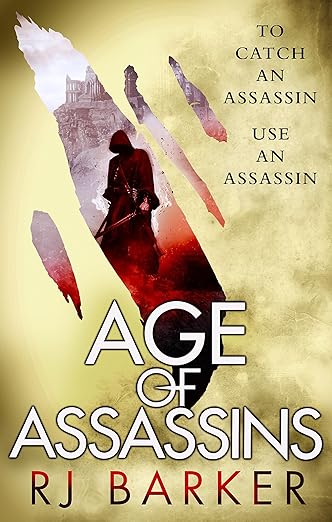
In RJ Barker‘s Age of Assassins, the line between being an assassin and being sent to early retirement is thinner than the pages of the book.

Girton Club-Foot, apprentice to the land’s best assassin, finds himself embroiled in a plot thicker than a winter stew.

This book is a riveting exploration of disability and destiny, proving that the deadliest weapon isn’t a blade, but a sharp mind.

The Blade Itself by Joe Abercrombie

Joe Abercrombie‘s The Blade Itself plunges us into the grim and gritty Union, where Logen Ninefingers, also known as “the Bloody-Nine,” proves that you can indeed lose a finger and gain a title.

This book isn’t strictly about assassins, but it has enough backstabbing and literal stabbing to qualify.

Abercrombie crafts a world where every alliance is a potential death sentence and the only thing cheaper than life is one’s dignity.

The Assassin’s Curse by Cassandra Rose Clarke

If you ever thought about mixing pirates with assassins and throwing in a magical curse for good measure, The Assassin’s Curse is your kind of tale.

Cassandra Rose Clarke introduces us to Ananna, a pirate princess on the run who inadvertently triggers a curse binding her to an assassin sent to kill her.

This book offers a swashbuckling escape with a duo who could kill each other at any moment but must work together to survive.

It’s like a magical version of couple’s therapy, but with more knives.

Red Sister by Mark Lawrence

In Red Sister, Mark Lawrence proves that the deadliest assassins might just come from a convent.

Nona Grey’s journey from condemned prisoner to novice in the Convent of Sweet Mercy is littered with enough blood and betrayal to make a stone weep.

This is not your typical school; here, they teach you how to survive first and pray later.

The nuns are more likely to pass you a blade than a bible, making it the perfect school for those who like their education with a side of existential dread.

Assassin’s Gambit by Amy Raby
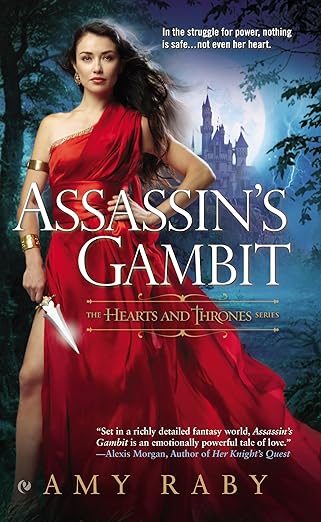
Assassin’s Gambit thrusts us into the heart of an empire where hearts are won with charm but empires are kept with daggers.

Vitala, an assassin and spy, targets the emperor but ends up entangled in a dangerous game of court intrigue and romance.

This novel blends the sharp precision of assassination with the unpredictability of love, proving that the heart can be as effective a target as the back.

The Hogfather by Terry Pratchett

Terry Pratchett’s The Hogfather brings his trademark wit to the fore, weaving a tale where the Discworld faces a crisis of mythical proportions that can only be solved by an assassin.

The Guild of Assassins is tasked with a contract on the Hogfather, Discworld’s version of Santa.

What follows is a hilariously twisted tale that questions the foundations of belief and holiday traditions, all while navigating the perils of professional killing.

Darkblade by Andy Peloquin

Andy Peloquin’s Darkblade introduces us to the Hunter of Voramis, an assassin with a blade as cursed as his own soul.

Haunted by his past and feared by almost everyone, the Hunter is a master of death who battles not only his external enemies but also his inner demons.

This novel is an exploration of darkness, not just the kind that fills alleyways at night, but the kind that fills a man’s soul.

The Left Hand of God by Paul Hoffman
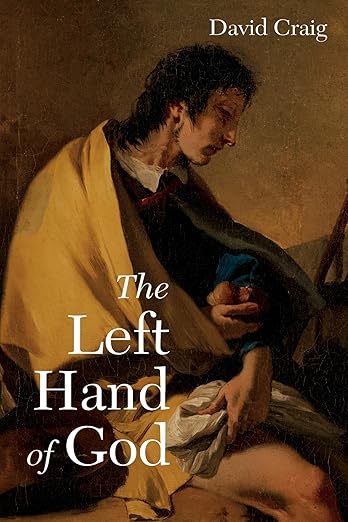
Set in a grim world reminiscent of the European Middle Ages, this novel follows Thomas Cale, who has been raised from childhood to be an assassin in the religious sanctuary known as the Sanctuary of the Redeemers.

Cale’s deadly skills are put to the test as he escapes the oppressive environment and faces a wider world rife with war and chaos.

Grave Mercy by Robin LaFevers

In Grave Mercy, young women serve the god of Death in 15th-century Brittany by training as assassins in the convent of St. Mortain.

Ismae, the protagonist, is one such assassin, using her skills to navigate the complex politics of the high court.

The novel blends historical fantasy with thrilling assassin action, offering a strong female lead and detailed world-building.

Shadowdance Series by David Dalglish

Starting with A Dance of Cloaks, this series features Aaron Felhorn, who is trained from childhood to be the heir to his father’s criminal empire and a master assassin.

The series delves into themes of power, betrayal, and familial bonds, set against a backdrop of a city rife with corruption and violence.

The Emperor’s Blades by Brian Staveley
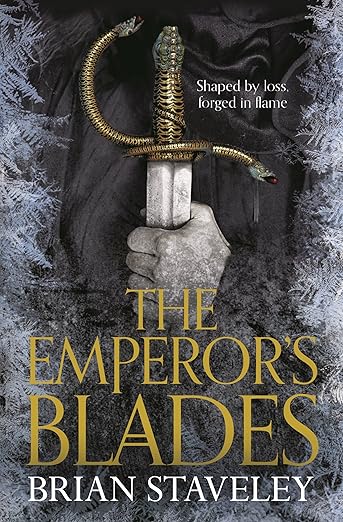
In this opening book of The Chronicle of the Unhewn Throne, the children of the Emperor each follow different paths—one as a monk, another as a soldier, and the third as a minister.

The novel skillfully weaves their stories together with elements of political intrigue, ancient magic, and assassins playing pivotal roles in the unfolding drama of an empire.

Assassin’s Apprentice by Robin Hobb

The first book in the Farseer Trilogy, Assassin’s Apprentice introduces readers to Fitz, the bastard son of a prince, who is secretly trained in the ways of a royal assassin.

Through Fitz’s eyes, readers explore a realm where loyalty, political intrigue, and dark magic intertwine, setting the stage for a deeply personal and epic-scale adventure.

Robin Hobb’s detailed world-building and complex character development make this a cornerstone of the genre.

The Dark Allure of Assassin Fantasy

Assassin fantasy provides a darkly mesmerizing escape into worlds where the sharp edge of a blade can alter destinies and where whispered secrets wield the power to topple kingdoms.

Each book in this genre offers a unique blend of intrigue, danger, and moral complexity, drawing readers into the shadows alongside characters who are both compelling and conflicted.

From the gritty streets of Cenaria in Brent Weeks’ The Way of Shadows to the holy halls of the Convent of Sweet Mercy in Mark Lawrence’s Red Sister, these stories explore the nuances of power, loyalty, and survival.

They invite us into the minds and hearts of those who operate on the fringes of society, bound by codes that blur the lines between right and wrong.

For readers looking to dive deeper into the shadowy world of assassin fantasy, Jon Cronshaw’s Guild of Assassins offers a thrilling journey into the life of Soren, an apprentice sculptor turned lethal assassin after the brutal murder of his father.

As Soren navigates the treacherous waters of the assassins’ guild, he is forced to confront not only external enemies but also the internal struggle between his quest for vengeance and his remaining shreds of conscience.

Guild of Assassins is a must-read for anyone fascinated by the complexities of a life pledged to secrecy and the pursuit of justice through unconventional means.

Whether you’re a seasoned aficionado of assassin fantasy or a newcomer to the genre, Cronshaw’s vivid storytelling and rich character development promise an engaging and thought-provoking experience.

So, if your reading list needs a dose of danger and a touch of moral ambiguity, pick up a copy of Guild of Assassins.

Let the adventure begin where the shadows deepen, and discover why assassin fantasy continues to captivate the hearts and minds of readers around the world.

The Power of Grimdark: How Dark Fantasy is Reshaping the Landscape of Epic Fantasy

Explore the transformative power of grimdark fantasy in reshaping epic fantasy. Discover the darker tone, morally ambiguous characters, and realistic worlds that have redefined the genre’s landscape.

The world of epic fantasy has undergone a significant transformation in recent years, with the rise of dark fantasy playing a major role in its development.

Grimdark,is a subgenre of fantasy that features a darker, grittier, and more morally ambiguous world than traditional epic fantasy.

This new trend has not only attracted new readers to the fantasy genre, but it has also influenced the way in which epic fantasy is written and perceived.

What are the differences between epic fantasy and dark fantasy?

One of the key differences between dark fantasy and traditional epic fantasy is the tone.

Dark fantasy often explores the darker aspects of humanity and the world, such as death, murder, evil, and corruption—a stark contrast to the more optimistic and hopeful themes found in traditional epic fantasy, where good and evil are often clearly defined and the hero is often destined to triumph.

Where did dark fantasy become popular?

The rise of dark fantasy can be traced back to the early 1960s. However, the success of George R.R. Martin’s “A Song of Ice and Fire” series, more commonly known as “Game of Thrones,” brought grimdark fantasy to the mainstream. Its popularity has inspired a new wave of grimdark writers.

How has grimdark fantasy influenced epic fantasy?

The influence of grimdark fantasy on epic fantasy can be seen in the way that stories are structured, the themes authors are choosing to explore, and the types of characters who take a central role.

In grimdark fantasy, characters are often morally grey and their motivations are not always clear-cut. This has led to a shift in the way epic fantasy is written, with more complex and morally ambiguous characters being introduced into the genre.

The world in grimdark fantasy is often darker, grittier, and less magical. This has led to a trend in epic fantasy of creating worlds that are more realistic and less fantastical with fewer mythical creatures and low magic.

The influence of grimdark fantasy has had a significant impact on the epic fantasy genre. Its darker tone has challenged the traditional themes and structures of epic fantasy, leading to a shift towards more complex and realistic stories.

If you love grimdark fantasy, you can get my novel Birth of Assassins for free as part of the Ravenglass Universe starter library.

How to Write a Review for a Fantasy Book: A Guide for Aspiring Critics

Unlock the secrets of crafting compelling fantasy book reviews. Learn how to analyze characters, evaluate plot, and engage readers with your insights.

Fantasy fiction is a delightfully varied genre, transporting readers to enchanted lands of mystery and adventure.

As an avid reader, you’ve likely stumbled upon countless tomes that have stirred or frustrated you.

If you’re keen to share your musings on your latest fantasy read, writing a review is a great way to do so that helps readers and authors alike.

In this guide, you’ll discover the essential components of crafting a compelling review, helping you become an insightful critic.

Read the Book Thoroughly and Take Notes

To pen an insightful review, it’s crucial to read the book thoroughly and take notes as you go. Jot down your thoughts on the plot, characters, world-building, pace, and penmanship. These notes will form the foundation of your review, providing you with valuable observations to share with your audience.

Don’t get twenty pages in, decide it’s not for you, and blast the author with a one-star review. If a book’s not for you, it’s not for you. And that’s fine.

Start with an Engaging Hook

Commence your review with an opener that seizes your reader’s attention. Summarise the book briskly, including the title, author, and publication date.

Offer a concise overview of the main story without revealing any spoilers.

Your introduction should entice readers to continue perusing your review and, ultimately know if this is a book for them.

Discuss the World-Building

One of the most critical parts of any fantasy story is the world-building.

In your review, describe the setting and atmosphere of the tale.

Consider the following:

  • Is the world believable and well-developed?
  • Does the author provide enough detail to immerse readers in the environment, without getting in the way of the story?
  • Are there any unique elements or systems (e.g. magic, politics, culture) that make the world stand out?

Analyse the characters

As much as some fantasy authors might disagree, characters are the heart of any story. Discuss the main characters in your review, focusing on their personalities, motivations, and relationships.

Ponder the following:

  • Are the characters well-developed and relatable?
  • Do they experience growth and change throughout the story?
  • Are their actions and decisions consistent with their personalities and motivations?

Evaluate the Plot and Pacing

A compelling narrative is essential to keeping readers engaged in a fantasy tale.

Assess the plot and pace of the story in your review, considering the following factors:

  • Is the plot well-structured, with a clear beginning, middle and end?
  • Are there any twists or surprises that keep the reader hooked?
  • Does the pace maintain interest and momentum throughout?

Comment on the Writing Style

The author’s style contributes greatly to the reader’s experience.

Share your thoughts on the prose, dialogue, and descriptions in your review.

Consider whether the writing style:

  • Is engaging and easy to read.
  • Effectively conveys emotions and atmosphere.
  • Enhances or detracts from the story.

Be fair

When writing your review, it’s essential to provide a balanced assessment of the book’s strengths and weaknesses.

Be honest and specific in your critique, but also remember to highlight the bits you enjoyed.

This balanced approach will create a more credible and helpful review for your readers.

Wrap It Up with a Conclusion

Bring your review to a close by summarising your thoughts and providing a recommendation.

Consider who might enjoy the book, such as fans of specific tropes, sub-genres, or similar authors.

Your conclusion should leave your readers with a clear understanding of whether the book is worth their time and a desire to read more of your reviews.

By following these steps, you’ll be well on your way to writing an enthralling and informative review for a fantasy book.

Remember, the goal of a review is to share your insights and opinions with fellow readers, helping them discover new literary treasures to add to their reading list.

Keep honing your craft as a critic, and you’ll soon become a trusted voice in the world of fantasy fiction!

Fate of Wizardoms: An Interview With Jeffrey L. Kohanek

Discover the enchanting world of fantasy author Jeffrey L. Kohanek and his captivating series, Fate of Wizardoms. Explore his writing process, world-building techniques, and immersive storytelling. Join the adventure today!

Interview with Jeffrey L Kohanek

Jeffrey L. Kohanek has enthralled readers with his fast-paced fantasy series, Fate of Wizardoms.

In this interview, Jeffrey takes us behind the scenes of his writing process, the inspiration for his world-building, and what readers can expect from his work.

So grab a cuppa, put your feet up, and let’s dive into the mind of Jeffrey L. Kohanek.

What inspired you to start writing in the fantasy genre?

As a kid, comic books sparked my imagination, inspiring fantasies of heroes with super-powers saving the day. My tastes later evolved to fantasy epics featuring unlikely heroes overcoming impossible odds to save worlds born from the writer’s imagination.

Since middle school, I have exclusively read fantasy fiction, the total titles approaching 1,000 novels. The authors who have come before me helped to form the stories I tell, but what inspired me the most were the magic systems, something which I enjoy greatly and ensure said magic permeates the worlds I create.

How do you approach world-building in your stories?

Worldbuilding includes many aspects: geography, politics, climate, magic, culture, gods, religion, mythos, and more.

I often begin with a map, which helps to ground the story in a sense of reality while defining topography, climate, borders, city locations, and more. Gods, religion, and magic are also early aspects I define and all of those things combine to influence the politics, culture, and the mythos that exists in each nation across my fantasy world.

Can you walk us through your writing process?

I try to write every day and set a weekly goal of 10,000 words minimum and 12,000 as the target.

Drafting takes six to eight weeks depending on the breadth of the story. After completing a first draft, I dive into revisions, which is my favorite part of writing.

Two rounds of revisions with technical edits performed in between leaves me with a novel ready for editing. My editor gives it two passes, I incorporate the necessary edits, and then my books go to my proofing team of four people. They are the typo hunters.

When that is done, I send to my ARC/review team and the book releases a few weeks later. By then, I am nearly finished drafting the next book.

What’s the strangest thing you’ve had to research for your stories?

I often research odd medieval professions to add depth to my stories.

One of those was a tanner, which is a nasty, dirty job held by the father of the protagonist in my very first novel. Tanners use urine, lime and other odiferous chemicals to treat and clean hides. Hence, they also live on the downwind side and on the outskirts of a city. Who wants to live near a tanner?

What do you hope readers take away from your stories?

My books are written for pure entertainment, but my favorite scenes are the ones that cause readers to laugh out loud. I find that fantasy tales are often too serious, dark, and gritty, so the laughter helps to balance the tense moments. That is what I want readers to remember from my books.

If you could have any magical ability, what would it be?

I love magic that can transform a regular person into something super human, even if just for a short time. It is sort of like a superhero in a fantasy world, which I find to be fun.

If you were stuck on a deserted island with one of your characters, who would it be and why?

I love many of my characters, but I have a secret crush on a wizardess named Narine. While she was a bit pretentious and spoiled when I first introduced her, she grew up nicely, has a good heart, and is feisty for a former princess. I would happily be trapped on a deserted island with her.

Where is the best place to start reading your work?

This depends on your age and interest. If you are under fifteen or prefer coming-of-age elements with teen protagonists, check out my Runes of Issalia series.

If you are an adult and enjoy more complex stories featuring adult characters who deal with adult topics, start with Fate of Wizardoms.

If you enjoy either series, there are follow-up series set in the same world, leaving the reader plenty to enjoy.

About the author:

I love fantasy, adventure, and magic. More than that, I adore my readers.

My books are written to entertain — fantasy adventures filled with compelling characters, spectacular magic, thrilling action, constant intrigue, and a sense of discovery. I equate them to the “Marvel Movie” version of fiction, intended to be a fun escape.

I would love to have you join me and my quirky characters for one outrageous adventure after another. With 24 novels and more than two million published words to my name, my author journey has just begun.

Find Jeffrey online:

Website: JeffreyLKohanek.com

Facebook: facebook.com/JeffreyLKohanek

Amazon: amazon.com/stores/Jeffrey-L.-Kohanek/author/B01F1G5LTM

Goodreads: goodreads.com/author/show/15180818.Jeffrey_L_Kohanek

Journey into the Unknown: How Tarot Cards Can Help Fantasy Readers Discover New Realms

Discover the magical connection between tarot cards and fantasy literature. Unlock hidden realms, explore characters, and enhance storytelling. Dive into the world of tarot for self-reflection, personal growth, and connecting with fellow fantasy readers.

Tarot cards have long been associated with divination and prediction, but they can also be a valuable tool for fantasy readers looking to deepen their understanding of the characters and themes in their favourite books.

Here you’ll find seven reasons why fantasy readers should learn to read tarot cards, including how they can help with self-reflection, personal growth, and storytelling.

So, let’s dive in and discover the magic of tarot cards for fantasy readers:

1. Tarot cards offer a unique way to connect with fantasy literature. By learning to read tarot cards, you can gain a deeper understanding of the archetypes and themes in your favourite fantasy books.

2. Tarot cards can help you to explore the different aspects of your own personality and character. This can be especially valuable for readers who are trying to connect with their favourite characters.

3. Tarot cards can be a powerful tool for self-reflection and personal growth. They can help you to identify patterns in your own life and to gain a better understanding of yourself.

4. Learning to read tarot cards can be a fun and rewarding hobby. It’s a great way to explore your creative side and to learn more about yourself and the world around you.

5. Tarot cards can be used to explore different worlds and dimensions. This can be especially valuable for fantasy readers and writers who are looking to expand their understanding of different spiritual realms.

6. Tarot cards are a great tool for storytelling. They can help you develop your own plots and characters, and to create your own fantasy stories. (I used them to write my series, The Ravenglass Chronicles).

7. Finally, learning to read tarot cards can be a great way to connect with other fantasy readers. You can share your knowledge and experiences with others, and learn from others as well.

Learning to read tarot cards can be a valuable tool for fantasy readers and writers alike. It can help you to gain a deeper understanding of the characters and themes in your favourite stories, to explore the different aspects of your own personality and character, and be a powerful tool for storytelling.

fantasy books inspired by the tarott