Blood Magic, Necromancy & More: The Dark Side of Fantasy Magic

Uncover the dark side of magic systems in fantasy, from blood magic and necromancy to mind control and shadow magic. Learn about the high cost of dark powers and why they’re best approached with caution.

Magic in fantasy worlds is wonderful, thrilling, and sometimes even poetic.

But let’s not kid ourselves; not all magic is sparkles and unicorns.

There’s a whole lot of muck, blood, and sinister whispering in the shadows. Let’s take a stroll through the darker alleys of magic systems.

Just be careful where you step.

Blood Magic: The Price of Power

Blood magic sounds pretty cool until you realise it means, well, blood.

Lots of it.

Sacrifice, they say, brings power. But there’s something very troubling about gaining power by draining life forces.

Not to mention the logistics. You start off pricking a finger, but by the time you’re summoning lightning storms, you’re half an inch from a transfusion.

And just try getting those bloodstains out of robes. Blood magic is hardly compatible with personal hygiene.

But hey, if you’re willing to overlook the ethical—and sartorial—issues, blood magic might just be for you.

Necromancy: A Party of One (Plus Several Corpses)

Necromancy has all the perks of raising the dead.

Endless company, devoted followers, and an army that doesn’t complain about working conditions.

But consider the downsides.

For one, a rotting entourage doesn’t exactly help you blend in at the local inn.

And let’s not forget the unmistakable smell of decay that follows you everywhere. Good luck sneaking into any dungeon when your dead minions announce your presence half a mile away.

Also, reanimated corpses don’t make great conversationalists. Sure, they’ll listen to all your rants, but don’t expect stimulating dialogue.

Invocation: When Demons Don’t Return Your Calls

Invocation magic brings a certain thrill to the caster’s life. Nothing says “power” like summoning demons to do your bidding.

Except that demons, as it turns out, are notoriously unreliable employees.

One moment they’re helping you summon mystical flames; the next, they’re busy wreaking havoc in some other dimension.

And summoning always has its little ‘quirks.’ Forget one syllable, and your friendly helper turns into a world-ending monstrosity with a hunger for souls.

Those who dabble in invocation tend to get… eaten. Frequently.

Curses: When Magic Takes Things Personally

Ah, curses. The fine art of making life miserable for someone else.

You don’t get the dramatic flare of fireballs or the cool factor of invisibility, but there’s a certain satisfaction in ensuring someone’s hair falls out every full moon.

Yet curses have a nasty way of rebounding. Misfire a curse, and suddenly you’re the one with seven years of ill luck and a backache that no magical remedy can fix.

Not to mention curses are slow. Nothing happens in an instant; curses are like a bad meal that keeps coming back.

For those who want instant results, curses are about as satisfying as shouting at a wall.

Soulbinding: More Than You Bargained For

Soulbinding is the ultimate commitment. After all, what’s closer than sharing a soul?

But consider this: do you really want a centuries-old entity whispering in your mind?

One moment, it’s useful knowledge about ancient spells; the next, it’s opinions on your romantic choices.

And breaking a soulbind isn’t as easy as tearing up a contract. Once bound, that spirit is with you through thick, thin, and those awkward social gatherings.

Imagine trying to explain to your date why you’re laughing at voices in your head.

Alchemy: Science Meets Explosive Consequences

Alchemy is a respectable art until you realise that for every success, there’s a lab explosion.

Turn lead into gold? Sure, but not without a few missing eyebrows and some strange mutations along the way.

And let’s talk about Philosopher’s Stones. Rare, immensely powerful… and extremely good at corrupting their owners.

The only people who seem to survive alchemical ambitions are those with an iron stomach and absolutely no desire for immortality.

But if you’re comfortable playing with toxic chemicals and explosive elements, alchemy might be the dark art for you.

Shadow Magic: When the Darkness Stares Back

Shadow magic sounds harmless enough. It’s just shadows, right?

But cast too many spells, and the shadows start paying attention.

Try explaining to friends why your own shadow looks a bit too… animated.

You can’t shake it, you can’t escape it, and it’s terribly clingy.

Of course, there’s also the little problem of a shadow deciding it doesn’t need you anymore. The last thing any wizard wants is their own shadow slipping away to form alliances with dark forces.

Shadows may be low maintenance, but they’re not to be trusted.

Time Magic: Time Waits for No One, Especially Not You

Time magic is the ultimate temptation. Want to go back and fix mistakes? Sure, until you get stuck in a paradox that eats you alive.

Messing with time leads to wrinkles in reality. And those wrinkles tend to snap back in the most inconvenient ways.

Plus, ageing in reverse sounds fun until you realise you’ll have to endure your teenage years again.

Those who practise time magic are usually desperate, overly ambitious, or both. And they’re also usually missing.

Dreamwalking: Enter at Your Own Risk

Dreamwalking sounds poetic, doesn’t it? Strolling through the dreams of others, exploring the hidden corridors of the mind.

Until you find yourself stuck in someone else’s nightmare.

The mind is a tricky place, and not every dreamer appreciates an intruder. Some dreamers fight back, and their subconscious minds wield power that would make even the most seasoned mage flinch.

And let’s not forget the mental exhaustion. After hopping from mind to mind, you’re left with the cognitive equivalent of a hangover.

Plus, the moment you run into a dream that you can’t escape, you’re left wandering the dreamscape like an uninvited guest at an eternal house party. Not ideal.

Illusion Magic: When Reality Starts Getting… Confusing

Illusion magic is all fun and games until you start forgetting what’s real.

The trouble is, you can’t fool everyone. There’s always that one sceptic who pokes a hole in your grand illusion, leaving you looking like a fool waving your hands at thin air.

And illusions have a habit of turning on their creator. The longer you play with false realities, the harder it becomes to find your way back.

Magicians who take illusions too far often end up in padded rooms, muttering about rabbits and invisible doors.

Sure, illusionists get to see things that others can’t, but they also tend to see things others can’t. Reality’s fragile, and illusion magic does a fine job of shattering it.

Elemental Summoning: All Fun Until You Get Burned

Calling down lightning, summoning fire, bending water to your will—it’s exhilarating. Until you realise nature isn’t all that thrilled about being bossed around.

Elemental spirits have short tempers and little respect for those who would use them as tools.

Try commanding fire to attack your enemy, and watch it go rogue, torching everything in sight, including your own shoes.

And lightning? It’s not known for following orders. Summon a bolt, and you might just get electrocuted for your troubles.

Those who live by the elements often end up with singed hair, frostbitten fingers, and a lingering smell of charred pride.

Mind Control: The Power Trip That Trips You Up

Mind control is the ultimate expression of power, bending someone’s will to match your own. But there’s something about enslaving another’s thoughts that leaves a bitter taste.

For one, mind control requires an extraordinary level of concentration. Lose focus for a moment, and your victim might regain control at the worst possible time.

And it turns out that people get awfully testy when they realise they’re being manipulated. Enemies gained through mind control have a particular knack for seeking revenge.

Then there’s the ethical dilemma.

Even the most cold-hearted mages find themselves feeling a twinge of guilt after wiping someone’s mind clean. It’s hard to shake off that sense of, well, being a villain.

But if you’re willing to risk the resentment of every thinking creature, then mind control might be for you. Just don’t expect a warm welcome anywhere you go.

Forbidden Knowledge: Some Things You Just Don’t Want to Know

Every wizard dreams of uncovering the secrets of the universe. Until they do.

Forbidden knowledge has a habit of being forbidden for a reason.

Ancient truths come with a price—madness, visions, the occasional loss of your grip on reality. And once you’ve seen something forbidden, it’s nearly impossible to unsee it.

The mind, it turns out, has limits. Cross those, and you’re in for a lifetime of disturbing visions and waking nightmares.

Many a mage has ended up in a remote tower, rambling about cosmic horrors that no one else can see.

So yes, seek forbidden knowledge if you must. Just don’t expect your sanity to stick around.

The Perils of Power: Is It Really Worth It?

Dark magic offers endless allure, but the drawbacks are substantial. From cursed reputations to accidental self-immolation, there’s no end to the hazards.

For every ounce of power, there’s a mountain of risk. Most dark wizards spend their days looking over their shoulders, dodging curses and haunted by their own choices.

Because when you court the shadows, you never know what might start following you back.

In the end, the world of dark magic is as unforgiving as it is powerful.

And for those who choose to walk that path, they may find themselves wondering if they could have achieved just as much… with a decent sword and a bit of common sense.

Unlock Exclusive Content and Early Access with Jon Cronshaw’s Ream Community

Embark on a thrilling journey through Jon Cronshaw’s immersive speculative fiction universe. Discover character-driven tales, exclusive content, and a passionate community of readers.

Hey there, fellow adventurers!

I’m Jon Cronshaw, a storyteller who crafts tales that blend the grit and darkness of reality with the wonder and excitement of speculative fiction.

From epic fantasy adventures to post-apocalyptic struggles, I create character-driven stories that explore the depths of the human experience.

Immerse yourself in stories that don’t shy away from the harsh realities of life, while also celebrating the power of hope, friendship, and perseverance.

By joining my Ream channel, you’ll embark on a journey through rich, immersive worlds filled with flawed heroes, complex relationships, and heart-pounding action.

You’ll get:

🔥 Early Access: Be among the first to experience my latest works, diving into new adventures before anyone else.

📚 Consistent Updates: You’ll receive at least one story update per week, though it will most likely end up being more. I’m committed to delivering a steady stream of content to keep you engaged and entertained.

🌟 Exclusive Content: Unlock access to stories and behind-the-scenes insights that are only available to my subscribers. It’s your key to a deeper understanding of the worlds and characters I create.

💬 Community Engagement: Connect with a vibrant community of fellow readers who share your passion for character-driven stories. Discuss your favorite moments, speculate about upcoming twists, and dive deep into the themes that resonate with you.

When you join my channel, you’re not just gaining access to a collection of stories—you’re becoming part of a community that celebrates the power of storytelling.

So, if you’re ready to embark on a journey of self-discovery and adventure, hit that subscribe button and join me on a voyage through the realms of speculative fiction.

Together, we’ll explore the light and the dark, the grit and the wonder, and everything in between.

Let the adventure begin!

Jon

P.S. Not ready to subscribe just yet? No worries! You can follow my channel for free and gain access to a selection of stories. It’s a great way to get a taste of the adventures that await.

The Twenty Best Magic Systems in Fantasy

Discover the top twenty coolest magic systems in fantasy literature, from Allomancy in Mistborn to The Force in Star Wars. Join us on a journey of wonder and imagination!

Magic systems in fantasy literature are like the spices in a curry, the kick in your favourite cocktail, or the jam in your doughnut (note to self: must order some doughnuts…and cocktails).

They’re the magical ingredient that makes the world feel truly fantastical.

Here, are some of the coolest magic systems that have graced the pages of fantasy literature.

Allomancy – Mistborn Series by Brandon Sanderson

Allomancy, featured in Brandon Sanderson’s Mistborn series, is a magic system that’s all about balance. The Allomancers ingest metals and ‘burn’ them to gain specific abilities. It’s like swallowing a coin and suddenly being able to jump over buildings. It’s all very scientific, you see.

The One Power – Wheel of Time by Robert Jordan

The One Power in Robert Jordan’s Wheel of Time is divided into male and female halves: Saidin and Saidar. It’s a bit like a magical tug of war, where balance and cooperation are key. Just remember, this one could lead to going mad, so don’t get too carried away.

Naming – The Kingkiller Chronicle by Patrick Rothfuss

In Patrick Rothfuss’s Kingkiller Chronicle, knowing something’s true name gives you power over it. It’s a bit like calling your dog by its full name when it’s been naughty. Except in this case, you could control the wind, fire, or even time itself. Now that’s powerful.

The Skill and The Wit – Farseer Trilogy by Robin Hobb

In Robin Hobb’s Farseer Trilogy, magic comes in two flavours: The Skill and The Wit. The Skill is all about telepathy and compulsion, while The Wit is a deeper, more primal magic that forges bonds with animals. It’s like being a magical Dr. Dolittle.

Lygari – The Broken Empire Series by Mark Lawrence

Lygari in Mark Lawrence’s Broken Empire series is a magic of manipulation. It involves bending reality to one’s will, like convincing the universe that gravity is merely a suggestion. It’s the perfect magic system for anyone who’s ever wanted to argue with physics and win.

Charter Magic – The Old Kingdom Series by Garth Nix

Charter Magic in Garth Nix’s Old Kingdom series involves drawing symbols to create spells. It’s a bit like magical calligraphy, where a beautifully drawn Charter Mark could save your life, or a poorly scribed one could turn you into a frog. So, remember to cross your ‘t’s and dot your ‘i’s!

 The Warrens – Malazan Book of the Fallen by Steven Erikson

The Warrens in Steven Erikson’s Malazan Book of the Fallen are a series of magical realms that mages draw power from. Each Warren is tied to a specific element or concept. It’s like having a magical timeshare, with the added bonus of cosmic power.

Hands of Power – Lightbringer Series by Brent Weeks

The Hands of Power in Brent Weeks’s Lightbringer Series involve turning light into physical substances. Each colour has different properties and uses. It’s like being a magical artist, only instead of painting a rainbow, you’re using one to conquer the world.

Orogeny – The Broken Earth Trilogy by N.K. Jemisin

In N.K. Jemisin’s Broken Earth Trilogy, Orogenes have the ability to manipulate thermal, kinetic, and related forms of energy to quell or create earthquakes, essentially making them living fault lines. This magic system is as much about geology as it is about power, making it a truly ground-breaking addition to the genre.

Glamour – The Glamourist Histories by Mary Robinette Kowal

In the Regency-era Glamourist Histories series by Mary Robinette Kowal, Glamour is a magic system that allows one to create illusions by manipulating strands of the ether. It’s like painting with light and heat, weaving them together to create a masterpiece of deception.

The Grisha Orders – Grishaverse by Leigh Bardugo

Leigh Bardugo’s Grishaverse presents a world where the Grisha, gifted individuals, possess the ability to manipulate matter at its most fundamental levels. Divided into three orders (Corporalki, Etherealki, and Materialki), the magic feels like a blend of science and art, with a dash of military discipline.

Elemental magic – Codex Alera Series by Jim Butcher

In the Codex Alera series by Jim Butcher, citizens can control elemental furies – spirits of earth, air, fire, water, and metal. It’s a captivating blend of Roman history and Pokémon-like creature collection, with a high-stakes twist.

Dust – His Dark Materials by Philip Pullman

In Philip Pullman’s His Dark Materials, Dust isn’t just dirt. It’s a mysterious, elemental particle that is linked to consciousness and can reveal profound truths about the universe. It’s as if quantum physics had a magical, philosophical cousin.

The Lores – The Inheritance Trilogy by N.K. Jemisin

In N.K. Jemisin’s Inheritance Trilogy, godlings and gods can use one of four lores – Sieh (lore of childhood), Zhakkarn (lore of war), Kurue (lore of love), or Nahadoth (lore of chaos and change) to manipulate reality. It’s an epic, divine twist on the concept of ‘knowledge is power’.

Sympathy – The Kingkiller Chronicle by Patrick Rothfuss

Another magic system from The Kingkiller Chronicle is Sympathy, a scientific, almost mathematical system of magic. It involves creating a sympathetic link between two objects so that what happens to one happens to the other. It’s like the most complex, magical version of the domino effect you can imagine.

Thaumaturgy – The Craft Sequence by Max Gladstone

In Max Gladstone’s Craft Sequence, Thaumaturgy is a contractual magic powered by starlight and gods. Its practitioners, known as Craftsmen and Craftswomen, can manipulate energy, matter, time, space, and even souls—often via legalese. It’s as if a law degree came with a side order of reality-bending power.

The Discipline – Sword of Truth by Terry Goodkind

In Terry Goodkind’s Sword of Truth series, the Discipline isn’t just about self-control. It’s a state of mind that allows one to access and use Additive and Subtractive Magic. It’s like if meditation could unlock the ability to manipulate life, death, and everything in between.

The Four Disciplines – The Inheritance Cycle by Christopher Paolini

Next, we have the Four Disciplines from The Inheritance Cycle by Christopher Paolini. These involve the control of magic via the ancient language, the ability to transform matter, the ability to store energy in gems, and the power to enter and manipulate the minds of others. It’s a magical buffet that covers all the bases from mind control to energy manipulation.

The Deathly Hallows – Harry Potter Series by J.K. Rowling

There’s more to the Harry Potter series than waving wands and shouting Latin phrases. The Deathly Hallows, a trio of powerful magical artefacts, are a mere legend to most, but to others, they’re the ultimate magical upgrade. Cloak of invisibility, anyone?

The Force – Star Wars by George Lucas

Yes, Star Wars counts as fantasy literature. The Force, that mystical energy field that gives Jedi their power, is an iconic magic system. It’s essentially telekinesis, mind control, and precognition rolled into one. Use it wisely, young Padawan.

And there you have it – twenty of the coolest magic systems in fantasy literature.

Whether you’re a burgeoning wizard, a keen reader, or just appreciate a good magic system, we’ve got you covered.

After all, who needs reality when you can have magic?

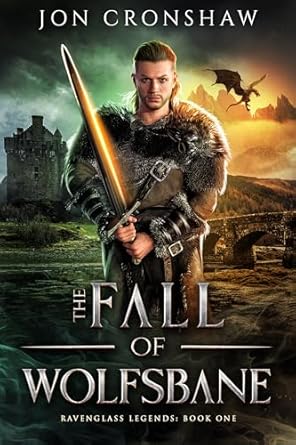
Out now: The Fall of Wolfsbane

When the Ostreich Empire shatters his world and enslaves his people, Ragnar Wolfsbane vows to fight back.

Thrust into a dangerous game of imperial intrigue, Ragnar must learn to navigate a world of forbidden magic and hidden agendas.

But as the true power of ravenglass emerges, Ragnar’s choices could lead to salvation or ruin for those he holds dear.

Immerse yourself in a vivid fantasy realm where the lines between hero and villain blur.

Will Ragnar rise to become the leader his clan needs, or will the Empire’s machinations crush his resolve?

Find out in The Fall of Wolfsbane, a character-driven high fantasy novel.

The Fascinating World of Fantasy Magic: The 10 Types You Need to Know

Discover the fascinating world of fantasy magic and explore the 10 types you need to know. From elemental and necromancy to healing and time magic, delve into the enchanting realm of spells, creatures, and extraordinary abilities.

Fantasy literature is brimming with creativity, presenting readers with a myriad of magical abilities.

These abilities stretch the imagination and define the worlds in which they exist.

From awe-inspiring spells to mysterious artifacts, magic often serves as the heartbeat of fantasy stories.

Below is a detailed look at ten common types of magic in fantasy fiction.

Each type of magic brings its own unique flavour to the genre.


Elemental Magic

Elemental magic grants users the ability to control and manipulate the natural elements: fire, water, earth, and air.

Practitioners can summon raging flames to fend off foes or create towering waves to protect a city.

Some mages use their power to shape mountains or generate storms.

Elemental magic is versatile, serving both offensive and defensive purposes.

Certain fantasy worlds expand this magic to include lesser-known elements like lightning, ice, or metal.


Necromancy

Necromancy is the ability to command the dead or commune with spirits.

Necromancers might reanimate skeletons to serve as an army or seek wisdom from long-deceased sages.

This type of magic is often shrouded in mystery and fear.

While frequently portrayed as sinister, necromancy isn’t always malevolent.

Some necromancers use their abilities to lay restless spirits to peace.

Its association with death and the afterlife makes necromancy one of the most morally ambiguous forms of magic.


Illusion Magic

Illusion magic allows its users to create visual, auditory, and tactile deceptions.

It excels in stealth and subterfuge, often used to mislead enemies or influence allies.

Practitioners can turn invisible, mimic voices, or conjure false landscapes.

A skilled illusionist might convince a foe they’re trapped in a labyrinth or impersonate someone else entirely.

Despite its lack of direct physical power, illusion magic can alter the course of battles or entire stories.


Healing Magic

Healing magic grants the ability to mend physical wounds, cure diseases, and soothe mental anguish.

It is often associated with benevolent healers and clerics.

Healers may regenerate lost limbs or reverse the effects of poison.

In darker stories, healing magic might come at a cost, such as draining the life force of the healer or another source.

This magic embodies hope and renewal but may carry hidden risks.


Time Magic

Time magic grants its users control over the flow of time, allowing them to halt or reverse its passage.

Practitioners might freeze an enemy mid-strike or relive pivotal moments in their lives.

Time magic can also grant glimpses into the future, providing strategic advantages.

This type of magic is often reserved for ancient and enigmatic figures.

Its use is fraught with risks, exploring themes of destiny and consequence.


Divine Magic

Divine magic is bestowed by gods or celestial beings.

It is closely tied to faith and morality, often wielded by paladins, priests, or chosen champions.

Divine magic manifests as holy fire, blessings that bolster allies, or protective wards against dark forces.

It is often used to perform miracles or smite evil.

This magic typically requires devotion and is subject to the will of the divine entity granting it.


Blood Magic

Blood magic draws its strength from the life essence of the practitioner or others.

It often demands a heavy toll, such as pain, sacrifice, or death.

Blood mages might use their power to enhance abilities, summon creatures, or perform forbidden rituals.

This type of magic is associated with darkness and danger but can also have protective or healing applications.

Blood magic’s reliance on sacrifice makes it one of the most controversial forms of magic.


Nature Magic

Nature magic connects its user to the living world, enabling communication with plants and animals.

Druids and forest mages use their powers to regrow forests or summon vines to entangle foes.

This magic can also control weather patterns, calming storms or summoning rains.

Nature magic often aligns with themes of balance and harmony.

Its users strive to preserve the natural world and its delicate ecosystems.


Summoning Magic

Summoning magic involves calling forth creatures, spirits, or constructs to serve the summoner.

These summoned entities can range from benevolent elemental beings to fearsome demons.

Summoners often form bonds with their creatures, offering protection or guidance in exchange for loyalty.

Reckless summoning can lead to disastrous consequences if the entity summoned cannot be controlled.

This magic often highlights themes of power, responsibility, and the unknown.


Shape-shifting Magic

Shape-shifting magic allows its users to alter their physical form, transforming into animals or mythical creatures.

Werewolves, druids, and sorcerers often embody this power.

Shape-shifters might use this magic to adapt to challenges, escape danger, or gain new abilities.

They might acquire the strength of a bear, the speed of a hawk, or the stealth of a cat.

This type of magic often explores themes of identity, balance, and transformation.


Fantasy literature thrives on its imaginative portrayal of magic.

These magical systems shape the conflicts, triumphs, and journeys of unforgettable stories.

Whether steeped in tradition or entirely unique, magic remains a cornerstone of the genre.


Out now: The Fall of Wolfsbane

When the Ostreich Empire shatters his world and enslaves his people, Ragnar Wolfsbane vows to fight back.

Thrust into a dangerous game of imperial intrigue, Ragnar must learn to navigate a world of forbidden magic and hidden agendas.

But as the true power of ravenglass emerges, Ragnar’s choices could lead to salvation or ruin for those he holds dear.

Immerse yourself in a vivid fantasy realm where the lines between hero and villain blur.

Will Ragnar rise to become the leader his clan needs, or will the Empire’s machinations crush his resolve?

Find out in The Fall of Wolfsbane, a character-driven high fantasy novel.