

Magic systems are the backbone of many fantasy worlds.
They shape the rules, conflicts, and characters of the story.
Whether governed by strict logic or cloaked in mystery, magic defines the boundaries of what is possible.
This article explores the spectrum of magic systems, from the scientific and structured to the mystical and enigmatic.
Examples are included to highlight the unique contributions of each type to fantasy literature.
What Is a Magic System?
A magic system is the framework within a fantasy world that dictates how magic functions.
It answers key questions such as who can use magic, what are its limitations, and how does it affect the world.
Magic systems are broadly classified into two types: hard magic and soft magic.
Hard Magic Systems: The Scientific Approach
Hard magic systems operate with clear rules and limitations.
They often resemble a science in their logic and structure.
These systems help readers understand how magic works.
They create tension and opportunities for problem-solving.
Brandon Sanderson’s Mistborn series is a prime example.
In Mistborn, Allomancy is governed by precise laws.
Characters consume metals to gain specific abilities, such as enhanced strength or heightened senses.
The limits of Allomancy—like running out of metals—add stakes and drive the plot forward.
Patrick Rothfuss’s The Kingkiller Chronicle is another example.
In this series, Sympathy, a form of magic, relies on physical principles like energy transfer.
This scientific approach makes the magic feel grounded.
It engages readers who appreciate logical consistency.
Soft Magic Systems: The Mystical Approach
Soft magic systems are less defined.
They leave much to the imagination.
These systems create wonder and highlight themes of mystery and the unknown.
J.R.R. Tolkien’s The Lord of the Rings features a soft magic system.
The true nature of magic in Tolkien’s world remains elusive.
Characters like Gandalf wield immense power, but the mechanics are never fully explained.
This approach reinforces the sense of awe and otherworldliness.
Ursula K. Le Guin’s Earthsea series is another example.
In Earthsea, magic is tied to names and balance, blending the mystical with philosophical themes.
The vagueness of soft magic allows authors to focus on narrative over rules.
Hybrid Magic Systems: Balancing Science and Mystery
Many fantasy authors blend elements of hard and soft magic.
This creates a balance between clarity and wonder.
George R.R. Martin’s A Song of Ice and Fire is a notable example.
In this series, magic starts as a faint and mysterious force.
As the story progresses, magic gains more structure and context.
The reanimation of the dead and the abilities of greenseers illustrate this balance.
Leigh Bardugo’s Grishaverse also uses a hybrid system.
The magic of Grisha follows scientific principles yet retains an air of mystery.
This blend appeals to readers who enjoy both logical systems and the allure of the unknown.
Cultural and Thematic Influences on Magic Systems
Magic systems often reflect the cultural and thematic underpinnings of their worlds.
In N.K. Jemisin’s The Broken Earth trilogy, orogeny (magic) is deeply tied to themes of oppression and control.
The rules of orogeny reflect the harsh realities of a world where power comes at a cost.
Andrzej Sapkowski’s The Witcher series provides another example.
In The Witcher, magic is influenced by Eastern European folklore and superstition.
The blend of cultural roots adds depth and authenticity to the magic systems.
This enriches the world-building and the reader’s experience.
Why Magic Systems Matter in Fantasy
Magic systems do more than create fantastical powers.
They shape the tone, stakes, and themes of a story.
A well-constructed system gives characters meaningful challenges.
It ensures the world feels immersive and believable.
In Sanderson’s Stormlight Archive, the complex mechanics of Stormlight enhance the epic scale of the story.
Conversely, in magical realism like Gabriel García Márquez’s One Hundred Years of Solitude, the undefined nature of magic reflects its seamless blending with reality.
Building Your Own Magic System
If you’re a writer, consider several factors when creating a magic system.
First, define its source: is it natural, divine, or technological?
Second, establish its rules and limits: what can and cannot be done?
Third, link magic to your world: how does it influence culture, politics, or daily life?
Finally, decide its purpose: will it inspire wonder, drive conflict, or solve problems?
By answering these questions, you can craft a unique and integral magic system.
The Spectrum of Magic Systems in Fantasy
Magic systems in fantasy range from the scientific precision of hard magic to the ethereal mystery of soft magic.
Both approaches offer unique storytelling opportunities.
They can create tension, inspire wonder, or explore deeper themes.
From Sanderson’s logical frameworks to Tolkien’s mysterious enchantments, magic systems remain a cornerstone of the genre.
Understanding how magic operates in fantasy helps readers and writers alike appreciate the depth and creativity of these enchanting worlds.
Out now: The Fall of Wolfsbane
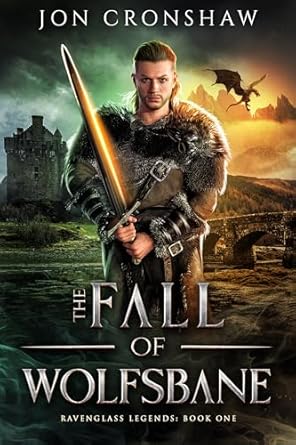
When the Ostreich Empire shatters his world and enslaves his people, Ragnar Wolfsbane vows to fight back.
Thrust into a dangerous game of imperial intrigue, Ragnar must learn to navigate a world of forbidden magic and hidden agendas.
But as the true power of ravenglass emerges, Ragnar’s choices could lead to salvation or ruin for those he holds dear.
Immerse yourself in a vivid fantasy realm where the lines between hero and villain blur.
Will Ragnar rise to become the leader his clan needs, or will the Empire’s machinations crush his resolve?
Find out in The Fall of Wolfsbane, a character-driven high fantasy novel.
