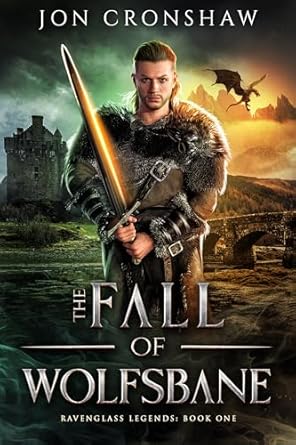
Discover the enduring tropes that shape fantasy literature. From quests and chosen ones to magic swords and wise mentors, explore the familiar elements that make the genre captivating.
Fantasy literature is known for its rich and diverse worlds, as well as its use of familiar tropes and conventions.
These tropes have become staples of the genre and are often used to create familiar and relatable stories for readers.
Here are ten of the most enduring tropes in fantasy literature:
1. The Quest.
A journey undertaken by the protagonist(s) in order to achieve a specific goal, such as finding a powerful artifact or saving the world.
2. The Chosen One.
A character who is chosen by fate or prophecy to save the world or fulfill a special destiny.
3. The Magic Sword.
A powerful weapon that is often imbued with magic and is vital to the quest or the hero’s journey.
4. The Dark Lord.
An evil and powerful antagonist who seeks to destroy the world or conquer it.
5. The Wise Old Mentor.
An experienced and wise character who guides and advises the protagonist(s) on their quest.
6. The Horde of Mooks.
A group of weak and disposable minions or enemies who are easily defeated by the protagonist(s).
7. The Magic School.
A place where young characters learn about magic and hone their skills, often with a prestigious reputation.
8. The Secret Legacy.
A hidden truth or power that the protagonist(s) discover about their past or their family.
9. The Back from the Dead.
A character who is believed to be dead but returns to the story, often with a new perspective or power.
10. The Deus ex Machina.
A sudden and unexpected event that resolves a seemingly impossible situation, often involving a supernatural intervention.
Discover the fascinating world of fantasy magic and explore the 10 types you need to know. From elemental and necromancy to healing and time magic, delve into the enchanting realm of spells, creatures, and extraordinary abilities.
Fantasy literature is brimming with creativity, presenting readers with a myriad of magical abilities.
These abilities stretch the imagination and define the worlds in which they exist.
From awe-inspiring spells to mysterious artifacts, magic often serves as the heartbeat of fantasy stories.
Discover the top dragons in fantasy literature! From Smaug to Drogon, explore the iconic fire-breathing beasts that have captivated readers throughout history. Dive into the enchanting world of dragons in this thrilling blog post.
Dragons are one of the most iconic and enduring fantasy creatures, appearing in stories and legends throughout history.
From the ancient tales of Asian and European folklore to modern fantasy literature, dragons have captured the imagination of people all over the world.
Here are five awesome dragons in fantasy literature:
1. Smaug from J.R.R. Tolkien’s The Hobbit.
Smaug is one of the most famous and fearsome dragons in fantasy literature. He is known for his vast hoard of treasure and his ability to breathe fire.
2. Drogon, Rhaegal, and Viserion from George R.R. Martin’s A Song of Ice and Fire series.
Drogon, Rhaegal, and Viserion, also known as the dragons of Daenerys Targaryen, play a central role in the story, and are known for their ferocity and loyalty to their mother, Daenerys.
3. Glaurung from J.R.R. Tolkien’s The Silmarillion.
Also known as the “Father of Dragons,” Glaurung was the first dragon created by Morgoth, the main antagonist of the story.
Glaurung is known for his intelligence and his ability to speak. He is able to use his cunning and manipulation to control the minds of others, making him one of the most dangerous creatures in Middle-earth.
4. Saphira from Christopher Paolini’s Inheritance Cycle series.
Saphira is the dragon companion of the protagonist, Eragon. She is known for her intelligence, loyalty and fierce power. She is able to communicate telepathically with Eragon, and the two form a deep bond throughout the series.
5. Tintaglia from Robin Hobb’s Liveship Traders series.
Tintaglia is the last of her kind and is initially seen as a powerful, majestic and proud creature. She is fiercely protective of her eggs and will stop at nothing to defend them. However, as the story progresses, we see Tintaglia’s vulnerability and her struggle for survival as she faces illness and injury.