Explore the diverse anatomy of zombie types, from the Classic Romero Zombies to Mutated Monster Zombies. Get to know their features, habitats, and survival strategies. A must-read for any zombie aficionado!
Whether shambling, sprinting, or just standing menacingly, zombies have captured our collective imagination like a fever (or a highly infectious virus).
While most people know the basic anatomy of a zombie—decaying flesh, insatiable hunger for human brains, the occasional missing limb—not everyone is aware of the various “species” within the undead realm.
Let’s delve into the anatomy of different zombie types to know what we’re up against, shall we?
1. The Classic Romero Zombie
Anatomical Features: Slow-moving, reanimated corpse, often sporting a fine layer of decay and decomposition.
Survival Strategy: Numbers. These zombies rely on hordes to overwhelm their prey.
Famous Examples: “Night of the Living Dead,” “Dawn of the Dead”
2. The Fast-Moving Modern Zombie
Anatomical Features: Leaner, more agile, often covered in open sores or mutations.
Preferred Habitat: Urban environments where they can show off their sprinting skills.
Survival Strategy: Speed and aggression.
Famous Examples: “28 Days Later,” “World War Z”
3. The Sentient Zombie
Anatomical Features: Retains some human-like characteristics, such as speech or emotions. Might even look somewhat decent if it weren’t for those pesky hunger issues.
Preferred Habitat: Among other sentient beings, often leading packs of less-intelligent zombies.
Survival Strategy: Deception and tactical planning.
Famous Examples: “Day of the Dead,” “Land of the Dead”
4. The Voodoo Zombie
Anatomical Features: Not necessarily decomposed, but usually displaying a glazed-over look.
Survival Strategy: These zombies aren’t self-sufficient; they’re controlled by a Voodoo practitioner.
Famous Examples: “White Zombie,” “The Serpent and the Rainbow”
5. The Mutated Monster Zombie
Anatomical Features: Extreme mutations, such as elongated limbs, tentacles, or other monstrous features.
Preferred Habitat: Usually found in secret labs, abandoned hospitals, or other places ripe for a B-movie.
Survival Strategy: Their mutations often give them unique abilities like shooting acid or incredible strength.
Famous Examples: “Resident Evil,” “The Last of Us”
6. The Comic Zombie
Anatomical Features: Similar to the Classic Romero Zombie but prone to comical situations or even a sense of irony.
Preferred Habitat: Comedy clubs, sitcoms, or stumbling through rom-coms.
Survival Strategy: Comedy relief, mostly harmless unless in large groups.
Famous Examples: “Shaun of the Dead,” “Zombieland”
7. The Cursed Zombie
Anatomical Features: Brought back to life through a curse or magical means, often retaining a ghostly, ethereal appearance.
Preferred Habitat: Ancient tombs, creepy old mansions, and castles.
Survival Strategy: The curse that reanimates them usually provides some form of magical protection or strength.
Famous Examples: “Pet Sematary,” “The Evil Dead”
Which is your favourite?
As you can see, the zombie kingdom is as diverse as it is deadly.
From the slow-moving Classic Romero Zombies to the speed demons in modern films, each species comes with its own set of anatomical features, habitats, and survival strategies.
Next time you find yourself in a fictional zombie apocalypse, you’ll know exactly what you’re dealing with.
So stock up on cricket bats, shotguns, or ancient talismans, and let the survival games begin.
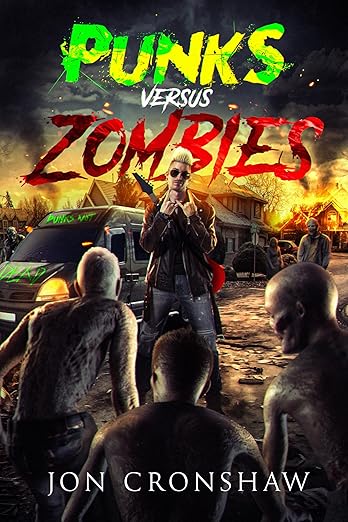
If you’re a fan a the Romero-type zombie, you might enjoy my ongoing serial, Punks Versus Zombies!
Now let’s talk about the tropes that make these deadly darlings as predictable as a soap opera plot twist.
You might think assassins are all about shock value, but let’s be honest—they’re as full of clichés as a politician’s promise.
The Untraceable Poison
The quintessential tool for anyone wanting to dispatch someone without muss or fuss.
This poison is always untraceable, available only from a rare flower that blooms once in a blue moon, on a mountaintop guarded by dragons.
Convenient, isn’t it?
Signature Twist: The antidote is just as difficult to procure, leading to a dramatic race against time.
The Mentor Figure
Behind every angsty, overly competent assassin is an even more competent mentor figure.
Usually greying and filled with wisdom, this character is often employed to remind our hero about “the code” and to occasionally slap them back to their senses.
Signature Twist: Mentor turns out to be the villain. Oh, the betrayal!
The Shadowy Assassin Guild
Let’s face it, lone wolves are so last season.
Nowadays, you’re not a legit assassin unless you belong to a highly secretive, ludicrously named guild.
From “The Shadow’s Hand” to “Death’s Whisperers,” it seems assassins are as fond of drama as they are of daggers.
Signature Twist: The guild turns out to be corrupt (shock, horror!), giving our hero a brand new kill list.
The Love Interest Who Changes Everything
This is the equivalent of a midlife crisis but with more stabbing.
Suddenly, our cold-hearted killer meets someone who melts their icy demeanour faster than climate change is melting the polar ice caps.
Cue moral dilemma.
Signature Twist: The love interest is the next target. Love or duty? Ah, the eternal question.
The Loyal Sidekick
The Watson to the assassin’s Holmes.
This character is usually less skilled but provides emotional support, comic relief, or a conveniently timed distraction.
You know, like a human fidget spinner for the assassin.
Signature Twist: The sidekick actually saves the day, reversing the roles and making the protagonist look like a bit of an idiot.
The Perfect Disguise
Apparently, all an assassin needs to remain incognito is a hooded cloak.
Forget DNA, facial recognition, or even a basic “Wanted” poster.
A piece of fabric makes them unrecognizable, and they blend into the crowd like sugar in tea.
Signature Twist: The disguise is penetrated by a child or a beggar—the overlooked members of society. Always a humbling moment.
The Unanticipated Redemption Arc
No one wants to root for someone who’s all bad, hence the redemption arc.
Our assassin, who has hitherto dispatched people with the emotional range of a teaspoon, suddenly discovers empathy. Who knew?
Signature Twist: The redemption is a farce; it’s all part of an elaborate plot twist that leaves readers (and enemies) shocked.
The Not-So-Final Retirement
Finally, the stage where our assassin hangs up their blades, settles down, and considers taking up knitting.
But who are we kidding?
Once an assassin, always an assassin.
Signature Twist: They come out of retirement for one last job. Predictable, yet we eat it up every time.
So, the next time you pick up an assassin-based fantasy novel, you’ll know exactly what you’re in for.
Tropes, like death and taxes, are inevitable.
But they’re also what make these deadly stories as comforting as a cuppa on a rainy day. Enjoy your murderous reading!
Delve into the rise of moral ambiguity in modern fantasy literature. Explore why morally grey characters have become essential, enriching plots and themes alike.
The classic tale of good versus evil is a narrative as old as storytelling itself.
But lo and behold, the literary landscape has undergone a seismic shift.
The manichean struggle has faded into obscurity, replaced by the intoxicating aroma of moral ambiguity.
Welcome to modern fantasy, where the heroes aren’t as virtuous as they seem and the villains aren’t necessarily in need of a good smiting.
Gone Are the Days of the Unblemished Hero
Remember the paragons of virtue, those champions of justice that graced the pages of early fantasy novels?
Well, it’s time to retire those lily-white conceptions of heroism.
The modern fantasy hero is as pure as a puddle in London—murky and filled with complexities.
Today’s protagonists come with vices, make questionable decisions, and show us that even heroes have a dark side.
Think Geralt of Rivia, the monster slayer with his own monstrous tendencies, or Kvothe from The Kingkiller Chronicle, who’s as flawed as he is brilliant.
Villains You Could Have a Pint With
If the heroes are grey, then the villains must be… also grey?
Yes, you read that right.
Gone are the days of malevolent dark lords brooding in their lairs, twirling their proverbial mustaches.
Modern fantasy presents antagonists you can empathize with, whose motivations go beyond mere world domination.
Look at Sanderson’s Moash from the Stormlight Archive, or Martin’s Jamie Lannister—a man who goes from pushing a child out a window to becoming one of the series’ most complicated and endearing characters.
The World Isn’t Black and White, So Why Should Fantasy Be?
Real-world politics and ethics are messy, so it only makes sense that modern fantasy reflects this complexity.
Authors incorporate sociopolitical and ethical questions into their works, pushing readers to confront their own beliefs.
Characters become mouthpieces for conflicting philosophies, creating a playground for ethical debate.
The lines between right and wrong are deliciously blurred, leaving readers to wrestle with moral quandaries long after the book is closed.
Complexity as a Narrative Tool
Moral ambiguity serves more than just thematic depth; it’s a potent narrative tool.
A morally grey character keeps readers on their toes, injecting unpredictability into the plot.
Will the antihero redeem themselves or plunge further into darkness?
It’s this suspense that turns casual readers into frothing fanatics, discussing theories online as if life depended on it.
What’s Fueling This Trend?
One could argue that this trend is a reflection of our increasingly complex world.
Or perhaps it’s due to the natural evolution of the genre, influenced by postmodernist ideas questioning the nature of truth and morality.
Then again, maybe writers are just fed up with archetypes and want to play in the muddy waters of human complexity.
The Takeaway
Moral ambiguity is more than a trend—it’s a revelation that has invigorated the fantasy genre.
It allows for more nuanced storytelling, richer characters, and a direct line to the messy questions that occupy our real-world selves.
So here’s to the morally grey characters who have made fantasy more colourful.
They’ve not only complicated our understanding of right and wrong, they’ve made it infinitely more interesting to read about.
Explore the various assassin archetypes you’ll encounter in fantasy novels. From the brooding anti-hero to the ethical killer, discover their quirks.
Ah, assassins. Those lovable rogues who kill people for money, political advantage, or, you know, just for the sheer artistic expression of it.
With more stealth than a cat burglar and more blades than a Swiss Army knife, they’ve been gracing the pages of fantasy literature for years.
Much like that creepy guy at the pub who won’t stop talking about his knife collection, they’re hard to ignore.
So, as we venture into the labyrinthine corridors of fantasy literature, let’s look at the types of assassins you’re likely to bump into (and hopefully, survive to tell the tale).
The Old Timer
This geezer’s been around the block more times than a Deliveroo cyclist.
He’s a master of the game, knows every trick in the book, and makes youngsters look like mere novices wielding a butter knife.
Just because he might need a little WD-40 on those joints doesn’t mean he won’t cut you seven ways to Sunday.
Signature Move: The “I’ve seen it all” eye-roll followed by a swift knife throw.
The Brooding Anti-Hero
This one comes with a lifetime supply of angst and emotional baggage, conveniently stored in a dark leather cloak.
Typically a protagonist, he’s either out for revenge or running away from a past that includes more skeletons than a medical school’s supply closet.
He’ll reluctantly save the world, but only if he can do it while maintaining a sulky demeanour.
Signature Move: The monologue about how life has been unfair to him, just before slitting someone’s throat.
The Femme Fatale
She’s as deadly as she is beautiful, and often clad in impractical but jaw-dropping attire. (Really, how does one sprint across rooftops in stilettos?)
She doesn’t only have a dagger up her sleeve but also a cunning plan.
The Femme Fatale will kill you, steal the artifact, and break your heart—all before brunch.
Signature Move: Poisoned lipstick. Fatal and fabulous.
The Ethical Assassin
This character is the fantasy equivalent of the person who brings a reusable cup to a gunfight.
They’ve got a code, you see—no women, no children, and absolutely no killing of innocent unicorns.
They’re the vegans of the assassin world; they’ll still kill you, but they’ll feel guilty about it.
Signature Move: The apologetic letter left on your corpse, explaining that it was, regrettably, just business.
The Magical Menace
Why settle for mere mortal methods when you can warp time, control minds, or teleport behind your target with a whimsical flick of the wrist?
Yes, this assassin makes you question the fairness of the universe.
They’ve got magic to do their dirty work. Not content with just a blade, they’ve added pyrotechnics for good measure.
Signature Move: Turning you into a toad, then squishing you. Efficient, really.
The Comic Relief
This one’s less ‘cloak and dagger’ and more ‘joke and snigger.’
They’ll kill you, but they’ll make a pun while doing it.
Most often found in ensembles where their levity balances out the incessant brooding of the Anti-Hero.
Signature Move: Telling a “knock-knock” joke, then knocking you dead.
The Incompetent
The ‘comic relief’s’ not-so-distant cousin.
This assassin’s bark is far worse than their bite, and they’re likely to trip on their cloak, fall on their own dagger, or mistakenly poison themselves.
They’re like the Mr. Bean of the assassin world, only far less endearing.
Signature Move: Accidentally killing themselves, thereby saving you the trouble.
So there we have it, a merry band of miscreants who’ll keep you looking over your shoulder in every imaginary realm.
Whether they’re old or young, magical or mirthful, they share a common purpose: to add a dash of deathly excitement to your next fantasy adventure.
Choose your favourite, but remember: being fond of an assassin is like cuddling a cactus—painful and ill-advised.
Discover ten fantasy books that capture the essence of Dungeons & Dragons (D&D), taking you on an epic literary journey filled with world-building, intricate plots, and captivating characters. Get ready for adventure and satisfy your D&D cravings with these must-reads.
If you’re an ardent player of Dungeons & Dragons (D&D), chances are you’re no stranger to expansive world-building, intricate plots, and fascinating characters.
To keep your adventure cravings satisfied, we’ve compiled a list of ten fantasy books that will make you feel like you’re right back at the gaming table.
So, dust off your reading glasses and prepare for a literary journey that reflects the essence of D&D.
Kings of the Wyld by Nicholas Eames
For fans of D&D who love the classic quest format, Kings of the Wyld is a must-read.
The story follows a group of washed-up mercenaries on a high-stakes rescue mission.
The tale is rich in humour and camaraderie and calls back to the classic idea of adventuring parties in D&D.
The author’s affectionate and amusing nods to D&D tropes make it a book that’s not just an entertaining read but a nostalgic one for veteran D&D players.
This novel brings you into the lives of the Greatcoats – a group of wandering duellists tasked with upholding justice, reminiscent of D&D’s Fighters or Paladins.
With a mix of swashbuckling action, an intriguing justice system, and characters that are charmingly flawed yet noble, Traitor’s Blade showcases a camaraderie between characters that you might recognize from your D&D party.
Its engaging storyline and tactical combat will resonate with those who love detailed combat in their D&D sessions.
A satirical and clever take on classic fantasy tropes, Orconomics is a perfect blend of comedy, economics, and high fantasy.
Pike crafts a world where adventuring is an industry and monsters are hunted for their loot, akin to a D&D campaign but through a cleverly corporate lens.
The economic system’s intricacy, diverse cast of characters, and the detailed world-building provide elements D&D enthusiasts will appreciate.
Bardugo’s novel, set in the gritty underworld of Ketterdam, echoes D&D’s rogue-infested urban settings.
The narrative follows a band of six unlikely companions on an impossible heist, each with their unique skills and backstory, much like a D&D party.
The intricate heist plot will attract D&D players who love planning and strategizing their missions, and the immersive world-building makes it a compelling read for those who enjoy the depth of lore in their D&D campaigns.
The Final Empire (Mistborn Series) by Brandon Sanderson
The Final Empire offers a unique magic system that fans of D&D’s magic mechanics will enjoy.
The concept of Allomancy (using various metals to fuel magic) provides a fresh perspective on magical systems that D&D wizards or sorcerers might appreciate.
The book also explores themes of rebellion and revolution, set against a dystopian backdrop, offering intricate political manoeuvrings that may resonate with D&D campaigns full of intrigue and societal unrest.
This series is an excellent fit for fans of strong female characters and the Paladin class in D&D.
It follows Alanna of Trebond, who disguises herself as a boy to train as a knight.
Throughout her journey, she grapples with her identity, her magical abilities, and her duty to her kingdom.
The books are a fantastic exploration of courage, perseverance, and embracing one’s destiny, making them a great read for anyone who enjoys stories of heroic quests and overcoming great odds.
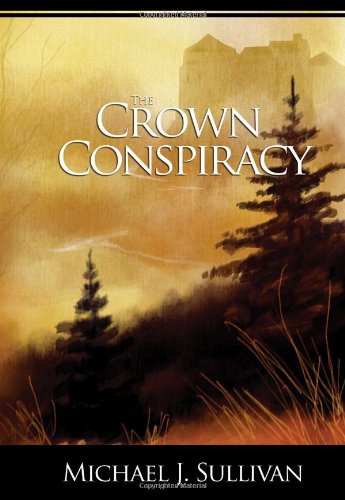
This novel introduces us to Royce Melborn, a skilled thief, and his sword-wielding companion, Hadrian Blackwater. Together, they form the notorious duo known as Riyria.
When the pair are falsely accused of killing the king, they must use their skills to prove their innocence and uncover a conspiracy.
Sullivan’s novel, full of witty banter, dynamic combat, and thrilling intrigue, makes it a joy to read for those D&D players who love the excitement of unexpected twists and plots within their campaigns.
Kohanek’s world is one where fate is mutable, and prophecies are a significant part of the narrative.
Eye of Obscurance presents an epic quest filled with magic, gods, and fate, sure to please D&D players who enjoy rich lore and divine intervention in their games.
Fans of the Sorcerer class might find a kindred spirit in the protagonist, an untrained sorcerer named Fate. His journey from novice to master is both engaging and inspiring, reflecting the growth D&D characters experience throughout their adventures.
No D&D-themed book list would be complete without mentioning R.A. Salvatore, particularly his book, Homeland.
This novel is the start of the legend of Drizzt Do’Urden, one of the most iconic characters from the Forgotten Realms setting in D&D.
This tale of resilience, integrity, and self-discovery in a dark and unforgiving world will resonate with fans who’ve braved the Underdark and faced drow societies in their D&D campaigns.
The immersive descriptions and the unique combat style of Drizzt will also provide valuable inspiration for both players and DMs.
For fans of D&D campaigns brimming with intrigue, moral complexity, and heart-pounding action, Guild of Assassins delivers in spades.
The story follows Soren, a young sculptor thrust into a cutthroat assassins’ guild after his father’s murder. His transformation from an idealistic artist to a relentless seeker of vengeance mirrors the development arcs many D&D characters undergo when shaped by tragedy and ambition.
With vivid world-building and a cast of morally ambiguous characters, the book offers a gritty, emotionally charged experience that will resonate with those who enjoy exploring the darker side of D&D campaigns. Soren’s harrowing training alongside his friend Alaric provides intense moments of camaraderie and tension, akin to the dynamics found in a tightly-knit adventuring party.
The focus on stealth, tactical combat, and the psychological cost of violence makes Guild of Assassins a must-read for players who favour rogue, assassin, or morally grey character archetypes. Its rich narrative and visceral storytelling will keep you gripped until the final page.
These novels each offer a unique perspective, with heroes and villains that could easily have stepped out of a D&D campaign.
If you’re looking for your next fantasy read or seeking inspiration for your upcoming D&D session, these books are a great place to start.
Now, grab your preferred beverage, find a comfy chair, and prepare to be transported to realms of high fantasy, thrilling adventure, and gripping intrigue.
Let me know in the comments what books you would recommend.
Explore the best fantasy books to win the prestigious Hugo Award, triumphing over science fiction. Dive into enchanting tales of magic, gods, alternate worlds, and epic battles that have captivated readers and earned their place among the stars of speculative fiction.
Today, we delve into the fantastical world of the Hugo Awards.
Though primarily a sci-fi playground, over the years we’ve seen a few notable gems from the fantasy genre that have managed to claim the best novel prize.
What are the Hugo Awards, and why do they matter?
Established in 1953, the Hugo Awards recognise the best works in science fiction and fantasy literature. Named in honour of Hugo Gernsback, the founding father of science fiction magazines, these awards are presented annually at the World Science Fiction Convention (Worldcon).
It’s not just about the honour, though—winners can also expect a rocket-shaped trophy, which we imagine makes quite the conversation starter.
While sci-fi tends to dominate the Hugo Awards, a handful of fantasy novels have managed to swoop in and snatch the prize.
So, today I want to share five of the best fantasy novels that have won the Hugo Award.
1. “Jonathan Strange & Mr Norrell” by Susanna Clarke (2005)
In an alternate history where magic once existed and is now all but forgotten, enter two magicians: the reclusive Mr Norrell and his ambitious pupil, Jonathan Strange. This enchanting tale of their rivalry, friendship, and the rediscovery of English magic is as thick as the ancient tomes they study (literally—it’s a hefty 800 pages). But fear not, for Susanna Clarke weaves a spellbinding narrative that will have you turning pages faster than you can say “Wingardium Leviosa.”
2. “American Gods” by Neil Gaiman (2002)
Neil Gaiman, the master of modern myth-making, brings us an epic road trip through the hidden heart of America. The story follows Shadow, an ex-con who finds himself entangled in a war between old gods, brought to America by immigrants, and new gods born from modern obsessions. With a cast of characters that includes leprechauns, trickster gods, and an undead wife, “American Gods” is a fantastical, mind-bending experience that proves Gaiman’s status as a literary god himself.
3. “The City & The City” by China Miéville (2010)
Imagine two cities, occupying the same geographical space but completely invisible to one another. Citizens of each city must “unsee” the inhabitants and buildings of the other, or risk the wrath of a mysterious force known as Breach. When a murder investigation forces Inspector Tyador Borlú to traverse the border between these cities, he uncovers a conspiracy that threatens the delicate balance between the two. Miéville’s mastery of blending fantasy, mystery, and political intrigue makes “The City & The City” a truly unique and captivating read.
4. “A Game of Thrones” by George R.R. Martin (1997)
Ah, “A Game of Thrones”–the book that launched a thousand memes (and an incredibly popular television series). In this first instalment of the “A Song of Ice and Fire” series, George R.R. Martin transports us to the brutal and treacherous realm of Westeros, where noble houses vie for power, control, and ultimately, the Iron Throne. With a dizzying array of characters, intricate plotlines, and a penchant for killing off fan favourites, “A Game of Thrones” is an epic, blood-soaked fantasy that keeps readers on their toes and their hearts in their throats.
5. “The Stone Sky” by N.K. Jemisin (2018)
In this triumphant conclusion to the “Broken Earth” trilogy, N.K. Jemisin takes us back to the Stillness—a continent plagued by catastrophic climate events, oppressive social structures, and the occasional earth-shattering superweapon. As mother and daughter Essun and Nassun face off to determine the fate of their shattered world, Jemisin weaves a masterful tale of power, sacrifice, and the lengths people will go to survive. “The Stone Sky” not only won the Hugo Award, but also completed Jemisin’s hat trick, as each book in the trilogy took home the prize.
Fantasy for the WIn!
While science fiction may be the star of the Hugo Awards, these five fantasy novels have proven their worth by winning the coveted rocket trophy.
With their rich worlds, unforgettable characters, and spellbinding stories, they have earned their place among the stars of speculative fiction.
So, brew yourself a cuppa, grab a cosy blanket, and escape into the fantastical realms of these award-winning novels. Happy reading!
Explore the top 10 must-read zombie novels that go beyond gore to offer thrilling narratives and deep psychological insights. Perfect for horror fans!
Zombies have been shambling, lumbering, and occasionally sprinting through the horror and post-apocalyptic genres for decades.
While zombie movies often get the spotlight, zombie novels offer a deeper dive into the apocalyptic world where the undead are more than just target practice.
Here’s a list of the top ten zombie novels that will satiate your hunger for more cerebral (pun intended) undead tales.
Set in a post-apocalyptic world surrounded by forests filled with zombies, known as “Unconsecrated,” this young adult novel explores love, loss, and survival.
It’s a bit like ‘The Walking Dead’ meets ‘The Handmaid’s Tale.’
Set in a world where zombies are a part of daily life and society has adapted to coexist with the undead, this novel blends traditional zombie horror with political intrigue and conspiracy theories.
There you have it—a list of zombie novels that run the gamut from hardcore survivalist narratives to emotional dramas set against the backdrop of a crumbling world.
If your zombie fandom is yearning for more than just a two-hour gore-fest, these novels will keep you up at night, turning pages and double-checking the locks on your doors.
What are your favourites? Which ones have I missed? Let me know in the comments.
Discover the captivating world of historical fiction through these must-read novels! From Viking invasions to Tudor England, immerse yourself in rich storytelling and gripping storylines that will transport you to different times and places.
As a fantasy reader, you might be drawn to the novels of J.R.R. Tolkien, George R.R. Martin, and other masters of the genre.
You revel in the magical realms, mythical creatures, and epic battles that define the world of fantasy literature.
But have you ever considered exploring the equally enthralling world of historical fiction?
Historical fiction novels share many of the same qualities that make fantasy so captivating: intricate world-building, rich characterisation, and gripping storylines.
By diving into this genre, you not only get to experience a different kind of adventure, but you also learn about the fascinating people and events that have shaped our own world.
Here are five historical fiction novels that will make you fall in love with the genre, just as you did with fantasy.
1. Bernard Cornwell’s Saxon Stories
Bernard Cornwell’s Saxon Stories series, also known as The Last Kingdom series, is set in 9th-10th-century Britain during the Danish invasions.
The protagonist, Uhtred of Bebbanburg, is a Saxon nobleman raised by Vikings, who must navigate the complex world of shifting alliances, political intrigue, and brutal warfare.
Much like epic fantasy novels, the Saxon Stories series features a vividly realised world, complex characters, and high-stakes conflicts.
Cornwell’s masterful storytelling will keep you on the edge of your seat as you follow Uhtred’s journey through the tumultuous events of the Viking Age.
2. Umberto Eco’s The Name of the Rose
In Umberto Eco’s The Name of the Rose, you’ll find yourself immersed in the world of a medieval monastery, where a series of mysterious murders take place.
This intellectual thriller follows William of Baskerville, a Franciscan monk, as he attempts to unravel the complex web of secrets, heresies, and hidden knowledge that lie at the heart of these crimes.
With its labyrinthine library, cryptic manuscripts, and enigmatic characters, The Name of the Rose offers the kind of intricate puzzle-solving and world-building that fantasy readers often crave.
Moreover, Eco’s eloquent prose and deft handling of historical details make this novel a true literary feast.
3. Manda Scott’s Boudica series
For fans of strong female protagonists and Celtic lore, Manda Scott’s Boudica series is a must-read.
This gripping saga chronicles the life of the legendary British warrior queen, Boudica, as she leads her people in a fierce rebellion against the occupying forces of the Roman Empire.
In addition to its compelling narrative, the Boudica series offers readers a vivid depiction of the ancient Celtic world, complete with druids, magic, and rich cultural traditions.
Scott’s meticulous research and imaginative storytelling bring this fascinating period to life, making it an unforgettable reading experience.
4. Hilary Mantel’s Wolf Hall
Step into the treacherous world of Tudor England with Hilary Mantel’s Wolf Hall, the first novel in her acclaimed Thomas Cromwell trilogy.
The story follows the meteoric rise of Cromwell, a blacksmith’s son who becomes King Henry VIII’s most trusted adviser during one of the most tumultuous periods in English history.
Wolf Hall is a riveting exploration of power, ambition, and the human condition. Mantel’s masterful prose and keen understanding of history make this novel an engrossing read, perfect for fans of the political intrigue and Machiavellian scheming often found in fantasy literature.
5. Outlaw series by Donald Angus
Donald Angus’s Outlaw series brings to life the legendary figure of Robin Hood and his band of Merry Men, who fight against injustice and tyranny in 12th-century England.
These action-packed novels combine adventure, romance, and a touch of the supernatural, providing an exhilarating reading experience for fantasy enthusiasts.
The Outlaw series is an excellent example of how historical fiction can transport readers to a different time and place, just as the best fantasy novels do.
With its vividly imagined world, colourful characters, and thrilling action sequences, this series is sure to delight fans of the fantasy genre.
Historical fiction offers a treasure trove of stories that captivate the imagination and transport readers to far-off times and places.
By delving into these five novels, you’ll discover just how much the worlds of fantasy and history have in common.
And who knows? You might just find a new favourite genre to explore.
Find yourself in a world of cloaks, daggers, and perilous professions? Discover the 7 unmistakable signs you’ve landed in an assassin fantasy novel.
We’ve all been there, right? You’re going about your daily routine when all of a sudden, you realise you’re not in Kansas anymore.
But no, it’s not some delightful fairy tale land filled with talking animals and magical trees. You’re stuck in an assassin fantasy novel.
And here’s how you know…
1. Everyone You Meet Has a Ridiculously Dangerous Profession
You’re chatting with the local tavern keeper, and she casually mentions she’s a retired necromancer. The postman is a former dragon-slayer. The greengrocer? Oh, he’s a part-time shape-shifter. It seems like everyone has a side hustle in some perilous profession or other.
2. There’s a Suspicious Amount of Leather and Cloaks
Gone are the days of jeans and T-shirts. Now, it’s all about the leather and cloaks. And don’t even get me started on the abundance of hooded figures. If you’ve started suspecting that the local fashion designer is a Dungeons & Dragons enthusiast with a penchant for the dark and dangerous, you’re probably right.
3. You’ve Developed an Unnatural Affinity for Sharp Objects
Suddenly, you’re finding yourself admiring the craftsmanship of daggers and swords in shop windows. You’ve started frequenting blacksmiths instead of supermarkets. You’re suddenly critiquing the balance and grip of a steak knife at dinner. It’s not normal, I assure you.
4. Your Food and Drink Taste…off
Ah, the classic poison trope. If your tea tastes like it has a hint of nightshade or your steak has the subtle aftertaste of hemlock, you might be in trouble. And no, it’s not just because you’ve been eating out too much.
5. Your Love Interest is Alarmingly Good at Hiding
One minute you’re walking hand in hand, and the next they’ve disappeared into the shadows. They reappear seconds later, having taken out a group of bandits single-handedly. It’s not your typical love story, but then again, who wants normal when you can have danger and excitement?
6. The Local Wildlife is Suspiciously Deadly
If you’ve noticed that the local pigeons have been replaced by fire-breathing hellhawks, and the cute bunnies in the park are now sabre-toothed moon rabbits, you might want to reconsider your daily stroll. And if you spot a unicorn, don’t be fooled. Those things are lethal.
7. You’ve Become Unusually Good at Not Dying
Despite the constant attempts on your life, you seem to be thriving. You’ve dodged arrows, escaped from dark magic, and survived more poison attempts than you can count. If you’re still alive, it’s a sure sign you’re stuck in an assassin fantasy novel.
So, there you have it. If more than one of these signs rings true, you might want to start sharpening your swords and polishing your armour.
And remember, in the world of assassin fantasy, trust no one. Not even the comedic sidekick. Especially not the comedic sidekick.
Discover the top 10 best zombie movies of all time, from classics like ‘Dawn of the Dead’ to comedies like ‘Shaun of the Dead.’ A feast for horror fans!
Those rotting, stumbling, voraciously hungry-for-human-flesh cinematic icons that just won’t die—no matter how many times you shoot them (well, you need to aim for the head, you see).
Here’s a definitive list of the ten best zombie movies that span genres, eras, and varying levels of gore, all the way from gut-wrenching horror to gut-splitting comedy.
1. Dawn of the Dead (1978)
George A. Romero’s ‘Dawn of the Dead‘ is the grandfather of all zombie flicks. Set in a shopping mall, this gem captures the very essence of ’70s America—capitalism, consumerism, and cannibalism. If you haven’t seen it yet, what in the rotting flesh are you waiting for?
2. Shaun of the Dead (2004)
If Jane Austen penned a zombie flick, this would be it. Okay, perhaps that’s a bit of a stretch, but ‘Shaun of the Dead’ is undoubtedly the ‘Pride and Prejudice’ of zombie movies—witty, British, and full of unspoken feelings (and the undead). It’s not just a comedy; it’s a ZomRomCom.
3. Bio-Zombie (1998)
Ever wondered what a Hong Kong mall would look like during a zombie apocalypse? Neither did we, but ‘Bio-Zombie’ gives us a hilarious yet grim picture nonetheless. This hidden gem is a testament to how zombie lore can transcend cultural barriers and still be a bloody good time.
4. 28 Days Later (2002)
This Danny Boyle-directed flick took zombies from lumbering loafers to Olympic sprinters. Gone are the days when you can leisurely escape from a zombie—these ones will chase you down like you’re the last piece of meat in the deli. Horrifying and groundbreaking, ‘28 Days Later’ changed the rules of the game.
5. Train to Busan (2016)
South Korea’s entry into the zombie arena comes with the kind of emotional weight that most Western zombie films lack. It’s zombies on a train—what’s not to love? Except maybe for the fact that you’ll be sobbing by the end.
6. Night of the Living Dead (1968)
Another Romero classic that started it all. This black-and-white film is not just a milestone in zombie cinema but also a potent social commentary on race and class in America. A must-see for any self-respecting zombie aficionado.
7. Zombieland (2009)
This American comedy does for zombies what ‘Scream’ did for slashers. It’s meta, it’s funny, and it has one of the best Bill Murray cameos in film history. Plus, it offers useful tips for surviving a zombie apocalypse. Double tap, anyone?
8. The Return of the Living Dead (1985)
Ever wondered where the whole “Braaaaains!” zombie trope came from? You have this 80s classic to thank for that. Part horror, part comedy, and all parts awesome, this film is punk rock in cinematic form.
9. [REC] (2007)
This Spanish found-footage horror isn’t for the faint of heart or those with motion sickness. But if you can get past the shaky camera work, you’re in for one of the most intense zombie experiences of your life.
10. World War Z (2013)
Love it or hate it, this big-budget Hollywood extravaganza took the zombie genre to global proportions. It’s like ‘The Amazing Race’, but instead of clues, you get zombies at each pit stop.
So there you have it, a smorgasbord of the very best in zombie cinema, guaranteed to keep you entertained during even the bleakest of apocalypses.
From slow-crawlers to sprinters, from comedies to tear-jerkers, the zombie genre is as alive (or undead?) as ever.
And let’s face it, in a world as unpredictable as ours, a good zombie movie is the perfect comfort food for the soul—no brains required.
If you’re a fan of zombie fiction, check out my ongoing serial, Punks Versus Zobmies!