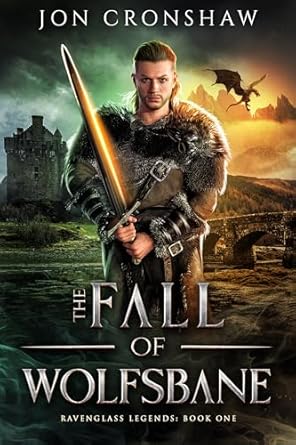
Discover the enduring tropes that shape fantasy literature. From quests and chosen ones to magic swords and wise mentors, explore the familiar elements that make the genre captivating.
Fantasy literature is known for its rich and diverse worlds, as well as its use of familiar tropes and conventions.
These tropes have become staples of the genre and are often used to create familiar and relatable stories for readers.
Here are ten of the most enduring tropes in fantasy literature:
1. The Quest.
A journey undertaken by the protagonist(s) in order to achieve a specific goal, such as finding a powerful artifact or saving the world.
2. The Chosen One.
A character who is chosen by fate or prophecy to save the world or fulfill a special destiny.
3. The Magic Sword.
A powerful weapon that is often imbued with magic and is vital to the quest or the hero’s journey.
4. The Dark Lord.
An evil and powerful antagonist who seeks to destroy the world or conquer it.
5. The Wise Old Mentor.
An experienced and wise character who guides and advises the protagonist(s) on their quest.
6. The Horde of Mooks.
A group of weak and disposable minions or enemies who are easily defeated by the protagonist(s).
7. The Magic School.
A place where young characters learn about magic and hone their skills, often with a prestigious reputation.
8. The Secret Legacy.
A hidden truth or power that the protagonist(s) discover about their past or their family.
9. The Back from the Dead.
A character who is believed to be dead but returns to the story, often with a new perspective or power.
10. The Deus ex Machina.
A sudden and unexpected event that resolves a seemingly impossible situation, often involving a supernatural intervention.
Discover the fascinating world of fantasy magic and explore the 10 types you need to know. From elemental and necromancy to healing and time magic, delve into the enchanting realm of spells, creatures, and extraordinary abilities.
Fantasy literature is brimming with creativity, presenting readers with a myriad of magical abilities.
These abilities stretch the imagination and define the worlds in which they exist.
From awe-inspiring spells to mysterious artifacts, magic often serves as the heartbeat of fantasy stories.
Uncover the allure of dragons with these seven enchanting factors. Explore their symbolism, mythology, diverse characteristics, and impact on art and pop culture. Discover why these mythical creatures continue to captivate our imaginations.
Dragons have captivated our imaginations for thousands of years.
They are an integral part of fantasy literature, and the genre wouldn’t be the same without them. But why are these creatures so fascinating?
Here are seven reasons why people are still drawn to these mythical beasts:
1. Diversity of Characteristics.
Dragons are often depicted with a wide range of abilities such as breathing fire, flying, and having a magical power. They can be fierce and terrifying, or wise and benevolent. They can be large and imposing, or small and cute. This diversity allows for endless possibilities in storytelling, making dragons versatile and endlessly fascinating.
2. Connection to Ancient Mythology.
Dragons have been a part of human history for thousands of years, appearing in myths and legends from cultures all over the world. These ancient stories often depict dragons as powerful and mysterious creatures, which adds to their allure and mystique.
3. Symbolism.
Dragons serve as symbols in literature, art and pop culture, representing strength, wisdom, and freedom. They can also symbolise danger, greed, and destruction. This symbolic richness means dragons can convey a complex range of emotions and ideas.
4. Representation of the Unknown.
Their existence is pure imagination. This makes them a perfect subject for stories of adventure and exploration, as the dragons can represent the unknown and the exciting possibilities it holds. The unknown nature of dragons makes them intriguing and mysterious, and people are naturally drawn to things they don’t fully understand.
5. Complex Characters.
Many stories featuring dragons portray them as complex, multidimensional characters with their own motivations, desires, and struggles. This makes the dragons not only alien, but also relatable.
6. Sense of Awe and Wonder.
The mere thought of a giant, fire-breathing creature is enough to inspire awe and wonder in most people. The fantastical nature of dragons makes them an exciting subject to explore.
7. Inspiration for Art and Pop Culture.
Dragons have been a popular subject in art and pop culture for centuries. From paintings and sculptures to movies and video games, dragons have inspired a wide range of creative works.
Discover the top dragons in fantasy literature! From Smaug to Drogon, explore the iconic fire-breathing beasts that have captivated readers throughout history. Dive into the enchanting world of dragons in this thrilling blog post.
Dragons are one of the most iconic and enduring fantasy creatures, appearing in stories and legends throughout history.
From the ancient tales of Asian and European folklore to modern fantasy literature, dragons have captured the imagination of people all over the world.
Here are five awesome dragons in fantasy literature:
1. Smaug from J.R.R. Tolkien’s The Hobbit.
Smaug is one of the most famous and fearsome dragons in fantasy literature. He is known for his vast hoard of treasure and his ability to breathe fire.
2. Drogon, Rhaegal, and Viserion from George R.R. Martin’s A Song of Ice and Fire series.
Drogon, Rhaegal, and Viserion, also known as the dragons of Daenerys Targaryen, play a central role in the story, and are known for their ferocity and loyalty to their mother, Daenerys.
3. Glaurung from J.R.R. Tolkien’s The Silmarillion.
Also known as the “Father of Dragons,” Glaurung was the first dragon created by Morgoth, the main antagonist of the story.
Glaurung is known for his intelligence and his ability to speak. He is able to use his cunning and manipulation to control the minds of others, making him one of the most dangerous creatures in Middle-earth.
4. Saphira from Christopher Paolini’s Inheritance Cycle series.
Saphira is the dragon companion of the protagonist, Eragon. She is known for her intelligence, loyalty and fierce power. She is able to communicate telepathically with Eragon, and the two form a deep bond throughout the series.
5. Tintaglia from Robin Hobb’s Liveship Traders series.
Tintaglia is the last of her kind and is initially seen as a powerful, majestic and proud creature. She is fiercely protective of her eggs and will stop at nothing to defend them. However, as the story progresses, we see Tintaglia’s vulnerability and her struggle for survival as she faces illness and injury.
Discover the ten coolest fantasy weapons in this captivating blog post! From Excalibur to Glamdring, explore the legendary weapons that have enthralled readers in fantasy fiction for decades.
Fantasy fiction is full of incredible weapons as diverse as the stories and characters that wield them.
From enchanted swords to powerful wands, these weapons have captured the imagination of readers for decades.
In this post, you’ll discover the ten coolest weapons in fantasy fiction.
1. “Excalibur” from Arthurian legends.
The legendary sword of King Arthur, said to have been gifted to him by the Lady of the Lake. Excalibur is said to be unbreakable and gives its wielder immense power and prestige.
2. “The One Ring” from J.R.R. Tolkien’s The Lord of the Rings series.
This powerful ring grants its wearer immense power, but at a great cost. Not only does it corrupt the mind and soul of whoever possesses it, but it also attracts the attention of the dark lord Sauron, who will stop at nothing to reclaim it.
3. “The Lightbringer” from George R.R. Martin’s A Song of Ice and Fire series.
This legendary sword is said to be able to set its blade aflame, and is wielded by the legendary hero Azor Ahai. It is said to be the only weapon that can defeat the Others.
4. “Shardblades” from Brandon Sanderson’s Stormlight Archive series.
Powerful swords made from Shardsteel, a type of magical metal that is said can cut through anything. They are wielded by the Knights Radiant, an ancient order of warriors who have bonded with spren and have gained access to magical abilities. Shardblades are not only powerful weapons, but they also have the ability to summon and dismiss them at will, making them incredibly versatile.
5. “The Black Sword” from Michael Moorcock’s Eternal Champion series.
This powerful sword is said to have been forged by the god-like being, Arioch, and is said to be able to cut through anything. It is wielded by the Eternal Champion in his battles against the forces of Chaos.
6. “Terminus Est” from Gene Wolfe’s Book of the New Sun.
Terminus Est is the black iron sword wielded by Severian, a Journeyman of the Seekers for Truth and Penitence. It is said to be imbued with special powers and is a symbol of Severian’s role as an executioner.
7. “The Dawnbringer” from R.A. Salvatore’s The DemonWars Saga.
This powerful sword is said to be able to turn back the darkness and was wielded by the legendary hero, Elbryan Wyndon in his battles against the demon dactyl.
8. “The Elder Wand” from J.K. Rowling’s Harry Potter series.
This wand is said to be unbeatable in duels and grants its wielder immense power. It is also said to have a cursed history, and has been passed down through the ages from powerful wizard to powerful wizard.
9. “The Sword of Shannara” from Terry Brook’s The Sword of Shannara trilogy.
The sword was said to be the only weapon that could defeat the Warlock Lord.
10. “Glamdring” from J.R.R. Tolkien’s The Lord of the Rings series.
This sword was forged by the Elven smiths of Gondolin, and is said to glow with a blue light when orcs are near. It was wielded by Gandalf in his battles against Sauron’s minions.
Explore the wise and powerful mentors in fantasy fiction who guide and shape the heroes’ journeys. From Gandalf to Dumbledore, discover the impact of these mentors in this captivating blog post.
Fantasy fiction is filled with wise and powerful mentors who guide and teach the heroes on their journey.
These mentors not only provide guidance and advice, but they also play an important role in helping the heroes grow and develop.
Here are ten great mentors in fantasy fiction:
1. Gandalf from The Lord of the Rings by J.R.R. Tolkien.
Gandalf is a wise and powerful wizard who guides and advises the hobbit, Frodo, on his quest to destroy the One Ring. He is a powerful force for good and his wisdom and guidance are invaluable to Frodo.
2. Dumbledore from the Harry Potter series by J.K. Rowling.
Dumbledore is the headmaster of Hogwarts School of Witchcraft and Wizardry and serves as a mentor to Harry Potter. He is a wise and powerful wizard who provides guidance and advice to Harry, and he plays a crucial role in Harry’s development as a wizard and as a person.
3. Oogway from Kung Fu Panda.
Oogway is an old and wise turtle who serves as a mentor to Po, the main character in the Kung Fu Panda franchise. He teaches Po the importance of inner peace and self-confidence and helps him become the Dragon Warrior.
4. Obi-Wan Kenobi from Star Wars.
Obi-Wan Kenobi serves as a mentor to Luke Skywalker and is a wise and powerful Jedi Knight. He helps Luke understand the ways of the Force and guides him on his journey to becoming a Jedi.
5. Mentor from The Hero of Ages by Brandon Sanderson.
Mentor is a scholar who helps the main character, Vin, understand her powers and her role in the world. He is a mentor not just in name but also in action as he guides and advises her throughout the series.
6. Yoda from Star Wars.
Yoda is a wise and powerful Jedi Master who serves as a mentor to Luke Skywalker. He helps Luke understand the ways of the Force and guides him on his journey to becoming a Jedi.
7. Skulduggery Pleasant from Skulduggery Pleasant by Derek Landy.
Skulduggery is a sorcerer who serves as a mentor to the main character, Stephanie. He helps her understand her powers and her role in the world, and guides her on her journey to become a powerful sorcerer.
8. The Archmage from The Lies of Locke Lamora by Scott Lynch.
The Archmage is a powerful sorcerer who serves as a mentor to the main character, Locke. He teaches Locke the ways of thievery and helps him become one of the most skilled and powerful thieves in the city.
9. The Master from The Way of Kings by Brandon Sanderson.
The Master teaches Kaladin how to harness his powers and become a powerful warrior. He guides Kaladin on his journey to becoming a true hero.
10. Glorfindel from The Lord of the Rings by J.R.R. Tolkien.
Glorfindel is a wise elf who serves as a mentor to Frodo. He helps Frodo understand the nature of his quest and the dangers he faces, and guides him on his journey to destroy the One Ring.
These mentors not only provide guidance and advice but also serve as role models and help the heroes understand their powers and their role in the world.
They are a vital part of the hero’s journey and help make the story more engaging and meaningful.
Discover the role of humility in fantasy heroism and why asking for help is a strength. Explore how seeking assistance saves lives, fosters new alliances, provides fresh perspectives, and enhances character growth. Unveil the power of vulnerability in engaging and dramatic storytelling.
Fantasy heroes are often portrayed as strong, independent, and capable of overcoming any obstacle on their own.
But even the most powerful of heroes can make mistakes, and sometimes, it’s essential for them to ask for help.
Here are a few reasons why fantasy heroes should ask for help more often:
1. It can save lives.
When a fantasy hero is confronted with a dangerous situation, they may be tempted to go it alone. But, if they had asked for help, they could have saved the lives of their friends and allies.
In a fantasy world, where battles and magic are commonplace, asking for help could mean the difference between victory and defeat.
2. It can lead to new allies.
When a fantasy hero asks for help, they open themselves up to new relationships and alliances. This can lead to valuable new allies who can provide support and aid in future battles and quests.
3. It can provide new perspectives.
When a hero is stuck in a difficult situation, they may be too close to the problem to see a solution. Asking for help from someone with a different perspective can provide valuable insights and fresh ideas.
4. It can help them grow as a character.
Asking for help is a sign of humility, and it shows that the hero is willing to admit when they are in over their head.
It also shows that they are willing to learn and grow as a character.
5. It can increase the tension and drama of the story.
In a story, when a hero is in a difficult situation and they ask for help, it increases the tension and drama. It also increases the stakes and makes the story more engaging for the readers.
Asking for help can be a difficult thing to do, especially for heroes.
But, it’s important to remember that no one can do everything on their own.
The next time a fantasy hero is stuck in a difficult situation, they should remember that there’s no shame in asking for help.
Discover the 10 common mistakes that fantasy heroes make in epic quests. From ignoring signs of danger to not asking for help, explore relatable character flaws and growth. Dive into the world of fantasy novels and learn from their missteps.
Fantasy novels are filled with exciting and epic stories of heroes and heroines on quests to save the world.
But even the greatest fantasy protagonists are guilty of making some pretty stupid decisions.
Here are ten common mistakes that fantasy protagonists make that can drive readers crazy:
1. Not asking for help when they clearly need it.
Whether it’s from a wise old wizard, a powerful sorcerer, or just a friendly farmer, there are plenty of people who could help our heroes out of a jam. But instead, they often choose to go it alone and suffer the consequences.
2. Refusing to use their magical abilities when they would clearly be useful.
Many fantasy protagonists are reluctant to use their powers, either because they don’t want to be seen as different, or because they’re afraid of the consequences. But when the fate of the world is at stake, sometimes it’s necessary to embrace your inner wizard and unleash a few dozen fireballs.
3. Ignoring obvious signs of danger.
Whether it’s a dark and foreboding forest, a cursed object, or a creepy old mansion, fantasy protagonists often choose to ignore the obvious signs of peril and charge headfirst into danger.
4. Trusting the wrong people.
Fantasy protagonists often trust the wrong people, whether it’s a charming rogue, a smooth-talking wyvern, or a seemingly innocent peasant. And while they may have the best of intentions, these shady characters often end up betraying our heroes.
5. Not being prepared for battle.
Heroes are often caught off guard when it comes to battle, whether it’s not having enough arrows for their bow, or not having a plan of attack. This often leads to them being captured, or see their friends killed.
6. Neglecting their friends and loved ones.
Sometimes our hero gets so caught up in their quest that they neglect the people who care about them the most. This can lead to strained relationships and even the loss of important allies. Pick up a phone, it’s not that hard.
7. Not thinking things through.
Fantasy protagonists often rush into things without thinking things through, whether it’s charging into battle without a plan, or making a hasty decision that has long-term consequences.
8. Being too confident.
Heroes sometimes overestimate their own abilities and underestimate their opponents, which can lead to some very bad decisions.
9. Not learning from their mistakes.
Fantasy protagonists often make the same mistakes over and over again, whether it’s trusting the wrong people or not being prepared for battle.
10. Not listening to their inner voice.
Heroes often ignore their gut instincts and instead listen to others, usually an old dude with a beard. But sometimes your inner voice is the only one you can trust.
While our favourite heroes can make some pretty stupid decisions, it’s also what makes them relatable and human.
And even when they make mistakes, we can’t help but root for them as they learn and grow.
Master the art of thievery in fantasy fiction with these essential skills for success. From pickpocketing to strategic thinking, become the ultimate fantasy thief.
Thieves add danger, intrigue, and excitement to any fantasy story.
Here are ten essential skills that are required by fantasy thieves:
1. Pickpocketing.
Thieves should be experts at lifting items from pockets, purses, and bags without being detected.
2. Lock picking.
Thieves should be skilled in opening locks and disabling security systems, allowing them to infiltrate places undetected.
3. Stealth.
When on jobs, thieves should remain unseen and unheard. They should carry out their missions without being discovered.
4. Escaping.
Thieves must become experts in getting out of tight situations, whether it’s slipping away from a fight or evading pursuit.
5. Forgery.
Thieves should learn how to create fake documents, seals, and signatures to gain access to restricted areas or to pass themselves off as someone else.
6. Disguise.
Thieves must be able to change their appearance to blend in with their surroundings, making it difficult for their targets to spot them.
7. Acrobatics.
Skills in acrobatics and parkour will allow thieves to move through the environment in creative and efficient ways.
8. Sleight of hand.
Thieves should have keen skills in misdirection and deception, allowing them to manipulate objects and people to their advantage.
9. Knowledge of the underworld.
A good thief is a well-connected thief. They should have knowledge of the criminal underworld, which can be useful for obtaining information or finding allies.
10. Strategic thinking.
The best thieves can think on their feet, improvise, and plan out their actions to carry out their mission.
If you love stories about thieves, you might like my Dawn of Assassins series of books. Click HERE to learn more.
Discover the essential skills of fantasy assassins and their deadly art. Master stealth, marksmanship, bladesmanship, survival skills, and more. Unleash the ultimate assassin within.
Fantasy assassins are skilled killers that add danger, intrigue, and excitement to a story.
They are often depicted as having extraordinary abilities, making them formidable opponents and exciting characters to read.
Here are ten essential skills that are required by fantasy assassins:
1. Stealth.
Assassins are experts at moving unseen and unheard. They infiltrate places undetected and carry out their missions without discovery.
2. Marksmanship.
Assassins must train in the use of ranged weapons such as crossbows, throwing knives, or even magic. They must be able to take out their targets from a distance with deadly accuracy.
3. Bladesmanship.
Assassins are experts in the use of blades, both short and long, and must be able to fight with swords, knives, and other bladed weapons.
4. Hand-to-hand combat.
Assassins are well-trained in close-quarters combat and must be able to defend themselves in hand-to-hand fights.
5. Survival skills.
Assassins are often sent on dangerous missions and may need to survive in harsh environments. They should develop skills in tracking, foraging, and other survival techniques.
6. Poison use.
Assassins are often trained in the use of poison, both for killing and for self-defense. They should know how to make and use various types of poisons and how to protect themselves from them.
7. Lock picking.
Assassins must be skilled in opening locks and disabling security systems, allowing them to infiltrate places undetected.
8. Disguise.
Assassins often change their appearance to blend in with their surroundings, making it difficult for their targets to spot them.
9. Escape and evasion.
Assassins must learn how to get out of tight situations, whether it’s slipping away from a fight or evading pursuit.
10. Planning and strategy.
Assassins must think on their feet, improvise, and plan out their actions to carry out their mission.
If you love assassin stories, you might like my Dawn of Assassins series of books. Click HERE to learn more.