The Spectrum of Magic Systems: Science Meets Mysticism

Discover how magic systems operate in fantasy literature, from logical hard magic to mystical soft magic, with examples from top fantasy books and tips for crafting your own system.

Magic systems are the backbone of many fantasy worlds.

They shape the rules, conflicts, and characters of the story.

Whether governed by strict logic or cloaked in mystery, magic defines the boundaries of what is possible.

This article explores the spectrum of magic systems, from the scientific and structured to the mystical and enigmatic.

Examples are included to highlight the unique contributions of each type to fantasy literature.


What Is a Magic System?

A magic system is the framework within a fantasy world that dictates how magic functions.

It answers key questions such as who can use magic, what are its limitations, and how does it affect the world.

Magic systems are broadly classified into two types: hard magic and soft magic.


Hard Magic Systems: The Scientific Approach

Hard magic systems operate with clear rules and limitations.

They often resemble a science in their logic and structure.

These systems help readers understand how magic works.

They create tension and opportunities for problem-solving.

Brandon Sanderson’s Mistborn series is a prime example.

In Mistborn, Allomancy is governed by precise laws.

Characters consume metals to gain specific abilities, such as enhanced strength or heightened senses.

The limits of Allomancy—like running out of metals—add stakes and drive the plot forward.

Patrick Rothfuss’s The Kingkiller Chronicle is another example.

In this series, Sympathy, a form of magic, relies on physical principles like energy transfer.

This scientific approach makes the magic feel grounded.

It engages readers who appreciate logical consistency.


Soft Magic Systems: The Mystical Approach

Soft magic systems are less defined.

They leave much to the imagination.

These systems create wonder and highlight themes of mystery and the unknown.

J.R.R. Tolkien’s The Lord of the Rings features a soft magic system.

The true nature of magic in Tolkien’s world remains elusive.

Characters like Gandalf wield immense power, but the mechanics are never fully explained.

This approach reinforces the sense of awe and otherworldliness.

Ursula K. Le Guin’s Earthsea series is another example.

In Earthsea, magic is tied to names and balance, blending the mystical with philosophical themes.

The vagueness of soft magic allows authors to focus on narrative over rules.


Hybrid Magic Systems: Balancing Science and Mystery

Many fantasy authors blend elements of hard and soft magic.

This creates a balance between clarity and wonder.

George R.R. Martin’s A Song of Ice and Fire is a notable example.

In this series, magic starts as a faint and mysterious force.

As the story progresses, magic gains more structure and context.

The reanimation of the dead and the abilities of greenseers illustrate this balance.

Leigh Bardugo’s Grishaverse also uses a hybrid system.

The magic of Grisha follows scientific principles yet retains an air of mystery.

This blend appeals to readers who enjoy both logical systems and the allure of the unknown.


Cultural and Thematic Influences on Magic Systems

Magic systems often reflect the cultural and thematic underpinnings of their worlds.

In N.K. Jemisin’s The Broken Earth trilogy, orogeny (magic) is deeply tied to themes of oppression and control.

The rules of orogeny reflect the harsh realities of a world where power comes at a cost.

Andrzej Sapkowski’s The Witcher series provides another example.

In The Witcher, magic is influenced by Eastern European folklore and superstition.

The blend of cultural roots adds depth and authenticity to the magic systems.

This enriches the world-building and the reader’s experience.


Why Magic Systems Matter in Fantasy

Magic systems do more than create fantastical powers.

They shape the tone, stakes, and themes of a story.

A well-constructed system gives characters meaningful challenges.

It ensures the world feels immersive and believable.

In Sanderson’s Stormlight Archive, the complex mechanics of Stormlight enhance the epic scale of the story.

Conversely, in magical realism like Gabriel García Márquez’s One Hundred Years of Solitude, the undefined nature of magic reflects its seamless blending with reality.


Building Your Own Magic System

If you’re a writer, consider several factors when creating a magic system.

First, define its source: is it natural, divine, or technological?

Second, establish its rules and limits: what can and cannot be done?

Third, link magic to your world: how does it influence culture, politics, or daily life?

Finally, decide its purpose: will it inspire wonder, drive conflict, or solve problems?

By answering these questions, you can craft a unique and integral magic system.


The Spectrum of Magic Systems in Fantasy

Magic systems in fantasy range from the scientific precision of hard magic to the ethereal mystery of soft magic.

Both approaches offer unique storytelling opportunities.

They can create tension, inspire wonder, or explore deeper themes.

From Sanderson’s logical frameworks to Tolkien’s mysterious enchantments, magic systems remain a cornerstone of the genre.

Understanding how magic operates in fantasy helps readers and writers alike appreciate the depth and creativity of these enchanting worlds.


Out now: The Fall of Wolfsbane
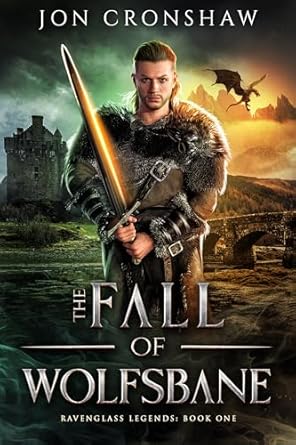
When the Ostreich Empire shatters his world and enslaves his people, Ragnar Wolfsbane vows to fight back.

Thrust into a dangerous game of imperial intrigue, Ragnar must learn to navigate a world of forbidden magic and hidden agendas.

But as the true power of ravenglass emerges, Ragnar’s choices could lead to salvation or ruin for those he holds dear.

Immerse yourself in a vivid fantasy realm where the lines between hero and villain blur.

Will Ragnar rise to become the leader his clan needs, or will the Empire’s machinations crush his resolve?

Find out in The Fall of Wolfsbane, a character-driven high fantasy novel.

get your copy.

Why Modern Fantasy Assassins Are More Complex Than Ever

Explore how assassins in fantasy have evolved from silent killers to complex characters. From Guild of Assassins to Nevernight, modern fantasy now delves into the psychology, institutions, and moral challenges behind the assassin’s path.

Fantasy’s love affair with assassins has come a long way from silent killers lurking in shadows.

Modern fantasy has transformed the archetype from simple dealer of death into something far more complex.

It’s now a lens through which we examine mortality, morality, and the price of power.

Guild of Assassins: A Perfect Example of Evolution

My novel Guild of Assassins represents this evolution perfectly.

When Soren enters the guild, he encounters not just killers, but professionals practising a dark craft.

Each master embodies different aspects of the trade.

Varus demonstrates martial prowess, Tamasin teaches the poisoner’s art, Quillon embodies clinical precision, and Elysia masters manipulation.

Like the best modern assassin fantasy, it presents killing as a multifaceted discipline requiring both physical and psychological transformation.

Shifting Away from Traditional Fantasy Assassins

This marks a significant shift from traditional fantasy assassins, who often relied on almost supernatural stealth and combat abilities.

Think of Fritz Leiber’s Gray Mouser or early D&D representations – assassins as merely thieves with deadly skills.

Modern fantasy recognises that killing is as much about psychology as it is about physical capability.

The Lineage of the Assassin Archetype

The evolution becomes clear when we trace the lineage of assassin characters.

Early works like Raymond E. Feist’s Assassin’s Apprentice began exploring the psychological toll of killing.

Brent Weeks’ Night Angel trilogy expanded this by examining how institutions shape killers.

Jay Kristoff’s Nevernight delved deep into the culture and philosophy of assassination.

Each iteration added layers of complexity to the archetype.

Assassins: Made, Not Born

Guild of Assassins continues this trend by focusing on how killers are made rather than born.

Through Soren’s training, we see how ordinary people become extraordinary killers through systematic breaking and rebuilding.

Each lesson strips away another piece of humanity while adding another lethal capability.

It’s a transformation that feels horrifyingly plausible.

Killing as a Transformation of Perception

Modern assassin fantasy also recognises that killing isn’t just about the act itself.

When Soren learns from Tamasin about poisons or studies manipulation with Elysia, he’s not just gaining skills.

He’s entering a different way of seeing the world.

Like the best contemporary takes on assassins, the story shows how the craft reshapes perception itself.

Complex Assassin Institutions

This complexity extends to institutions.

Gone are the days of lone killers operating in shadows.

Modern fantasy presents assassins’ guilds as complex organisations with their own cultures, traditions, and moral codes.

The guild in Guild of Assassins feels real precisely because it has bureaucracy, politics, and internal conflicts alongside its deadly arts.

Training Beyond Physical Skills

The training sequences particularly highlight this evolution.

Earlier fantasy might have focused purely on physical skills – weapon mastery, stealth, poison craft.

Modern takes recognise that creating killers requires psychological conditioning.

The guild doesn’t just teach Soren how to kill; it teaches him to see killing as natural.

Evolving Relationships Among Assassins

Relationships between assassins have evolved too.

Where once they might have been depicted as lone wolves, modern fantasy explores how killers form bonds.

Soren and Alaric’s friendship, the complex dynamics between recruits, and the master-apprentice relationships all show how human connections persist even in inhuman professions.

Exploring Deeper Themes Beyond Technique

Perhaps most significantly, modern assassin fantasy has moved beyond simple questions of technique to explore deeper themes.

Through Soren’s journey, we examine how violence transforms its practitioners.

We see how institutions normalise atrocity and how survival demands moral compromise.

The assassination becomes a metaphor rather than a mere plot device.

The Threshing: A Crucible for Transformation

The Threshing sequence demonstrates this perfectly.

It’s not just a test of killing skill but a crucible that forces characters to confront what they’ve become.

Like the best modern assassin fantasy, it uses violence to illuminate character rather than simply advance plot.

Broader Changes in Fantasy Literature

This evolution reflects broader changes in fantasy literature.

As the genre has matured, it’s moved from simple adventure stories to complex examinations of human nature.

Assassins have evolved from plot devices into vehicles for exploring fundamental questions about mortality, morality, and the human capacity for transformation.

The Primal Appeal of Assassin Stories

Yet something primal still draws us to assassin stories.

Perhaps because they embody both power and price – the ability to reshape reality through death, but only at the cost of one’s humanity.

Modern fantasy simply makes this exchange more explicit, more psychological, more real.

Guild of Assassins and the Future of Assassin Tropes

Guild of Assassins shows where the trope might go next.

Deeper into institutions, deeper into psychology, deeper into the fundamental questions of what it means to kill professionally.

It suggests that assassin fantasy’s evolution isn’t complete but is continuing into ever more complex territory.

Your Thoughts

How do you think assassin tropes in fantasy have changed over time?

What’s your favourite take on fantasy assassins?

Share your thoughts below.

The Anti-Guru Who Became Everything He Swore to Destroy

A satirical look at the rise and fall of online influencers, inspired by Decoding the Gurus. Learn how audience capture and the allure of fame transform anti-gurus into what they despise.

In a world dominated by online influencers, the rise and fall of self-styled gurus have become a fascinating—and sometimes disturbing—phenomenon.

My latest story takes a satirical dive into this world, drawing inspiration from the Decoding the Gurus podcast and its insightful Guru-o-meter, which outlines the traits that define modern secular gurus.

This story isn’t just about Alex, a fictional “anti-guru” who rails against the very system he eventually becomes a part of.

It’s about the broader, troubling pattern of audience capture, where the relationship between an influencer and their audience shapes the influencer as much as, if not more than, their audience.

What is the Guru-o-Meter?

For those unfamiliar, the Decoding the Gurus podcast dissects the behaviours and strategies of prominent figures in the online self-help, wellness, and intellectual spaces.

Their Guru-o-Meter highlights recurring traits, such as:

  • Presenting themselves as having unique access to hidden knowledge.
  • Claiming to be the only ones brave enough to “tell the truth.”
  • Engaging in pseudo-intellectualism to elevate their brand.
  • Exploiting their audience’s desire for clarity in an uncertain world.

These characteristics, often paired with carefully crafted narratives of victimhood and superiority, create an irresistible pull for audiences looking for guidance.

How Alex Embodies These Traits

Alex begins his journey as an outsider—a vocal critic of the exploitative self-help industry.

Armed with a webcam and a disdain for overpriced courses, he attracts an audience hungry for someone to “tell it like it is.”

But as his movement grows, Alex finds himself mirroring the very behaviours he once denounced.

He starts small, with modest Patreon subscriptions and free resources, but the allure of exclusivity and higher revenue proves too tempting.

Soon, his branded Sovereignty Masterclass comes with a hefty price tag, and his “authentic” persona morphs into a carefully curated performance.

By the end, Alex has become indistinguishable from the gurus he once mocked—a tragicomic reminder of how easily good intentions can be corrupted by success.

Audience Capture: A Subtle but Powerful Transformation

One of the story’s key themes is audience capture.

In the digital age, influencers often begin with sincere messages and modest goals, only to be reshaped by the demands of their audience.

As Alex’s following grows, his need to maintain their approval drives him to up the stakes—higher production values, more exclusive offerings, and increasingly dramatic proclamations.

The audience, in turn, becomes both a source of validation and a constraint.

Alex can’t afford to lose their trust, so he doubles down on the language and tactics that keep them engaged.

His original vision—a movement centred on critical thinking—gives way to the very cult of personality he vowed to dismantle.

Satire Rooted in Reality

While the story is fictional, it reflects a cycle we’ve seen repeatedly in the online world.

Figures like Jordan Peterson, Joe Rogan, and countless wellness influencers often start with niche, relatable messages before spiralling into self-importance and exclusivity.

The satire in Alex’s journey isn’t just a cautionary tale—it’s an exploration of how the guru archetype is perpetuated by both influencers and their audiences.

Satire allows us to hold up a mirror to the absurdities of modern life without losing sight of the humanity at its core.

Alex isn’t a cartoon villain; he’s a flawed individual grappling with the intoxicating power of influence.

His journey from crusader to conman is exaggerated, but it’s rooted in real dynamics—how wealth, fame, and an adoring audience can erode even the strongest principles.

A Path We’ve Seen Before

The story ultimately asks readers to reflect: how much of what we consume online is shaped by manipulation, and how much responsibility do we bear for enabling it?

From YouTube wellness coaches to TikTok financial “gurus,” the line between authenticity and performance grows blurrier by the day.

Alex’s trajectory may be satire, but it’s also disturbingly familiar.

This story is my way of engaging with the themes discussed on Decoding the Gurus and exploring how the traits they outline manifest in real (and fictional) life.

It’s a reminder to approach online influencers with scepticism and to question not just their motives but also our own susceptibility to their charms.

If Alex’s story made you laugh, cringe, or even think twice about your favourite online personalities, then it’s done its job.

In the end, the real lesson is simple: trust your critical thinking skills, not the polished veneer of someone promising to sell you the truth.

And maybe, just maybe, don’t pay £999 for a Sovereignty Masterclass.

Battle Royale in Fantasy: Why Survival Contests Grip Our Imagination

Explore why survival contests in fantasy stories captivate us. From the Threshing in Guild of Assassins to The Hunger Games, discover how these battles reveal human nature, challenge morality, and satisfy our darker curiosities.

There’s something primitively compelling about survival contests in fantasy.

Strip away society’s rules, force characters to fight to the death, and we can’t look away.

But why?

What makes sequences like the Threshing in my novel Guild of Assassins so gripping isn’t just the violence – it’s what these contests reveal about human nature.

The Structure of Survival Contests

Consider how the Threshing is structured.

Ten recruits are trapped on a derelict ship, forced to kill until only two remain.

It’s a premise we’ve seen before – from The Hunger Games to Battle Royale – yet it continues to captivate.

Perhaps it’s because it strips away civilisation’s veneer to reveal what lies beneath.

The Psychological Horror of Survival Contests

The psychological horror of the Threshing comes not from the violence itself but from watching characters we’ve grown to know face impossible choices.

Soren and Alaric’s decision to stand together rather than turn on each other becomes powerful precisely because we understand the cost.

Every moment of loyalty is bought with blood.

Character Growth Under Extreme Pressure

These contests work because they force character growth through extreme pressure.

When Soren confronts Kierak during the Threshing, it’s not just a physical battle but the culmination of his transformation.

The person who steps off that ship isn’t the same one who boarded it.

Like the best survival contests, the Threshing shapes its participants irreversibly.

Examining Primal Questions from a Safe Distance

But there’s another layer to our fascination.

These scenarios let us explore primal questions from a safe distance.

What would we do to survive?

How far would we go?

Would we maintain our humanity or embrace savagery?

Through characters like Soren, we can examine these uncomfortable questions without having to actually face them.

The Role of Isolation in Survival Contests

The setting itself becomes crucial.

The derelict ship creates perfect isolation – no escape, no outside help, no rules except survival.

Like the arena in The Hunger Games or the island in Battle Royale, it becomes a microcosm where society’s laws no longer apply.

This isolation forces characters to reveal their true nature.

Testing Loyalty as Well as Combat Skill

Yet the best survival contests aren’t just about physical prowess.

The Threshing works because it tests loyalty as much as combat skill.

When Soren and Alaric face their final confrontation with Kierak, their victory comes not just from fighting ability but from their choice to stand together.

The contest reveals character through choices, not just action.

Controlled Violence as a Tool of Transformation

These scenarios also expose how institutions use controlled violence to shape their members.

The guild doesn’t just want survivors – it wants killers who’ve proven themselves through blood.

Like the best survival contests in fantasy, the Threshing serves as both test and transformation.

It’s not just about who lives, but what they become.

The Psychological Elements That Keep Us Hooked

The psychological elements grip us most.

Watching alliances form and break, seeing how different characters handle extreme pressure, observing how survival instincts war with moral principles – these human elements make the violence meaningful rather than gratuitous.

We’re not just watching people fight; we’re watching them choose who they become.

Forced Moral Compromises

Perhaps most compelling is how these contests force moral compromise.

When Soren kills during the Threshing, each death marks another step away from who he was.

Like the best survival scenarios, it shows how circumstance can make monsters of anyone.

The real horror isn’t the violence but how understandable each choice becomes.

Why Survival Contests Fascinate Us

This is why survival contests continue to grip our imagination.

They’re not just about action or violence – they’re about human nature under extreme pressure.

Through scenarios like the Threshing, we explore fundamental questions about survival, morality, and what we’d be willing to sacrifice when pushed to our limits.

Satisfying Darker Curiosities

They also satisfy something darker in our psyche – the part that wonders how we’d fare in such a contest.

Would we be Soren, maintaining some fragment of humanity through loyalty?

Or would we become Kierak, embracing brutality as a means of survival?

The answers may disturb us, but the questions fascinate nonetheless.

Survival Contests and Primal Human Nature

In the end, survival contests endure in fantasy because they speak to something primal in human nature.

They strip away civilisation’s constraints to reveal what lies beneath.

Through characters like Soren and Alaric, we explore our own capacity for both nobility and savagery when survival demands choosing between them.

Your Thoughts

What are your favourite survival contests in fantasy?

How do you think they illuminate human nature?

Share your thoughts below.

Best Fantasy Books with Intrigue, Rebellion, and Conflict

Discover the best gritty political and military fantasy books that deliver complex characters, high-stakes battles, and intricate political intrigue. Perfect for fans of dark, thought-provoking fantasy worlds.

There’s something undeniably compelling about fantasy that delves into the darker side of human nature.

In gritty political and military fantasy, the stakes are high, the conflicts are complex, and the characters often walk a razor’s edge between right and wrong.

These stories invite readers into worlds where power is rarely pure, and survival often demands impossible choices.

Whether it’s the brutal realities of war, the intricate dance of political manoeuvring, or the personal sacrifices made for the greater good, this subgenre challenges readers to think deeply while delivering action-packed, emotionally charged narratives.

The books in this list exemplify the best of what political and military fantasy can offer.

They combine intricate worldbuilding, morally ambiguous characters, and high-stakes conflict to craft stories that stay with you long after you’ve turned the last page.

If you love tales where ambition collides with loyalty, and where every victory comes at a price, these works are sure to captivate you.

1. The Blade Itself by Joe Abercrombie

Joe Abercrombie’s First Law trilogy sets the standard for grimdark fantasy.

Packed with gritty battles, political machinations, and morally grey characters, this series is a masterclass in showing the complexities of power and war.

2. The Poppy War by R.F. Kuang

R.F. Kuang’s The Poppy War draws heavily on Chinese history to craft a tale of war, colonialism, and identity.

Through Rin, a young woman with extraordinary power, Kuang explores the devastating cost of ambition and the trauma of military conflict.

3. A Game of Thrones by George R.R. Martin

The first book in A Song of Ice and Fire needs little introduction.

Martin’s masterpiece is renowned for its brutal realism, political scheming, and sprawling cast of morally complex characters.

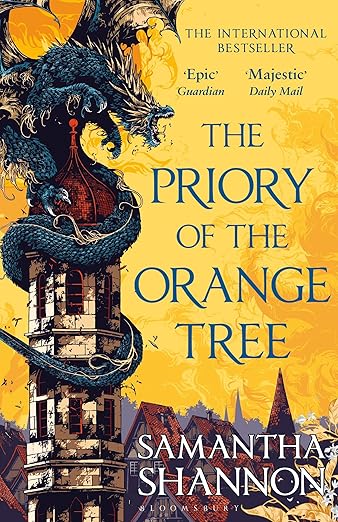
4. The Priory of the Orange Tree by Samantha Shannon

This epic standalone fantasy offers a refreshing perspective with its focus on female agency and diverse cultures.

Shannon weaves intricate politics, rich worldbuilding, and military strategy into a tale of dragons and rebellion.

5. The Dandelion Dynasty Series by Ken Liu

Ken Liu’s series, beginning with The Grace of Kings, combines epic battles with sharp political intrigue.

Blending fantasy with elements of Chinese history, Liu explores revolution, loyalty, and the cost of power.

6. The Broken Empire Trilogy by Mark Lawrence

Mark Lawrence’s Broken Empire trilogy is not for the faint of heart.

Told through the eyes of Jorg Ancrath, an antihero driven by vengeance, this series delves into the darker corners of military and political ambition.

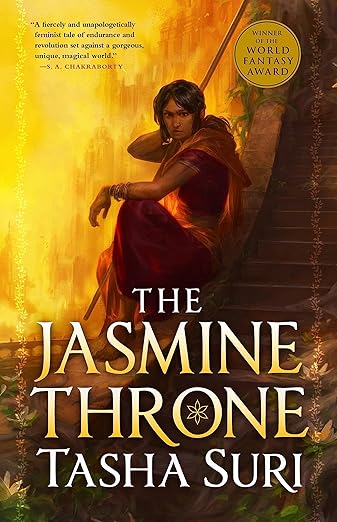
7. The Jasmine Throne by Tasha Suri

Inspired by Indian history and mythology, Tasha Suri’s The Jasmine Throne features a rebellion brewing in an empire rife with oppression.

With powerful prose and unforgettable characters, Suri delivers a story of power, betrayal, and resistance.

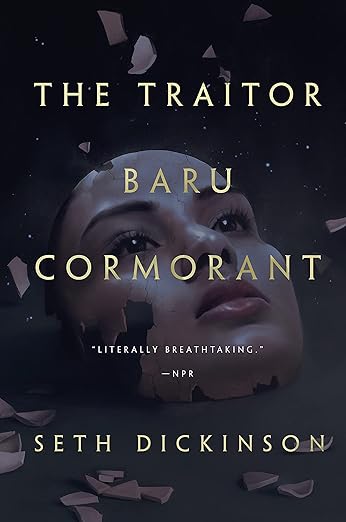
8. The Traitor Baru Cormorant by Seth Dickinson

Seth Dickinson’s The Traitor Baru Cormorant is a brilliant examination of imperialism and political manoeuvring.

Baru, a young savant, rises within the ranks of an oppressive empire while secretly plotting its downfall.

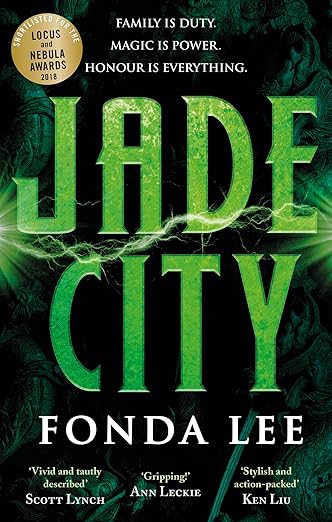
9. The Green Bone Saga by Fonda Lee

Fonda Lee’s Green Bone Saga, starting with Jade City, blends gritty urban fantasy with family drama and political power struggles.

With its mix of gang wars, military strategies, and complex characters, this series is a modern fantasy classic.

10. Black Sun by Rebecca Roanhorse

Rebecca Roanhorse’s Black Sun, inspired by Pre-Columbian civilisations, offers a richly diverse world of prophecy, power, and conflict.

With unforgettable characters and intricate political dynamics, this book is a standout in contemporary fantasy.

The Fall of Wolfsbane by Jon Cronshaw

If you’re looking for a gripping mix of rebellion, perilous politics, and ancient magic, The Fall of Wolfsbane is the perfect starting point.

The first book in the Ravenglass Legends series introduces Ragnar and Maja Wolfsbane, siblings navigating the upheaval of empire, rebellion, and destiny.

With its blend of high stakes, richly crafted worldbuilding, and complex characters, The Fall of Wolfsbane is a must-read for fans of gritty political and military fantasy.

Start your journey into Ravenglass Legends today—you won’t want to put it down!

Moral Ambiguity in Fantasy: Why Readers Love Complex Characters

xplore how moral ambiguity transforms fantasy storytelling. From complex characters like Soren in Guild of Assassins to relationships shaped by loyalty and betrayal, discover why readers are drawn to the grey areas between good and evil.

Remember when fantasy was simple?

Heroes wore white, villains wore black, and you could spot the evil one by their conveniently twisted features.

But modern readers crave something messier, more honest.

We want characters who live in the shadows between right and wrong, because that’s where real people dwell.

Soren’s Journey in Guild of Assassins

My novel Guild of Assassins illustrates this perfectly through Soren’s transformation.

He begins seeking justice for his father’s murder – a classic hero’s motivation.

But his path leads him to join an assassins’ guild, train in killing arts, and eventually participate in what amounts to ritualised murder during the Threshing.

Is he still a hero?

Was he ever?

The Appeal of Moral Complexity

This moral complexity hooks us because it reflects truth.

Most of us aren’t purely good or evil – we’re bundles of contradictions making compromises to survive.

When Soren learns to craft poisons from Tamasin or master manipulation from Elysia, we understand his choices even as we recoil from them.

His gradual corruption feels real precisely because it’s built on understandable decisions.

Antagonists Beyond Simple Categorisation

Even the story’s antagonists resist simple categorisation.

Kierak initially appears as a straightforward bully, but his brutality stems from the guild’s brutal culture.

The masters who train the recruits aren’t cackling villains – they’re professionals doing their jobs with varying degrees of cruelty and kindness.

Like real people, they contain multitudes.

The Rise of Moral Ambiguity in Modern Fantasy

This is why modern fantasy increasingly embraces moral ambiguity.

Look at George R.R. Martin’s work, where yesterday’s villain becomes tomorrow’s hero through shifting perspective.

Or Joe Abercrombie’s characters, who do horrible things for understandable reasons.

These stories resonate because they acknowledge that morality isn’t binary – it’s a spectrum we all navigate daily.

The Guild as a Symbol of Ambiguity

The guild itself represents this ambiguity perfectly.

It’s an organisation of professional killers, yes – but one with strict codes of conduct, formal training, and complex traditions.

Its members aren’t moustache-twirling villains but professionals practising a dark craft.

Like any real institution, it contains both corruption and honour, cruelty and loyalty.

Friendship in the Grey Areas

Soren and Alaric’s friendship demonstrates how moral ambiguity adds depth to relationships.

Their loyalty to each other is admirable, but it also enables their descent into darkness.

Are they saving each other’s humanity or helping each other lose it?

The answer isn’t clear because real relationships rarely have simple moral implications.

Revenge and Ambiguity

Even the revenge plotline gains complexity through moral ambiguity.

Soren’s quest for justice becomes increasingly hard to distinguish from simple vengeance.

Like the best morally grey narratives, it forces us to question not just the character’s choices but our own assumptions about right and wrong.

Training and Transformation

This complexity extends to the training sequences.

Each lesson learned, each skill mastered, carries both empowerment and corruption.

When Quillon teaches anatomy, is he sharing knowledge or teaching students to see humans as targets?

When Varus enforces discipline through violence, is he building strength or breaking humanity?

The answer is both – and that’s what makes it interesting.

Moral Ambiguity in Conflict

Moral ambiguity also creates better conflicts.

When Soren faces Kierak during the Threshing, it’s not a simple hero-versus-villain showdown.

It’s a clash between two people shaped by the same brutal system, each fighting for survival.

Their conflict matters precisely because neither is purely right or wrong.

Asking Deeper Questions

Perhaps most importantly, moral ambiguity allows fantasy to ask deeper questions.

Through Soren’s journey, we explore how survival demands compromise, how violence transforms its practitioners, how institutions shape morality.

These questions resonate because they don’t have easy answers.

The Rejection of Simple Narratives

This is why readers increasingly reject simple good-versus-evil narratives.

We know life is more complicated.

We want characters who reflect that complexity – characters who make mistakes, who compromise, who sometimes choose wrong for the right reasons and right for the wrong reasons.

Seeing Ourselves in Complex Characters

The best morally grey characters, like Soren, show us ourselves.

Their struggles with right and wrong mirror our own daily moral negotiations.

Their compromises feel familiar.

Their corruption becomes understandable, even as we hope we’d choose differently.

Embracing Complexity in Fantasy

In the end, moral ambiguity doesn’t weaken fantasy – it strengthens it.

By embracing complexity, stories like Guild of Assassins transform from simple adventure into nuanced exploration of human nature.

They remind us that the most interesting stories happen not in black and white, but in shades of grey.

Your Thoughts

How do you feel about moral ambiguity in fantasy?

Do you prefer clearly defined heroes and villains, or characters who blur the lines?

Share your thoughts below.

The Best Dark Magic Academy Books You Need to Read

Discover 10 dark magic school stories filled with ambition, treachery, and moral dilemmas. From Guild of Assassins by Jon Cronshaw to other twisted academies, explore the shadows of magical education and the cost of power in these must-read tales.

If you’re a fan of magical academies where the lessons are as dangerous as the students, these dark magic school stories will enthral you.

Filled with treachery, ambition, and moral complexity, these tales delve into the shadows of magical education.

Guild of Assassins by Jon Cronshaw

In Guild of Assassins, Soren, a former sculptor’s apprentice, joins a brutal assassins’ guild to avenge his father’s murder.

The guild’s training programme is as deadly as it is rigorous, with lessons in stealth, combat, and deception.

Soren must grapple with questions of loyalty and morality as he uncovers the guild’s sinister secrets.

This dark tale is perfect for readers who enjoy intense, character-driven stories set in a deadly academic environment.

The Magicians by Lev Grossman

Quentin Coldwater enrols at Brakebills College for Magical Pedagogy, where the darker side of magic reveals itself in unexpected and often terrifying ways.

The students confront personal demons and the dangerous consequences of power in this gritty, subversive take on magical education.

A Deadly Education by Naomi Novik

El is a student at the Scholomance, a school where survival is the ultimate test.

This deadly academy features lessons designed to weed out the weak, while monsters and dark forces stalk the halls.

The story is as much about alliances and strategy as it is about magic.

The Magician’s Guild by Trudi Canavan

Sonea, a young girl from the slums, is thrust into the Magicians’ Guild when her untapped powers threaten to spiral out of control.

As she navigates the social and political tensions of the guild, she uncovers dark secrets and learns that power always comes at a cost.

Nevernight by Jay Kristoff

Mia Corvere attends the Red Church, a school for assassins where only the strongest and deadliest graduate.

Her training includes mastering poisons, combat, and shadow magic.

Mia’s relentless quest for revenge drives this tale of blood-soaked lessons and deadly rivalries.

Vita Nostra by Marina and Sergey Dyachenko

Sasha Samokhina is forced to attend a mysterious institute where reality bends and knowledge exacts a heavy toll.

The lessons are gruelling, the consequences terrifying, and the price of success is nothing less than the essence of her humanity.

The Poppy War by R.F. Kuang

At Sinegard Academy, Rin faces brutal training in martial arts and shamanism while grappling with classism and prejudice.

Though not a traditional magic school tale, the academy’s dark lessons set the stage for a story of war, sacrifice, and the horrifying price of power.

The Atlas Six by Olivie Blake

Six magicians compete for a coveted place in the Alexandrian Society, an institution steeped in secrecy and power.

The line between ally and adversary blurs as they confront dangerous truths and the consequences of ambition.

The Novice by Taran Matharu

This first book in the Summoner series introduces Fletcher, a blacksmith’s apprentice who discovers his ability to summon demons.

He enters an academy where competition is fierce, and his survival depends on mastering dangerous powers while navigating rivalries.

The Black Witch by Laurie Forest

Elloren Gardner attends Verpax University, where prejudice and conflict simmer beneath the surface.

As she struggles to find her place in a divided magical society, she learns that knowledge and power are never free from consequences.

Why These Stories Stand Out

Dark magic school stories resonate because they explore the moral compromises and sacrifices required to wield great power.

In these tales, students aren’t just learning spells – they’re reshaping their identities, often at a terrible cost.

If you’re ready for a dark academy tale with high stakes and unforgettable characters, start with Guild of Assassins.

Soren’s journey through a deadly training programme will captivate fans of morally complex narratives.

What’s your favourite dark magic school story?

Share your thoughts in the comments below!

Want more dark fantasy and exclusive stories? Join my Patreon for early access to chapters, behind-the-scenes content, and much more.

Note: This post inlcudes affiliate links.

Why We Love Characters Who Walk the Line Between Hero and Villain

Discover why we’re drawn to morally ambiguous characters in dark fantasy. From anti-heroes to conflicted choices, explore how characters like Soren walk the line between hero and villain, reflecting our own struggles with right and wrong.

The most compelling characters aren’t those who walk in light or shadow.

They’re the ones who stride the razor’s edge between.

There’s something magnetically human about watching someone navigate that precarious balance.

Perhaps it’s because it reflects our own internal struggles with morality.

Soren’s Transformation in Guild of Assassins

My novel Guild of Assassins explores this tension through Soren’s transformation.

He begins with heroic motivation – seeking justice for his murdered father.

Yet his path leads him to become the very thing he initially opposed: an assassin, a killer, a dealer of death.

The fascinating part isn’t his corruption, but how understandable each step of his descent becomes.

Why We’re Drawn to Morally Conflicted Characters

This speaks to why we’re drawn to morally conflicted characters.

They show us how good people become compromised through understandable choices.

When Soren learns to craft poisons from Tamasin or master manipulation from Elysia, he’s not cackling with evil glee.

He’s doing what survival demands, making choices we can imagine making ourselves under similar pressure.

Challenging Assumptions About Right and Wrong

The best morally ambiguous characters force us to question our own assumptions about right and wrong.

Consider how the guild masters are presented – not as cackling villains, but as professionals teaching their craft.

Varus’s brutality serves a purpose.

Quillon’s anatomical lessons have logic behind them.

Even their cruelty comes from conviction rather than malice.

Human Nature and the Perception of Evil

This complexity reflects something true about human nature – most “villains” don’t see themselves as evil.

The assassins’ guild has codes, traditions, and principles.

Like any real institution, it contains both honour and corruption.

Through Soren’s eyes, we’re forced to confront how systems can normalise darkness while maintaining a veneer of legitimacy.

The Appeal of Anti-Heroes

Perhaps this is why anti-heroes resonate so deeply.

They acknowledge the gap between societal ideals and survival’s demands.

When Soren participates in the Threshing, he’s not embracing evil but accepting that survival sometimes requires terrible choices.

Like the best morally conflicted characters, he shows us how circumstance can make monsters of anyone.

Exploring Darker Impulses Through Characters

The psychological appeal goes deeper.

Characters who walk the line between hero and villain give us permission to explore our own darker impulses from a safe distance.

Through Soren, we can examine our capacity for violence, our potential for moral compromise, and our ability to justify increasingly questionable choices.

The Corrupting Nature of Training

This is particularly powerful in training sequences.

Each lesson Soren learns carries both empowerment and corruption.

We feel satisfaction when he masters new skills, even while recognising that each capability gained represents another step away from innocence.

Like watching a car crash in slow motion, we’re both horrified and fascinated by the transformation.

The Complex Relationship Between Soren and Alaric

The relationship between Soren and Alaric adds another layer to this moral ambiguity.

Their loyalty to each other is admirable, yet it also enables their descent into darkness.

Are they preserving each other’s humanity or helping each other lose it?

The answer isn’t clear because real relationships rarely have simple moral implications.

Navigating Impossible Choices

Maybe we’re drawn to these characters because they reflect a fundamental truth.

Morality isn’t about maintaining perfect virtue but about navigating impossible choices.

When Soren finally confronts Kierak, neither is purely hero nor villain.

They’re both products of the same brutal system, each fighting for survival.

The Power of Relatable Conflicts

This moral complexity creates better conflicts precisely because it makes them relatable.

We understand both sides, even if we don’t agree with them.

The tension comes not from wondering if good will triumph over evil, but from watching characters struggle with choices that have no clear right answer.

Characters as Reflections of Ourselves

Ultimately, characters who walk the line between hero and villain captivate us because they show us ourselves.

Their struggles with right and wrong mirror our own daily moral negotiations.

Their compromises feel familiar.

Their corruption becomes understandable, even as we hope we’d choose differently.

Light and Shadow in Everyone

These characters remind us that the capacity for both light and shadow exists in everyone.

Through them, we explore how circumstance shapes morality.

How survival demands compromise.

How good intentions can pave roads to darkness.

They show us not just what we might become, but how we might become it.

Why We Return to Morally Complex Characters

Perhaps this is why we return to these stories again and again.

Not for escapism, but for truth.

Characters like Soren remind us that the line between hero and villain isn’t fixed but fluid.

Morality is a choice we make daily.

We’re all capable of both light and shadow.

Your Thoughts

What morally complex characters have most resonated with you?

How do you think they help us explore our own capacity for good and evil?

Share your thoughts below.

Found Family in Dark Fantasy: Why We Love Brotherhood Bonds

Discover the powerful role of found family and brotherhood bonds in dark fantasy. Explore how characters like Soren and Alaric in Guild of Assassins forge deep connections in hostile environments, showing how loyalty endures through darkness and trials.

Dark fantasy often shows us the worst of human nature.

Betrayal, violence, and corruption dominate the landscape.

Yet within these shadows, we find something profound: the bonds forged between broken people.

The ‘found family’ trope resonates not despite the darkness, but because of it.

Broken Characters Finding Strength Together

My novel Guild of Assassins explores this beautifully through its guild recruits.

Each arrives carrying their own wounds.

Soren with his murdered father.

Alaric torn from his fishing life.

Nia with her street survivor’s cynicism.

Isolde fleeing academic constraints.

Jareth haunted by lost nobility.

Alone, they’re vulnerable.

Together, they form something stronger than blood.

Bonds Tested Through Darkness

What makes these bonds compelling isn’t their initial formation but their testing.

When Kierak brutalises Soren, the others don’t just offer sympathy.

They risk themselves to help him reclaim his dagger.

When Jareth is injured by a trap, they carry him rather than abandon him as Ganrel suggests.

These moments matter because they’re choices made despite survival instincts, not because of them.

Loyalty Forming Against the Odds

The fascinating thing about found families in dark fantasy is how they form despite institutional pressure.

The guild tries to pit recruits against each other.

Yet bonds form anyway.

Like the Bridgeburners in Malazan Book of the Fallen or the Night’s Watch brothers in A Song of Ice and Fire, loyalty emerges precisely because the system demands its absence.

Brotherhood as Salvation and Burden

But these relationships aren’t simple.

When Soren and Alaric face the Threshing, their brotherhood becomes both salvation and burden.

Their loyalty keeps them human but also binds them to violence.

It’s reminiscent of how the Gentleman Bastards in Lynch’s series enable each other’s criminal lives while preserving each other’s humanity.

Shared Trauma as Bonding Agent

The training sequences reveal another aspect of found family – shared trauma as a bonding agent.

When recruits endure Varus’s brutality together.

When they learn killing arts from Quillon.

When they face Tamasin’s poisonous lessons.

They’re not just gaining skills.

They’re forming bonds through shared hardship.

Like soldiers in trenches, their brotherhood is forged in fire.

The Poisonous Side of Brotherhood

Yet dark fantasy recognises that found family isn’t always healthy.

Ganrel’s manipulation of group dynamics, his attempted exploitation of loyalties, shows how brotherhood can become poison.

The genre acknowledges that sometimes the family we choose can damage us as much as the one we’re born to.

Surviving Moral Transformation

What makes Guild of Assassins’ treatment of found family particularly compelling is how it shows these bonds surviving moral transformation.

When Soren becomes capable of killing.

When Alaric’s hands learn violence.

Their friendship adapts rather than breaks.

They accept each other’s darkness while helping each other retain fragments of light.

The Guild as a Dark Mirror of Family

The guild itself serves as a dark mirror of family structure.

The masters become twisted parent figures, dealing out both nurture and trauma.

Fellow recruits become siblings competing for approval while protecting each other from the worst abuses.

It’s a dysfunctional family, but family nonetheless.

Connection in Hostile Environments

Perhaps most powerfully, found family in dark fantasy shows how connection survives in the most hostile environments.

When the Threshing forces recruits to kill each other, previously forged bonds determine who lives and dies.

Loyalty proven through smaller moments pays off in ultimate tests.

Why We Love Brotherhood Bonds in Dark Fantasy

This is why we love brotherhood bonds in dark fantasy.

They show us how connection persists despite corruption.

How loyalty survives in darkness.

How family can be forged rather than just born.

Through characters like Soren and Alaric, we explore how shared darkness can create the strongest bonds.

The Double-Edged Nature of Brotherhood

Yet these stories don’t present found family as pure salvation.

They acknowledge how loyalty can enable destruction.

How brotherhood can perpetuate cycles of violence.

When Soren and Alaric face their final test, their bond saves them but also damns them to a killer’s path.

The Truth About Found Family in Dark Fantasy

Maybe that’s the ultimate truth about found family in dark fantasy – that it’s both salvation and burden.

Both light and shadow.

These bonds matter not because they’re perfect, but because they’re chosen despite imperfection.

Because they represent connection forged in darkness, loyalty tested by fire.

Your Thoughts

What are your favourite examples of found family in dark fantasy?

How do you think these bonds differ from similar relationships in lighter fantasy?

Share your thoughts below.

Why Disney’s Moana is a Treasure for Fantasy Lovers

Discover why Disney’s ‘Moana’ is a hidden gem for fantasy enthusiasts. Dive into its rich mythology, compelling hero’s journey, and magical elements that resonate deeply with lovers of dragons, wizards, and epic quests.

In the vast ocean of fantasy cinema, where tales of adventure and magic crash upon us like relentless waves, there sails a film that has captured the hearts of fantasy aficionados.

Disney’s “Moana” isn’t just a pleasant watch; it’s a veritable treasure chest brimming with elements that resonate deeply with lovers of fantasy literature.

Let’s embark on a voyage to uncover why “Moana” is the perfect film for those who wallow in realms of dragons, wizards, and epic quests.

The Call to Adventure: A Hero’s Journey Awaits

At its core, “Moana” is a bog-standard tale of adventure and self-discovery.

Moana’s escape from her island prison to the vast Pacific mirrors the quintessential hero’s journey so adored in fantasy literature.

She faces trials, encounters mentors, and battles her fears – a narrative arc that would leave Joseph Campbell patting himself on the back.

Mythology and Legend: Diving into Rich Cultural Lore

“Moana” plunges headfirst into Polynesian mythology, introducing viewers to a world steeped in legend and lore.

Fantasy readers, who often hanker for immersive worlds with well-developed backstories and mythos, will find a veritable buffet of cultural depth in the film’s portrayal of demigods, mystical islands, and the Ocean’s anthropomorphic antics.

The Power of Nature: More than Just a Setting

The Ocean in “Moana” is a character in its own right, guiding, challenging, and interacting with Moana throughout her escapades.

This depiction of nature as an active, sentient force echoes a common theme in fantasy literature, where the natural world often plays a crucial, if annoyingly meddlesome, role in the narrative.

A Tale of Magic and Wonder

From Maui’s shape-shifting party tricks to the heart of Te Fiti’s life-giving bauble, “Moana” is drenched in magical elements that are the lifeblood of fantasy storytelling.

The film’s effortless blend of magic and mythology provides a sense of wonder that fantasy readers chase in their literary pursuits, much like a cat chasing an eternally elusive laser dot.

An Unconventional Heroine

Moana is a refreshing twist on the fantasy heroine archetype.

She’s strong, determined, and driven by a sense of duty to her people and her inner nagging.

This portrayal aligns with the modern fantasy trend of featuring complex, empowered female protagonists who are more than just damsels in distress – though distress is always lurking just a plot twist away.

Overcoming the Impossible: Triumph Against All Odds

At its climax, “Moana” features a showdown with a seemingly indomitable adversary, a theme as old as fantasy itself.

The film’s portrayal of overcoming staggering odds through courage and resilience mirrors the epic battles and struggles omnipresent in fantasy literature, where the heroes prevail just in time for the credits to roll.

The Beauty of Storytelling: A Rich Narrative Tapestry

“Moana” is a testament to the power of storytelling, weaving a narrative that is both visually sumptuous and emotionally stirring.

The film’s meticulous attention to detail, from its animation to its music, captures the essence of what makes fantasy literature so captivating – the ability to tell a gripping tale that transports us to another world, albeit one pixel at a time.

Why ‘Moana’ Resonates with Fantasy Lovers

“Moana” is more than just an animated distraction; it’s a celebration of the elements that make fantasy literature so beloved.

Its rich mythology, vibrant world-building, and powerful storytelling make it a film that resonates with anyone who loves to escape reality and lose themselves in a fantastical realm.

So, dear fantasy readers, have you dared to set sail with “Moana” on her epic journey?

How do you see its parallels with your cherished fantasy tales?

Share your thoughts, and let’s continue to traverse the magical worlds that both cinema and literature have to offer – while keeping one eye on the exit, just in case.