Ravenglass Universe Explored: The Unique World of Wyverns

Explore the fascinating wyverns of the Ravenglass Universe, from their psychic abilities to their integral role in society, and their unique bond with humans.

In the unique realm of the Ravenglass Universe, wyverns are not just mythical creatures; they are complex, sentient beings that blur the lines between fantasy and reality.

Here, wyverns come in all sizes, from the diminutive, almost whimsical dragonfly-sized ones to the mammoth-like behemoths that dominate the landscape.

But it’s not just their size that makes them extraordinary; it’s their abilities and their integral role in the society and lore of this universe.

The Mind’s Eye

In the Ravenglass Universe, wyverns possess a remarkable ability to sense minds.

This psychic talent goes beyond mere empathy; some wyverns can manipulate emotions, sowing seeds of joy, fear, or despair with the same ease that a bard might pluck a lute.

This ability makes them formidable allies and, in the wrong claws, dangerous adversaries.

Ravenglass: Amplifying Power and Control

The material known as Ravenglass is the key to amplifying the wyverns’ already impressive powers.

With it, they can ensnare human minds, weaving a hive mind that binds the wills of many to their own.

This power, while awe-inspiring, also treads a fine line between symbiosis and domination, raising questions about freedom and control.

“As the moon governs the tides, so too do these creatures sway the seas of our thoughts. Beware, for to dance with a wyvern is to waltz on the very precipice of one’s sanity, a perilous pirouette twixt dominion and subservience.”

Reflections on Wyverns and other Beasts, Meister Gregar Schultz

Longevity and Realm Slipping

Wyverns in the Ravenglass Universe are not bound by the same constraints as mere mortals.

Their longevity allows them to amass knowledge and wisdom far beyond human understanding.

Furthermore, their ability to slip between parallel realms unveils a world that remains hidden to most human eyes, adding a layer of mystique and mystery to their already enigmatic nature.

The Feral and the Telepathic

While some wyverns are integrated into human society, others remain feral, untamed and untameable.

These wild wyverns communicate telepathically, creating a network of minds that spans forests and mountains.

Their conversations, unseen but ever-present, add a whispering undercurrent to the world of Ravenglass.

Wyverns in Society

In human society, wyverns have found roles as partners, strategists, messengers, and spies.

Their inability to lie does not hinder their cunning; they are masters of obfuscation, using truth like a sculptor uses clay.

In Molotok, the famed academy of wyvern riders is a testament to the deep bond that can form between humans and wyverns, a bond that transcends species and speaks to the heart of cooperation and mutual respect.

The Rare Flight Partners

The larger wyverns, though rare, can form a unique partnership with humans, taking to the skies in a display of unity and strength.

These wyvern riders, soaring above the clouds, symbolise the potential for harmony between different beings, a harmony that is both powerful and delicate.

“They are bound to an eternal voyage, their crew lost to a fate most unnatural, their minds ensnared in the maelstrom of these winged serpents. ‘Tis a fate, I fear, worse than death, for their souls are shackled to an unending toil, with nary a hope of reprieve.”

from the log of Captain Alistair Blackthorne

Wyverns in the Ravenglass Universe blend myth and magic, power and subtlety.

They challenge our notions of what it means to be sentient, to coexist, and to wield power.

In their shadows and on their wings, they carry the stories of a world rich in complexity and wonder, a world where the line between human and wyvern is not a divide but a bridge to unimaginable adventures.

Wyverns remind us that sometimes, two legs are just as good as four, especially when it comes to inspiring awe, fear, and the occasional heroic epic.

 So the next time you delve into a fantasy novel or admire a medieval coat of arms, spare a thought for the wyvern – the unsung hero of the mythical creature world, doing it all on just two legs.

The Heart of Fantasy: Exploring Character-Driven Epic Tales

Explore the captivating world of character-driven high fantasy, from FitzChivalry to Cersei. Discover what makes these deep characters so enthralling.

In the realm of high fantasy, where worlds are as vast as they are fantastical, it’s not just the sprawling landscapes or the intricate magic systems that keep the pages turning.

Oh no. It’s the characters – those flawed, multifaceted beings who are as likely to stab you in the back as save the world.

It’s their journeys, struggles, and triumphs that truly enchant us, making character-driven high fantasy a banquet for the soul, albeit a sometimes bitter one.

Let’s face it: a good character can make us forgive even the most clichéd of plots.

They are the heart and soul of the story, turning a simple quest into a saga of epic proportions.

They bring the world to life, infusing the narrative with their ambitions, fears, and idiosyncrasies.

A well-crafted character is like a good friend – you’re invested in their journey, you celebrate their victories, and you might occasionally want to throttle them.

Take Robin Hobb‘s FitzChivalry Farseer, for example.

Here’s a chap who’s been through the wringer more times than a medieval laundry.

Bastard son, assassin, and a man constantly torn between duty and desire.

Fitz’s complex inner world is what draws us into his story, making us root for him despite his often questionable choices.

Or consider Cersei Lannister from George R.R. Martin’s “A Song of Ice and Fire“.

Love her or loathe her, Cersei’s ambition and cunning make her a character you can’t ignore.

She’s a masterclass in shades of grey – a woman trying to assert power in a man’s world, using every weapon in her arsenal, including her own children.

Then there’s Locke Lamora, the quick-witted, sharp-tongued protagonist of Scott Lynch’s “Gentleman Bastard” series.

A thief with a heart of gold (well, sometimes), Locke’s charm and cunning make him a hero you can’t help but cheer for, even as he’s picking your pocket.

What makes these characters so appealing?

They’re flawed, deeply human, and they often make a hash of things.

Their struggles resonate with us, their failures make them relatable, and their victories feel like our own.

In high fantasy, where the stakes are as high as the towers of Minas Tirith, these deeply drawn characters give us a grounding point – a human connection in a world of dragons and magic.

Character-driven stories in high fantasy are not just about the destination; they’re about the journey.

Watching a character evolve over time, overcome their demons, and maybe, just maybe, save the world in the process, is a compelling narrative force.

It’s the difference between reading a book and living it.

So, character-driven fantasy offers a rich tapestry of human experience, set against a backdrop of the extraordinary.

It’s a genre where you can explore the depths of the human heart, all while enjoying a good old-fashioned battle between good and evil.

So the next time you dive into a high fantasy novel, pay attention to the characters. They might just teach you a thing or two about life, love, and the proper way to wield a magic sword.

Revolutionary Tales: How Rebellion Shapes Fantasy Narratives

Dive into the theme of rebellion in fantasy literature with our insightful blog. Discover how tales of uprising against tyranny captivate readers and mirror real-world struggles for freedom and justice.

In the grand, often tumultuous world of fantasy literature, the theme of rebellion is as common as a tavern brawl in a medieval inn.

It’s the spark that lights the fire of countless plots, the rallying cry that drives oppressed characters to stand up, often quite literally, against their malevolent overlords.

But what is it about this theme that keeps both authors and readers coming back for more, like moths to a revolutionary flame?

The Tyrant’s Rule

Every good rebellion needs a tyrant, and fantasy literature is teeming with them.

These despots range from slightly unhinged kings to megalomaniac wizards, each more tyrannical than the last.

They’re the kind of rulers who make you think, “Well, perhaps a democracy wouldn’t be such a bad idea.”

These oppressors serve as the perfect foil for our heroes, often a ragtag bunch who start off with little more than a righteous cause and an alarming lack of planning.

The Underdog’s Struggle

Let’s face it: everyone loves an underdog story.

There’s something inherently satisfying about watching a group of misfits and outcasts take on an all-powerful regime.

It’s the fantasy equivalent of cheering for the school chess club in a rugby match against the first XV.

The characters in these stories often start their journey facing insurmountable odds, with nothing but their wits, a noble cause, and usually, an ancient prophecy.

Rebellion as a Catalyst for Growth

In real life, change often comes with a healthy dose of pain and discomfort.

In fantasy, it’s no different.

Rebellion acts as a crucible for character development.

Our heroes are forged in the fires of revolution, emerging as polished swords ready to strike at the heart of tyranny – metaphorically speaking, of course.

Sometimes literally.

A Mirror to Our World

Rebellion in fantasy literature often mirrors real-world struggles against injustice and tyranny.

These stories offer a place to explore complex themes of power, freedom, and resistance.

They’re like a history lesson, but with more dragons and fewer dates to remember.

The Moral Quandaries

The best fantasy rebellions are the ones that leave you pondering the moral implications of each action.

It’s not always as clear-cut as good versus evil.

Sometimes the rebels have to make questionable choices, like whether to ally with a neighbouring kingdom of questionable ethics or how to deal with that one traitor in their midst (there’s always one).

Rebellion in fantasy literature is more than just a plot device; it’s a narrative powerhouse that drives character development, explores complex themes, and keeps readers turning the pages (or swiping their e-readers).

It’s a testament to the human spirit, a reminder of the power of the many against the few, and an enduring symbol of hope – all wrapped up in a package of thrilling adventures, epic battles, and the occasional sarcastic sidekick.

Because, in the end, who doesn’t love a good old-fashioned tale of sticking it to the man, or the orc, or the dark lord, or whoever happens to be oppressing the masses this time around?

Exploring the Tropes in The Fall of Wolfsbane

Discover the intricate tropes that shape ‘The Fall of Wolfsbane’, from the hero’s journey to complex family dynamics, and how they enrich this epic fantasy saga.

As readers, many of us find a certain joy in understanding the tropes that make our favorite stories tick.

Tropes, after all, are more than just recurring themes or motifs in literature; they offer a shorthand that helps us dive deeper into the world of a book, understand its characters better, and appreciate the narrative’s nuances.

They are the threads that weave together the tapestry of a story, offering both familiarity and a foundation for innovation.

Today, I want to takie a closer look at the tropes in my epic fantasy novel, The Fall of Wolfsbane.

So, let’s embark on this journey together, exploring the various tropes present in my story.

From the timeless hero’s journey to the intricate dynamics of political intrigue, each trope plays a vital role in shaping the world of Ragnar and Maja Wolfsbane, our protagonists, and their epic quest.

The Hero’s Journey

At the core of The Fall of Wolfsbane is the classic hero’s journey, reimagined.

Ragnar and Maja, our protagonists, are abruptly thrust from their familiar world into one filled with danger and uncertainty.

Their journey is not just physical but also emotional and spiritual, as they confront challenges that test their resilience and shape their identities.

Political Intrigue and Power Struggles

The novel delves deep into the murky waters of political intrigue, a staple of epic fantasy.

As Ragnar and Maja find themselves entangled in the complex web of empire politics, they must learn to navigate a world where alliances are fragile, and power is the ultimate game.

The Fish-Out-of-Water Scenario

Ragnar and Maja’s experience in the alien world of his captors is a classic ‘fish-out-of-water’ scenario.

This trope brilliantly highlights the clash of cultures and values, as the Wolfsbane siblings struggle to reconcile their inherent beliefs with the new realities they face.

Lost Civilizations and Mystical Artifacts

An intriguing aspect of The Fall of Wolfsbane is the inclusion of lost civilizations and their mystical artifacts.

This trope opens up a world of mystery and ancient power, hinting at deeper lore and hidden histories that enrich the story’s backdrop.

Complex Family Dynamics

The forced family dynamics, particularly between Ragnar and his captors’ sons, bring a unique twist to the narrative.

This trope explores themes of loyalty, rivalry, and the complexities of relationships formed under extraordinary circumstances.

Survival Against All Odds

Both Ragnar and Maja embody the trope of survival against all odds.

Their resilience in the face of adversity and their unyielding spirit in fighting for what they believe in are central to the novel’s theme.

Mentor Figures and Unlikely Alliances

Throughout their journey, Ragnar and Maja encounter mentors and form alliances with unlikely characters, including the wyvern, Witz, and the court jester, Peterade.

These relationships are pivotal in shaping their journey and provide depth and richness to their character development.

The Struggle for Identity

A key element of the story is the struggle for identity, as both protagonists wrestle with maintaining their sense of self in a world that seeks to change them.

This trope resonates deeply with readers, highlighting the universal theme of staying true to oneself.

Court Intrigue and Espionage

Maja’s path, filled with court intrigue and espionage, is a nod to the classic tropes of high-stakes political fantasy.

Her journey offers a closer look at the inner workings of power and the delicate dance of diplomacy and deceit.

Betrayal and Redemption

Themes of betrayal and the quest for redemption are woven throughout the narrative.

These tropes add layers of complexity to the characters and their motivations, driving the story forward with unexpected twists and turns.


In The Fall of Wolfsbane, these tropes are not just narrative devices; they are the pillars that uphold the world I’ve created.

They blend together to form a story that I hope is as intricate as it is entertaining, as thought-provoking as it is thrilling.

I invite you to delve into The Fall of Wolfsbane and experience these tropes firsthand.

As you turn each page, you’ll find yourself immersed in a world that is both familiar and wonderfully new.

Happy reading, and may you find as much joy in exploring the world of The Fall of Wolfsbane as I did in creating it!

Out now! The Fall of Wolfsbane (Ravenglass Legends, book 1)

Explore ‘The Fall of Wolfsbane’, an epic fantasy tale of resilience and rebellion in the Ravenglass Legends series.

Hello from chilly Morecambe!

I am beyond excited to announce the launch of my latest novel, The Fall of Wolfsbane, the first installment in the Ravenglass Legends series.

This book holds a special place in my heart, as it brings to life a story that has been brewing in my mind for years.

The Fall of Wolfsbane is set several centuries before the events of The Ravenglass Chronicles, during the tumultuous times when the Ostreich Empire first invaded Wiete.

At its heart are two unforgettable characters – Ragnar and Maja Wolfsbane.

The son and daughter of a chieftain, their lives are upended when the Empire ravages their homeland.

Taken hostage and separated, they find themselves in the iron grip of their captors, forced to navigate a world where their very identities are under threat.

As I penned Ragnar and Maja’s journey, I delved deep into themes of loss, resilience, and the indomitable human spirit.

Their story is not just one of survival; it’s about the struggle to hold onto one’s values and identity in the face of overwhelming odds.

Set in the Ravenglass Universe, The novel explores the complexity of family bonds, loyalty, and the fine line between compliance and rebellion.

Early reviews have been overwhelmingly positive, praising the book for its “immersive tale,” “phenomenal world-building,” and “deep character development.”

Readers have particularly enjoyed the intricate political intrigue and the rich, detailed setting I’ve crafted.

But don’t just take their word for it – dive into the world of The Fall of Wolfsbane and experience the adventure for yourself!

The Fall of Wolfsbane is more than just the beginning of a new series; it’s an invitation to lose yourself in a world where every decision can change the fate of an empire, where loyalty is tested, and where the fight for freedom becomes a fight for one’s soul.

I want to extend my heartfelt gratitude to everyone who has supported me on this journey – my family, friends, editor, and of course, you, my readers.

Your enthusiasm and encouragement have been the driving force behind this project.

The Fall of Wolfsbane is now available for purchase in both digital and print formats.

Grab your copy today and join Ragnar and Maja as they embark on an epic journey that promises to captivate, thrill, and inspire.

Thank you for being a part of this exciting new chapter.

Here’s to the adventures that await us in the pages of The Fall of Wolfsbane.

Epic Beginnings: How Anglo-Saxon Lore Inspired Fantasy Genres

Explore the profound impact of Anglo-Saxon mythology on modern fantasy literature in ‘Beowulf and Beyond.’ Discover the ancient roots that have shaped the fantasy genre, from epic sagas to mythical heroes.

In the hallowed halls of modern fantasy literature, where dragons soar and heroes embark on quests of epic proportions, the whispers of Anglo-Saxon mythology and sagas resonate with a subtle, yet unmistakable influence.

For the ardent fantasy reader, these ancient narratives serve as a hidden foundation upon which the colossal edifice of contemporary fantasy is built.

As we traverse the landscapes of this beloved genre, we find ourselves unwittingly following in the footsteps of the likes of Beowulf, treading paths first carved out amidst the dark forests and rugged coastlines of early medieval England.

The Anglo-Saxon era, a period often overshadowed by the romantic chivalry of the High Middle Ages or the gods and monsters of Norse and Greek mythology, holds within its lore a rich vein of inspiration that has been tapped into by modern fantasy writers.

From the shadowy depths of monster-haunted marshes to the raucous, mead-soaked revelry of the mead hall, these ancient tales have shaped much of what we consider quintessential to the fantasy narrative today.

So, let us embark on a journey back to a time when the world was a mistier, more mysterious place, where the lines between the natural and the supernatural were blurred, and where the deeds of heroes and the whispers of old gods were not just stories, but a part of the living tapestry of belief and culture.

In doing so, we’ll uncover the indelible marks left by Anglo-Saxon mythology on the modern fantasy landscape, revealing how these ancient sagas continue to inspire, intrigue, and inform the stories we cherish today.

Beowulf: The Original Fantasy Hero?

Ah, Beowulf. The man, the myth, the legend (quite literally).

Before Frodo Baggins ever set foot out of the Shire, there was Beowulf, grappling with Grendel, a monster so foul that even his mother couldn’t love him.

This epic poem, with its monstrous foes and heroic deeds, set a precedent for fantasy narratives.

Tolkien himself, the grandmaster of fantasy, was an Old English scholar and quite the Beowulf enthusiast.

Coincidence? Probably not.

The Monster’s Lair: Not Just a Cave, But a Trope

Anglo-Saxon sagas loved a good lair, usually filled with a dragon or some other unspeakable horror.

This fascination with dangerous, treasure-filled lairs has seeped its way into the dungeons of every fantasy RPG and the plot of countless fantasy novels.

Next time you find your heroic character in a dragon’s den, thank the Anglo-Saxons for their interior design tips.

Riddles in the Dark: More Than Just a Party Trick

The Exeter Book, an often-overlooked Anglo-Saxon anthology, is chock-full of riddles.

These aren’t your garden-variety party riddles, though; they’re deep, contemplative, and sometimes a bit risqué.

This love for riddles found its way into the heart of modern fantasy, where solving a riddle might save your neck rather than just earn you a polite chuckle.

The Magic of Language: Spells, Runes, and Curses

Forget wands and incantations in Latin; the Anglo-Saxons used runes.

These weren’t just letters; they were believed to hold magical properties.

Modern fantasy has borrowed this concept liberally, with runes becoming a staple in magical systems, from protective wards to weapons of great power.

The Dark Side of the Mead Hall

The mead hall was the heart of Anglo-Saxon social life, a place of storytelling and feasting.

But it wasn’t all fun and games; many a plot and dark deed were hatched over a horn of mead.

The concept of a central meeting place, where heroes gather and plans are made, is a fixture in fantasy literature.

Just don’t trust the guy in the corner with the shifty eyes.

The Hero’s Doom: Fate and Destiny

Anglo-Saxon literature is steeped in a sense of inevitable fate, or ‘wyrd’.

This sombre acceptance of destiny, often with a heroic struggle against it, is a theme that modern fantasy has embraced with open arms.

After all, what’s a fantasy hero without a dark prophecy hanging over their head?


While Anglo-Saxon mythology might not be as flashy as its Greek or Norse cousins, its influence on the fantasy genre is as profound as the words of a wise old wizard (who, by the way, might just be a nod to the wise old sages of Anglo-Saxon lore).

As you next dive into a fantasy novel, spare a thought for the Anglo-Saxons, who knew that the real magic was in the storytelling.

And maybe, just maybe, watch out for any Grendel-like creatures lurking in the shadows. You never know.

What is the Difference Between High Fantasy and Epic Fantasy?

Unravel the differences between high and epic fantasy with examples, exploring their unique elements and stakes.

In the grand, dragon-infested world of fantasy literature, distinguishing between high fantasy and epic fantasy can be as tricky as convincing a dragon to part with its gold.

Both genres whisk readers away to realms of magic, heroism, and the occasional inconveniently-timed apocalypse.

But fear not, intrepid reader! Let’s embark on a quest to untangle these subgenres.

High Fantasy: More Than Just Elvish Linguistics

High fantasy, also known as secondary-world fantasy, takes you to an entirely different world.

Think J.R.R. Tolkien’s “The Lord of the Rings,” where Middle-earth is as real as the overdue bills on your kitchen counter.

This genre features worlds with their own set of rules, races like elves and dwarves (who are notoriously bad at following any rules), and a magic system that often requires a PhD to understand.

High fantasy is like that eccentric uncle who insists on speaking in Klingon; it immerses you completely in its world.

Epic Fantasy: It’s Not Just Big, It’s Epic

Epic fantasy, on the other hand, is characterised by its scale and the stakes involved.

George R.R. Martin’s “A Song of Ice and Fire” series is a prime example. Here, it’s not just a personal quest but the fate of entire kingdoms hanging in the balance, often involving a cast of characters so vast you need a family tree to keep track.

Epic fantasy is like a family reunion; you might not know everyone’s name, but you’re all in it together, usually against a tyrannical, power-hungry relative.

The Blurred Line: Where High Meets Epic

The boundary between high and epic fantasy is as blurred as your vision after reading a Brandon Sanderson novel in one sitting.

Sanderson’s “The Stormlight Archive” series exemplifies this blend.

It’s set in a meticulously crafted world (high fantasy) and revolves around grand, world-altering conflicts (epic fantasy).

It’s like a banquet where every dish is both deliciously exotic and alarmingly large.

The Magic Touch

High fantasy often presents magic as an integral part of the world.

In Terry Pratchett’s “Discworld” series, magic is as common as a rainy day in London.

Epic fantasy, like Robert Jordan’s “The Wheel of Time,” might also feature magic, but the focus is more on the epic battles, political intrigue, and the characters’ journeys, which occasionally involve less magic and more trying not to get stabbed in the back.

The Stakes Are High (And Epic)

In high fantasy, the stakes might be significant but often more personal, like Frodo Baggins’ quest to destroy the One Ring.

In epic fantasy, the stakes are, well, epic.

Think of “The Malazan Book of the Fallen” by Steven Erikson, where the fate of entire civilizations rests on the outcomes of conflicts.

While high fantasy takes you to an entirely different world, epic fantasy tells you a story of monumental scale and stakes in that world.

Both genres offer an escape from reality, much like imagining yourself as a hero with fabulous hair and a sword, rather than someone who can’t even wield a frying pan properly.

Whether you prefer the complete immersion of high fantasy or the grand tapestry of epic fantasy, one thing is certain: in these worlds, anything is possible, except perhaps a straightforward plot.

The Evolution of Epic Fantasy Tropes

Explore the evolution of epic fantasy tropes with a twist of dark humour, from Chosen Ones to complex worlds and powerful female leads.

Epic fantasy, a genre as enduring as an overambitious wizard’s beard, has long been the home of grand tales and even grander clichés.

Yet, in recent years, these tropes have undergone a transformation, much like a reluctant hero who realises he’s left the oven on in chapter one.

Let’s delve into this fantastical world to see how these changes have unfolded.

1. The Chosen One, or the Accidentally Selected

The ‘Chosen One’ – a character as traditionally predictable as rain at a British barbecue. Once, they were the heart and soul of epic fantasy, plucked from obscurity to save the world.

Think Tolkien’s “The Lord of the Rings” or Lewis’s “The Chronicles of Narnia”. But modern authors, like George R.R. Martin and Brandon Sanderson, have had a bit of a laugh with this trope.

Now, our ‘chosen’ ones are more likely to stumble into destiny after a wrong turn, bringing a delightful blend of incompetence and unforeseen heroics to the table.

2. Good vs. Evil, or How Everyone’s a Bit Dodgy

Gone are the days when good and evil were as clear cut as a knight’s sword through a surprisingly soft dragon. In the past, we knew where we stood – or, more accurately, who we’d cheer for.

Today, thanks to writers like Joe Abercrombie and Steven Erikson, characters inhabit moral grey areas, much like a politician’s promises.

It’s no longer about good triumphing over evil; it’s about who’s less of a scoundrel.

3. World-Building, Now with More Realism!

Tolkien’s Middle-earth set the bar for world-building, but let’s face it, it lacked a certain… what’s the word? Ah, yes, diversity.

Modern epic fantasies, such as N.K. Jemisin’s “The Broken Earth” trilogy, offer worlds with more layers than a wizard’s wardrobe, complete with cultures and languages that reflect our own world’s messy, wonderful diversity.

4. Magic Systems, or Making Sense of the Nonsense

Magic, once as mysterious as the contents of a deep, dark dungeon, has evolved.

Earlier fantasies treated magic like a secret recipe, known only to a select few. Nowadays, authors like Brandon Sanderson give us ‘hard magic systems‘, where magic is so well-defined, it could feature in a physics exam.

It’s less about waving wands and more about understanding the fine print of the universe.

5. The Role of Women: From Damsels to Destroyers

Remember when women in epic fantasy were as active as a painting on the wall?

Thankfully, those days are as gone as a dragon’s diet plan.

Now, female characters are leading the charge, armed with their own complexities and strengths.

From G.R.R. Martin’s formidable women to Robin Hobb‘s influential heroines, these characters are shattering glass ceilings with a battle axe.

Epic fantasy has certainly come a long way from its once-predictable roots, much like a hero on a quest who realises halfway that the real treasure was the friends they made along the way (or, perhaps, the enemies they gleefully thwarted).

This genre’s evolution, laced with a touch of dark humour, shows us that even in worlds filled with magic and myth, change is the only true constant.

So, let’s raise our goblets to the ever-shifting landscape of epic fantasy, where the only guarantee is a thrillingly unpredictable adventure.

Cheers!

The Ultimate Reading Quest: 10 Fantasy Books for Dungeons & Dragons Players

Discover ten fantasy books that capture the essence of Dungeons & Dragons (D&D), taking you on an epic literary journey filled with world-building, intricate plots, and captivating characters. Get ready for adventure and satisfy your D&D cravings with these must-reads.

If you’re an ardent player of Dungeons & Dragons (D&D), chances are you’re no stranger to expansive world-building, intricate plots, and fascinating characters.

To keep your adventure cravings satisfied, we’ve compiled a list of ten fantasy books that will make you feel like you’re right back at the gaming table.

So, dust off your reading glasses and prepare for a literary journey that reflects the essence of D&D.

Kings of the Wyld by Nicholas Eames

For fans of D&D who love the classic quest format, Kings of the Wyld is a must-read.

The story follows a group of washed-up mercenaries on a high-stakes rescue mission.

The tale is rich in humour and camaraderie and calls back to the classic idea of adventuring parties in D&D.

The author’s affectionate and amusing nods to D&D tropes make it a book that’s not just an entertaining read but a nostalgic one for veteran D&D players.

Traitor’s Blade by Sebastien de Castell

This novel brings you into the lives of the Greatcoats – a group of wandering duellists tasked with upholding justice, reminiscent of D&D’s Fighters or Paladins.

With a mix of swashbuckling action, an intriguing justice system, and characters that are charmingly flawed yet noble, Traitor’s Blade showcases a camaraderie between characters that you might recognize from your D&D party.

Its engaging storyline and tactical combat will resonate with those who love detailed combat in their D&D sessions.

Orconomics by J. Zachary Pike

A satirical and clever take on classic fantasy tropes, Orconomics is a perfect blend of comedy, economics, and high fantasy.

Pike crafts a world where adventuring is an industry and monsters are hunted for their loot, akin to a D&D campaign but through a cleverly corporate lens.

The economic system’s intricacy, diverse cast of characters, and the detailed world-building provide elements D&D enthusiasts will appreciate.

Six of Crows by Leigh Bardugo

Bardugo’s novel, set in the gritty underworld of Ketterdam, echoes D&D’s rogue-infested urban settings.

The narrative follows a band of six unlikely companions on an impossible heist, each with their unique skills and backstory, much like a D&D party.

The intricate heist plot will attract D&D players who love planning and strategizing their missions, and the immersive world-building makes it a compelling read for those who enjoy the depth of lore in their D&D campaigns.

The Final Empire (Mistborn Series) by Brandon Sanderson

The Final Empire offers a unique magic system that fans of D&D’s magic mechanics will enjoy.

The concept of Allomancy (using various metals to fuel magic) provides a fresh perspective on magical systems that D&D wizards or sorcerers might appreciate.

The book also explores themes of rebellion and revolution, set against a dystopian backdrop, offering intricate political manoeuvrings that may resonate with D&D campaigns full of intrigue and societal unrest.

The Way of Shadows by Brent Weeks

In the grim city of Cenaria, the path of the assassin offers a potential, albeit brutal, escape.

Brent Weeks’ debut novel, Way of Shadows, focuses on Azoth, a guild rat who becomes an apprentice to Durzo Blint, the city’s most accomplished killer.

The extensive focus on the details of an assassin’s life and combat may particularly entice D&D players who favour the rogue or assassin archetype.

Its darker, grittier tone also makes it a great pick for fans of more intense, grimdark D&D campaigns.

Song of the Lioness by Tamora Pierce

This series is an excellent fit for fans of strong female characters and the Paladin class in D&D.

It follows Alanna of Trebond, who disguises herself as a boy to train as a knight.

Throughout her journey, she grapples with her identity, her magical abilities, and her duty to her kingdom.

The books are a fantastic exploration of courage, perseverance, and embracing one’s destiny, making them a great read for anyone who enjoys stories of heroic quests and overcoming great odds.

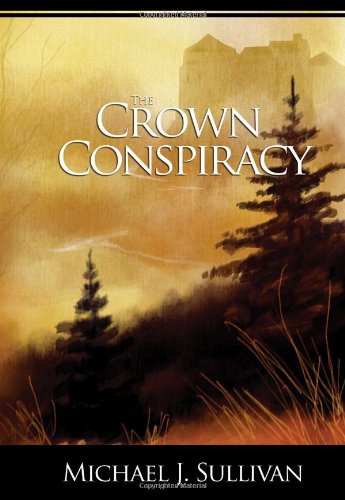
The Crown Conspiracy by Michael J. Sullivan

This novel introduces us to Royce Melborn, a skilled thief, and his sword-wielding companion, Hadrian Blackwater. Together, they form the notorious duo known as Riyria.

When the pair are falsely accused of killing the king, they must use their skills to prove their innocence and uncover a conspiracy.

Sullivan’s novel, full of witty banter, dynamic combat, and thrilling intrigue, makes it a joy to read for those D&D players who love the excitement of unexpected twists and plots within their campaigns.

Eye of Obscurance by Jeffrey L. Kohanek

Kohanek’s world is one where fate is mutable, and prophecies are a significant part of the narrative.

Eye of Obscurance presents an epic quest filled with magic, gods, and fate, sure to please D&D players who enjoy rich lore and divine intervention in their games.

Fans of the Sorcerer class might find a kindred spirit in the protagonist, an untrained sorcerer named Fate. His journey from novice to master is both engaging and inspiring, reflecting the growth D&D characters experience throughout their adventures.

Homeland by R.A. Salvatore

No D&D-themed book list would be complete without mentioning R.A. Salvatore, particularly his book, Homeland.

This novel is the start of the legend of Drizzt Do’Urden, one of the most iconic characters from the Forgotten Realms setting in D&D.

This tale of resilience, integrity, and self-discovery in a dark and unforgiving world will resonate with fans who’ve braved the Underdark and faced drow societies in their D&D campaigns.

The immersive descriptions and the unique combat style of Drizzt will also provide valuable inspiration for both players and DMs.

Guild of Assassins by Jon Cronshaw

For fans of D&D campaigns brimming with intrigue, moral complexity, and heart-pounding action, Guild of Assassins delivers in spades.

The story follows Soren, a young sculptor thrust into a cutthroat assassins’ guild after his father’s murder. His transformation from an idealistic artist to a relentless seeker of vengeance mirrors the development arcs many D&D characters undergo when shaped by tragedy and ambition.

With vivid world-building and a cast of morally ambiguous characters, the book offers a gritty, emotionally charged experience that will resonate with those who enjoy exploring the darker side of D&D campaigns. Soren’s harrowing training alongside his friend Alaric provides intense moments of camaraderie and tension, akin to the dynamics found in a tightly-knit adventuring party.

The focus on stealth, tactical combat, and the psychological cost of violence makes Guild of Assassins a must-read for players who favour rogue, assassin, or morally grey character archetypes. Its rich narrative and visceral storytelling will keep you gripped until the final page.

These novels each offer a unique perspective, with heroes and villains that could easily have stepped out of a D&D campaign.

If you’re looking for your next fantasy read or seeking inspiration for your upcoming D&D session, these books are a great place to start.

Now, grab your preferred beverage, find a comfy chair, and prepare to be transported to realms of high fantasy, thrilling adventure, and gripping intrigue.

Let me know in the comments what books you would recommend.

Happy reading!

Affiliate links are used in this article.

Unlocking the Magic: A Beginner’s Guide to Sword and Sorcery Fantasy

Embark on a thrilling adventure with this beginner’s guide to Sword and Sorcery fantasy literature. Uncover this subgenre’s unique tropes, characters, and dive into our top ten recommended books.

Grab your enchanted swords and dust off your spellbooks, as today we’re delving into the rip-roaring world of Sword and Sorcery fantasy.

So, buckle up, or rather, belt up—we wouldn’t want your scabbards to slip, would we?

What is Sword and Sorcery?

Picture this: a rugged hero with biceps like boulders, wielding a sword so big that it’s probably compensating for something.

He’s joined by a sidekick who can summon a fireball quicker than you can say “abracadabra.”

Together, they’re thrust into a world of high adventure and low cunning, facing off against dastardly villains, ferocious monsters, and the occasional damsel in distress (or quite often, causing the distress).

Welcome to Sword and Sorcery. It’s a subgenre of fantasy that delightfully mashes up elements of action, adventure, magic, and a pinch of romance if we’re lucky.

It’s about the thrill of the quest, the clash of steel, and the incantation of mystic forces, all served with a healthy side of danger and daring-do.

How Does Sword and Sorcery Differ from Other Fantasy Subgenres?

You might be thinking, “Hold on, isn’t that just fantasy?”

Well, not quite.

Sword and Sorcery is like fantasy’s wild and unruly cousin, the one who turns up to the family reunion with a dragon’s tooth earring and a cloak made of griffin feathers.

While epic fantasy (think J.R.R. Tolkien’s “Lord of the Rings”) often focuses on world-shattering stakes, where the destiny of nations or even the whole world hangs in the balance, Sword and Sorcery is more intimate.

It’s about personal quests and small-scale conflicts.

Don’t get me wrong, there’s still plenty of action and adventure, but our heroes are more concerned with their own survival than saving the world.

And unlike high fantasy, which often takes itself rather seriously, Sword and Sorcery isn’t afraid to have a bit of fun.

It revels in its pulp fiction roots, so expect plenty of thrilling escapades, improbable plot twists, and a dash of witty banter.

What Tropes and Characters Can I Expect?

Ah, tropes, those delightful genre conventions that make us feel all warm and fuzzy inside. Sword and Sorcery has them in spades.

First off, our heroes. They tend to be roguish, adventurous types, more likely to solve problems with a sword than a soliloquy.

Think Robert E. Howard’s Conan the Barbarian, a chap who’s never met a problem he couldn’t cleave in two.

And then there’s the sorcerer, a wily character who’s handy to have around when you need a fireball or a convenient plot device.

Sword and Sorcery worlds are generally untamed and dangerous, filled with ancient ruins, cursed treasures, and a startling number of things with too many teeth.

Good job our heroes are usually quite adept at dealing with these. Or, if not adept, at least enthusiastic.

And let’s not forget the villains. They’re often dark sorcerers, tyrannical rulers, or monstrous beasts—sometimes all three in one if it’s been a slow day.

They’re as dastardly as they come, and our heroes will need all their brawn and brains to overcome them.

Sword and Sorcery is a subgenre that offers a thrilling ride, filled with daring heroes, nefarious villains, and plenty of sword-swinging action.

If you’re after some high-stakes adventure without the burden of saving the world, then this might just be the genre for you.

Ten Essential Sword and Sorcery Books for Novice Adventurers

Here are ten enchanting tales that will whisk you away to realms filled with brave knights, cunning sorcerers, and enough fantastical creatures to fill a dragon’s hoard.

“Conan the Barbarian” by Robert E. Howard

The book that started it all. Howard’s Conan is the quintessential warrior, battling foes with his brawn and outwitting them with his cunning.

A word of caution, however: these tales are as rough and ready as their eponymous hero.

“The Broken Sword” by Poul Anderson

A splendid mix of Norse mythology and high fantasy, ‘The Broken Sword’ is a tale of stolen children and feuding gods.

With its intricate plot and Anderson’s beautiful prose, this book is a must-read for anyone new to the genre.

“Elric of Melniboné” by Michael Moorcock

Elric, the albino emperor who wields the soul-drinking sword Stormbringer, is a character you won’t soon forget.

This book is a wonderful introduction to Moorcock’s multiverse and the concept of the Eternal Champion.

“The Sword of Shannara” by Terry Brooks

Often compared to ‘The Lord of the Rings’, Brooks’s novel offers a fresh take on the hero’s journey.

With its rich world-building and compelling characters, ‘The Sword of Shannara’ is a great starting point for new readers.

“The Witcher” series by Andrzej Sapkowski

Before it was a hit Netflix series, ‘The Witcher’ was a collection of captivating short stories and novels.

Follow Geralt of Rivia as he navigates a world where morality is often as murky as a Witcher’s potion.

“The King’s Blades” series by Dave Duncan

Imagine a world where warriors are bonded to their monarch through magic, becoming his loyal Blades.

Duncan’s series is full of political intrigue, thrilling battles, and a touch of humour.

“The Eyes of the Overworld” by Jack Vance

Follow the (mis)adventures of Cugel the Clever, Vance’s unscrupulous anti-hero.

With its wry humour and imaginative world, this book is a delightful change of pace.

“The First Law” series by Joe Abercrombie

Abercrombie’s series is a dark and gritty take on the genre.

With its complex characters and moral ambiguities, ‘The First Law’ is a brilliant introduction to grimdark fantasy.

“The Belgariad” by David Eddings

This five-book series is a classic tale of good versus evil.

With its memorable characters and immersive world, ‘The Belgariad’ is an excellent starting point for new fantasy readers.

“Imaro” by Charles R. Saunders

Drawing from African history and mythology, ‘Imaro’ is a refreshing take on the Sword and Sorcery genre.

Follow Imaro, a warrior on a quest for identity and belonging, across the vast landscapes of Nyumbani.

And there you have it, ten tomes to start your Sword and Sorcery adventure. But remember, the real magic is not just in the destination, but in the journey.

So, gather your courage, grab a book, and delve into the thrilling world of Sword and Sorcery.

Happy reading!

Note: Links in this post are affiliate links.