Explore the captivating world of character-driven high fantasy, from FitzChivalry to Cersei. Discover what makes these deep characters so enthralling.
In the realm of high fantasy, where worlds are as vast as they are fantastical, it’s not just the sprawling landscapes or the intricate magic systems that keep the pages turning.
Oh no. It’s the characters – those flawed, multifaceted beings who are as likely to stab you in the back as save the world.
It’s their journeys, struggles, and triumphs that truly enchant us, making character-driven high fantasy a banquet for the soul, albeit a sometimes bitter one.
Let’s face it: a good character can make us forgive even the most clichéd of plots.
They are the heart and soul of the story, turning a simple quest into a saga of epic proportions.
They bring the world to life, infusing the narrative with their ambitions, fears, and idiosyncrasies.
A well-crafted character is like a good friend – you’re invested in their journey, you celebrate their victories, and you might occasionally want to throttle them.
Take Robin Hobb‘s FitzChivalry Farseer, for example.
Here’s a chap who’s been through the wringer more times than a medieval laundry.
Bastard son, assassin, and a man constantly torn between duty and desire.
Fitz’s complex inner world is what draws us into his story, making us root for him despite his often questionable choices.
Love her or loathe her, Cersei’s ambition and cunning make her a character you can’t ignore.
She’s a masterclass in shades of grey – a woman trying to assert power in a man’s world, using every weapon in her arsenal, including her own children.
Then there’s Locke Lamora, the quick-witted, sharp-tongued protagonist of Scott Lynch’s “Gentleman Bastard” series.
A thief with a heart of gold (well, sometimes), Locke’s charm and cunning make him a hero you can’t help but cheer for, even as he’s picking your pocket.
What makes these characters so appealing?
They’re flawed, deeply human, and they often make a hash of things.
Their struggles resonate with us, their failures make them relatable, and their victories feel like our own.
In high fantasy, where the stakes are as high as the towers of Minas Tirith, these deeply drawn characters give us a grounding point – a human connection in a world of dragons and magic.
Character-driven stories in high fantasy are not just about the destination; they’re about the journey.
Watching a character evolve over time, overcome their demons, and maybe, just maybe, save the world in the process, is a compelling narrative force.
It’s the difference between reading a book and living it.
So, character-driven fantasy offers a rich tapestry of human experience, set against a backdrop of the extraordinary.
It’s a genre where you can explore the depths of the human heart, all while enjoying a good old-fashioned battle between good and evil.
So the next time you dive into a high fantasy novel, pay attention to the characters. They might just teach you a thing or two about life, love, and the proper way to wield a magic sword.
Discover the Ravenglass Universe: a realm of magic, epic sagas, elemental forces, and heroic journeys.
Hello from Morecambe!
Today, I invite you to journey with me as we explore the Ravenglass Universe – a rich, dynamic, and multifaceted fantasy realm where countless stories unfold, from the earliest days to the farthest reaches of the future.
The Essence of the Ravenglass Universe
At its heart, the Ravenglass Universe is a fantastical world, a canvas on which an array of stories are painted.
Here, imagination knows no bounds – from soaring wyverns in the sky to the mystical powers of a unique material known as ravenglass.
A World of Magic and Wonder
Magic is a vital thread in the fabric of the Ravenglass Universe.
It is a world where magic intertwines with reality, creating a landscape filled with wonder and peril.
The magic system is as diverse as it is intriguing:
Ravenglass: Central to our universe’s lore, ravenglass is a mystical material with properties that are both wondrous and enigmatic. It is the cornerstone of many magical feats and the source of much of the universe’s mysteries.
Elemental Magic: Harnessing the raw powers of nature, elemental magic is wielded by those who understand the deep connections to ravenglass
. Fire, water, earth, and air are not just parts of the world; they are forces to be summoned and controlled.
Mind Manipulation: In the darker corners of the Ravenglass Universe, some delve into the secrets of mind manipulation, a form of magic that blurs the lines between persuasion and control.
Parallel Worlds: The universe is not a singular plane; it encompasses numerous parallel worlds, each with its own secrets, dangers, and wonders.
Heroes and Antiheroes: The Soul of Our Stories
Our universe is inhabited by characters as complex and diverse as the world itself.
They navigate this magical world, sometimes as champions of their beliefs, other times as lost souls searching for redemption.
Epic Sagas and Intimate Tales
The range of stories within the Ravenglass Universe spans from grand, epic sagas that reshape the world to intimate, personal narratives that delve deep into the hearts and minds of individuals.
Whether it’s a tale of an empire in turmoil or a quiet story of a lone assassin, each story is a piece of the larger puzzle, contributing to the universe’s rich tapestry.
Adventures await!
The Ravenglass Universe is more than just a setting for fantasy tales; it is a living, breathing world where every story, every character, and every magical element is part of a larger narrative.
As the creator of this universe, I invite you to step into this world of endless possibilities, where the past and future intertwine, and magic is as real as the air we breathe.
Join me in exploring this universe of wonder, magic, and adventure.
Let’s uncover its secrets together.
Until our paths cross again in the Ravenglass Universe,
Unravel the differences between high and epic fantasy with examples, exploring their unique elements and stakes.
In the grand, dragon-infested world of fantasy literature, distinguishing between high fantasy and epic fantasy can be as tricky as convincing a dragon to part with its gold.
Both genres whisk readers away to realms of magic, heroism, and the occasional inconveniently-timed apocalypse.
But fear not, intrepid reader! Let’s embark on a quest to untangle these subgenres.
High Fantasy: More Than Just Elvish Linguistics
High fantasy, also known as secondary-world fantasy, takes you to an entirely different world.
Think J.R.R. Tolkien’s “The Lord of the Rings,” where Middle-earth is as real as the overdue bills on your kitchen counter.
This genre features worlds with their own set of rules, races like elves and dwarves (who are notoriously bad at following any rules), and a magic system that often requires a PhD to understand.
High fantasy is like that eccentric uncle who insists on speaking in Klingon; it immerses you completely in its world.
Epic Fantasy: It’s Not Just Big, It’s Epic
Epic fantasy, on the other hand, is characterised by its scale and the stakes involved.
George R.R. Martin’s “A Song of Ice and Fire” series is a prime example. Here, it’s not just a personal quest but the fate of entire kingdoms hanging in the balance, often involving a cast of characters so vast you need a family tree to keep track.
Epic fantasy is like a family reunion; you might not know everyone’s name, but you’re all in it together, usually against a tyrannical, power-hungry relative.
The Blurred Line: Where High Meets Epic
The boundary between high and epic fantasy is as blurred as your vision after reading a Brandon Sanderson novel in one sitting.
Sanderson’s “The Stormlight Archive” series exemplifies this blend.
It’s set in a meticulously crafted world (high fantasy) and revolves around grand, world-altering conflicts (epic fantasy).
It’s like a banquet where every dish is both deliciously exotic and alarmingly large.
The Magic Touch
High fantasy often presents magic as an integral part of the world.
In Terry Pratchett’s “Discworld” series, magic is as common as a rainy day in London.
Epic fantasy, like Robert Jordan’s “The Wheel of Time,” might also feature magic, but the focus is more on the epic battles, political intrigue, and the characters’ journeys, which occasionally involve less magic and more trying not to get stabbed in the back.
The Stakes Are High (And Epic)
In high fantasy, the stakes might be significant but often more personal, like Frodo Baggins’ quest to destroy the One Ring.
In epic fantasy, the stakes are, well, epic.
Think of “The Malazan Book of the Fallen” by Steven Erikson, where the fate of entire civilizations rests on the outcomes of conflicts.
While high fantasy takes you to an entirely different world, epic fantasy tells you a story of monumental scale and stakes in that world.
Both genres offer an escape from reality, much like imagining yourself as a hero with fabulous hair and a sword, rather than someone who can’t even wield a frying pan properly.
Whether you prefer the complete immersion of high fantasy or the grand tapestry of epic fantasy, one thing is certain: in these worlds, anything is possible, except perhaps a straightforward plot.
Dive into the world of chieftains, warriors, and ancient traditions. Experience the thrill of the tournament, the weight of a secret, and the struggle for respect.
Welcome to the immersive world of Blades of Wolfsbane, a high fantasy novella prequel to Jon Cronshaw’s Ravenglass Legends series.
This captivating tale is an unforgettable journey into a vibrant universe filled with courageous heroes and electrifying sword fights.
In the heart of the story, we meet Ragnar—a chieftain’s son yearning for his father’s respect.
Secretly honing an unorthodox fighting style, he grapples with a choice: reveal his prowess in the imminent boys’ tournament and risk family disgrace, or submit to defeat.
This epic tournament, a secret to safeguard, and a legacy at stake, sets the stage for a story that will ensnare your imagination.
It is a tale of intrigue, honour, and brave hearts.
Fans of rich world-building and high-stakes fantasy will feel right at home in the expansive Ravenglass Universe.
Embark on Ragnar’s epic journey today.
Dive into the world of chieftains, warriors, and ancient traditions. Experience the thrill of the tournament, the weight of a secret, and the struggle for respect.
Don’t miss out on this exciting journey! Listen to the full audiobook of Blades of Wolfsbane for free right here on YouTube.
Remember to like, share, and subscribe for more immersive audiobooks. Enjoy the adventure!
Discover ten fantasy books that capture the essence of Dungeons & Dragons (D&D), taking you on an epic literary journey filled with world-building, intricate plots, and captivating characters. Get ready for adventure and satisfy your D&D cravings with these must-reads.
If you’re an ardent player of Dungeons & Dragons (D&D), chances are you’re no stranger to expansive world-building, intricate plots, and fascinating characters.
To keep your adventure cravings satisfied, we’ve compiled a list of ten fantasy books that will make you feel like you’re right back at the gaming table.
So, dust off your reading glasses and prepare for a literary journey that reflects the essence of D&D.
Kings of the Wyld by Nicholas Eames
For fans of D&D who love the classic quest format, Kings of the Wyld is a must-read.
The story follows a group of washed-up mercenaries on a high-stakes rescue mission.
The tale is rich in humour and camaraderie and calls back to the classic idea of adventuring parties in D&D.
The author’s affectionate and amusing nods to D&D tropes make it a book that’s not just an entertaining read but a nostalgic one for veteran D&D players.
This novel brings you into the lives of the Greatcoats – a group of wandering duellists tasked with upholding justice, reminiscent of D&D’s Fighters or Paladins.
With a mix of swashbuckling action, an intriguing justice system, and characters that are charmingly flawed yet noble, Traitor’s Blade showcases a camaraderie between characters that you might recognize from your D&D party.
Its engaging storyline and tactical combat will resonate with those who love detailed combat in their D&D sessions.
A satirical and clever take on classic fantasy tropes, Orconomics is a perfect blend of comedy, economics, and high fantasy.
Pike crafts a world where adventuring is an industry and monsters are hunted for their loot, akin to a D&D campaign but through a cleverly corporate lens.
The economic system’s intricacy, diverse cast of characters, and the detailed world-building provide elements D&D enthusiasts will appreciate.
Bardugo’s novel, set in the gritty underworld of Ketterdam, echoes D&D’s rogue-infested urban settings.
The narrative follows a band of six unlikely companions on an impossible heist, each with their unique skills and backstory, much like a D&D party.
The intricate heist plot will attract D&D players who love planning and strategizing their missions, and the immersive world-building makes it a compelling read for those who enjoy the depth of lore in their D&D campaigns.
The Final Empire (Mistborn Series) by Brandon Sanderson
The Final Empire offers a unique magic system that fans of D&D’s magic mechanics will enjoy.
The concept of Allomancy (using various metals to fuel magic) provides a fresh perspective on magical systems that D&D wizards or sorcerers might appreciate.
The book also explores themes of rebellion and revolution, set against a dystopian backdrop, offering intricate political manoeuvrings that may resonate with D&D campaigns full of intrigue and societal unrest.
This series is an excellent fit for fans of strong female characters and the Paladin class in D&D.
It follows Alanna of Trebond, who disguises herself as a boy to train as a knight.
Throughout her journey, she grapples with her identity, her magical abilities, and her duty to her kingdom.
The books are a fantastic exploration of courage, perseverance, and embracing one’s destiny, making them a great read for anyone who enjoys stories of heroic quests and overcoming great odds.
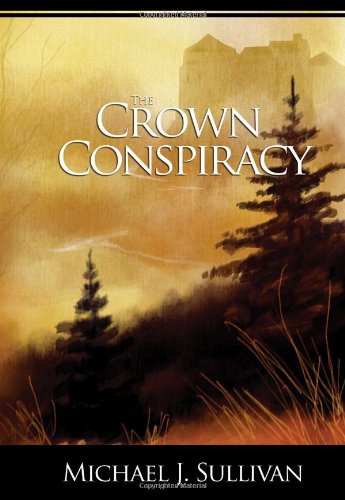
This novel introduces us to Royce Melborn, a skilled thief, and his sword-wielding companion, Hadrian Blackwater. Together, they form the notorious duo known as Riyria.
When the pair are falsely accused of killing the king, they must use their skills to prove their innocence and uncover a conspiracy.
Sullivan’s novel, full of witty banter, dynamic combat, and thrilling intrigue, makes it a joy to read for those D&D players who love the excitement of unexpected twists and plots within their campaigns.
Kohanek’s world is one where fate is mutable, and prophecies are a significant part of the narrative.
Eye of Obscurance presents an epic quest filled with magic, gods, and fate, sure to please D&D players who enjoy rich lore and divine intervention in their games.
Fans of the Sorcerer class might find a kindred spirit in the protagonist, an untrained sorcerer named Fate. His journey from novice to master is both engaging and inspiring, reflecting the growth D&D characters experience throughout their adventures.
No D&D-themed book list would be complete without mentioning R.A. Salvatore, particularly his book, Homeland.
This novel is the start of the legend of Drizzt Do’Urden, one of the most iconic characters from the Forgotten Realms setting in D&D.
This tale of resilience, integrity, and self-discovery in a dark and unforgiving world will resonate with fans who’ve braved the Underdark and faced drow societies in their D&D campaigns.
The immersive descriptions and the unique combat style of Drizzt will also provide valuable inspiration for both players and DMs.
For fans of D&D campaigns brimming with intrigue, moral complexity, and heart-pounding action, Guild of Assassins delivers in spades.
The story follows Soren, a young sculptor thrust into a cutthroat assassins’ guild after his father’s murder. His transformation from an idealistic artist to a relentless seeker of vengeance mirrors the development arcs many D&D characters undergo when shaped by tragedy and ambition.
With vivid world-building and a cast of morally ambiguous characters, the book offers a gritty, emotionally charged experience that will resonate with those who enjoy exploring the darker side of D&D campaigns. Soren’s harrowing training alongside his friend Alaric provides intense moments of camaraderie and tension, akin to the dynamics found in a tightly-knit adventuring party.
The focus on stealth, tactical combat, and the psychological cost of violence makes Guild of Assassins a must-read for players who favour rogue, assassin, or morally grey character archetypes. Its rich narrative and visceral storytelling will keep you gripped until the final page.
These novels each offer a unique perspective, with heroes and villains that could easily have stepped out of a D&D campaign.
If you’re looking for your next fantasy read or seeking inspiration for your upcoming D&D session, these books are a great place to start.
Now, grab your preferred beverage, find a comfy chair, and prepare to be transported to realms of high fantasy, thrilling adventure, and gripping intrigue.
Let me know in the comments what books you would recommend.
Embark on an epic journey with ‘Blades of Wolfsbane,’ a high-stakes prequel to Jon Cronshaw’s Ravenglass Legends. Dive into a world of honor, secret fighting styles, and family legacies, now available as a free audiobook.
Welcome to the immersive world of Blade of Wolfsbane, a high fantasy novella prequel to Jon Cronshaw’s Ravenglass Legends.
This captivating tale, now available as a free full audiobook, is an unforgettable journey into a vibrant universe filled with courageous heroes and electrifying sword fights.
In the heart of the story, we meet Ragnar—a chieftain’s son yearning for his father’s respect. Secretly honing an unorthodox fighting style, he grapples with a choice: reveal his prowess in the imminent boys’ tournament and risk family disgrace, or submit to defeat. This epic tournament, a secret to safeguard, and a legacy at stake, sets the stage for a story that will ensnare your imagination.
Fans of rich world-building and high-stakes fantasy will feel right at home in the expansive Ravenglass Universe.
Embark on Ragnar’s epic journey today. Dive into the world of chieftains, warriors, and ancient traditions. Experience the thrill of the tournament, the weight of a secret, and the struggle for respect.
Don’t miss out on this exciting journey! Listen to the full audiobook of Blades of Wolfsbane for free right here on YouTube.
Remember to like, share, and subscribe for more immersive audiobooks. Enjoy the adventure!
“I never saw fairy tales as an escape or a cop-out… On the contrary, speaking for myself, it is the way to understand reality.”
– Lloyd Alexander
Ah, high fantasy. A realm filled with magical beasts, valiant heroes, and enough mythical creatures to make a zoologist’s head spin.
At first glance, it’s tempting to dismiss these tales as mere flights of fancy, a form of escapism from the dreary realities of everyday life. But hold your sceptical horses, because there’s more to high fantasy than meets the eye.
In fact, these epic tales often reveal profound insights into the human experience, addressing themes that resonate deeply with our own reality.
So, before you scoff at the next person you see buried in a tome thicker than a London fog, let’s take a moment to appreciate the richness and relevance of high fantasy.
A Mirror Held Up To Humanity
High fantasy, like all great literature, is often a reflection of the world in which it was created.
The fantastical settings and characters serve as a canvas upon which the author can explore universal issues and themes.
For example, J.R.R. Tolkien’s The Lord of the Rings series explores themes of power, corruption, and sacrifice, while George R.R. Martin’s A Song of Ice and Fire explores complex political intrigue and moral ambiguity.
By exploring these themes through the lens of an alternate reality, high fantasy allows us to confront difficult questions, such as the nature of good and evil, the role of power in society, and the consequences of our actions, in a safe and engaging way.
In other words, while high fantasy may whisk us away to a land filled with dragons and sorcery, it can also bring us face-to-face with the very real challenges that define our existence.
An Exercise In Empathy
One of the most powerful aspects of high fantasy is its ability to immerse us in the lives and struggles of its characters.
By stepping into the shoes of an orphan farm boy, valiant knight, or mythical creature, we are forced to confront the world from an entirely new perspective.
This exercise in empathy is particularly important in today’s increasingly polarised and intolerant world. (Don’t worry, I’m not going too political here).
Take, for example, the plight of the elves in Tolkien’s Middle-earth, or the complex social hierarchy of the various species in J.K. Rowling’s Harry Potter series.
Through these narratives, we are encouraged to examine our own prejudices and to consider the experiences of those who are different from us. In the process, we cultivate a deeper understanding of the human condition and a greater appreciation for the diversity that makes our world so rich and fascinating.
A Call To Adventure
Finally, high fantasy serves as a powerful reminder of the importance of adventure, courage, and perseverance in the face of adversity.
The heroes and heroines of these tales are often ordinary individuals who are called upon to undertake extraordinary quests, facing insurmountable odds along the way. (I’m sure now would be the perfect time to mention that you can read the complete Orphan Farm Boy of Destiny serial for free on Substack @joncronshawauthor, but I won’t do that).
These narratives inspire us to tap into our own inner reserves of strength and bravery, encouraging us to push beyond the boundaries of our comfort zones and to embrace the unknown.
In this way, high fantasy is not a form of escapism, but rather an invitation to engage more fully with the world and to confront the challenges that lie ahead with hope and determination.
So, the next time you encounter a fellow reader engrossed in the pages of a high fantasy novel, resist the urge to dismiss their literary choice as mere escapism.
Instead, remember that these stories hold the power to teach us valuable lessons about ourselves, our world, and the human experience.
Through the pages of high fantasy, we can explore universal themes, cultivate empathy, and embrace the spirit of adventure that lies within all of us.
Far from being a refuge from reality, high fantasy serves as a gateway to a deeper understanding of the world we inhabit.
Now, if you’ll excuse me, I have a wyvern to train and a kingdom to save, and this cup of tea isn’t going to drink itself.
Explore fantasy literature’s unsung heroes—the steadfast sidekicks. From hobbits to wolves, they shape narratives with loyalty, humour, and courage.
Sidekicks & Sundry: Memorable Aides-de-Camp in Fantasy Literature
Fantasy literature, with its entrancing realms and bewitching narratives, has forever been the refuge for those who crave a bit of magical escapism.
But let’s take a moment to tip our proverbial hats to the unsung heroes of these tales—the trusty sidekicks.
They may not always bask in the limelight, but we’d be hard-pressed to imagine our heroes traversing treacherous terrains or vanquishing dastardly villains without them.
Samwise Gamgee (The Lord of the Rings by J.R.R. Tolkien)
We’d be as forgetful as a goldfish to not mention our dear old Sam. This hobbit doesn’t just carry Frodo’s luggage, but on occasion, Frodo himself.
Who needs a GPS when you’ve got Samwise?
Armed with his unyielding loyalty, pot of potatoes (boil ‘em, mash ‘em, stick ‘em in a stew), and the odd heroic monologue, Samwise truly encapsulates the spirit of a fantasy sidekick.
Nighteyes (Farseer Trilogy by Robin Hobb)
Who wouldn’t want a wolf as a sidekick? Nighteyes, with his ancient wisdom and candid observations, steals the show in Robin Hobb’s Farseer Trilogy.
While Fitz might be the royal bastard with assassin skills, it’s Nighteyes who provides the emotional support, humour, and even philosophy.
Fancy a good telepathic chat? Look no further.
Jean Tannen (Gentleman Bastard Sequence by Scott Lynch)
Every con artist needs a reliable partner, and Jean Tannen fits the bill perfectly for Locke Lamora.
Jean isn’t just your token big guy with an axe but a scholar, strategist, and a dab hand at intricate swearing.
He’s the meticulous planner to Locke’s hasty schemes.
His loyalty is as unwavering as his love for fine brandy.
Without Jean, Locke would be as lost as a pirate in a desert.
Bitterblue (Graceling Realm Series by Kristin Cashore)
Introduced as a minor character in ‘Graceling,’ Bitterblue blooms into a steadfast sidekick in ‘Fire’ before seizing the main stage in her titular book.
She might be a queen, but her relentless quest for truth and justice, combined with her pragmatic approach, make her a superb sidekick.
Also, she manages to retain her royal dignity while dealing with mystical nonsense, which is quite a feat, isn’t it?
Tia (Aru Shah Series by Roshani Chokshi)
Tia, the pigeon who’s really a vahana (vehicle of a deity), adds a dash of plucky charm and sass to the Aru Shah Series.
Sure, Aru Shah’s reincarnation as a Pandava is pretty cool, but who can overlook a pigeon who can transmogrify into a flashy car and dispense sage advice, all while looking impeccably stylish?
Asha (The Priory of the Orange Tree by Samantha Shannon)
An epic fantasy by Samantha Shannon, ‘The Priory of the Orange Tree’ introduces us to Asha, a dragon slayer of repute and a steadfast ally.
Asha provides an invigorating contrast to the courtly intrigues with her bluntness, courage, and a healthy dose of dragon-related badassery.
Wayne (Mistborn Series: Alloy of Law by Brandon Sanderson)
Wayne, an expert shapeshifter and quick-witted con artist, adds a dash of levity to the intense world of Brandon Sanderson’s Mistborn series.
Armed with an impressive array of accents, a love for hats, and a bizarre sense of humour, Wayne serves as the perfect foil to the more serious Waxillium.
They’re the dynamic duo of the rough-and-tumble world of the Roughs.
Loial (The Wheel of Time Series by Robert Jordan)
Loial, the Ogier scholar from Robert Jordan’s sprawling ‘Wheel of Time’ series, is as endearing as sidekicks come.
This giant, book-loving, somewhat naïve character offers a softer and often humorous contrast to the tumultuous world around him.
Despite his peaceful nature, Loial is stalwart in his loyalty, proving time and again that there’s more to this gentle giant than meets the eye.
Gurton (The Axe and the Throne by M. D. Ireman)
‘Gruff yet tender-hearted’ could be the motto of Gurton, the loyal sidekick from M. D. Ireman’s ‘The Axe and the Throne.’
With his masterful skills in tracking and survival, Gurton is more than just a supporting player.
His unyielding loyalty and unexpected depths keep the readers engaged and rooting for him.
Sophronia (The Inheritance Trilogy by N.K. Jemisin)
Sophronia, a godling in a child’s form in N.K. Jemisin’s ‘The Inheritance Trilogy’ provides comic relief, poignant moments, and powerful insight.
While she might appear as a playful child, her wisdom and ability to see through deception add layers to her character, making her an unforgettable sidekick.
Finn (The Thief Who Pulled On Trouble’s Braids by Michael McClung)
In Michael McClung’s Amra Thetys series, Finn is the steadfast companion of the titular thief, Amra.
A wizard with a mysterious past, Finn brings a balanced mix of wisdom and levity to the adventure-filled narrative.
His faithfulness to Amra, despite her criminal lifestyle, adds a touching depth to his character.
Minalan’s Familiars (Spellmonger Series by Terry Mancour)
The Spellmonger series introduces us to an unconventional sort of sidekick—a group of magical familiars who assist Minalan the Spellmonger.
These familiars, including a feisty fay, a resourceful raven, and a motherly hawk, each contribute their unique magic and perspective, making Minalan’s adventures a magical delight.
Kestrel (Kings or Pawns by J.J. Sherwood)
Kestrel, a cheeky yet highly skilled thief from the Steps of Power series, serves as an engaging counterpoint to the seriousness of the royal intrigue surrounding him.
His unorthodox methods and quick wit bring a refreshing touch of humour to the narrative, making him a memorable sidekick in this epic tale.
Snickers (Legends of Dimmingwood series by C. Greenwood)
In C. Greenwood’s ‘Legends of Dimmingwood’ series, Snickers might be a squirrel, but he’s a loyal friend and companion to the series’ protagonist, Ilan.
Don’t underestimate this furry little chap—his keen senses and quick reactions often help Ilan out of sticky situations.
Just goes to show, you don’t need to be big to make a big impact.
Bayaz (The First Law Trilogy by Joe Abercrombie)
Bayaz, the First of the Magi in Joe Abercrombie’s ‘The First Law’ Trilogy, may seem like a typical wise old wizard at first glance.
However, his mysterious past, hidden motives, and a decidedly manipulative streak add layers of complexity to his character.
He serves as a guiding light and occasional puppet master to the trilogy’s protagonists, ensuring that the narrative is anything but dull.
Falcio’s Greatcoats (The Greatcoats series by Sebastien de Castell)
Falcio’s companions, Kest and Brasti, in Sebastien de Castell’s ‘The Greatcoats’ series, form a trio that is truly greater than the sum of its parts.
They provide much-needed camaraderie, banter, and support for their leader, Falcio, making their adventures a delightful ride.
Their unwavering loyalty to each other and their shared cause makes them more than sidekicks—they are brothers in arms.
Kip’s Squad (Lightbringer Series by Brent Weeks)
In Brent Weeks’ ‘Lightbringer’ series, Kip’s squad of talented misfits serves as an engaging ensemble of sidekicks.
From the wise-cracking Gunner to the brave and resolute Teia, each member brings unique strengths to the table.
The dynamics within this diverse group are humorous, heartwarming, and at times, heart-wrenching, making them an unforgettable part of Kip’s journey.
Bronn (A Song of Ice and Fire by George R. R. Martin)
Let’s turn to George R. R. Martin’s sprawling saga, ‘A Song of Ice and Fire.’
Bronn, the sellsword who becomes an unlikely sidekick to Tyrion Lannister, is a fan favourite.
His pragmatism, dry humour, and surprising loyalty to Tyrion provide a refreshing contrast to the intrigue-laden world of Westeros.
And who can forget his notable mantra, “I’ll stand for the dwarf?”
Iorek Byrnison (His Dark Materials by Philip Pullman)
In Philip Pullman’s ‘His Dark Materials’, Lyra’s journey wouldn’t be quite the same without the mighty Iorek Byrnison.
The Panserbjørne (armoured bear) adds muscle and an unusual wisdom to Lyra’s quest.
Also, he’s a giant talking bear who can make and mend armour, so he’s ticking quite a few boxes on the cool sidekick checklist.
Tasslehoff Burrfoot (Dragonlance Series by Margaret Weis and Tracy Hickman)
The Dragonlance series introduces us to Tasslehoff Burrfoot, a kender (a race akin to hobbits) whose curiosity and kleptomania often lead to humorous and unexpected situations.
Tasslehoff’s sense of adventure and knack for getting out of sticky situations make him a sidekick to remember.
He’s the kind of fellow who’d ‘borrow’ your keys, wallet, and possibly your socks, but you’d still want him around for his unwavering optimism and courage.
Calcifer (Howl’s Moving Castle by Diana Wynne Jones)
In Diana Wynne Jones’ ‘Howl’s Moving Castle’, the fire demon Calcifer plays a key role as a sidekick.
Calcifer powers the titular castle and aids the young protagonist, Sophie, in her quest to break her curse.
With his sarcastic humour and hints of a deeper, more complex past, Calcifer lights up the narrative—and not just because he’s a literal flame.
Jimmy the Hand (The Riftwar Saga by Raymond E. Feist)
From Raymond E. Feist’s ‘Riftwar Saga’, we have the charming and resourceful Jimmy the Hand.
This master thief may start as a minor character, but his courage, quick-thinking, and knack for getting in and out of trouble make him an unforgettable sidekick.
Whether he’s navigating the dangerous alleys of Krondor or the intrigues of court, Jimmy proves time and again that a clever mind can be as potent as any sword.
The Luggage (Discworld Series by Terry Pratchett)
Finally, where would a list of sidekicks be without The Luggage from Terry Pratchett’s brilliant Discworld series?
This sentient, multi-legged travel case made of Sapient Pearwood has been a loyal and, shall we say, ‘forceful’ companion to Rincewind the inept wizard.
Unflinchingly loyal, literally eating up foes, and offering an infinite amount of storage, The Luggage redefines the term ‘travel buddy.’
Each of these sidekicks, in their unique ways, enhances the epic narratives they are part of, providing support, camaraderie, humour, and occasionally, a reality check for our heroes. They may not be the ones wearing the crown or sitting on the throne, but their role in shaping the story is just as important, if not more so.
Who are your favourites? Share yours in the comments.
Life is tough in Nordturm, but for Fedor, a street kid turned shoeshine boy, it becomes hell. Join him on a thrilling journey as he gets entangled with a gang of thieves in this prequel novel to the Dawn of Assassins series. Experience a coming-of-age high fantasy filled with assassins, thieves, and magic. Perfect for fans of Scott Lynch, Robin Hobb, and Brent Weeks. Get your copy now!
Fedor blew out the flame and dipped his brush into the melted polish. He studied the man’s shoes—simple, but well-made, soft black leather fastened with silver buckles.
He applied the polish to the right shoe, building up the first layer with gentle circles until the leather turned matte.
“You know, child. I was once where you were.”
Fedor applied the foundation layer to the left shoe.
“Though it was Hafendorf where I first plied my trade.”
Fedor gazed up at him with a raised eyebrow. “You were a polish boy?”
“No. I used to run messages on the docks.”
Fedor spat on the right shoe and brushed back and forth across the polish.
“Aren’t you going to ask me what I did?”
Fedor shrugged. “What’s the point?”
The man chuckled. “What’s the point? The point is I’m trying to teach you something. Tell me, child, how old are you?”
“I don’t know.” He brushed around the buckles and moved onto the other shoe.
“You’re not a man yet. What are you—twelve, thirteen?”
“I said, I don’t know.” He glared at the man’s questions and quickly averted his gaze—this was no way to get tips.
“I started off as a lowly messenger, dodging the curses of sailors, and I now run a merchant company with trading houses in Welttor, Nebel Hafen, Reichsherz, and I’m always looking to expand my operation.” He chuckled to himself. “And yet I still find myself dodging the curses of sailors.”
“Right.”
“And do you know how I did it?”
“I don’t.” Fedor pulled a leather cloth from his box and made small circles in the leather, bringing the surface to a deep shine.
The man leaned forward and tapped Fedor’s shoulder. “Do you want to know the secret?”
Fedor frowned. “To what?”
“To everything, of course.” The man looked around the market square, seemingly seeking inspiration from something or someone. Alchemical lights shone from the cave roof above, twisting his features with shadows. “The secret, my boy, is integrity.” He held Fedor’s gaze. “If you can be trustworthy, people will come back to you again and again.”
“Right.” He pulled his gaze away and wiped a mark from the left buckle.
“Believe me. It works much better than fear.”
Fedor sniffed. “You should tell that to the gangs round here.”
“Of course, you can get things done with fear and intimidation, but no one will thank you for it. As soon as your back is turned, you’re likely to find someone willing to drive a knife into your back.”
“I get it. Treat people bad and it comes back threefold. Priest talks about that all the time.”
“But it’s about more than merely avoiding pain. No, it’s about building trust over time. It’s about being reliable. It’s about integrity.”
“I don’t know what that word means.”
The man shook his head. “Simply put, integrity is about knowing the difference between right and wrong.”
“I know about sin.”
“Indeed. But there’s a difference between knowing and doing.”
Fedor raised the man’s feet to check the soles. He scraped away bits of dried dirt and salt from the grooves. He studied his work for a long moment and got to his feet on creaking knees. “All done.”
The man examined his shoes and took a piece of hack silver from his pocket. “This is for you. Thank you.”
Fedor pocketed the silver and tipped his cap. “Thanks, mister.”
“Remember what I said.” He held Fedor’s gaze. “We all have choices in this world.” He turned and walked away.
Fedor dropped his scraping tool into his box and sighed. “Whatever.” His eyes widened at the glimmer of silver resting on the seat. He snatched it up and turned it in his fingers. It showed a wyvern crest on one side and a profile of Ostreich’s last empress on the reverse—a one krone coin.
He hurriedly stuffed his cloth and brushes into his box and slammed the lid shut.
What if he kept the coin for himself?
With a sigh, he picked up his box and chased after the man.
He caught up to him at the stairs leading to the arena. “Hey, mister.”
The man spun on his heels and smiled at Fedor. “Ah, child. Is there a problem?”
Fedor handed the coin to the man. “This must have dropped from your pocket.”
The man studied the coin and tossed it back. “That coin is for you.”
“For me?” His eyes widened. “I didn’t know. You should have said.”
“If I had said, you wouldn’t have done the right thing.”
Deep lines set between Fedor’s eyebrows. “What do you mean?”
The man reached into his purse and pulled out another one-krone coin. He held it between his fingers and flicked it with his thumb, sending it turning through the air into Fedor’s hand. “And now you have two.” He tapped the side of his nose. “Remember what I said about integrity. Take care of yourself.”
“Erm, thank you.” The man strode away and Fedor shook his head. Who was he? What in the void was he trying to prove? His heart raced. Maybe it was another test. What if the priests had sent him to make sure Fedor was not pocketing the gains for himself? They would beat him again and feed him only scraps for a week. He refused to go through that again.
But if it was not a test—
A hand slapped down on his shoulder. “I don’t know what that was, but that was great. Never seen one like that before.”
Fedor vaguely recognised the lad, a few years his senior. He wore a grey shortcoat, white shirt, trousers, and boots, his sharp features shaded by a flat cap.
“I don’t think we’ve had the pleasure, mate.” He pumped Fedor’s hand. “I’m Lev.”
“I’m confused.”
“Confused? Thought your name was Fedor?”
“It is. Wait, how do you know—”
“Quick.” He tugged Fedor’s wrist and ducked into a tunnel at the edge of the market square. “This way.”
“Where are we going?”
Lev stopped. “Here’s fine.” He looked past Fedor and nodded to himself. “Never tell who’s listening, you know?”
“What do you want?” Fedor glanced back over his shoulder.
“Don’t worry, mate.” Lev held his palms open. “I got no intention of robbing you, if that’s what you’re worried about. Just want to know how you pulled it off.”
“Pulled what off?”
“You think I don’t recognise a scam when I see one? I’ve not seen that one before. How did it work? Is it just you?”
“Just me, what?”
“Mate, seriously?” Lev rolled his eyes and sighed. “I saw what happened. You can’t bullshit a bullshitter.”
“It wasn’t a scam. Honest.”
“No, mate. I saw it with my own eyes. You got Bartok Schultz to give you coin for no reason.” He fixed Fedor’s gaze. “I know a scam when I see one, trust me. How did you set it up?”
“It’s not a scam.”
“Course not.” He dropped his voice to a whisper and leaned forward. “Don’t worry. I’m not with the filth, if that’s what’s bothering you.”
“I know you’re not with the watch. I’ve seen you around. The priests say you’re no good.”
Lev spat on the floor. “The priests. The bloody priests? You’ve got to be kidding me. I’d sooner trust a wyvern than a priest.” He took a step forward and sneered. “Tell me. Priests make you grab their dicks yet or shoved things up your arse?”
Fedor started at the curses. “No.”
“Maybe it’s just the girls they do that to. Dirty bastards, either way.”
“They wouldn’t do—”
“I bet they hit you, don’t they? Give you a good smack for no reason.”
“Only sometimes.” He shuffled on his feet. “Only when we’ve sinned.”
“Yeah, I bet. Perverts, the lot of them.” He jabbed Fedor’s chest. “You need to get out of there, mate, before they start trying to bum you.”
“Bum me?” He pressed his back against the wall, his eyes growing wide. He had never heard anyone speak like this about the priests before.
“Good-looking lad like you.” He shrugged. “Surprised they haven’t already. Bloody pervs.”
“How would you know?”
“Everyone knows, mate.” He let out a sigh. “That’s how they do it.”
“Do what?”
Lev inclined his head. “You’re not the smartest kid around here, are you?”
Fedor stared at him, his mouth unable to form words.
“Think about it. Where’s the best place to find kids who won’t grass to their parents?”
“I don’t know.” He shrugged one shoulder. “An orphanage?”
“See, you’re not a complete thicksicle.” He rubbed his hands together. “When you think about it, it all makes perfect sense.” He spat on the floor again. “Dirty bastards. You need to get out of there, get as far away from those nonces as you can.”
“I’ve got nowhere else to go.”
“Those coins you scammed are a good start, mate. You got two, didn’t you?”
Fedor nodded.
“So, out with it then. How did it work?”
“I swear it wasn’t a scam.”
Lev eyed him up and down and nodded to himself. “You’re either a good liar, or you’re telling the truth.” He folded his arms. “Tell me what happened.”
“I was shining his shoes and he was talking about doing good, and how he’d been a messenger.”
“Go on.” He tapped his foot.
“When I finished, he left a coin on the chair, and I went after him to give it back.”
Lev sniffed. “I would have kept it.”
“But he said the coin was for me and gave me another.”
“And that’s it?”
“Pretty much.”
“So, it was like a reward. You returned his coin and he gave you two? That’s genius, that is, mate.” Lev pushed out his bottom lip. “Great angle. Do-gooders like to do that. What you going to do with it?”
“I don’t know.”
“You don’t know much, do you, mate? You should get us a good meal and place for the night. Get away from that orphanage.”
“I don’t know.” He fingered the coins in his pocket. “I think it might be a test.”
Lev studied him for several seconds. “What kind of test?”
“Doesn’t seem real, does it? I think the priests might be behind it.”
Lev rubbed his chin. “Make sense. Seems a bit far-fetched, though, doesn’t it?”
“But what if it is?”
“Nah, mate. You’re wrong.” He shook his head. “What difference does it make to the priests?”
“It’s not my money to keep.”
“He gave it to you, didn’t he?”
“Yes. But anything I earn goes to the priests.”
“Really?” He cocked an eyebrow and snorted. “And I thought they abolished slavery.”
“It’s not slavery. They feed me. They give me a roof, a bed.”
“Honestly, mate. They used to give slaves places to eat and sleep. That’s your money, that is. I’d be in half a mind to tell one of the watch, though we don’t exactly see eye to eye, if you get my meaning.”
“I suppose.”
“You get money for shining shoes, right?”
“Yeah.”
“He paid for that as well, didn’t he? Bit of hack for your efforts, like the rest?”
Fedor narrowed his eyes. “How long have you been watching me?”
“I watch everyone, mate. It’s what I do. You’d be surprised what you see when you take time to watch. That’s what I do. I pay attention. I see things.”
“What kinds of things?”
“Lots of things. Pay attention and the truth reveals itself, isn’t that what they say?”
Fedor shrugged a shoulder. “I don’t know.”
“Trust me. People don’t pay attention to things. I do. I might even tell you what some of those things are if we work together.”
“Work together?”
“Sure. Why not? I can take you under my wing, show you what’s what. You seem like a smart enough kid. Bit wet behind the ears, like, but I’m sure we can sort you out.”
“I’m not sure.”
“Here’s an idea. Keep that hack aside for the priests and I can show you a good way to spend that coin.”
Fedor rubbed the back of his neck and lowered his voice. “But what if it’s a test?”
“What if it is? You’ve got to live in the moment. Take whatever they give you and move on. At least you’ll have a good night to show for it.”
Fedor licked his lips. “What you got in mind?”
“Meal. Nice room. Some good ale. Or, you could go down into the stinking foundries, spend another night with a priest who wants to bum you.”
“They don’t bum me.”
“Yet.” Lev raised a finger and grinned. “But there’s always time, mate.”
“But it’s a sin.”
“Depends who you ask.”
Fedor shook his head. “They wouldn’t do that.”
“You keep thinking that, mate.” He gestured back towards the market. “You get to the pubs much?”
Fedor shook his head. “No. We’re not allowed.”
“Well, in that case, we definitely need to do it. What you got to lose?”
“I don’t know.” Fedor shrugged. “Nothing, I guess.”
You can read the complete novel of Birth of Assassins when you claim your free Ravenglass Universe starter library and join the VIP newsletter.