Discover Guild of Assassins by Jon Cronshaw—a dark fantasy novel about justice, revenge, and transformation. Perfect for fans of Robin Hobb and Brent Weeks. Gritty, emotional, and character-driven. Available now on Kindle and paperback.
If you’re a fan of dark, emotionally driven fantasy—Guild of Assassins should be your next read.
Written by British author Jon Cronshaw, this novel kicks off a new series set in the gritty Ravenglass Universe. Think Assassin’s Apprentice meets The Night Angel Trilogy with a touch of Joe Abercrombie’s realism and emotional grit.
What’s it About?
Soren is a sculptor’s apprentice in the port town of Nebel Hafen. He’s on track for a quiet life—until his father is murdered and the killer disappears into the night.
With no help from the Magistrates, Soren abandons everything: his tools, his home, his future. Joined by his best friend Alaric, he follows a trail of whispers that leads to a name spoken only in hushed tones—the Guild of Assassins.
To get justice, Soren will have to become what he hates. And once you learn to kill, it changes you forever.
Why You’ll Love It
Guild of Assassins combines:
Gritty, low-magic fantasy
A revenge-fuelled coming-of-age story
Secret societies and assassin guilds
Tight character development
Themes of grief, loyalty, and moral conflict
It’s emotionally intense, tightly paced, and completely immersive.
You’ll walk with Soren through rain-soaked alleys, crumbling ports, and dangerous backstreets as he wrestles with the question: Can you get justice without becoming a monster?
Perfect For Fans Of…
Robin Hobb
Brent Weeks
Joe Abercrombie
The Poppy War
The Lies of Locke Lamora
Assassin stories with emotional stakes
Dark fantasy that puts character first
Who is Jon Cronshaw?
Jon Cronshaw is an indie fantasy author from the UK, known for The Ravenglass Chronicles, The Fall of Wolfsbane, and now Guild of Assassins. His stories are deeply human, emotionally rich, and written with a sharp eye for character.
Fun fact: Jon is blind and writes using screen reader technology. His unique perspective brings texture and depth to his storytelling.
Dive into Michael Moorcock’s “Elric of Melniboné,” where the sword Stormbringer and the anti-hero Elric redefine fantasy norms. Discover how this groundbreaking series shaped modern fantasy with its complex characters and innovative multiverse concept.
In the vibrant tapestry of fantasy literature, where heroic figures often brandish gleaming swords, Michael Moorcock‘s “Elric of Melniboné” series brought forth a weapon with more depth than many of its wielders.
This saga was not merely about heroes and their loyal arms; it revolved around a sword, Stormbringer, embodying a character as pivotal as Elric, the series’ fated hero.
Moorcock didn’t merely craft a narrative; he etched a complex and ominous rune onto the polished façade of fantasy fiction.
A Hero? More Like an Anti-Hero
Elric, the protagonist of the “Elric of Melniboné” series, stood in stark contrast to the typical stalwart, virtuous heroes of conventional fantasy.
As a frail, melancholic albino sorcerer reliant on drugs and his sword for vitality and endurance, Elric epitomised the anti-hero before it became a mainstay of the genre.
Moorcock depicted a protagonist more tormented and conflicted than any convoluted maze.
The Sword That Consumes Souls
In the “Elric of Melniboné” series, the sentient, soul-devouring sword Stormbringer emerged as a dark entity in its own right.
A paradoxical blend of curse and power for Elric, this weapon’s portrayal as an autonomous character with distinct motivations upended the usual sword-and-sorcery tropes, paving the way for numerous dark fantasy stories to follow.
Multiverse and Metafiction: Blurring the Lines
Moorcock’s narrative ambition extended beyond redefining characters and plots.
In his “Elric of Melniboné” series, he toyed with the foundations of reality itself, unveiling the concept of the multiverse.
His interwoven universes and the Eternal Champion motif transcended simple crossovers, merging various series and realities into a labyrinthine and fascinating tapestry.
This approach later influenced the realms of fantasy and science fiction, encouraging writers to envision narratives that spanned beyond single, linear worlds.
The Dark Legacy: Influencing Modern Fantasy
Moorcock’s “Elric of Melniboné” casts long, indelible shadows across the landscape of fantasy literature.
Its impact is evident in the moral grey areas, intricate characters, and sombre undertones prevalent in contemporary fantasy.
From George R.R. Martin’s “A Song of Ice and Fire” to Joe Abercrombie’s “The First Law” series, the ripples of Moorcock’s profound, nuanced narrative style and his exploration of power’s darker facets continue to resonate.
A Storm That Never Quite Passes
The “Elric of Melniboné” series remains a landmark in the realm of fantasy literature.
Its legacy is rooted not only in its groundbreaking character and story development but also in its courage to delve into the deeper, more complex aspects of power, heroism, and reality.
In the genre of swords and sorcery, the series, especially its iconic sword Stormbringer, stands as a beacon – a testament to the enduring power of stories that dare to navigate the tempests within.
Explore the monumental impact of Frank Herbert’s ‘Dune’ on fantasy literature. Discover how its unique blend of political intrigue, ecological themes, and deep cultural exploration reshaped the genre, setting new standards for world-building and philosophical depth.
In the grand, sweeping dunes of literary history, there lies a colossal sandworm of a novel: Frank Herbert’s “Dune”.
This isn’t just a book; it’s a seismic event in the fantasy landscape, reshaping everything in its wake.
You see, before “Dune”, fantasy was a realm of dragons, elves, and conveniently misplaced rings.
Herbert, however, decided that what the genre really needed was a desert planet, a hefty dose of political intrigue, and spice…
Lots of spice.
The Politics of Fantasy: More Treacherous Than a Sandworm
Before “Dune”, who would have thought that a fantasy novel could double as a crash course in political science?
Herbert introduced readers to a universe where power plays, backstabbing, and ecological exploitation were the order of the day.
Suddenly, fantasy wasn’t just about good versus evil; it was about complex moral ambiguities, resource control, and the kind of Machiavellian manoeuvres that would make a medieval king blush.
Ecology and Environment: More Than Just Backdrop
“Dune” took the idea of world-building (quite literally) and ran with it.
The planet Arrakis wasn’t just a stage for the drama; it was a character in its own right.
Herbert’s focus on ecology, environmentalism, and the interplay between a people and their landscape was groundbreaking.
He showed us that the environment could be a protagonist, an antagonist, and a plot point all rolled into one.
In “Dune”, the sands shift, and with them, the genre itself.
But in “Dune”, Herbert took this well-trodden path and sprinkled it with spice (literally).
Paul Atreides isn’t your typical fantasy hero; he’s a messianic figure, a political pawn, and a prophet rolled into one.
His journey is less about defeating a dark lord and more about grappling with destiny, prophecy, and the weight of expectations.
It’s the hero’s journey, yes, but not as we knew it.
Influence Beyond the Sands: Dune’s Legacy
The ripples of “Dune” can be felt across the fantasy genre.
It encouraged authors to think bigger, to incorporate real-world issues like religion, politics, and environmentalism into their narratives.
Fantasy worlds became more complex, more nuanced.
Herbert didn’t just write a novel; he expanded the boundaries of what fantasy could be.
Post-“Dune”, the genre was a wilder, richer place – a landscape transformed, much like Arrakis itself.
Language and Culture: The Spice of Life
“Dune” was not just about sprawling deserts and political intrigue; it delved deep into the nuances of language and culture.
Herbert crafted a universe rich in different languages, customs, and social norms, reflecting the true diversity of human experience.
This intricate detailing set a new standard for world-building, pushing authors to create more immersive and believable fantasy worlds.
Philosophy and Religion: More Than Mere Fantasy
Herbert wove complex philosophical and religious themes throughout “Dune”.
He explored ideas of fate, free will, and the nature of power, transcending the traditional boundaries of fantasy.
“Dune” became a text that not only entertained but provoked thought, challenging readers to ponder deeper existential questions.
The Timeless Legacy of “Dune”
“Dune” stands as a monumental work in the realm of fantasy literature.
Its impact on the genre is immeasurable, inspiring generations of writers and readers alike.
Frank Herbert’s masterpiece remains a beacon of innovation in storytelling, world-building, and thematic exploration.
In the shifting sands of literary trends, “Dune” endures as a timeless classic, its influence as enduring and pervasive as the desert winds of Arrakis itself.
Explore the vast world of fantasy subgenres, from epic and urban fantasy to lesser-known realms like mythpunk and silkpunk. Discover the magic, mystery, and diversity of each subgenre in our comprehensive guide.
In th e sprawling, boundless universe of literature, the fantasy genre stands as a bastion of the unbridled imagination, a realm where dragons soar, magic reigns, and the impossible becomes the everyday.
But within this fantastical cosmos lies an intricate tapestry of subgenres, each a unique world unto itself, teeming with its own brand of wonder and darkness.
This post is your lantern in the murky depths of fantasy’s myriad realms, an introduction to the bewildering spectrum of subgenres that await the intrepid reader.
A Spectrum as Vast as Imagination Itself
Fantasy, in its essence, is a genre unconfined by the mundane laws of our reality.
It’s where the constraints of the possible are gleefully tossed aside in favour of the extraordinary.
Yet, within this boundless expanse, a plethora of subgenres have blossomed, each offering a distinct flavour of escapism.
From the epic tales of heroism and villainy that span entire galaxies, to the subtle magic that lurks in the shadows of our own world, fantasy’s spectrum is as diverse as it is captivating.
Embarking on a Literary Quest
Navigating the labyrinth of fantasy subgenres can be akin to a quest of its own – fraught with uncertainty but brimming with the potential for discovery.
Perhaps you’re drawn to the noble struggles and rich world-building of epic fantasy, or maybe the gritty, morally grey landscapes of grimdark beckon you.
Do the enigmatic twists of magical realism intrigue you, or are you entranced by the fusion of the fantastical with the everyday in urban fantasy?
Each subgenre is a new realm to explore, a new adventure to undertake.
More than Just Entertainment
As we embark on this journey together, remember that fantasy is more than mere escapism.
It is a mirror held up to our own world, reflecting our fears, desires, and the unspoken depths of our psyche.
These subgenres, with their myriad tropes and themes, offer us a kaleidoscope through which to view our own reality, each hue as revealing as it is entertaining.
A Guide for the Curious and the Avid
So, whether you are a seasoned traveller in the realms of fantasy or a curious newcomer seeking a path to begin your journey, this series is your guide.
We will delve into the heart of each subgenre, exploring their quintessence and their quirks, and along the way, recommend tomes that exemplify the best (and sometimes the most bizarre) they have to offer.
Prepare yourself for a journey of discovery, where dragons may be more than scaled beasts, and a magic wand can be more than a stick.
In each post, we will unlock the secrets of a different subgenre, helping you find the one – or several – that resonate most deeply with you.
Academy Fantasy is set in a world where education and learning are central, often within a magical school or university.
These narratives focus on young characters who are students of magic or other supernatural elements.
The stories typically explore themes of friendship, rivalry, and the journey of mastering magical skills, set against the backdrop of an academic institution with its own mysteries and traditions.
Book Recommendation: “The Magicians” by Lev Grossman is a notable example of Academy Fantasy.
The novel follows Quentin Coldwater, a high school student who discovers and attends a secret college of magic in New York, delving into the darker and more realistic aspects of magic in an academic setting.
This beloved tale follows the journey of Bilbo Baggins, a reluctant hobbit adventurer, who embarks on a quest to help a group of dwarves reclaim their homeland from the fearsome dragon Smaug, encountering various challenges and wonders along the way.
Afro-Fantasy, also known as African Fantasy, encompasses fantasy narratives that are deeply rooted in African culture and traditions.
This subgenre often incorporates African folklore, mythology, and spiritual beliefs into its storytelling, creating a rich and diverse fantastical world.
Afro-Fantasy provides a wide-ranging exploration of the continent’s cultural heritage, from the deserts of the North to the forests of the Central and the savannas of the South.
Book Recommendation: “Children of Blood and Bone” by Tomi Adeyemi is an acclaimed Afro-Fantasy novel.
Set in the fictional land of Orïsha, it draws on Yoruba mythology to tell a story of oppression, resistance, and the struggle to reclaim magic in a world that has lost it.
While on the surface, it’s a children’s adventure in a magical land, the series is rich with Christian allegory, moral lessons, and reflections on good and evil.
In Alternative History Fantasy, the threads of our real-world history are intricately woven with elements of the fantastical.
This subgenre asks “what if” and explores a world where historical events have taken a different path due to magical or supernatural interventions.
It’s a playground for the imagination, blending the familiar with the enchanting, often leaving us to wonder about the endless possibilities of ‘what could have been’.
Book Recommendation: “Jonathan Strange & Mr Norrell” by Susanna Clarke is a stellar example.
Set in 19th-century England during the Napoleonic Wars, it imagines a world where magic once existed and has returned with two remarkable magicians.
Clarke masterfully blends historical accuracy with a rich, magical lore.
Arthurian Fantasy takes us back to the age of chivalry, where knights, wizards, and the legendary King Arthur reign supreme.
This subgenre is steeped in myth and legend, often reimagining or expanding upon the tales of Camelot, the Holy Grail, and the Knights of the Round Table.
It’s a place where magic is real, honour is the highest currency, and the line between history and legend is wonderfully blurred.
Book Recommendation:“The Once and Future King” by T.H. White offers a brilliant reimagining of the Arthurian legends.
It’s a novel that combines humour, tragedy, and a deep understanding of human nature, all set in the enchanting world of Camelot.
Bangsian Fantasy is a subgenre that focuses on the afterlife, often featuring historical or fictional characters interacting in the realms beyond death.
Named after John Kendrick Bangs, who wrote stories set in Hades, these narratives explore the concept of an afterlife, blending elements of fantasy with philosophical, humorous, or satirical undertones.
Bangsian Fantasy allows for creative freedom in reimagining the afterlife and often includes thought-provoking discussions about life, death, and morality.
Book Recommendation: “The Divine Comedy” by Dante Alighieri, particularly “Inferno,” can be considered an early form of Bangsian Fantasy.
This epic poem takes the reader on a journey through the realms of the afterlife, guided by the ancient poet Virgil, encountering various historical and mythological figures along the way.
Children’s Fantasy is a genre specifically tailored for young children and often includes elements of whimsy, wonder, and magic.
These stories are typically characterized by their simplicity, imaginative settings, and moral lessons.
The narratives are often straightforward, focusing on good versus evil, and are crafted to be accessible and engaging to younger readers, sparking their imagination and often teaching valuable life lessons.
Book Recommendation:“The Tale of Despereaux” by Kate DiCamillo is a charming example of Children’s Fantasy.
It tells the story of a brave little mouse, Despereaux, on a quest to rescue a princess, weaving a tale of bravery, forgiveness, and the power of storytelling.
Choose Your Own Adventure is a subgenre where the reader gets to make decisions that affect the story’s outcome.
These books are written in a second-person point of view, presenting various choices that lead to different paths and endings.
The genre allows readers to become active participants in the narrative, experiencing a unique and personalized adventure each time they read the book.
Book Recommendation: “House of Danger” by R.A. Montgomery is a notable Choose Your Own Adventure book.
It presents a thrilling and mysterious adventure where the reader, playing the role of a detective, navigates through a maze of choices to solve a case.
Comedic Fantasy is characterized by the infusion of humor into a fantasy setting.
These stories often parody classic fantasy tropes or take a more lighthearted, whimsical approach to the genre.
The humour can range from subtle and witty to slapstick and absurd, providing a refreshing contrast to more serious fantasy narratives.
This subgenre is perfect for readers looking for both escapism and a good laugh.
Book Recommendation:“Discworld” series by Terry Pratchett is a brilliant example of Comedic Fantasy.
With its satirical take on fantasy clichés and a quirky, yet deeply philosophical take on life and society, Pratchett’s work is both hilarious and thought-provoking.
Coming-of-Age Fantasy focuses on the growth and development of the protagonist, usually from youth to adulthood.
These narratives are marked by their exploration of themes like self-discovery, the loss of innocence, and the grappling with newfound responsibilities.
It’s a subgenre that resonates deeply, as it mirrors our own journey through the complexities of growing up, albeit in more fantastical settings.
It follows a young boy’s journey from a mundane life into a world of magic, unfolding his destiny along with the trials and tribulations of growing up.
Cosy Fantasy, also known as gentle fantasy, is characterized by its warm, comforting tone, set in worlds where kindness and community prevail.
These stories offer an escape to a more peaceful and heartwarming reality, often featuring quaint villages, magical creatures, and a sense of harmony with nature.
Cosy Fantasy focuses on the joys of simple living, relationships, and the beauty of everyday magic.
Book Recommendation: “The House in the Cerulean Sea” by T.J. Klune fits well into Cosy Fantasy.
This novel tells the story of Linus Baker, a caseworker who oversees the well-being of children in government-run orphanages for magical youth, and his life-changing journey to a mysterious island, filled with warmth, acceptance, and enchanting characters.
Dark Fantasy merges elements of horror and fantasy, creating a world where the atmosphere is as important as the narrative.
It’s characterized by a sense of foreboding, with settings often filled with darkness, decay, and a sense of dread.
In these stories, magic is not just a wondrous force; it’s often tinged with horror.
The lines between good and evil are blurred, giving rise to antiheroes and morally complex characters.
Dark Fantasy is for those who relish the combination of the macabre with the fantastical.
Book Recommendation:“The Witcher” series by Andrzej Sapkowski offers a perfect foray into Dark Fantasy.
Following the story of Geralt of Rivia, a monster hunter in a morally ambiguous world, it combines elements of Slavic mythology, dark magic, and gritty realism.
Detective Fantasy is a subgenre where the plot revolves around a mystery or investigation within a fantasy setting.
These stories blend the intrigue and puzzle-solving aspects of detective fiction with magical and supernatural elements.
The protagonists are often detectives or investigators who use their wits, and sometimes magical abilities, to solve complex cases, uncover secrets, and bring justice in worlds where magic is a part of everyday life.
Book Recommendation: “Rivers of London” by Ben Aaronovitch is a standout work in Detective Fantasy.
The novel introduces Peter Grant, a police constable and apprentice wizard, who investigates supernatural crimes in modern London, skillfully blending police procedural elements with magic and folklore.
Dieselpunk is characterized by its setting in an alternate history, typically inspired by the interwar period, where diesel technology has advanced in unexpected ways.
This genre combines the aesthetics of the 1920s to 1940s with retrofuturistic innovations, creating a world of noirish charm and industrial innovation.
Dieselpunk narratives often explore themes of exploration, rebellion, and conflict, set against a backdrop of jazz, wartime aesthetics, and technological advancements powered by diesel.
Book Recommendation:“Leviathan” by Scott Westerfeld is an excellent foray into Dieselpunk.
Set in an alternate World War I era, it features a blend of fabricated beasts and mechanical walkers, capturing the essence of Dieselpunk with a gripping tale of war and innovation.
Dragon Fantasy is a subgenre where dragons are not just peripheral creatures but central to the story.
These tales often explore the bonds between dragons and humans, the ancient wisdom and primal ferocity of these mythical beasts, and their impact on the worlds they inhabit.
Whether revered, feared, or misunderstood, dragons in these stories are far more than mere monsters; they are complex beings with their own histories, cultures, and roles in the fate of the world.
Book Recommendation: “Eragon” by Christopher Paolini is a notable example.
It tells the story of a young boy and his dragon, exploring themes of destiny, power, and the bond between dragon and rider in a richly detailed fantasy world.
Dying Earth Fantasy is set in worlds facing imminent demise or decay, whether through the exhaustion of resources, the dying of the sun, or other cataclysmic events.
These narratives often carry an elegiac tone, exploring themes of decline, the end of civilizations, and the resilience (or desperation) of those facing the twilight of their worlds.
It’s a subgenre that combines the wonder of fantasy with poignant reflections on mortality and the impermanence of all things.
Book Recommendation:“The Dying Earth” by Jack Vance, which gave the subgenre its name, is a classic choice.
Set in a far future where the sun is dimming, it combines rich language, imaginative landscapes, and a sense of melancholic beauty.
Dystopian Fantasy is a subgenre that combines elements of fantasy with dystopian themes, exploring grim futures where society has often descended into chaos or tyranny.
These narratives typically involve oppressive governments, environmental catastrophes, or other societal breakdowns.
Dystopian Fantasy not only provides thrilling and often dark adventures but also serves as a commentary on current social, political, or ethical issues.
Book Recommendation: “The Handmaid’s Tale” by Margaret Atwood is a seminal work in Dystopian Fantasy.
Set in a totalitarian theocracy where women are subjugated and stripped of their rights, the novel explores themes of power, resistance, and the human spirit in the face of oppression.
Eldritch Fantasy incorporates elements of cosmic horror into fantasy settings, focusing on the unknown and the unimaginable.
This subgenre often explores themes of forbidden knowledge, otherworldly beings, and the insignificance of humanity in the face of incomprehensible cosmic forces.
Eldritch Fantasy evokes a sense of dread and awe, delving into the mysteries that lie beyond the edges of reality.
Book Recommendation: “The Ballad of Black Tom” by Victor LaValle is a notable work in Eldritch Fantasy.
This novella reimagines H.P. Lovecraft’s story “The Horror at Red Hook” from a new perspective, blending elements of cosmic horror with the social realities of 1920s New York, delivering a tale that is both a critique and a tribute to Lovecraft‘s legacy.
Epic Fantasy is perhaps one of the most expansive and immersive subgenres of fantasy.
Characterized by its large scale and grandeur, it typically involves complex world-building, extensive lore, and a cast of characters whose actions have far-reaching consequences.
These narratives often revolve around monumental struggles between good and evil, featuring epic battles, intricate politics, and a depth of historical and cultural detail that creates a rich, believable world.
Book Recommendation: “A Song of Ice and Fire” series by George R.R. Martin, also cited as an example of Grimdark Fantasy, is equally a testament to Epic Fantasy.
With its complex characters, intricate plotlines, and a vast world of warring kingdoms, it epitomizes the grand scale and depth that define this subgenre.
Erotic Fantasy blends the elements of fantasy – magical worlds, mythical creatures, heroic quests – with eroticism and romance.
This subgenre doesn’t shy away from explicit content, instead using it to explore complex themes of desire, power, and the human (or sometimes non-human) experience of love and lust.
It’s a realm where the fantastical becomes sensual, and the sensual, fantastical.
Book Recommendation: “Kushiel’s Dart” by Jacqueline Carey is an excellent foray into this subgenre.
It’s a tale set in a richly detailed world inspired by medieval Europe, weaving political intrigue, mythology, and eroticism in a story of a courtesan spy with a divine gift.
Fables are a classic form of storytelling that use animals, mythical creatures, or inanimate objects as characters to convey moral lessons.
These stories are typically short and straightforward, often ending with a clear moral or ethical lesson.
Fables have been a part of human culture for centuries, crossing cultural boundaries and passing down wisdom through generations.
Book Recommendation: “Aesop’s Fables” is a collection of fables traditionally attributed to Aesop, a slave and storyteller believed to have lived in ancient Greece.
These tales, including classics like “The Tortoise and the Hare” and “The Boy Who Cried Wolf,” are renowned for their simplicity, wit, and profound moral messages.
Fantasy of Manners, often set in a meticulously detailed society, focuses on intricate social hierarchies, etiquette, and witty dialogue.
This subgenre blends elements of fantasy with the social exploration typical of historical and comedy of manners literature.
It emphasizes interpersonal conflicts and romantic intrigues over magical battles or quests, often using its fantastical settings to satirize real-world social structures.
Book Recommendation: “Gormenghast” series by Mervyn Peake is a quintessential example of Fantasy of Manners.
Set in the sprawling, decaying castle of Gormenghast, the series delves into the lives of its eccentric inhabitants, with a focus on the complex social rituals and power struggles within its walls, all portrayed in a richly imaginative and fantastical setting.
Flintlock Fantasy takes us to a world reminiscent of the 17th and 18th centuries, where magic mingles with the smoke of muskets and the clang of swords.
This subgenre combines the historical elements of the Age of Enlightenment with fantasy, resulting in stories filled with complex political intrigues, epic battles, and a distinct sense of grit and realism.
Flintlock Fantasy is for those who enjoy the fusion of historical accuracy, military strategy, and the unexplained mysteries of magic.
Book Recommendation: “The Powder Mage Trilogy” by Brian McClellan is an exemplary series in this subgenre.
It masterfully blends the elements of gunpowder and sorcery, setting up an intriguing world of revolution, war, and gods.
GameLit is a subgenre where the narrative either takes place in a game or the characters are aware they are in a game-like world.
These stories blend traditional fantasy elements with the mechanics and structure of video games, such as level progression, quests, and stats.
It’s a genre that appeals to both gamers and fantasy readers alike, offering a unique blend of storytelling and gaming logic.
Book Recommendation: “Ready Player One” by Ernest Cline is a prime example of GameLit.
Set in a dystopian future where humanity escapes to a virtual reality game, it combines 1980s pop culture references with a thrilling adventure inside the digital world.
Gaslamp Fantasy transports readers to a Victorian or Regency setting where magic and the supernatural are part of the social fabric.
This subgenre is characterized by its historical setting, often featuring gaslit streets, horse-drawn carriages, and strict social mores, all intertwined with elements of magic and fantasy.
It’s a world where the elegance of the past meets the enchantment of the magical, creating a tapestry of intrigue and romance.
Book Recommendation:“Soulless” by Gail Carriger is a delightful foray into Gaslamp Fantasy.
Set in an alternate Victorian England where vampires and werewolves are part of society, it combines wit, romance, and a touch of supernatural mystery.
Grimbright Fantasy is a subgenre where the setting and overall tone are optimistic or noble, similar to Noblebright Fantasy, but the narratives often include darker elements or themes.
In these stories, heroic characters face significant challenges and moral dilemmas in a world that, while fundamentally good or just, is marred by darker forces or events.
The endings of these tales can be tragic or bittersweet, emphasizing the cost of heroism and the complexities of fighting for a just cause in an imperfect world.
Book Recommendation: “The Lions of Al-Rassan” by Guy Gavriel Kay is a fine example of Grimbright Fantasy.
Set in a world inspired by medieval Spain, it tells the story of characters from conflicting cultures finding common ground, set against a backdrop of war and religious conflict, with a focus on heroism and sacrifice.
Grimdark Fantasy is characterized by its dark, gritty, and morally ambiguous tone.
In these narratives, the line between good and evil is not just blurred – it’s often non-existent.
Protagonists in Grimdark Fantasy are typically deeply flawed, and their journeys are marked by violence, complex moral dilemmas, and a general sense of bleakness.
It’s a subgenre that offers a more cynical, unvarnished view of a fantasy world, where happy endings are rare, and the cost of power is often devastating.
Book Recommendation: “The Prince of Nothing” series by R. Scott Bakker is a compelling choice for readers seeking a deep and intricate fantasy experience.
The series is characterized by its complex characters, sophisticated plot, and a dark, brooding atmosphere.
Gothic Fantasy combines elements of fantasy with the moody, atmospheric settings and themes typical of the Gothic genre.
This subgenre often explores dark romanticism, horror, and the supernatural, set against a backdrop of castles, monasteries, and other Gothic settings.
Themes of isolation, madness, and the grotesque are common, often intertwined with a sense of foreboding and the uncanny.
Book Recommendation: “Dracula” by Bram Stoker is a seminal work in Gothic Fantasy.
Set in Transylvania and Victorian England, it epitomizes the Gothic tradition with its dark, eerie atmosphere and themes of forbidden knowledge and otherworldly powers.
Hard Fantasy is a subgenre where the focus is on the internal consistency and logic of the fantasy world.
Similar to Hard Science Fiction, which emphasizes scientific accuracy, Hard Fantasy ensures that all fantastical elements follow a set of defined, logical rules.
This genre appeals to readers who appreciate detailed world-building, well-developed magical systems, and stories where the fantastical elements are as rigorously thought out as they are imaginative.
Book Recommendation: “The Stormlight Archive” series by Brandon Sanderson exemplifies Hard Fantasy.
The series is renowned for its intricate world-building, complex magic systems that follow specific rules, and the depth of its lore and history.
Heroic Fantasy, often synonymous with Sword and Sorcery, centres around the exploits of protagonists, typically warriors or magicians, who embark on quests filled with danger and heroism.
Characterized by its focus on personal battles rather than world-altering events, this subgenre is replete with action, adventure, and a clear demarcation of good versus evil.
It’s a celebration of individual valour and the triumph of the human (or otherwise) spirit against daunting odds.
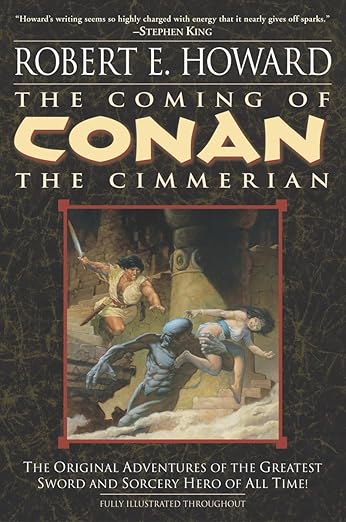
Book Recommendation: “Conan the Barbarian” by Robert E. Howard is a classic example.
Conan’s tales, set in a mythical past, are full of savage battles, eldritch magic, and a relentless fight against formidable foes.
High Fantasy, often synonymous with Epic Fantasy, is set in an entirely fictional world, distinct from our own, filled with its own races, languages, and histories.
These narratives often involve epic quests, battles between good and evil, and a struggle over a singular, world-altering event or series of events.
High Fantasy is known for its intricate world-building, elaborate lore, and the grand scale of its storylines.
Book Recommendation: “The Lord of the Rings” by J.R.R. Tolkien is the quintessential High Fantasy. Set in the mythical world of Middle-earth,
it tells the story of the quest to destroy the One Ring, delving into themes of heroism, sacrifice, and the fight against darkness.
Historical Fantasy blurs the line between the real and the imagined, weaving magic and the supernatural into the fabric of historical events and settings.
This subgenre takes us on a journey through the annals of time, but with an enchanting twist – history as we know it is infused with fantastical elements, mythical creatures, and magical occurrences.
It’s a perfect blend for those who love the richness of history and the allure of fantasy.
Book Recommendation:“Babel” by R. F. Kuang is an exceptional historical fantasy novel for those who appreciate a blend of academic intrigue and magical elements.
Set in the early 19th century, the story unfolds at Oxford University’s fictional Babel Institute, a centre of translation and linguistic scholarship that harbours a dark secret.
“Babel” is particularly recommended for readers who enjoy thought-provoking fantasy with strong ties to real historical events and themes.
Explore the captivating world of underdogs in fantasy literature, where unlikely heroes from Frodo Baggins to Vin take center stage.
Discover how these relatable characters, with their struggles and triumphs, add depth and resonance to fantasy tales, making them more engaging and inspiring for readers.
Hopepunk is characterized by its focus on optimism, kindness, and the fight for positive change.
It stands in contrast to grimdark fantasy, celebrating characters who combat cynicism and despair through acts of compassion, bravery, and resilience.
Hopepunk stories emphasize the power of hope and community as tools to resist and overcome a harsh and oppressive world.
Book Recommendation: “Good Omens” by Neil Gaiman and Terry Pratchett is an excellent representation of Hopepunk.
This novel, blending humor and fantasy, tells the story of an angel and a demon teaming up to prevent the apocalypse.
It’s a tale that combines wit, unlikely friendships, and a heartwarming message about the power of human nature to avert disaster, even when the odds seem insurmountable.
Indian Fantasy, while not widely known by a specific name, encompasses fantasy narratives inspired by the diverse myths, legends, and cultural stories of India.
This subgenre often includes elements from Hindu epics, Indian folklore, and historical settings, blending them with magical and fantastical aspects.
Indian Fantasy is rich with diverse characters, intricate plotlines, and themes deeply rooted in Indian philosophy and spirituality.
Book Recommendation: “The Devourers” by Indra Das is a standout Indian Fantasy novel.
It weaves together Indian folklore and history with a compelling narrative about werewolves, shape-shifters, and a journey that spans centuries.
Sekai, a subgenre originating from Japanese literature and media, revolves around a character being transported, reborn, or trapped in an alternate world or parallel universe.
This world often differs significantly from the character’s original reality, often featuring fantasy or sci-fi elements.
The narrative typically focuses on the protagonist’s adaptation to and exploration of the new world, overcoming challenges, and often fulfilling a particular destiny or quest.
Book Recommendation: “Sword Art Online” by Reki Kawahara is a well-known example of Isekai.
It follows the story of players trapped in a virtual MMORPG (Massively Multiplayer Online Role-Playing Game), blending elements of fantasy, adventure, and technology, as they struggle to survive and escape the game.
Legend/Myth Fantasy takes inspiration from the rich tapestry of global myths, legends, and folklore.
This subgenre reinterprets and reimagines these ancient stories, often giving them new life or a fresh perspective.
Whether it’s through retelling these tales in modern settings or reworking them into new narratives, Legend/Myth Fantasy bridges the gap between the ancient and the contemporary, bringing timeless themes and archetypes into new contexts.
Book Recommendation: “American Gods” by Neil Gaiman is an excellent example.
It brings together deities and mythological beings from various cultures into the modern-day United States, exploring themes of belief, cultural identity, and change.
LGBTQ+ Fantasy is a subgenre that features characters and stories that represent the LGBTQ+ community.
These narratives often explore themes of identity, acceptance, and love, set against the backdrop of fantastical worlds.
By including diverse sexual orientations and gender identities, LGBTQ+ Fantasy offers a more inclusive perspective, reflecting the richness of human experience in the realm of fantasy storytelling.
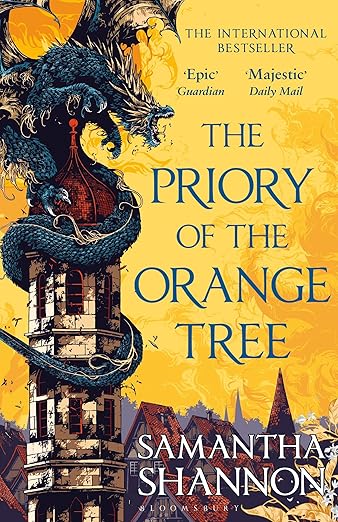
Book Recommendation: “The Priory of the Orange Tree” by Samantha Shannon is an exemplary LGBTQ+ Fantasy novel.
It presents a world rich with dragons, lore, and intrigue, and features a diverse cast of characters, including strong LGBTQ+ representation, interwoven in a tale of conflict, alliance, and romance.
LitRPG (Literary Role Playing Game) is a subgenre where the narrative structure and progression follow the mechanics of a role-playing game (RPG).
These stories often feature characters who are aware they are in a game or a game-like world, complete with leveling up, skill acquisition, and other RPG elements.
The genre appeals to readers who enjoy the intersection of gaming and storytelling, offering a detailed exploration of characters’ progression and the gaming world’s mechanics.
Book Recommendation: “The Land: Founding” by Aleron Kong is a notable LitRPG novel.
It follows the story of a man transported into a fantastical game world, where he must learn to survive and thrive according to the game’s rules, balancing action and character development with the intricacies of RPG elements.
Lost World Fantasy involves the discovery of unknown and hidden civilizations or worlds, often in unexplored regions like jungles, islands, or underground.
These narratives tap into the allure of exploration and the unknown, featuring elements such as ancient societies, exotic creatures, and forgotten lands.
Lost World stories often combine adventure, mystery, and sometimes speculative elements, exploring the consequences and moral dilemmas of encountering these hidden realms.
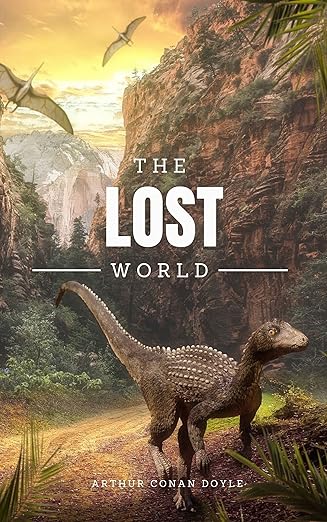
Book Recommendation: “The Lost World” by Sir Arthur Conan Doyle is a seminal work in this genre.
It tells the story of an expedition to a plateau in the Amazon basin where prehistoric animals still exist, exploring themes of adventure, discovery, and the clash between modern world and ancient realms.
Low Fantasy is characterized by its setting in a realistic world, similar to our own, but with the inclusion of magical or supernatural elements.
Unlike High Fantasy, where the story takes place in a completely different world, Low Fantasy weaves its fantastical aspects into familiar, everyday settings.
This genre often explores the impact of the supernatural on ordinary life and typically features more grounded, relatable characters and scenarios.
Book Recommendation: “Pan’s Labyrinth” by Guillermo del Toro and Cornelia Funke, based on the film, is an excellent example of Low Fantasy.
Set in post-Civil War Spain, it tells the story of a young girl who encounters a mysterious labyrinth and a faun who sets her on a fantastical quest, blurring the lines between reality and fantasy.
Magical Realism is a subgenre where magic is woven into the fabric of the real world, presenting a universe that is almost like our own but with an underlying layer of the extraordinary.
Unlike traditional fantasy, Magical Realism often doesn’t involve grand battles between good and evil or epic quests.
Instead, it focuses on everyday experiences and relationships, with elements of magic serving to highlight the surreal and extraordinary aspects of ordinary life.
Book Recommendation: “One Hundred Years of Solitude” by Gabriel García Márquez, previously mentioned, remains a defining work of Magical Realism.
It tells the multi-generational story of the Buendía family in the fictitious town of Macondo, blending the real with the fantastic in a narrative that reflects the political and cultural realities of Latin America.
The Magical Girl subgenre, originating from Japanese media, revolves around characters, typically young girls or teenagers, who possess magical abilities.
These stories often focus on themes of personal growth, friendship, and the battle against evil forces.
The protagonists typically undergo magical transformations to unlock their powers, often while balancing the challenges of their everyday lives.
The genre is known for its positive messages, vibrant storytelling, and the empowerment of its heroines.
Book Recommendation: “Cardcaptor Sakura” by CLAMP is a classic example of the Magical Girl genre.
The manga and its adaptations follow the story of Sakura Kinomoto, a young girl who discovers magical powers and embarks on a quest to retrieve a set of magical cards she accidentally scatters around the world.
Medieval Fantasy draws inspiration from medieval history and is often set in a world similar to our own Middle Ages.
This subgenre features elements such as knights, castles, feudal systems, and often a blend of historical accuracy with fantastical elements like magic and mythical creatures.
It’s a genre that captivates those who are fascinated by the medieval era and its romanticized notions of chivalry and adventure.
Book Recommendation: “The Name of the Wind” by Patrick Rothfuss, earlier mentioned under Epic Fantasy, also embodies elements of Medieval Fantasy.
It’s set in a richly detailed world reminiscent of the Middle Ages, complete with a unique magic system, bards, and ancient lore.
Meta-Modern Fantasy is a relatively new subgenre that blends elements from various literary genres and often includes a self-reflective or metafictional approach.
These narratives might combine fantasy with science fiction, historical fiction, or other genres, creating a multi-layered story that reflects on its own nature.
Meta-Modern Fantasy often explores themes of reality versus illusion and the nature of storytelling itself.
Book Recommendation: “The City We Became” by N.K. Jemisin is an example of Meta-Modern Fantasy.
The novel, which blends urban fantasy and elements of metafiction, explores the idea of a living, sentient New York City, personified by five individuals, challenging conventional fantasy narratives.
Middle-Grade Fantasy is aimed at children aged around 8 to 12 years and often revolves around themes of adventure, friendship, and self-discovery.
These stories feature protagonists who are similar in age to the target audience, allowing readers to identify with their journeys.
The narratives in Middle-Grade Fantasy are more complex than in Children’s Fantasy, often exploring conflicts and challenges that mirror the experiences of tweens as they navigate their own path towards adolescence.
Book Recommendation: “Percy Jackson & The Olympians” series by Rick Riordan is an excellent Middle-Grade Fantasy.
It centers on Percy Jackson, a young demigod, and his adventures in a world where Greek mythology intersects with the modern day, combining action, humor, and themes relevant to middle-grade readers.
Military Fantasy is a subgenre where the focus is on military life, strategy, and warfare within a fantasy setting.
These stories often feature detailed depictions of battles, military cultures, and the experiences of soldiers, interwoven with elements of magic and fantastical races.
It appeals to readers who are intrigued by the tactical and strategic aspects of warfare in a world where the rules of combat are expanded by the presence of magic and mythical beings.
Book Recommendation: “The Black Company” series by Glen Cook is a seminal work in Military Fantasy.
It tells the story of an elite mercenary unit in a gritty, morally complex world, combining the harsh realities of war with dark and compelling magic.
Mythpunk refers to a subgenre that takes traditional myths, folklore, and fairy tales and gives them a new, often subversive twist.
These stories reimagine the familiar narratives, infusing them with modern themes, unconventional storytelling methods, and a punk ethos.
Mythpunk challenges the traditional norms and roles found in ancient myths, offering fresh, sometimes radical perspectives on the stories we thought we knew.
Book Recommendation: “Deathless” by Catherynne M. Valente is an embodiment of Mythpunk.
The novel reinterprets the Russian folktale of Koschei the Deathless, blending it with historical events like the Russian Revolution and World War II, creating a rich, lyrical, and evocative narrative.
Native American Fantasy incorporates elements of Native American myths, legends, and folklore into fantasy narratives.
This genre often explores themes central to Native American cultures, such as a deep connection to the land, spirituality, and the impact of colonialism.
These stories can offer a blend of historical and contemporary settings, presenting a unique perspective on Native American life and mythology.
Book Recommendation: “Trail of Lightning” by Rebecca Roanhorse is a notable example of Native American Fantasy.
The novel is set in a post-apocalyptic world that draws heavily on Navajo mythology, featuring a monster-slaying protagonist navigating a landscape filled with gods and mythological beings.
Nautical Fantasy is a subgenre that combines elements of fantasy with maritime adventures.
These tales are set on the high seas and often feature sailors, pirates, sea monsters, and enchanted islands.
Magic and the supernatural are intertwined with the exploration and adventure of seafaring life.
It’s a genre that captivates with its blend of oceanic lore, swashbuckling action, and fantastical elements, appealing to those who long for tales of the deep and the mysteries it holds.
Book Recommendation: “Liveship Traders” trilogy by Robin Hobb is an excellent example of Nautical Fantasy.
Set in a richly detailed world of trading ships and pirate seas, it tells the story of sentient ships, sea serpents, and complex characters, weaving a tale of magic, commerce, and maritime adventure.
New Weird is a subgenre that blends elements of fantasy, horror, and science fiction to create stories that defy conventional genre boundaries.
Characterized by surreal worlds, bizarre creatures, and complex narratives, New Weird pushes the limits of imagination, often challenging the reader’s perceptions of reality.
It’s a genre for those who revel in the unconventional and seek narratives that are unafraid to explore the strange and the uncanny.
Book Recommendation: “Perdido Street Station” by China Miéville is a prime example of New Weird.
Set in the sprawling, chaotic city of New Crobuzon, it weaves a tale rich with strange beings, arcane sciences, and a pervasive sense of wonder and horror.
Noblebright Fantasy is characterized by its focus on the themes of hope, courage, and the inherent goodness of people.
In these stories, characters strive to do the right thing and make a positive difference in their world.
It’s a counterpoint to Grimdark Fantasy, emphasizing optimism and the possibility of positive change.
Noblebright Fantasy appeals to readers who are looking for uplifting stories where heroes fight against the odds for a cause greater than themselves.
Book Recommendation: “The Deed of Paksenarrion” by Elizabeth Moon is a notable Noblebright Fantasy.
Following the journey of Paksenarrion, a sheepfarmer’s daughter who dreams of being a hero, it’s a tale of honor, bravery, and the struggle for goodness in a world of conflict and danger.
Nobledark Fantasy is a subgenre characterized by its dark, often grim settings, where characters are deeply flawed yet follow a strong moral compass.
In these stories, the world may be bleak or corrupt, but the protagonists strive to uphold their principles and make positive changes, despite the odds and their personal struggles.
It’s a genre that delves into the complexities of morality and integrity in a world that often seems devoid of both.
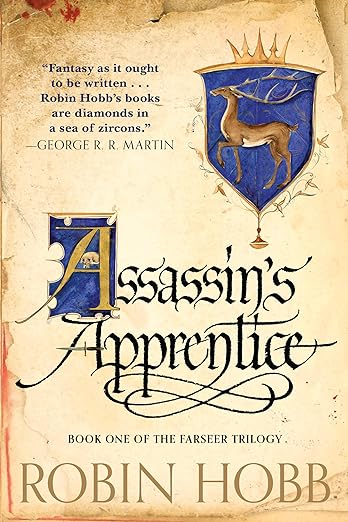
Book Recommendation: The “Farseer Trilogy” by Robin Hobb, as mentioned, is a quintessential example of Nobledark Fantasy.
Following the life of FitzChivalry Farseer, a royal bastard and assassin in a kingdom fraught with intrigue and danger, the series explores themes of loyalty, sacrifice, and the weight of a moral code in a harsh world.
Noir Fantasy is a subgenre that blends the gritty, morally ambiguous characteristics of noir fiction with elements of fantasy.
These stories typically feature hard-boiled detectives, shadowy urban settings, and complex plots involving crime and mystery.
The narratives are often characterized by their cynical tone, morally grey characters, and a focus on the darker aspects of society, all set within a fantastical world.
It follows Vlad Taltos, a human assassin in a world dominated by the Dragaeran Empire, combining elements of crime, espionage, and magic in a setting that blends classic noir with high fantasy.
Norse Fantasy is a subgenre that draws heavily from Norse mythology, Viking history, and Scandinavian folklore.
These stories often feature gods, giants, and legendary heroes, set against the backdrop of the rugged Nordic landscape.
Themes commonly explored in Norse Fantasy include fate, heroism, and the struggle against the supernatural, often intertwined with the gritty and adventurous spirit of Viking culture.
Book Recommendation: “The Hammer and the Cross” series by Harry Harrison and John Holm is an excellent example of Norse Fantasy.
The novels combine historical elements of the Viking era with Norse mythology, creating a richly detailed and immersive world.
Paranormal Fantasy blends elements of the fantastical with the modern world, featuring supernatural beings such as vampires, werewolves, witches, and ghosts.
Set in contemporary settings, these narratives often explore the interaction between the supernatural and the mundane, bringing an element of the uncanny into everyday life.
It’s a genre that captivates those intrigued by the idea of hidden worlds and unexplained phenomena existing alongside the familiar.
Book Recommendation: “The Dresden Files” by Jim Butcher is an excellent entry into Paranormal Fantasy.
Centering on Harry Dresden, a wizard and private investigator in modern-day Chicago, the series weaves together mystery, magic, and the supernatural in an urban setting.
Paranormal Romance is a subgenre where romance is central to the plot and is intertwined with elements of the paranormal or supernatural.
These narratives often feature relationships between humans and supernatural beings like vampires, werewolves, witches, or ghosts.
The stories explore themes of forbidden love, the complexities of relationships between different beings, and the challenges of love in a world where the supernatural is real.
Book Recommendation: “Twilight” series by Stephenie Meyer is a well-known example of Paranormal Romance.
It explores the romantic relationship between a human teenager and a vampire, delving into themes of love, desire, and the supernatural.
Political Fantasy focuses on the drama and intrigue of political power within a fantasy setting.
These stories are driven by the machinations, alliances, betrayals, and strategic maneuverings of individuals or factions vying for power.
Rather than centering on physical battles or quests, Political Fantasy delves into the psychological and tactical aspects of governance and power struggles, often against a backdrop of a richly built fantasy world.
Book Recommendation: “The Goblin Emperor” by Katherine Addison offers an intriguing foray into Political Fantasy.
The novel tells the story of Maia, a half-goblin, half-elf who unexpectedly ascends to the throne of an elven kingdom.
It’s a tale of court intrigue, diplomacy, and the complexities of ruling in a world filled with prejudice, plots, and power struggles.
Portal Fantasy is a subgenre where characters travel from the real world to a fantastical realm, often through a magical doorway or portal.
These narratives typically focus on the protagonist’s journey and adaptation to the new world, which is filled with wonder, danger, and often, a quest or mission.
It’s a genre that captivates with the allure of discovery and the contrast between the familiar and the fantastical.
Book Recommendation: “The Lion, the Witch and the Wardrobe” by C.S. Lewis is a classic example of Portal Fantasy.
It follows the Pevensie siblings as they step through a wardrobe into the magical land of Narnia, embarking on a journey filled with wonder and adventure.
Post-Apocalyptic Fantasy is set in a world that has suffered a catastrophic event, often with magical or supernatural causes.
This subgenre explores themes of survival, the rebuilding of society, and the human spirit’s resilience in the aftermath of a world-altering calamity.
It combines the ruins of a collapsed civilization with fantastical elements, creating a backdrop for stories of endurance, hope, and rebirth.
Book Recommendation: “The Fifth Season” by N.K. Jemisin, part of the “Broken Earth” trilogy, exemplifies this subgenre.
It portrays a world frequently ravaged by cataclysmic events, where certain individuals wield the power to control geological forces, weaving together themes of apocalypse, magic, and societal upheaval.
Progression Fantasy is a subgenre where the main focus is on the protagonist’s growth in power and skill over time.
These stories often include detailed systems for magic or power, with characters progressively unlocking new abilities or levels of strength.
The narrative satisfaction comes from following the character’s journey from relative weakness to significant power, often through training, learning, or overcoming challenges.
Book Recommendation: “Cradle” series by Will Wight is a notable example of Progression Fantasy.
The series follows the story of Lindon, a young man from a low-powered clan, as he embarks on a journey to become more powerful, featuring a well-defined system of progression and magical martial arts.
Pulp Fantasy harks back to the style of the pulp magazines of the early 20th century.
These stories are characterized by their fast pace, sensationalist action, and vivid, sometimes lurid, storytelling.
Pulp Fantasy often features exotic locations, daring heroes, and over-the-top villains.
It’s a genre for those who revel in action-packed adventures and fantastical escapades that prioritize entertainment and escapism.
Book Recommendation: “Conan the Barbarian” by Robert E. Howard is a quintessential Pulp Fantasy.
Conan’s adventures, set in the mythical Hyborian Age, are replete with sword fights, sorcery, and thrilling exploits, embodying the spirit of pulp fiction.
Quest Fantasy is a subgenre centered around a central quest or mission.
These stories typically involve a hero or group of heroes embarking on a journey to achieve a specific goal, whether it’s to retrieve a magical object, save a kingdom, or defeat a formidable villain.
Along the way, they face various challenges and obstacles, both external and internal.
Quest Fantasy is characterized by its narrative structure and the development of its characters through their adventures.
It narrates the journey of Bilbo Baggins, a reluctant hero who joins a group of dwarves on a quest to reclaim their homeland from the dragon Smaug, encountering numerous challenges and transformative experiences along the way.
Roguish Fantasy centers around characters who are typically on the fringes of society, such as thieves, assassins, or con artists.
These protagonists are often antiheroes or morally grey characters, using their wits, charm, and skills to navigate a world that is not black-and-white in terms of morality.
The stories in this subgenre are filled with intrigue, heists, and clever deceptions, appealing to those who enjoy a more nuanced take on the traditional hero’s journey.
Book Recommendation: “The Lies of Locke Lamora” by Scott Lynch is an exemplary work in Roguish Fantasy.
It tells the story of Locke Lamora, a master thief, and his band of con artists, weaving a tale of high-stakes heists, complex characters, and a richly imagined world.
Romantic Fantasy is a subgenre where romance plays a significant, yet not central, role within a broader fantasy narrative.
In these stories, the romantic subplot is woven into the fabric of the main plot, enriching the overall story without overshadowing the fantasy elements.
Characters may experience love and relationships, but these elements complement the larger themes and adventures of the fantasy world.
Book Recommendation: “Uprooted” by Naomi Novik is an excellent example of Romantic Fantasy.
Set in a world inspired by Eastern European folklore, it tells the story of a young woman who becomes entangled with a mysterious wizard and a malevolent forest, with a beautifully developed romantic subplot enhancing the tale.
Silkpunk is a subgenre that blends elements of Asian culture and history with advanced technology and futuristic concepts, similar to how Steampunk combines Victorian-era aesthetics with steam-powered technology.
Silkpunk stories are often set in fantastical versions of ancient China or other parts of Asia, featuring intricate, silk-inspired designs, advanced engineering, and a deep integration of Asian philosophy and art.
This genre presents a unique fusion of the ancient and the futuristic, showcasing a world where traditional Eastern aesthetics meet cutting-edge innovation.
Book Recommendation: “The Grace of Kings” by Ken Liu is a prime example of Silkpunk.
The novel weaves a tapestry of rebellion, intrigue, and epic battles in a setting inspired by historical Asia, complete with inventive technologies and mythical creatures.
Slipstream blurs the boundaries between genres, often merging elements of fantasy, science fiction, and literary fiction.
Characterized by its surreal and dream-like qualities, Slipstream challenges readers’ perceptions of reality and fiction.
It typically eschews conventional narrative structures, instead focusing on the mood and emotional resonance of the story.
Book Recommendation: “Kafka on the Shore” by Haruki Murakami is a notable example of Slipstream.
The novel intertwines the seemingly ordinary with the bizarre and metaphysical, weaving a tale that defies easy categorization and immerses readers in a surreal experience.
Science Fantasy is a subgenre that blends elements of science fiction, particularly space exploration and futuristic technology, with traditional fantasy themes and motifs.
These narratives often take place in outer space or on other planets, featuring advanced technologies alongside magic, mythical beings, and ancient prophecies.
It’s a genre that appeals to those who dream of a universe where the boundaries between science and magic blur.
Book Recommendation: “Star Wars” novels, set in the iconic “Star Wars” universe, are classic examples of Science Fantasy.
They combine elements of space opera with mystical forces like the Force, intergalactic politics, and epic battles between good and evil.
Science fiction, often abbreviated as sci-fi, explores imaginative concepts primarily influenced by scientific discoveries, space exploration, time travel, parallel universes, and futuristic technology.
This genre often questions the potential consequences of scientific and other innovations, and has been called a “literature of ideas.”
Sci-fi typically deals with imaginative and futuristic concepts, such as advanced science and technology, space exploration, time travel, parallel universes, and extraterrestrial life.
Science fiction opens the mind to the endless possibilities of the future, challenging our understanding of science, ethics, and the universe.
Book Recommendation: “I, Robot” by Isaac Asimov is a seminal work in the science fiction genre.
The book, a collection of interconnected short stories, delves into the complexities and ethics of artificial intelligence and robotics.
Asimov’s introduction of the Three Laws of Robotics and his exploration of their implications make “I, Robot” a thought-provoking and foundational text for sci-fi enthusiasts.
Steampunk is characterized by its setting in an alternate history, typically the Victorian era or a similarly industrialized period, where steam-powered technology reigns supreme.
This subgenre incorporates elements of fantasy within a retrofuturistic world, featuring airships, steam engines, and clockwork devices, often combined with magic and adventure.
Steampunk captures the imagination with its unique aesthetic, blending historical settings with imaginative technology and fantastical elements.
Book Recommendation: “The Watchmaker of Filigree Street” by Natasha Pulley offers a compelling foray into the steampunk genre.
Set in Victorian London, the story revolves around a mysterious watchmaker who possesses extraordinary talents. The narrative intertwines elegant clockwork inventions with a thrilling plot, creating an enchanting vision of a steampunk-infused world.
Superhero Fantasy is a subgenre where characters with superhuman abilities or powers are the primary focus.
These narratives often explore themes of heroism, responsibility, and identity, set against a backdrop of both realistic and fantastical elements.
Superhero stories can range from light-hearted and action-packed to dark and introspective, offering a wide array of tales about what it means to wield great power.
Book Recommendation: “Steelheart” by Brandon Sanderson is a novel that delves into Superhero Fantasy.
In a world where people with superpowers, known as Epics, have taken over, it follows a group of ordinary humans seeking to fight back, exploring themes of power, corruption, and heroism.
Sword and Sandal Fantasy, often associated with historical or mythical settings such as ancient Rome, Greece, or Egypt, focuses on epic tales of heroes, gods, and mythical creatures.
This genre is characterized by its emphasis on heroic adventures, battles, and a romanticized portrayal of the ancient world.
Sword and Sandal narratives often involve quests, legendary battles, and the interplay of human characters with gods or mythical beings.
Book Recommendation: “The Song of Achilles” by Madeline Miller is a standout in this genre.
Reimagining the story of Achilles and the Trojan War, the novel combines the elements of ancient myths with a powerful narrative of love, war, and destiny.
Sword and Sorcery is a subgenre that focuses on action-packed, fast-paced stories featuring a combination of sword-wielding heroes and arcane magic.
These narratives often revolve around personal quests, battles against dark sorcerers or monsters, and the exploration of mysterious, often ancient, worlds.
The emphasis is on thrilling adventure and the protagonist’s physical and magical prowess, rather than complex political intrigue or elaborate world-building.
Book Recommendation: The “Conan the Barbarian” series by Robert E. Howard, also mentioned under Pulp Fantasy, is a classic example of Sword and Sorcery.
These tales, set in the fictional Hyborian Age, follow the adventures of Conan, a warrior who faces formidable foes and supernatural threats with his strength and wit.
Sword and Soul is a subgenre of fantasy that is heavily inspired by African cultures, history, and mythology.
It often features epic tales of warriors, magic, and adventure set in landscapes reminiscent of various African regions.
These narratives combine elements of traditional African storytelling with classic fantasy themes, often highlighting heroic quests, battles, and the exploration of complex societies and spiritual worlds.
Book Recommendation: “Imaro” by Charles R. Saunders is a pioneering work in the Sword and Soul genre.
The series follows the adventures of Imaro, a warrior born into a fictional version of ancient Africa, blending elements of African history and mythology with sword and sorcery.
Technofantasy is a subgenre where elements of advanced technology and traditional fantasy coexist.
Unlike Science Fiction, where the fantastical elements are often explained through science, Technofantasy embraces the coexistence of technology and magic as integral parts of the world-building.
This genre explores how magic and technology interact, complement, and conflict with each other, often leading to unique and imaginative societies.
Book Recommendation: “The City & The City” by China Miéville is a fine example of Technofantasy.
Though primarily known as a weird fiction novel, it incorporates elements of Technofantasy through its setting in two overlapping cities with distinct cultures and technologies, exploring themes of perception, coexistence, and the unseen boundaries within society.
Urban Fantasy is set in contemporary, often urban, settings and integrates magical and supernatural elements into the real world.
These narratives typically involve characters who discover or interact with a hidden magical world or beings within a modern cityscape.
The genre often explores themes of coexistence and conflict between the magical and mundane worlds.
Book Recommendation: “Neverwhere” by Neil Gaiman is a standout in Urban Fantasy.
Set in a hidden, fantastical London beneath the streets of the real city, it tells the story of Richard Mayhew, who finds himself entangled in this mysterious and dangerous underworld after helping a wounded girl.
Visionary Fantasy is characterized by its emphasis on spiritual, mystical, or inner experiences.
These narratives often have a dreamlike quality and focus on the characters’ inner journeys or transformations rather than external adventures.
The genre explores themes of consciousness, transcendence, and the exploration of mystical or otherworldly realms that challenge the characters’ perceptions of reality.
Book Recommendation: “Little, Big” by John Crowley is an excellent representation of Visionary Fantasy.
The novel weaves a multigenerational tale that blurs the lines between the real and the fantastical, exploring themes of love, family, and the unseen magic that lies just beyond ordinary perception.
Weird Fiction is a subgenre that blends elements of horror, fantasy, and science fiction to create stories that are characterized by their surreal, unsettling, and often unexplainable nature.
This genre defies conventional genre boundaries, creating a sense of the bizarre and the uncanny.
Weird Fiction often explores themes of existential dread, the supernatural, and the incomprehensible, pushing the limits of the reader’s imagination and perception of reality.
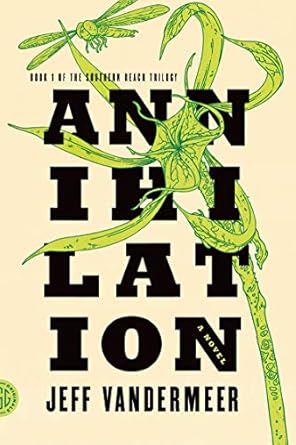
Book Recommendation: “Annihilation” by Jeff VanderMeer, part of the Southern Reach Trilogy, is a compelling example of Weird Fiction.
Set in a mysterious, uninhabited area known as Area X, the novel follows a team of scientists exploring the region, only to encounter inexplicable phenomena that challenge their understanding of nature and reality.
Weird West is a subgenre that combines elements of the Western genre with fantasy, horror, or science fiction.
Set in the American frontier, these stories reimagine the Wild West with supernatural occurrences, fantastical creatures, or otherworldly technology.
The genre blends the ruggedness of Western settings with the imaginative possibilities of fantasy, creating a unique backdrop for tales of adventure and mystery.
Book Recommendation: “The Dark Tower” series by Stephen King is a notable example of Weird West.
Blending elements of fantasy, horror, and Western, it follows the gunslinger Roland Deschain as he travels through a world that is a strange reflection of our own, on a quest to reach the mysterious Dark Tower.
Wuxia, a genre originating from Chinese literature, focuses on the adventures of martial artists in ancient China.
These stories are characterized by their emphasis on martial arts, honor, and chivalrous quests.
The protagonists, often skilled warriors with a strong sense of justice, embark on adventures that involve fighting injustice, protecting the innocent, and achieving personal enlightenment.
Book Recommendation: “The Condor Heroes” series by Jin Yong (Louis Cha) is a classic in the Wuxia genre.
Set in ancient China, it tells the story of martial artists who navigate a world of heroic deeds, love, and conflict, demonstrating extraordinary martial arts skills and upholding the chivalric code.
Xianxia, a subgenre rooted in Chinese folklore and Taoist and Buddhist mythology, revolves around characters seeking immortality and spiritual enlightenment, often through the practice of martial arts and magic.
These narratives typically feature a fantastical version of ancient China, filled with mythical creatures, powerful cultivators, and ancient secrets.
The genre is known for its emphasis on personal growth, moral choices, and the pursuit of ultimate power or enlightenment.
Book Recommendation: “The Coiling Dragon Saga” by I Eat Tomatoes (a pen name for Chinese author Li Hu) is a popular Xianxia novel.
It tells the story of Linley Baruch, a young boy who embarks on a journey to become a powerful Dragonblood Warrior and uncover the secrets of his family’s legacy in a world filled with magic and ancient clans.
Young Adult Fantasy is targeted towards teenagers and deals with themes that are relevant to adolescents, such as identity, romance, and the transition to adulthood.
These narratives often feature more complex plotlines and character development compared to Middle-Grade Fantasy, with protagonists facing challenges that test their morals, beliefs, and resilience.
YA Fantasy frequently explores darker or more mature themes, resonating with the challenges and experiences of teenage life.
Book Recommendation: “The Hunger Games” series by Suzanne Collins is a standout in YA Fantasy.
Set in a dystopian future, it follows the journey of Katniss Everdeen, a young woman who participates in a televised death match, exploring themes of survival, tyranny, and personal integrity.
As we conclude our enchanting exploration through the myriad realms of fantasy subgenres, it’s clear that the world of fantasy literature is as vast and varied as the imaginations that fuel it.
From the dark and mysterious corners of Grimdark and Paranormal Fantasy to the noble and luminous landscapes of Noblebright and High Fantasy, we’ve traversed a universe where magic knows no bounds, and adventure lies around every corner.
We’ve delved into the intricate tapestries of Epic and Political Fantasy, where grand narratives unfold, and the fate of worlds hang in the balance.
We’ve journeyed through the personal and poignant pathways of Coming-of-Age and YA Fantasy, exploring the turbulent waters of adolescence and self-discovery.
Our adventure took us across the high seas of Nautical Fantasy, through the surreal dreamscape of Visionary Fantasy, and into the modern-day enchantments of Urban and Contemporary Fantasy.
Each subgenre, from the action-packed escapades of Sword and Sorcery and Adventure Fantasy to the thought-provoking narratives of Literary and Allegorical Fantasy, has opened doors to new worlds.
We’ve seen the blending of genres in Slipstream, the transcending of reality in Magical Realism, and the fusion of the historical with the fantastical in Alternative History Fantasy.
But our journey doesn’t end here.
The world of fantasy is ever-evolving, with new stories and imaginative worlds constantly emerging from the depths of creative minds.
We invite you, dear readers, to continue this exploration.
Dive into the genres that piqued your interest, discover new authors, and embark on new adventures.
Share Your Favourites
Now, it’s over to you! We encourage you to share your thoughts, your favourite fantasy subgenres, and book recommendations in the comments below.
Which subgenre resonates with you the most? Are there any titles that have captivated you, whisked you away to distant lands, or introduced you to unforgettable characters? Your insights and preferences are invaluable in helping fellow readers discover their next fantasy escape.
Whether you’re a lifelong fan of fantasy or a newcomer to the genre, there’s always a new adventure waiting, a new realm to explore.
So, grab your sword, spellbook, or space helmet, and delve into the boundless worlds of fantasy.
The stories are endless, and each page turn is a doorway to a new adventure. Happy reading!
Comment below with your favourite fantasy subgenres and book recommendations, and let’s keep the magic of fantasy alive in our shared love for storytelling!
Slam into the captivating world of professional wrestling, where the lines between reality and fantasy blur. Explore how magic, myths, and supernatural elements transform the ring into a stage of spectacle and drama, merging physical prowess with fantastical storytelling.
In the high-octane, body-slamming world of professional wrestling, where reality and fantasy grapple on the mat, there exists a surprising yet undeniable synergy with the realms of magic and the supernatural.
This isn’t just about athletes in spandex throwing each other around; it’s a stage where elements of fantasy often tag-team with physical prowess.
Let’s dive into the ring (mind the ropes) and explore how the fantastical world of sorcery and supernatural shenanigans has body-slammed its way into professional wrestling.
Summoning the Spectacle: Wrestling’s Theatrical Magic
First things first: professional wrestling is as much about spectacle as it is about sportsmanship.
It’s a world where larger-than-life characters perform feats that often defy logic and sometimes gravity.
In this arena, the incorporation of magical and supernatural elements isn’t just entertainment; it’s an extension of wrestling’s inherent theatricality.
It’s like watching a wizard’s duel, except the wands are replaced with folding chairs and the spells with smack talk.
Characters of Mythic Proportions: Wrestling’s Pantheon
Wrestling has always been a fertile ground for characters that seem ripped from the pages of a fantasy epic.
From the demonic undertones of The Undertaker to the voodoo mystique of Papa Shango, wrestlers often embody archetypes akin to those found in myth and legend.
They’re modern-day warriors and sorcerers, battling it out not in ancient arenas, but in the squared circle.
Storylines of Epic Quests and Curses
The narratives woven in the world of wrestling often mirror the grand quests and dark curses of fantasy lore.
Feuds and storylines are epic sagas of betrayal, revenge, and redemption, playing out like a soap opera scripted by a team of dungeon masters.
These tales, where wrestlers pursue championship belts with the zeal of knights seeking holy grails, are steeped in a sense of destiny and larger-than-life drama.
Rituals, Symbols, and Sorcerous Entrances
In wrestling, the entrance is an incantation, a ritual that sets the stage for the combatant’s persona.
Pyrotechnics, eerie lighting, and music transform these entrances into something akin to a sorcerer making a grand appearance.
These moments are charged with a magical energy, captivating the audience and elevating the wrestler to an almost mythical status.
Wrestling’s Answer to Necromancy: The Resurrection Angle
In the annals of wrestling, no one is ever truly gone.
The ‘resurrection’ of a wrestler, once thought retired or vanquished, is a common trope, echoing the age-old fantasy theme of characters returning from the dead.
It’s a narrative device that adds a layer of supernatural intrigue to the mix, proving that in wrestling, as in fantasy, death is but a temporary inconvenience.
The Enchanted Ring
Professional wrestling’s embrace of the supernatural and magical elements is more than a gimmick; it’s a testament to the art form’s storytelling power and imagination.
In the wrestling ring, where the boundaries between reality and fantasy blur, magic and myth come alive in a spectacle of physical prowess and theatrical flair.
It’s a world where the fantastical becomes tangible, and for a few hours, we can believe in the magic of the mat.
Explore how the dynamic world of professional wrestling can inspire fantasy writers. Discover tips on character creation, world-building, and crafting compelling narratives with a dramatic flair. Perfect for authors seeking creative storytelling techniques.
In the boisterous, over-the-top world of professional wrestling, where heroes and villains clash in epic battles of strength and cunning, there lies a treasure trove of inspiration for fantasy authors.
Yes, you read that right.
The world of piledrivers, body slams, and theatrical personas is ripe with lessons for crafting compelling fantasy narratives.
So, let’s climb into the ring and discover what fantasy writers can learn from the flamboyant spectacle of professional wrestling.
Larger-than-Life Characters: Embracing the Extreme
Professional wrestling thrives on its larger-than-life characters.
From the noble hero to the dastardly villain, these personas are exaggerated, charismatic, and unforgettable.
Fantasy authors can take a cue from this, creating characters that are bold and memorable, with clear motivations and larger-than-life personalities that captivate readers.
The Art of World-Building: Crafting an Immersive Arena
Just as wrestling promotions create immersive worlds with their own lore, history, and rules, so too should fantasy authors.
Building a rich, well-thought-out world is crucial in fantasy literature.
It provides the backdrop against which the drama unfolds, much like the wrestling ring sets the stage for epic showdowns.
Narrative Arcs: Tension, Conflict, and Resolution
Professional wrestling is all about storytelling.
Each match is a mini-narrative, complete with conflict, climax, and resolution.
Fantasy writers can learn from this structure, ensuring that their stories have compelling arcs that keep readers engaged and cheering for more.
The Power of Good vs Evil
The classic battle between good and evil is at the heart of both professional wrestling and fantasy literature.
Wrestling shows us how these archetypes can be used effectively to create gripping narratives, with clear stakes and passionate rivalries that echo the epic battles of fantasy lore.
Audience Engagement: Keeping Readers on the Edge of Their Seats
Similarly, fantasy authors should keep their readers in mind, crafting stories that elicit strong emotional responses, whether it’s rooting for the hero, despising the villain, or gasping at an unexpected plot twist.
The Suspension of Disbelief
Wrestling asks its viewers to suspend disbelief and get lost in the spectacle.
This is a valuable lesson for fantasy authors, who must also persuade readers to believe in their imaginary worlds.
By weaving in enough realism and relatable emotions, authors can make even the most fantastical elements seem plausible.
Embracing the Theatricality
Professional wrestling’s success hinges on its theatricality, with over-the-top performances and dramatic storylines.
Fantasy authors can draw on this aspect, infusing their narratives with a sense of spectacle and drama that keeps readers enthralled.
From the Squared Circle to the Written Page
While professional wrestling and fantasy literature may seem worlds apart, they share common ground in storytelling, character creation, and world-building.
By embracing the larger-than-life, the dramatic, and the fantastical elements of wrestling, fantasy authors can enhance their narratives and keep readers gripped from the first page to the last.
So, fantasy writers, are you ready to tag team with some wrestling-inspired storytelling techniques?
What elements from the world of professional wrestling do you find most applicable to your fantastical tales?
Share your thoughts, and let’s dive into the narrative ring together.
Dive into Robin Hobb’s “Assassin’s Apprentice,” where fantasy meets complexity and morality blurs. Explore how FitzChivalry Farseer, an unlikely hero with a dark skill set, reshapes our understanding of fantasy protagonists. Unpack Hobb’s intricate world of magic and politics, delving into a narrative that goes beyond good vs. evil. Discover how this groundbreaking story influences modern fantasy, paving the way for deeper character development and more nuanced storytelling in the genre.
In the often bright and valiant world of fantasy literature, Robin Hobb‘s “Assassin’s Apprentice” arrived like a shadow in the night.
With this book, Hobb didn’t just introduce readers to a new story; she introduced us to FitzChivalry Farseer – a hero as unlikely as finding a courteous goblin.
This tale of an assassin’s apprentice was a sharp turn from the usual path of swords and sorcery, taking the road less travelled – and considerably darker.
An Assassin with a Heart: Shaking Up the Hero Mold
Fitz wasn’t your typical fantasy protagonist.
He was no noble knight on a gleaming steed nor a wise wizard with a long beard and a penchant for riddles.
Instead, he was a boy with a knack for killing and a complicated moral compass.
Hobb crafted a character that was as complex as he was conflicted, bringing a depth to Fitz that went beyond the traditional good versus evil narrative.
He was a walking contradiction, a hero in a role usually reserved for villains.
Magic and Mind: A Different Kind of Power
In “Assassin’s Apprentice”, magic wasn’t just about throwing fireballs or summoning storms.
Hobb introduced the Wit and the Skill – two forms of magic that were as nuanced as they were powerful.
The Wit, a bond with animals, was considered a lowly, almost taboo form of magic, while the Skill was a prestigious, mind-influencing ability.
This reimagining of magic systems injected a fresh dose of intrigue into the fantasy genre, turning magic into a source of inner turmoil as much as external power.
Narrative Grit: The Nitty-Gritty of Royal Politics
Hobb’s narrative delved deep into the murky waters of court intrigue and politics, with all the backstabbing and power plays one might expect in a den of vipers rather than a royal court.
This focus on the political, often from the perspective of someone usually left in the shadows, gave the fantasy genre a grittier, more realistic edge.
It was like lifting a rock to see the unsightly creatures writhing underneath – fascinating, if somewhat unsettling.
Influence on Modern Fantasy: The Echoes of Fitz’s Blade
The influence of “Assassin’s Apprentice” on modern fantasy is as clear as the scars on Fitz’s soul.
The series paved the way for a more nuanced approach to character development, where heroes were allowed to be flawed, and villains occasionally sympathetic.
Hobb’s blend of personal struggle, political intrigue, and a less conventional approach to magic has left an indelible mark on the genre, inspiring authors to explore the grey areas of their characters and worlds.
The Enduring Legacy of a Reluctant Assassin
“Assassin’s Apprentice” was more than just a fantasy novel; it was a masterclass in character-driven storytelling.
Robin Hobb created a world where the line between hero and villain was as thin as a knife’s edge, and just as sharp.
In the annals of fantasy literature, FitzChivalry Farseer remains a testament to the genre’s ability to evolve, to push boundaries, and to redefine what it means to be a hero.
The echoes of Fitz’s blade, and the choices he made with it, continue to resonate in the modern fantasy landscape.
Explore the profound impact of Ursula Le Guin’s “The Wizard of Earthsea” on fantasy literature. Discover how Ged’s journey reshaped wizards, introduced intricate magic systems, and influenced modern fantasy with non-European cultures and themes of self-mastery.
Once upon a time, in the hallowed halls of fantasy literature, there was a little book that could – and it did.
Ursula Le Guin’s “The Wizard of Earthsea” not only waved its magical staff over the genre but also turned it on its head, gave it a cheeky slap, and sent it off in a completely new direction.
This wasn’t just a story about a wizard; it was a tale that redefined what a wizard could be.
Gone were the days of white-bearded men in starry robes muttering incantations over cauldrons; enter Ged, a young, brash wizard with more ambition than sense – a character trait we can all uncomfortably relate to.
The School of Hard Knocks: A Wizard’s Education
Before Hogwarts became the go-to institution for all your witching and wizarding needs, there was the School of Roke – a place where the curriculum was as likely to kill you as educate you.
Le Guin didn’t just create a school; she created a crucible where boys were broken down and remade into mages.
In Ged’s journey, we see the painful, often hilarious, process of learning that power without wisdom is like trying to eat soup with a fork – messy, frustrating, and ultimately, unfulfilling.
Shadows, Egos, and Other Personal Demons
Le Guin, in her infinite wisdom, decided that the greatest enemy a wizard could face wasn’t a dark lord with an army of minions, but his own shadow – literally.
In a stroke of darkly humorous genius, she made Ged’s own arrogance and overconfidence his nemesis.
The resulting cat-and-mouse (or wizard-and-shadow) chase across the islands of Earthsea is a masterclass in how to fight an enemy who knows all your worst thoughts because, well, he is your worst thoughts.
Magic: More Than Just Waving a Wand
In Earthsea, magic isn’t just about shouting Latin words louder than your opponent.
It’s a subtle art, where knowing the true name of a thing gives you power over it.
This was revolutionary; magic became a thing of beauty and complexity, rather than a convenient plot device.
Le Guin showed us that magic, like language, has power and depth, and that with great power comes great responsibility – and the occasional catastrophic backfire.
The Ripple Effect: Earthsea’s Legacy
The influence of “The Wizard of Earthsea” is as vast as the archipelago of Earthsea itself.
From the way magic is portrayed in modern fantasy to the introduction of fully realized, non-European cultures in a fantasy setting, Le Guin didn’t just raise the bar; she threw it into the stratosphere.
Authors who followed in her footsteps had to up their game.
Fantasy worlds became richer, more diverse; magic systems more intricate.
Ged’s shadow looms large over the genre, a reminder that true power lies not in dominion over others, but in mastery of oneself.
A Wizard’s Gift to Fantasy
In “The Wizard of Earthsea”, Ursula Le Guin didn’t just give us a story; she gave us a new way of seeing.
Her legacy is a genre that dares to dream bigger, think deeper, and challenge the status quo.
And all this from a book that, at first glance, is about a boy who screws up a spell.
That’s the magic of Le Guin – she takes the simple, weaves it with wit and wisdom, and creates something that endures, something that challenges us to look at the shadows within ourselves.
In Earthsea, as in life, the greatest adventures often start with a little self-reflection – and perhaps a healthy dose of humility.
Discover how ‘Peep Show’s’ unique storytelling and humour inspire fantasy writing in our blog. Learn to blend first-person narrative, flawed characters, and social commentary into your fantasy tales, drawing from this TV comedy’s innovative approach.
In the boundless world of fantasy literature, unexpected sources like the British TV comedy “Peep Show” offer fresh lessons.
Let’s dive into Mark and Jez’s absurdly funny world to see what it offers the realm of fantasy writing.
Mastering First-Person Narration
“Peep Show” excels with its intimate first-person perspective.
Fantasy writers can take a leaf from this book, adopting a similar narrative style for a closer connection between readers and characters, adding immediacy to their fantastical worlds.
Developing Flawed and Relatable Characters
Mark and Jez’s shortcomings make them feel genuine.
Fantasy characters, too, benefit from such realism – their flaws and quirks lend authenticity, even amid magical settings.
Balancing Humor with Character Development
The show skillfully uses humour to flesh out characters.
Fantasy writers can use this approach to add layers to their characters, using humour to reveal, build, and deepen relationships.
The Importance of Realistic Dialogue
“Peep Show” is renowned for its realistic and witty dialogue.
Effective dialogue in fantasy can bring characters to life, anchoring the fantastical in the relatable.
Exploring the Mundane in the Fantastic
The show finds humour in the everyday.
Fantasy narratives can similarly ground the extraordinary in the ordinary, making the world more tangible and relatable.
Tackling Social Commentary
“Peep Show” often delves into social and cultural themes.
Fantasy worlds offer a canvas for similar commentary, reflecting and critiquing real-world issues through a fantastical lens.
Keeping the Narrative Fresh
The show’s ever-evolving scenarios keep viewers hooked.
Fantasy writers should similarly aim for dynamism, continually developing their worlds and characters.
“Peep Show,” with its distinctive storytelling, relatable humour, and societal insights, is a goldmine for fantasy writers.
Integrating these elements can add the same depth and originality to fantasy stories as seen in this comedic gem.
Fantasy authors, are you ready to weave “Peep Show’s” awkward hilarity into your epic tales?
Share your ideas, and let’s explore how this comedy can enhance fantasy storytelling.
Dive into the thrilling world of “Dragonlance,” where Margaret Weis and Tracy Hickman transformed fantasy literature. Discover how their groundbreaking series bridged the gap between tabletop gaming and epic storytelling, reshaping tropes and introducing unforgettable characters.
In the grand, often solemn halls of fantasy literature, the arrival of the “Dragonlance” series was akin to a group of rowdy adventurers kicking in the door, armed with dice and character sheets.
Conceived by Margaret Weis and Tracy Hickman and born from the world of Dungeons & Dragons, “Dragonlance” not only introduced a generation to the wonders of fantasy but also proved that the leap from tabletop to novel could land with the grace of a gold dragon.
Rolling the Dice on Fantasy Tropes
“Dragonlance” didn’t just borrow from the established tropes of fantasy; it embraced them with the gusto of a kender encountering a shiny object.
The series was a smorgasbord of dragons, wizards, knights, and, of course, the all-important quest.
But there was a twist in this tale: the characters felt like they’d leapt straight out of a D&D campaign, complete with their quirks, flaws, and dice-determined destinies.
In doing so, “Dragonlance” offered a refreshing take on familiar archetypes, breathing new life into the old bones of the genre.
Character Ensemble: A Party, Not a Solo
One of “Dragonlance’s” most significant contributions to fantasy was its focus on the ensemble cast.
This wasn’t a story of a lone hero’s journey; it was a party’s journey.
Characters like Tanis Half-Elven, Raistlin Majere, and Tasslehoff Burrfoot each brought their unique flavours to the narrative stew, creating a dynamic that was as unpredictable as it was engaging.
This focus on group dynamics paved the way for future authors to explore the complexities and camaraderie of ensemble casts.
The Dark Art of Subverting Expectations
At its heart, “Dragonlance” was a masterclass in the art of subversion.
It took established tropes and gave them a good shake.
The noble knight was as flawed and uncertain as the next man; the wizard, as much a danger to himself as to others.
This penchant for turning expectations on their head resonated with readers and influenced a wave of fantasy literature that delighted in doing the unexpected.
Legacy: A New Kind of Fantasy Epic
The legacy of “Dragonlance” in modern fantasy is as vast as the Plains of Dust.
It showed that the leap from game to novel could not only be successful but could also offer a new perspective on the epic fantasy tale.
The series’ impact is evident in the way contemporary fantasy often blends elements of gaming, ensemble casts, and a willingness to play with traditional tropes.
The Continuing Adventure
The “Dragonlance” series, with its blend of adventure, camaraderie, and a healthy dose of dragonfire, left an indelible mark on the fantasy genre.
It was a reminder that at the heart of every great fantasy story is a great adventure, and sometimes, that adventure starts with a simple roll of the dice.
In the world of fantasy literature, “Dragonlance” continues to stand as a testament to the power of imagination and the enduring appeal of gathering your friends, both real and fictional, and embarking on a quest.